
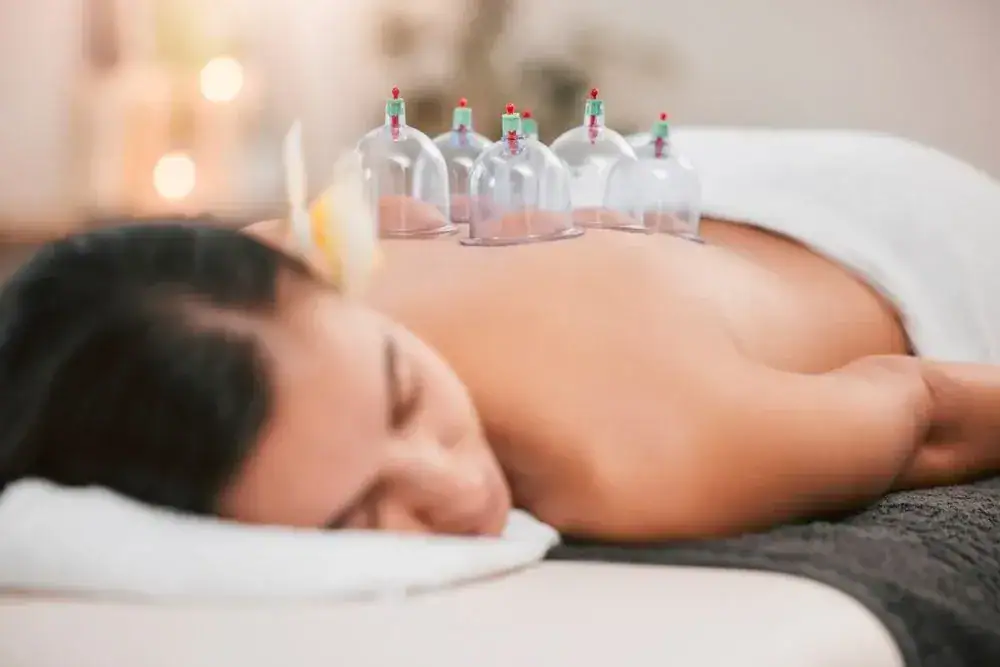

Your back doesn’t seize up when you bend down anymore. Your neck turns without that sharp catch. You’re sleeping through the night because your shoulder isn’t waking you up every two hours.
That’s what happens when cupping therapy addresses the root cause—not just the symptoms. The suction pulls fresh blood flow into areas that have been starved of oxygen and nutrients. Tight fascia (the connective tissue wrapping your muscles) gets stretched and released, giving you back the range of motion you’ve been missing.
You’re not masking pain with another pill. You’re increasing circulation, reducing inflammation, and helping your body heal itself. Most people notice less stiffness after the first session. By the third or fourth, they’re moving in ways they haven’t in months.
This isn’t about temporary relief. It’s about getting back to the activities you’ve been avoiding—whether that’s playing with your kids, hitting the golf course, or just getting through your workday without constant discomfort.
We’ve been providing in-home physical therapy across Long Island since 2010. Every therapist on our team is licensed, trained in modern cupping techniques, and experienced in treating the kinds of chronic pain and sports injuries common among West Hampton Dunes residents.
You’re not driving to another clinic. You’re not sitting in a waiting room. You’re getting professional treatment in your own home, on your schedule, with the same level of care you’d expect from any top-tier facility.
We accept Medicare and most commercial insurance, which means you’re getting expert therapy without the financial stress. And because we’ve been doing this for over a decade across multiple Long Island communities, we know what works—and what doesn’t.
Your therapist starts with an assessment. Where’s the pain? What movements trigger it? How long has this been going on? This isn’t a cookie-cutter approach—your treatment plan is built around your specific condition.
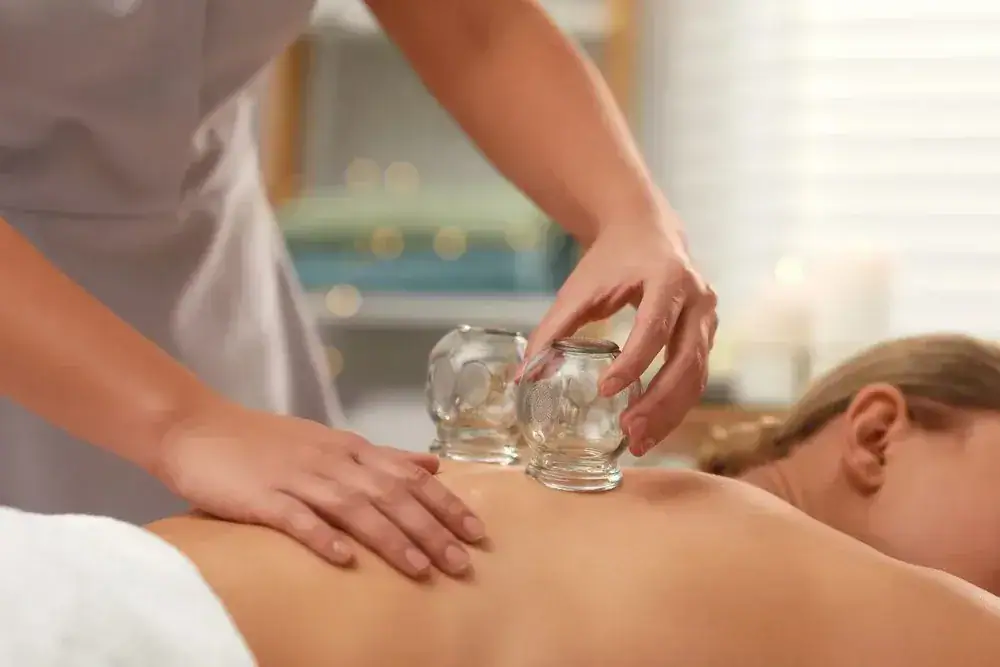
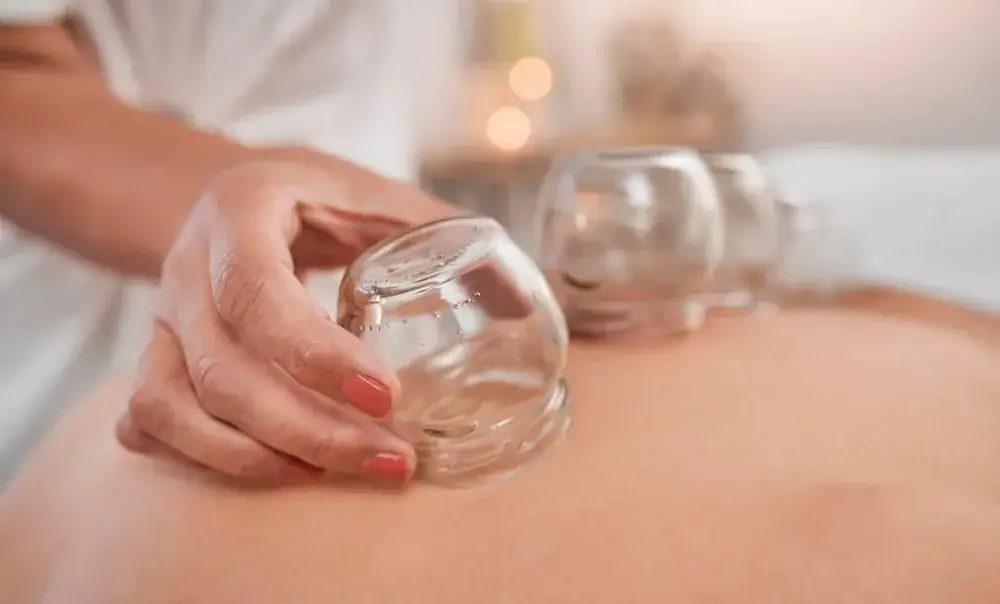
During the session, cups are placed on targeted areas of your body. The suction creates negative pressure, pulling tissue upward and increasing blood flow to the area. You might feel a tight sensation, but it shouldn’t hurt. Most people find it surprisingly relaxing.
The cups stay in place for 5 to 15 minutes, depending on what we’re treating. Sometimes your therapist will move the cups across your skin (that’s called gliding cupping) to release tension along larger muscle groups. Other times, they’ll stay stationary to focus on trigger points or areas of deep tightness.
After the cups are removed, you’ll likely see circular marks on your skin. They’re not bruises—they’re a sign of increased circulation. They fade within a few days to a week. What doesn’t fade? The relief.
Most treatment plans involve multiple sessions over a few weeks. You’re not locked into anything long-term, but consistency matters if you want lasting results. Your therapist will adjust the approach as you progress, adding or modifying techniques based on how your body responds.
Ready to get started?
You’re getting a licensed physical therapist who understands how cupping integrates with broader rehabilitation goals. This isn’t a standalone treatment—it’s part of a comprehensive approach to managing pain, improving mobility, and preventing future injuries.
In West Hampton Dunes and across the Hamptons, we see a lot of active adults dealing with repetitive strain from tennis, golf, or water sports. We also treat plenty of people whose pain comes from sitting at a desk all day or years of compensating for an old injury. Cupping works for both.
The therapy itself targets muscle tension, fascial restrictions, and poor circulation—three of the biggest contributors to chronic pain. By addressing these issues, you’re not just feeling better temporarily. You’re creating the conditions for long-term healing.
Because we come to your home, you’re also avoiding the stress and physical strain of traveling to appointments. For people with limited mobility or transportation challenges, that alone makes a significant difference. You’re more likely to stick with treatment when it’s this accessible, and consistency is what gets results.
Yes, but it works best when it’s part of a broader treatment plan. Cupping increases blood flow to the affected area, which helps reduce inflammation and deliver the nutrients your muscles need to heal. It also releases tension in the fascia, which is often a major contributor to chronic back pain.
Most people with lower back pain have tight muscles that have been compensating for weakness or poor posture. Cupping helps relax those muscles and improve your range of motion, but you’ll get better long-term results if you’re also addressing the underlying movement patterns or strength imbalances.
If your back pain is from a herniated disc or nerve compression, cupping can still help manage the muscle tension around the injury, but it’s not going to fix the structural issue. That’s why working with a licensed physical therapist matters—we’ll know when cupping is the right tool and when you need a different approach.
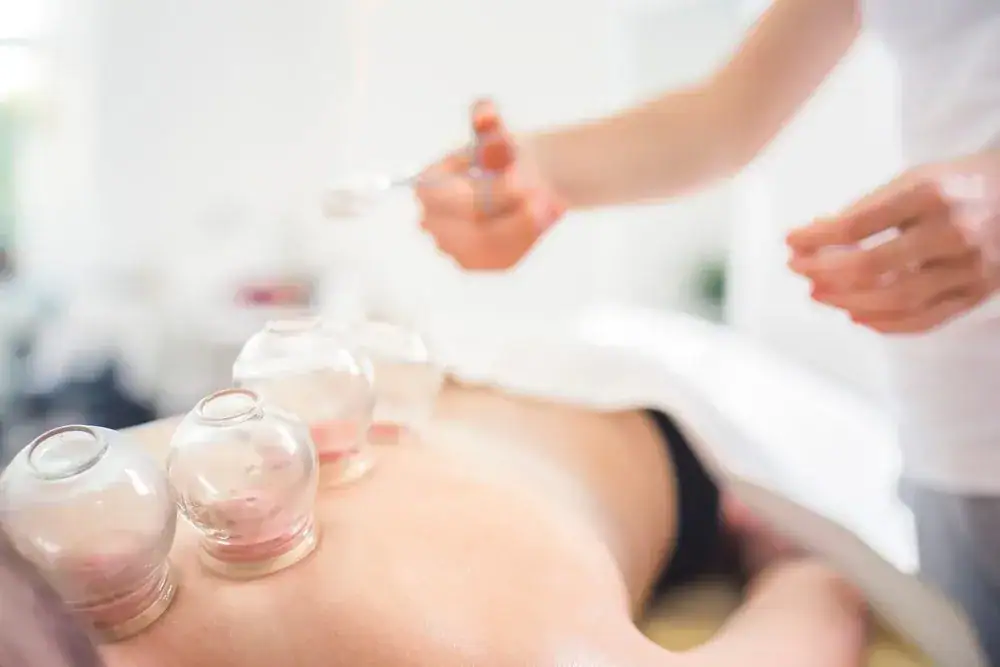
You’ll have circular marks, but they’re not bruises in the traditional sense. Bruises happen when blood vessels break and leak into surrounding tissue. Cupping marks are caused by increased blood flow and the release of stagnant fluids in the area—it’s actually a sign the therapy is working.
The marks are usually darker if you have a lot of tension or poor circulation in that area. They’ll fade within three to seven days for most people. Some people get very light marks, others get darker ones—it varies based on your body and the intensity of the treatment.
If you’re concerned about visible marks (say, you have an event coming up), let your therapist know. They can adjust the suction level or focus on areas that won’t be visible. But for most people, the marks aren’t painful and they’re a small trade-off for the relief they get.
Yes, when it’s performed by a licensed physical therapist as part of a documented treatment plan. We accept Medicare and most commercial insurance plans, which means cupping therapy is typically covered under your physical therapy benefits.
The key is that it has to be medically necessary and prescribed as part of your overall care. If you’re seeing a therapist for chronic pain, sports injury recovery, or post-surgical rehabilitation, and cupping is part of that treatment, insurance will usually cover it.
You’ll want to check your specific plan for details on copays, deductibles, and how many physical therapy visits you’re allowed per year. Our team can help verify your coverage before your first session so there are no surprises. The goal is to make professional therapy accessible, not to add financial stress on top of physical pain.
Massage uses pressure to push into your muscles. Cupping uses suction to pull tissue upward. That difference matters because cupping can reach deeper layers of fascia and release tension that massage sometimes can’t access.
Massage is great for general relaxation and surface-level muscle tension. Cupping is more targeted—it’s especially effective for stubborn knots, trigger points, and areas where you’ve lost flexibility due to scar tissue or chronic tightness. The negative pressure also stimulates blood flow in a way that compression-based techniques don’t.
When a licensed physical therapist uses cupping, it’s not just about relaxation. It’s about improving function. You’re working toward specific goals—reducing pain, increasing range of motion, getting back to activities you’ve had to avoid. Cupping is one tool in a larger toolkit that might also include stretching, strengthening exercises, and manual therapy.
Most people notice some improvement after the first session—less stiffness, better range of motion, or a reduction in pain. But one session isn’t going to fix a problem you’ve had for months or years. Real, lasting change usually takes a series of treatments.
A typical plan might involve six to eight sessions over three to four weeks, depending on what we’re treating. Acute injuries (like a pulled muscle from overdoing it at the gym) might respond faster. Chronic conditions (like ongoing neck pain from years of desk work) usually take longer.
Your therapist will reassess your progress after every few sessions and adjust the plan as needed. Some people continue with occasional maintenance sessions after their initial treatment plan is complete. Others get the relief they need and move on. It depends on your body, your condition, and your goals.
Absolutely. Cupping is widely used in sports medicine because it speeds up recovery and helps prevent injuries. Athletes deal with muscle soreness, tightness, and repetitive strain—all things cupping addresses directly by increasing circulation and releasing fascial restrictions.
If you’ve strained a muscle, cupping brings fresh blood flow to the area, which accelerates healing. If you’re dealing with chronic tightness that’s affecting your performance, cupping can restore flexibility and range of motion. Many athletes use it as part of their regular recovery routine to stay ahead of injuries before they become serious problems.
In West Hampton Dunes, we work with weekend warriors, recreational athletes, and anyone who’s active but dealing with nagging pain that won’t go away. You don’t have to be a professional athlete to benefit. If you’re frustrated that an old injury keeps flaring up or you can’t perform the way you used to, cupping therapy might be exactly what you need to get back on track.
Other Services we provide in West Hampton Dunes