
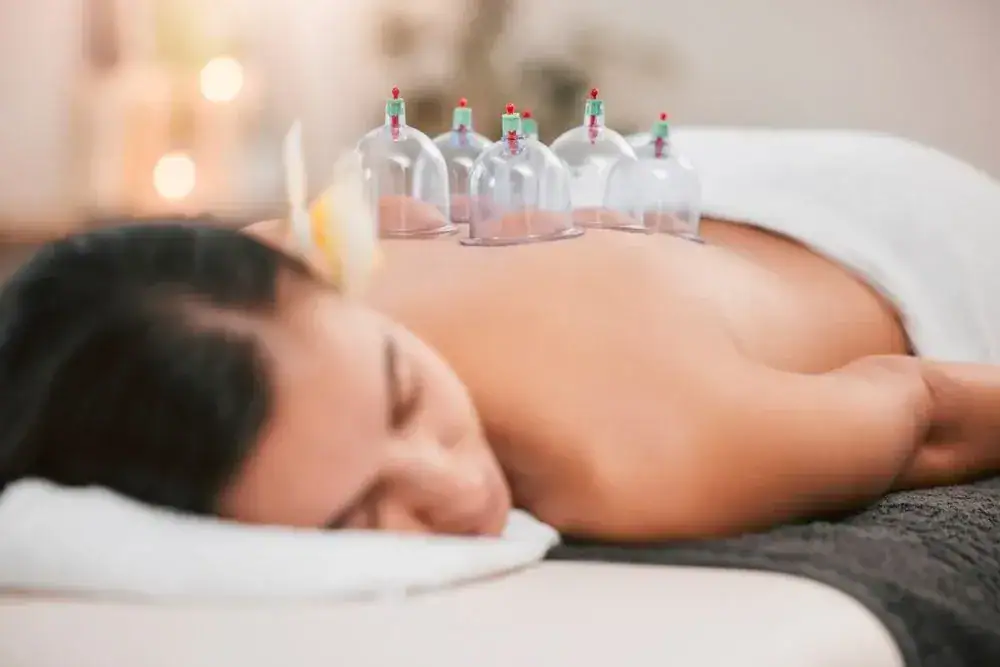

You’ve tried stretching. You’ve iced it. You’ve rested. The pain is still there, limiting what you can do and how you feel every single day.
Cupping therapy works by creating controlled suction on your skin, pulling blood flow to the area and releasing tension trapped deep in your muscle tissue. That increased circulation delivers oxygen and nutrients exactly where your body needs them to repair itself. The suction also helps break up adhesions and trigger points that keep muscles locked in painful patterns.
Most people feel some relief within hours of their first session. That tightness in your neck loosens. Your lower back doesn’t scream every time you stand up. Your shoulders drop away from your ears for the first time in months.
The effects build with each treatment. What starts as a few hours of relief can extend to days, then weeks, as your body responds to consistent therapy. You’re not just masking pain—you’re addressing what’s causing it.
We’ve been treating patients across Long Island for over a decade. Our licensed physical therapists don’t just add cupping as an afterthought—we integrate it into comprehensive treatment plans designed around your specific condition.
We accept Medicare and work with most major insurance providers, which matters when you’re already dealing with medical bills. Our West Bay Shore patients get the same level of care we’ve built our reputation on at our Smithtown and Speonk locations.
If getting to our office is difficult, we offer home-based therapy. You get professional treatment in your own space, with the same attention to detail and clinical standards we maintain everywhere else.
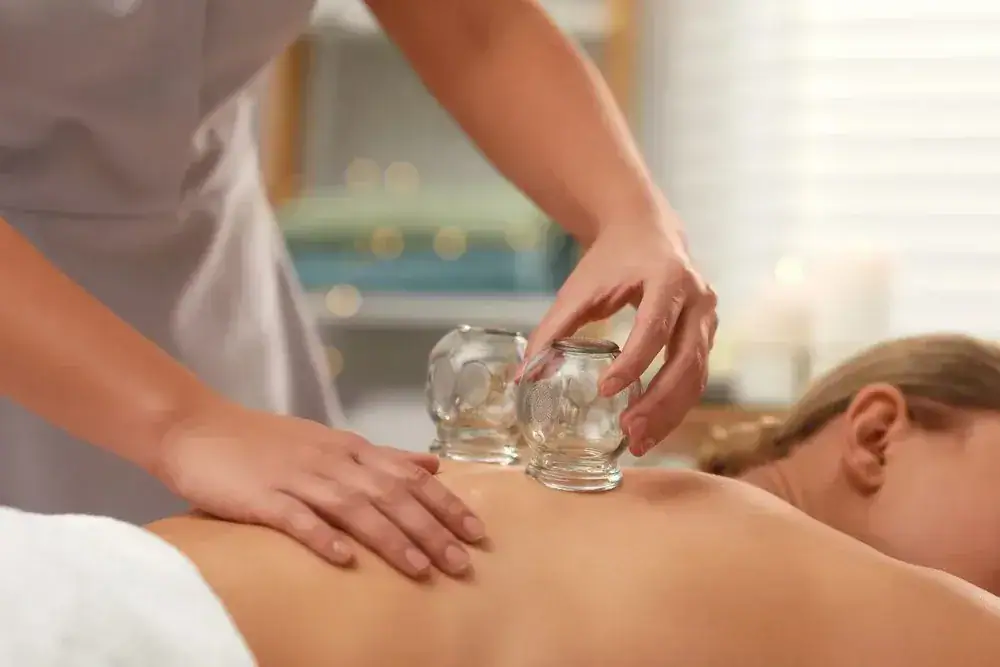
Your therapist starts with an assessment. Where’s the pain? What makes it worse? What have you already tried? This isn’t a standard script—it’s a conversation about your specific situation.
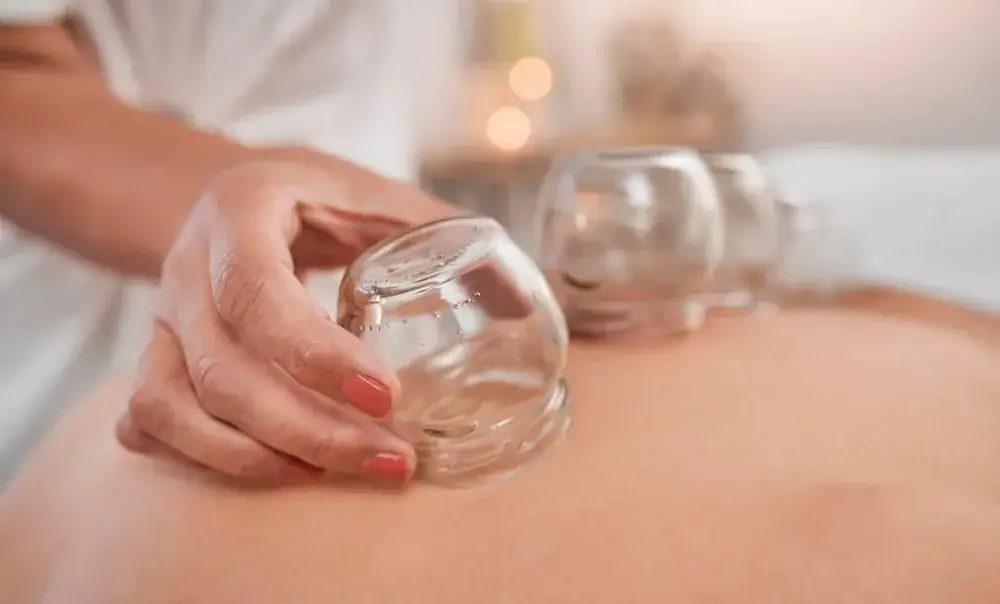
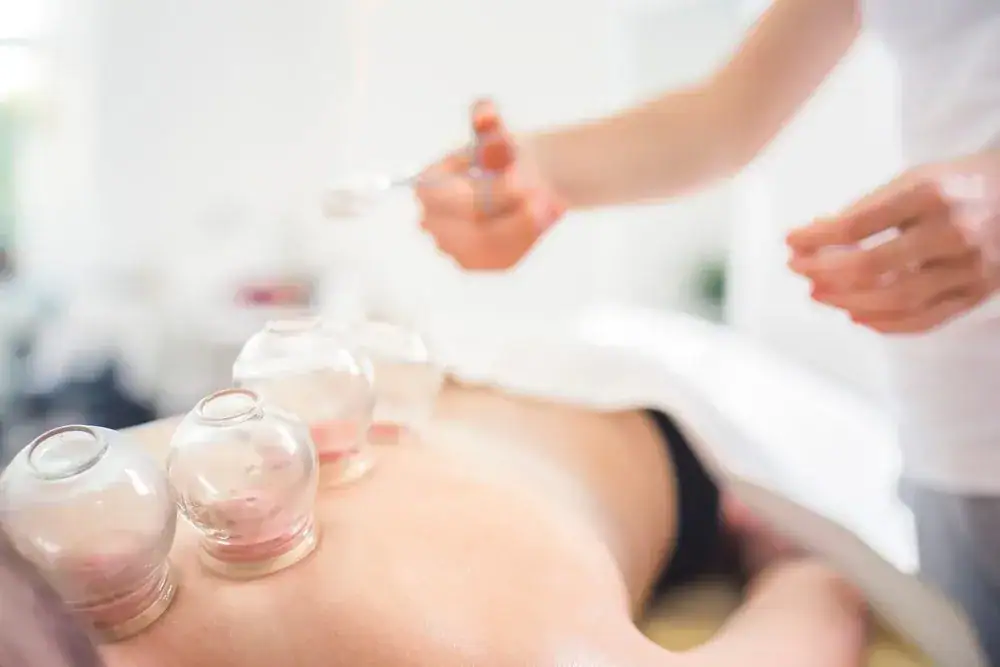
Once we understand what’s going on, we place cups on the affected areas. These create suction using either heat or a pump, depending on the technique that fits your needs. You’ll feel a pulling sensation, but it shouldn’t hurt. The cups stay in place for 5 to 20 minutes while they do their work.
During that time, the suction is increasing blood flow to tissues that aren’t getting enough circulation. It’s also encouraging your muscle fibers to release and relax, breaking up the knots and tension that restrict your movement.
After we remove the cups, you’ll likely see circular marks where they were placed. These aren’t bruises—they’re a sign of increased blood flow to the area. They typically fade within a few days and don’t hurt.
Most people notice results the same day. Your range of motion improves. The constant ache quiets down. You can move without bracing for pain.
Ready to get started?
Cupping therapy is particularly effective for chronic neck pain, lower back pain, and fibromyalgia—conditions that affect a significant portion of West Bay Shore residents. With over 127 million Americans dealing with musculoskeletal issues, you’re far from alone in this.
The treatment works because it targets the root cause, not just the symptoms. When your muscles are tight and blood flow is restricted, your body can’t heal properly. Cupping reverses that cycle by forcing circulation to increase and muscle tissue to release.
We use this therapy for patients recovering from injuries, managing arthritis pain, and dealing with nerve damage. It’s also effective for athletes—Olympic-level competitors use cupping for muscle soreness and faster recovery between training sessions.
The science backs this up. A 2010 review of 550 clinical studies found that the majority showed real benefits for pain conditions, with no serious adverse effects. This isn’t alternative medicine—it’s an evidence-based treatment that physical therapists, chiropractors, and massage therapists now integrate into standard care.
Your treatment plan might include cupping alongside other physical therapy techniques. We don’t use it in isolation because most chronic pain conditions respond best to a combination of approaches.
Yes, and there’s clinical evidence to support it. Research shows cupping is effective for chronic neck pain, low back pain, and fibromyalgia—often more effective than conventional treatments alone.
The mechanism is straightforward. The suction increases blood flow to areas that aren’t getting adequate circulation. That delivers oxygen and nutrients your tissues need to repair themselves. At the same time, it releases muscle tension and breaks up adhesions that keep you stuck in painful movement patterns.
A 2010 review analyzed 550 clinical studies and found the majority demonstrated real benefits for pain conditions. More recent research continues to support its effectiveness, particularly when combined with other physical therapy techniques. You’re not relying on hope here—you’re using a treatment with documented results.
You’ll likely feel some relief within a few hours of your first session. How long that lasts depends on your condition and how your body responds to treatment.
Initial relief might last a few hours to a couple of days. As you continue treatment, those effects build and extend. Many patients find that after several sessions, their relief lasts weeks rather than days.
This isn’t a one-and-done treatment for chronic conditions. Think of it like physical therapy in general—you need consistent sessions to create lasting change. Your therapist will recommend a treatment schedule based on your specific situation, typically starting with more frequent sessions and spacing them out as you improve.
Yes, cupping typically leaves circular marks where the cups were placed. These aren’t bruises, though they look similar.
The marks are caused by increased blood flow to the area—exactly what we’re trying to achieve. They’re a sign the treatment is working, not a side effect to worry about. The marks don’t hurt and they fade on their own, usually within 3 to 7 days.
If you have an event coming up where visible marks would be a problem, let your therapist know. We can adjust cup placement or modify the technique. But for most people, the marks are a minor and temporary trade-off for pain relief that actually lasts.
When cupping is part of a physical therapy treatment plan, it’s typically covered under your physical therapy benefits. Medicare covers physical therapy services, and we accept Medicare at all our locations.
Coverage varies by plan, so you’ll want to verify your specific benefits. Our staff can help you understand what your insurance covers and what your out-of-pocket costs might be before you start treatment.
We don’t bill cupping as a separate service—it’s integrated into your physical therapy session. That usually makes coverage more straightforward than if you were seeking cupping as a standalone treatment from a provider who doesn’t offer comprehensive physical therapy.
Cupping works best for musculoskeletal pain and muscle tension. That includes chronic neck pain, lower back pain, shoulder pain, and fibromyalgia—conditions where muscle tightness and restricted blood flow are major factors.
We also use it for sports injuries, arthritis pain, and nerve-related discomfort. It’s effective for migraines and headaches that stem from muscle tension in the neck and shoulders. Patients recovering from injuries often see faster healing when cupping is part of their treatment plan.
What cupping doesn’t treat: acute injuries that need immediate medical attention, infections, open wounds, or conditions that require surgical intervention. Your physical therapist will assess whether cupping is appropriate for your specific situation during your initial evaluation.
Yes. We offer home-based physical therapy for patients who have difficulty leaving their homes, and that includes cupping therapy when it’s part of your treatment plan.
Our therapists bring the necessary equipment to your home and provide the same level of professional care you’d receive in our office. This is particularly helpful for older adults, people with mobility limitations, or anyone managing conditions that make travel difficult.
Home therapy isn’t a reduced version of what we offer in our clinics. You get a full assessment, personalized treatment plan, and ongoing care—just in a setting that’s more accessible for you. We’ve been providing home-based services to Long Island residents since 2010, so we know how to make it work effectively.
Other Services we provide in West Bay Shore