
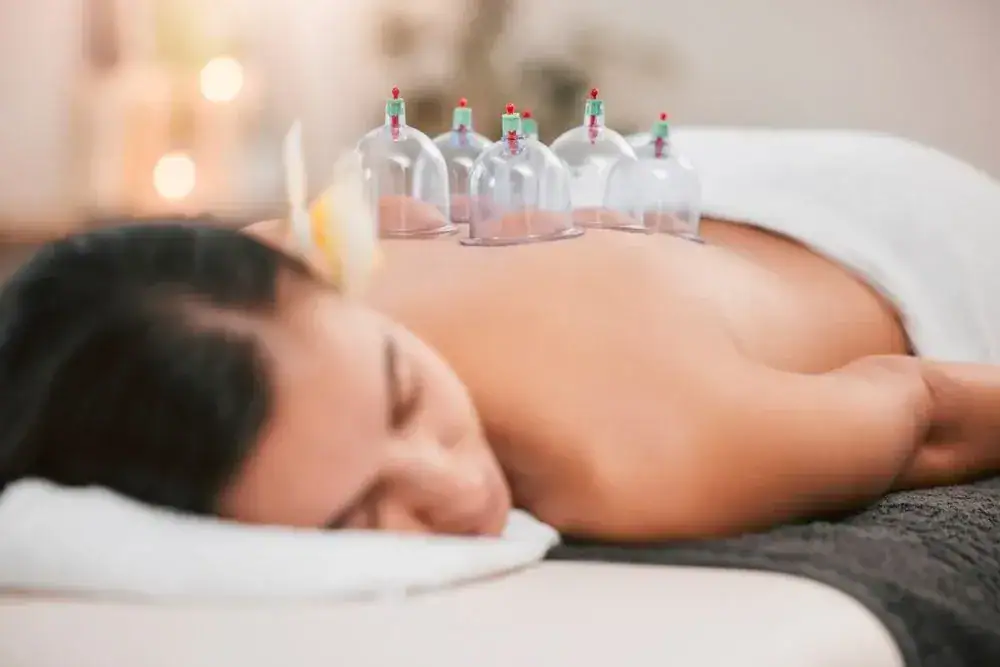

You’re not looking for temporary relief that wears off by dinner. You want to bend down without bracing yourself first. You want to sleep through the night without waking up stiff. You want to get back to the things you’ve been putting off because your back, neck, or knees won’t cooperate.
Cupping therapy works by creating negative pressure on your skin and muscles, which increases blood flow to areas that have been tight, inflamed, or stuck for too long. That improved circulation helps reduce muscle tension, flush out waste products your body’s been holding onto, and gives your tissues the oxygen they need to actually heal instead of just compensate.
The result isn’t just less pain. It’s better range of motion, less reliance on medications, and the kind of functional improvement that lets you move through your day without constantly managing discomfort. For people dealing with chronic low back pain, neck pain, knee osteoarthritis, or muscle tightness that physical therapy alone hasn’t fully resolved, cupping adds a layer of relief that’s both immediate and cumulative.
We’ve been treating patients across Long Island since 2010, with affiliated centers like Physical Therapy Associates of Smithtown and Speonk Physical Therapy rooted in the community even longer. We’re not a franchise or a rotating door of providers. We’re licensed physical therapists who live and work in Nassau County, treating the same conditions you’re dealing with every single day.
What sets us apart isn’t flashy marketing. It’s that we show up consistently, we manage our operations with transparency and security, and we treat every patient like they’re part of our own family. That means personalized treatment plans, open communication, and no surprises when it comes to billing or scheduling.
In Syosset specifically, we understand the demographics. More than 204,000 older adults live in Nassau County, and chronic pain affects nearly a third of people over 65. You’re not alone in what you’re feeling, and you’re not out of options.
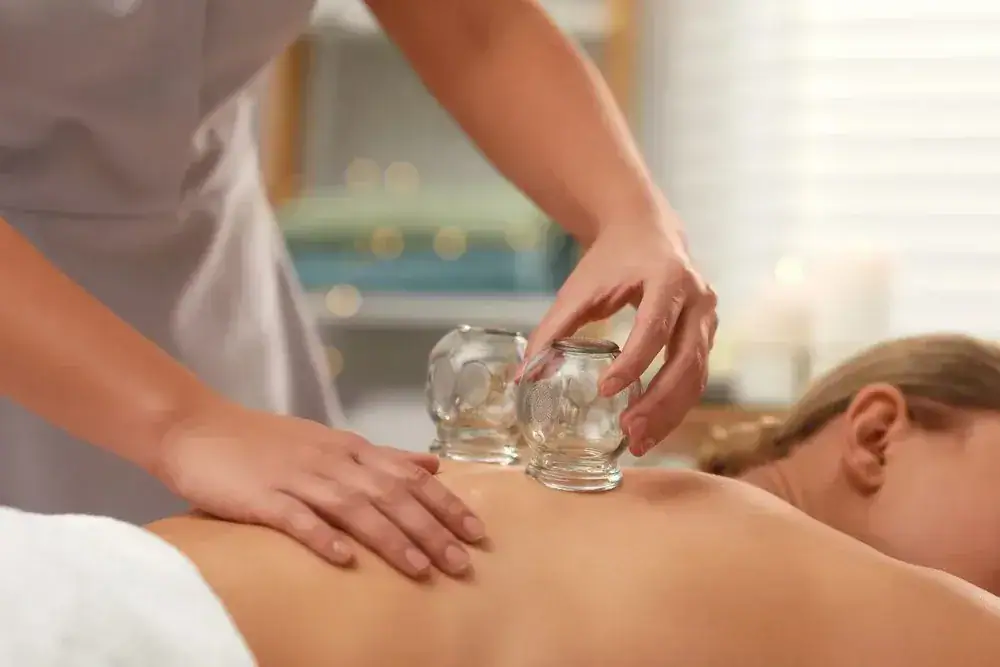
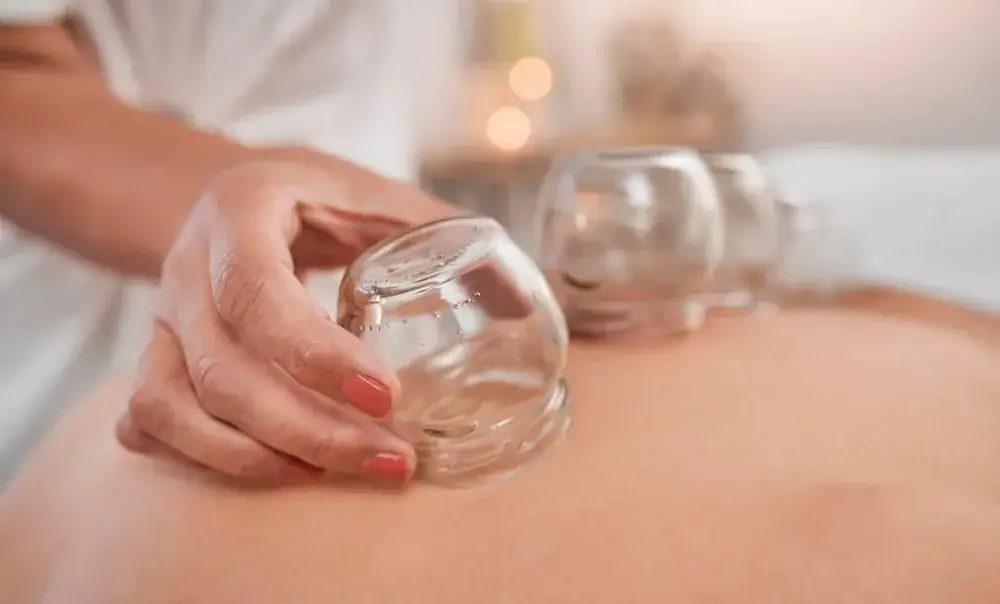
Cupping isn’t mysterious, and it’s not painful. Your therapist places specialized cups on your skin over the areas causing you trouble—usually your back, neck, shoulders, or knees. The cups create suction, either through heat or a manual pump, which gently lifts your skin and underlying tissue away from the muscle.
That suction increases blood flow to the area, which helps relax tight muscles, reduce inflammation, and improve tissue mobility. Some therapists leave the cups in place for a few minutes. Others move them around in a gliding motion to target different muscle groups and release deeper tension.
You might notice circular marks afterward. Those aren’t bruises—they’re a sign that stagnant blood and fluids are moving out of the area. They fade within a few days and don’t hurt.
Most people feel relief during the session itself. Your muscles relax. The pulling sensation feels oddly satisfying, not uncomfortable. And when the cups come off, you’ll likely notice you can move more freely than you could before you walked in. We typically integrate cupping into a broader physical therapy plan, so you’re not just getting temporary relief—you’re building toward long-term improvement.
Ready to get started?
Cupping therapy isn’t a standalone miracle. It’s a tool that works best when combined with the kind of physical therapy we’ve been doing for decades. That means you’re getting a full assessment of your pain, your movement patterns, and the underlying issues that keep bringing you back to square one.
Here in Syosset and across Nassau County, we see a lot of the same conditions. Chronic low back pain that’s been nagging you for years. Neck and shoulder tension from sitting at a desk or repetitive strain. Knee osteoarthritis that makes stairs feel like a challenge. Muscle tightness that physical therapy has helped but hasn’t fully resolved.
Cupping adds a myofascial release component that’s hard to replicate with hands alone. It targets the fascia—the connective tissue that wraps around your muscles—and helps it glide the way it’s supposed to. When that tissue gets stuck or restricted, it limits your movement and amplifies your pain. Cupping unsticks it.
You’re also getting a treatment that’s backed by research. Moderate-quality evidence supports cupping for chronic pain, knee osteoarthritis, low back pain, and neck pain. It’s not alternative medicine in the fringe sense—it’s an evidence-based technique that physical therapists, chiropractors, and athletic trainers use every day. And because it’s non-invasive and low-risk, it’s an option even if you’ve got other health conditions that make surgery or certain medications off the table.
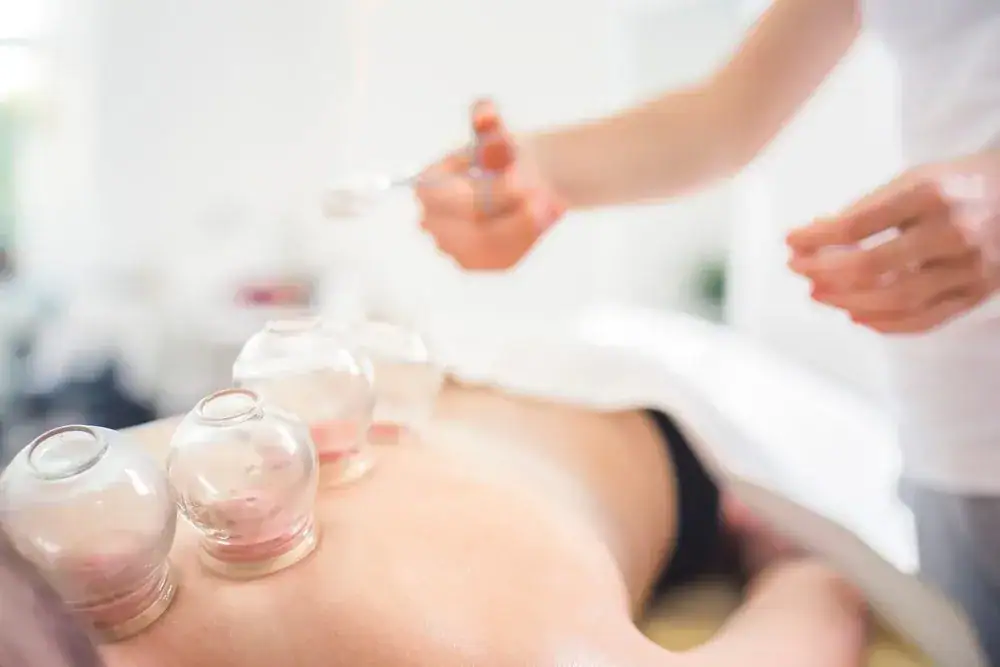
Cupping has solid evidence behind it, especially for chronic pain conditions like low back pain, neck pain, and knee osteoarthritis. Research shows it’s effective at reducing pain and improving function when used as part of a broader treatment plan.
The way it works is straightforward. The suction increases blood flow to areas that aren’t getting enough circulation, which helps reduce inflammation and muscle tightness. It also stimulates small nerves in your muscles that release natural pain-relieving chemicals your body already makes.
What makes it more than hype is that it’s being used by licensed physical therapists, not just wellness spas. When cupping is integrated into physical therapy, you’re getting a clinical approach that’s customized to your specific condition, not a one-size-fits-all session. That’s the difference between temporary relief and actual progress.
Most people feel some level of relief during or immediately after their first session. Your muscles relax, the pulling sensation releases tension you didn’t realize you were holding, and your range of motion often improves right away.
But if you’re dealing with chronic pain that’s been building for months or years, one session isn’t going to undo all of it. You’ll likely need a series of treatments over a few weeks to see lasting improvement. How many depends on your condition, how long you’ve had it, and how your body responds.
The good news is that cupping works cumulatively. Each session builds on the last, and when it’s combined with physical therapy exercises and other treatments, you’re not just masking pain—you’re addressing the root cause. That’s how you get results that stick instead of fading as soon as you leave the clinic.
If cupping is performed by a licensed physical therapist as part of your physical therapy treatment plan, it’s often covered under your PT benefits. That’s how we do it at Medcare—cupping isn’t billed separately as an add-on service. It’s integrated into your session as a therapeutic technique.
Coverage depends on your specific insurance plan, and there are annual caps on outpatient therapy that you should be aware of. Medicare, for example, has a threshold around $3,000 per year for physical therapy. But most patients find that cupping as part of PT is far more affordable than ongoing medications, injections, or surgical interventions.
We handle billing transparently and verify your benefits upfront so you know what to expect. No surprises, no hidden fees. If you’ve got questions about your coverage, we’ll walk you through it before you start treatment.
Cupping is especially effective for musculoskeletal pain—the kind that comes from tight muscles, restricted fascia, or chronic overuse. That includes low back pain, neck and shoulder pain, knee osteoarthritis, and chronic muscle tension that hasn’t responded fully to other treatments.
It’s also helpful for people recovering from injuries or dealing with limited range of motion. If you’ve been through physical therapy and made progress but still feel stuck in certain areas, cupping can help release the deeper restrictions that are holding you back.
We also see good results with stress-related muscle tension. A lot of people don’t realize how much tension they carry in their neck, shoulders, and upper back until the cups go on and everything finally lets go. It’s not just about pain relief—it’s about getting your body to stop guarding and bracing all the time so you can actually move the way you’re supposed to.
Cupping doesn’t hurt. The suction creates a pulling sensation that most people find relieving, not painful. It’s similar to a deep tissue massage—there’s pressure, but it’s the kind that feels like it’s doing something useful, not the kind that makes you tense up.
You will likely see circular marks where the cups were placed. Those aren’t bruises in the traditional sense. They’re caused by blood and fluids being drawn to the surface, which is part of how the therapy works. The marks are usually dark red or purple and fade within three to seven days. They don’t hurt and they’re not a sign of injury.
If you’re concerned about how they look, plan your sessions accordingly. But most people stop worrying about the marks once they feel how much better they move afterward. The temporary discoloration is a small trade-off for the kind of relief that actually lasts.
Yes, and that’s exactly how we use it. Cupping isn’t a replacement for physical therapy—it’s a tool that makes your PT more effective. We combine it with manual therapy, therapeutic exercises, stretching, and other modalities depending on what your body needs.
For example, if you’re working on rebuilding strength after a back injury, we might use cupping at the start of your session to release muscle tightness and improve tissue mobility. Then we move into exercises that reinforce those gains and help you build stability in the areas that have been compensating.
The integration is what makes the difference. Cupping alone might give you short-term relief, but when it’s part of a complete treatment plan, you’re addressing the underlying dysfunction that caused the pain in the first place. That’s how you get off the pain-management treadmill and actually get better.
Other Services we provide in Syosset