

You’re not looking for temporary relief. You want to sleep through the night without waking up stiff. You want to pick up your grandkids without bracing for the ache. You want to get back to your morning walk or weekend tennis without planning your day around how much your back or shoulder can handle.
Cupping therapy improves blood flow to tight, painful areas and helps release muscle tension that’s been building for months or years. Many people feel a noticeable difference after their first session—not just less pain, but better range of motion and less stiffness when they move.
It works because it addresses what’s actually causing the discomfort: restricted circulation, built-up tension, and inflammation in the soft tissue. When you combine cupping with physical therapy, you’re not just masking symptoms. You’re giving your body what it needs to recover and function the way it should.
We’ve been serving Long Island for over a decade, with affiliated centers in Smithtown and Speonk. Our physical therapists are licensed, trained in cupping techniques, and focused on creating treatment plans that actually fit your schedule and your goals.
We’re not a wellness spa. We’re a physical therapy practice that uses cupping as one tool in a larger plan to help you move better and hurt less. That means your treatment doesn’t stop at cupping—it includes hands-on therapy, movement training, and education so you understand what’s happening and why.
Stony Brook residents deal with the same issues we see across Long Island: chronic lower back pain from long commutes, neck tension from desk work, and joint pain that gets worse with age. We get it, and we treat it every day.
Your first visit starts with an evaluation. We ask about your pain, your history, and what you’ve already tried. Then we assess your movement, flexibility, and where the tension or restriction actually is. Cupping isn’t right for everyone, and we’ll tell you if it’s not the best fit for your situation.
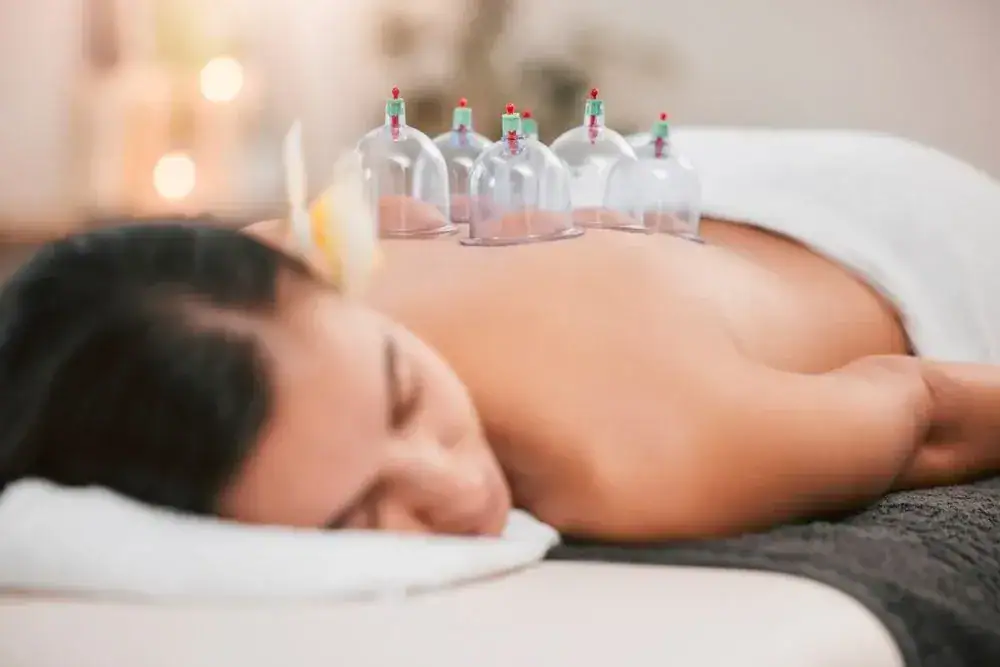
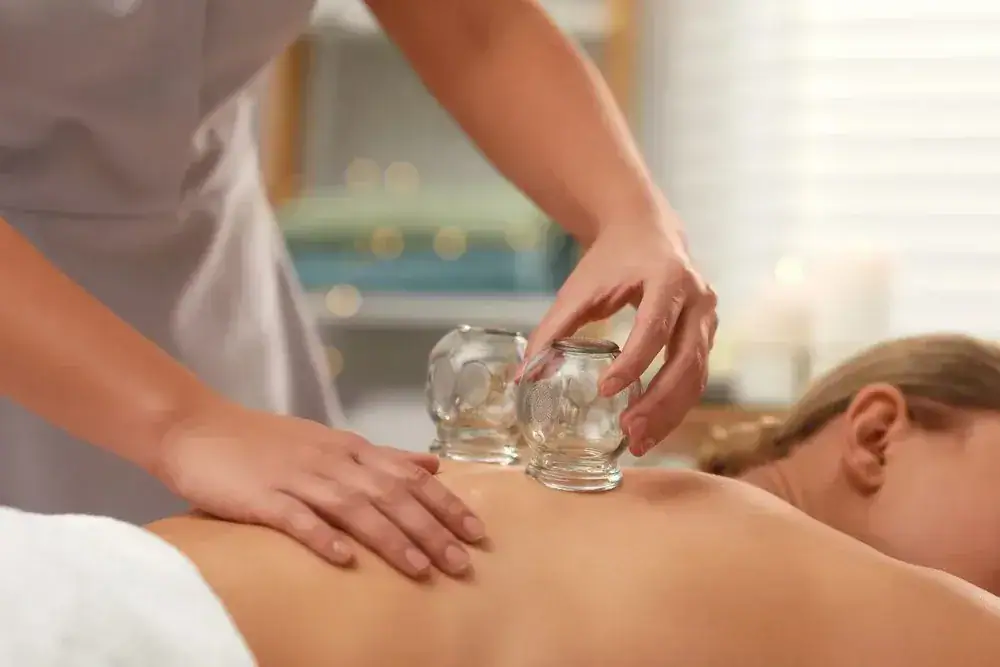
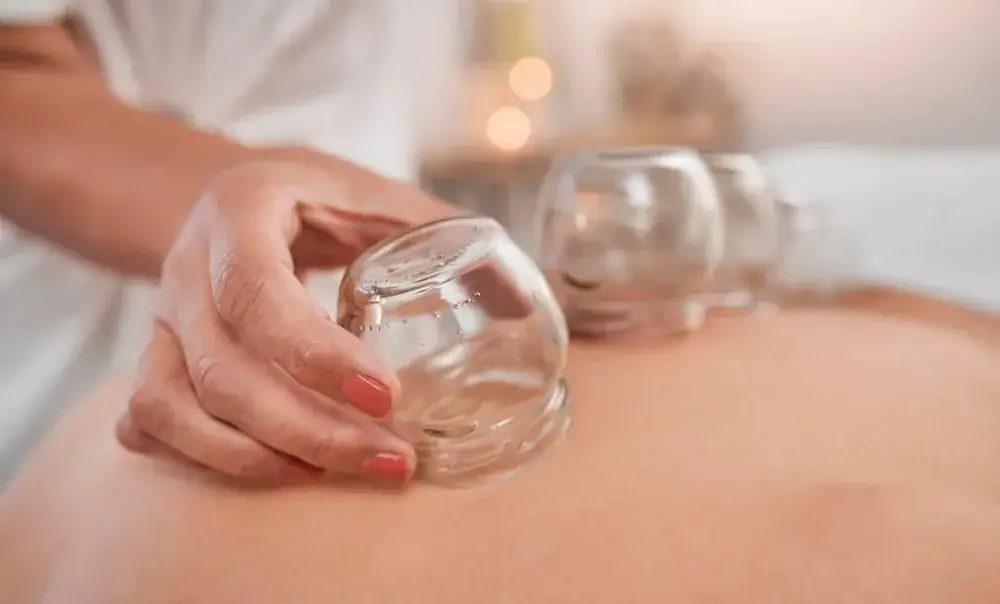
If we move forward, we place cups on the affected area—usually your back, shoulders, neck, or legs. The cups create suction that pulls blood to the surface and helps release tight fascia and muscle. Dry cupping doesn’t involve any cutting or blood. It’s non-invasive, and most people say it feels like a deep tissue massage with some pressure.
Sessions typically last 20 to 30 minutes, and cupping is often combined with other physical therapy techniques like manual therapy or targeted exercises. You might see some circular marks on your skin afterward—that’s normal and fades within a few days. What matters more is how you feel when you stand up: less tight, more mobile, and often with noticeably less pain.
Ready to get started?
Cupping isn’t a standalone treatment here. It’s part of a full physical therapy plan designed around your specific condition. That might include manual therapy to improve joint mobility, exercises to strengthen weak areas, and education on posture or movement patterns that are making things worse.
In Stony Brook and across Long Island, we see a lot of people dealing with sciatica, chronic neck pain from years of computer work, and shoulder issues that limit everything from reaching overhead to getting dressed. Nearly 25% of American adults live with chronic pain, and many have tried medications, injections, or just pushed through it. Cupping combined with physical therapy gives your body a way to heal without dependency on pills or more invasive options.
Each session is personalized. If cupping helps, we keep using it. If something else works better, we adjust. The goal is straightforward: reduce your pain, restore your movement, and give you the tools to maintain progress after you’re done with formal treatment.
Yes, and the research backs it up. Clinical studies show that cupping reduces pain and improves function better than sham therapy, especially for chronic lower back pain. It works by increasing blood flow to the area, which helps reduce inflammation and release muscle tension that’s been building over time.
Most people feel some relief after the first session, but real, lasting improvement comes from combining cupping with physical therapy. That means addressing the root cause—whether it’s weak core muscles, poor posture, or limited hip mobility—not just treating the symptom.
If your back pain is from a herniated disc or nerve compression, cupping alone won’t fix it. But as part of a structured plan that includes strengthening and movement retraining, it can make a significant difference in how much pain you’re in and how well you move.
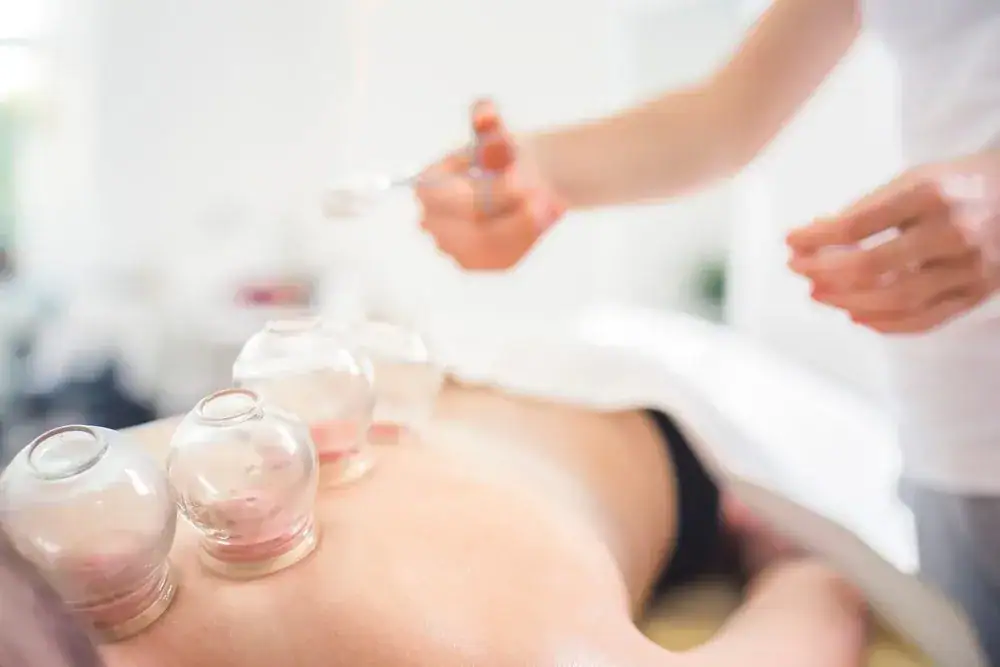
Dry cupping uses suction to pull blood to the surface and release tight tissue. There’s no cutting, no blood, and no open wounds. It’s what most physical therapists use, and it’s what we offer at Medcare.
Wet cupping involves making small incisions in the skin before applying the cups, which draws out a small amount of blood. It’s more common in traditional Chinese medicine settings and requires different training and sterilization protocols.
For pain relief, muscle relaxation, and improved circulation, dry cupping is effective and low-risk. It integrates easily into physical therapy sessions and doesn’t require any recovery time beyond letting the temporary marks fade.
Cupping is typically included as part of your physical therapy session, so the cost depends on your insurance coverage and whether you’ve met your deductible. Most sessions that include cupping range from $30 to $100 out-of-pocket if you’re paying without insurance.
We verify your benefits before you start treatment, so you know what to expect. If your insurance covers physical therapy, cupping is usually covered as part of the treatment plan—not billed separately.
Compared to ongoing medication costs, injections, or more invasive procedures, cupping combined with physical therapy is one of the more affordable options for managing chronic pain. And because it’s part of a plan designed to get you better, not just manage symptoms indefinitely, most people need fewer sessions overall.
You’ll likely see circular marks where the cups were placed. They’re not bruises in the traditional sense—they’re caused by blood being drawn to the surface, which is part of how cupping works. The marks are usually painless and fade within three to seven days.
Some people have darker marks than others depending on how much tension or stagnation is in the tissue. If you bruise easily or are on blood thinners, let us know before your session. We can adjust the suction or choose a different technique.
The marks don’t mean anything went wrong. In fact, many people see them as a sign the treatment is working. But if you’re concerned about appearance for an event or work, just mention it and we can plan accordingly.
Yes. Neck pain and tension headaches often come from the same issue: tight muscles in the neck, shoulders, and upper back that restrict blood flow and put pressure on nerves. Cupping helps release that tension and improve circulation, which can reduce both the frequency and intensity of headaches.
We see this a lot in Stony Brook—people who sit at desks all day, deal with long commutes, or carry stress in their shoulders. Over time, that constant tension turns into chronic pain and regular headaches that don’t respond well to over-the-counter medication.
Cupping works best when combined with exercises that strengthen your neck and upper back, plus adjustments to your posture and workspace setup. Treating the symptom helps, but addressing the cause keeps it from coming back.
Most people feel some improvement after one or two sessions, but lasting results usually take four to six weeks of consistent treatment. It depends on how long you’ve had the pain, what’s causing it, and how well you’re able to follow through with exercises between sessions.
Cupping isn’t a quick fix. It’s part of a process that includes manual therapy, strengthening, and retraining your movement patterns. If you’ve been dealing with chronic pain for years, it’s unrealistic to expect it to disappear in one visit.
We’ll give you a clear timeline during your evaluation based on your specific condition. Some people continue with occasional cupping sessions for maintenance after their pain improves. Others graduate to a home exercise program and don’t need ongoing treatment. The goal is always to get you better and keep you there.
Other Services we provide in Stony Brook