
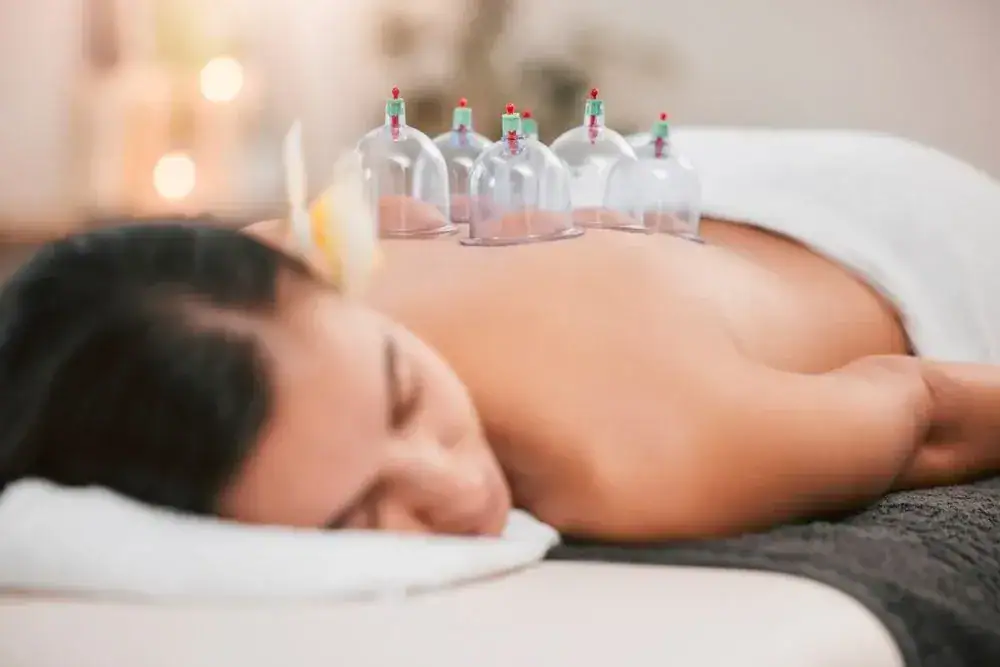

You’re not looking for temporary relief. You want to sleep through the night without waking up stiff. You want to pick up your grandkids without wincing. You want to get through your day without that constant ache in your back or neck reminding you it’s there.
Cupping therapy works by increasing blood flow to tight, painful areas—which means your muscles can finally relax. It’s not magic. It’s circulation, decompression, and targeted treatment that gives your body what it needs to heal.
Most people notice less pain after the first session. Over time, you’ll see better range of motion, less muscle tension, and the kind of relief that actually lasts. That’s what happens when a licensed physical therapist uses cupping as part of a real treatment plan—not as a standalone gimmick.
Medcare Therapy Services has been serving Long Island for over a decade. We’re licensed, insured, and part of the American Physical Therapy Association. We accept Medicare and most commercial insurance, so you’re not paying out of pocket for care you actually need.
What makes us different is simple: we come to you. If getting to a clinic in South Farmingdale or anywhere else on Long Island feels like a hassle—or just isn’t possible right now—we bring the same quality care to your home. Same credentials, same professionalism, zero commute.
We also run Physical Therapy Associates of Smithtown and Speonk Physical Therapy, so we’re not new to this. We know the area, we know the people, and we know what works when it comes to treating chronic pain in older adults and active people alike.
First, your therapist evaluates your pain. Where is it? How long has it been there? What makes it worse? This isn’t a one-size-fits-all situation—your treatment is based on your body and your goals.
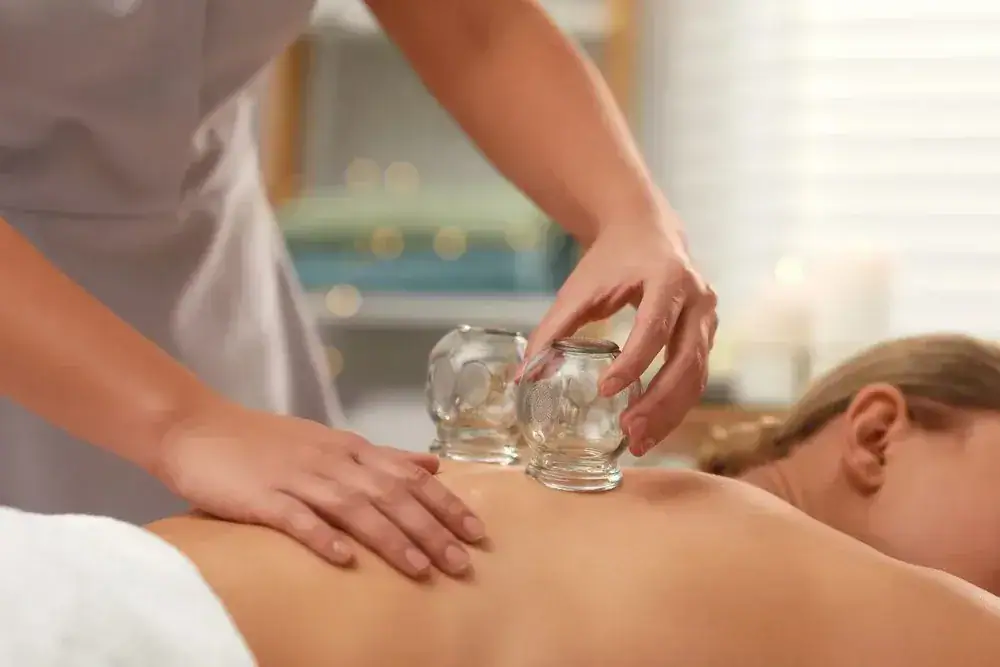
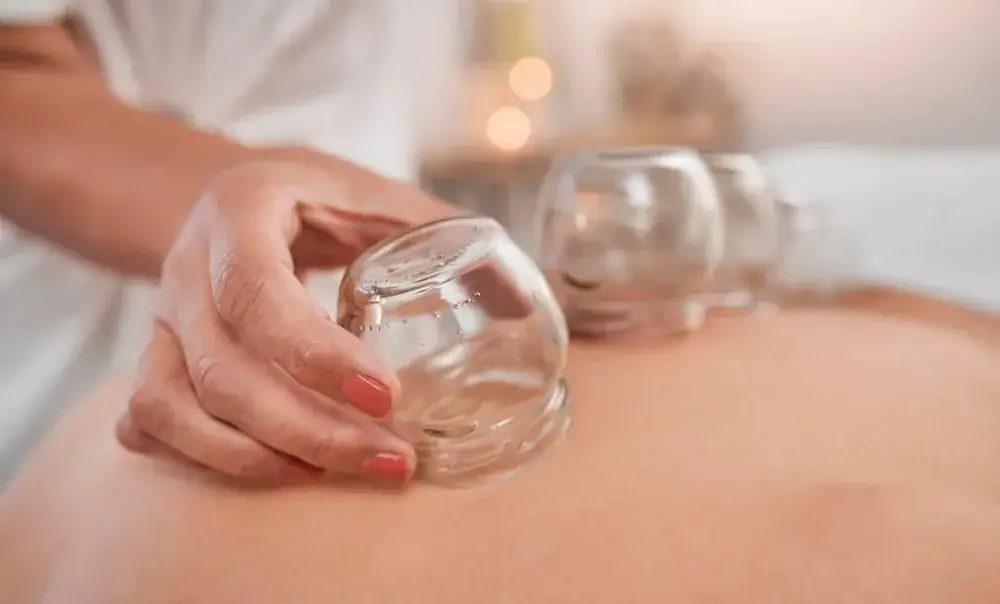
Then comes the cupping. We place specialized cups on your skin over the affected area. The suction pulls blood to the surface, which increases circulation and helps release tight fascia and muscle tissue. It’s called myofascial decompression, and it’s one of the most effective ways to reduce muscle stiffness and improve mobility fast.
You might feel some tightness or warmth during the session, but it shouldn’t hurt. Most sessions last 20 to 30 minutes, depending on what we’re treating. Afterward, you’ll likely see some circular marks on your skin—that’s normal and fades within a few days.
We usually combine dry cupping with other physical therapy techniques like stretching, strengthening exercises, or manual therapy. That’s how you get lasting results, not just short-term relief.
Ready to get started?
Cupping therapy isn’t a standalone service here. It’s part of a full physical therapy plan designed around your specific condition—whether that’s chronic back pain, neck pain, shoulder tightness, arthritis, or recovery from a sports injury.
You’ll work with a licensed physical therapist who understands how to use cupping alongside other proven techniques. That means you’re not just getting suction cups slapped on your back. You’re getting a clinical evaluation, a personalized treatment plan, and someone who adjusts your care based on how your body responds.
For South Farmingdale residents dealing with limited mobility or transportation challenges, this matters even more. We bring everything to your home: the equipment, the expertise, the follow-through. You don’t have to navigate parking, wait in a lobby, or rush to make an appointment across town. You get the same professional care you’d receive in a clinic—just without the hassle.
And because we accept Medicare and most commercial insurance, you’re covered the same way you would be at any other licensed physical therapy provider. No surprise bills. No runaround.
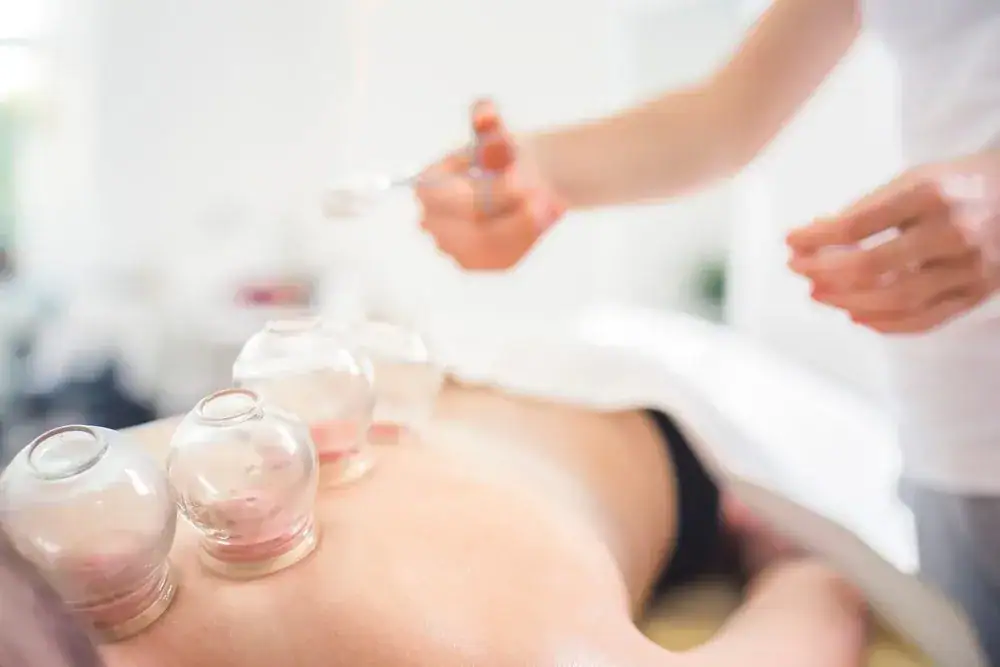
Yes—but it works best when it’s part of a broader treatment plan, not used alone. Research shows that cupping can reduce pain levels and improve blood flow in people dealing with chronic low back pain, neck pain, and knee pain. The suction helps release tight muscles and fascia, which is often what’s causing that deep, stubborn ache.
That said, cupping isn’t a cure-all. If your back pain is related to posture, weak core muscles, or joint dysfunction, you’ll need more than just cupping to fix it. That’s why we combine it with stretching, strengthening, and hands-on therapy. The goal is to address the root cause, not just mask the symptoms.
Most people feel some relief after the first session, but real improvement comes over time with consistent treatment. If you’ve tried other therapies and haven’t gotten results, cupping might be the missing piece—especially if muscle tension is a big part of your pain.
Dry cupping is what most people think of when they hear “cupping therapy.” It uses suction alone—no needles, no heat, no incisions. The cups create negative pressure on your skin, which pulls blood to the area and helps release tight tissue. It’s non-invasive and low-risk.
Wet cupping, on the other hand, involves making small cuts in the skin and using suction to draw out a small amount of blood. That’s not something physical therapists typically do, and it’s not what we offer. Dry cupping is effective on its own for pain relief and muscle relaxation, and it doesn’t come with the same risks or mess.
Some therapists also use fire cupping, where a flame briefly heats the inside of the cup to create suction. We use modern suction cups instead—they’re safer, more controlled, and just as effective. The method matters less than the skill of the person doing it and whether it’s part of a real treatment plan.
If cupping is part of your physical therapy treatment plan, yes—it’s usually covered the same way any other PT service would be. We accept Medicare and nearly all commercial insurance plans, so as long as your policy includes physical therapy benefits, you should be good to go.
The key is that cupping has to be medically necessary and performed by a licensed provider. We’re not a spa. We’re a licensed physical therapy practice, and everything we do is documented and billed through proper healthcare channels. That means your insurance will treat it like any other skilled therapy service.
If you’re unsure about your coverage, call your insurance company and ask if “physical therapy with manual techniques” or “myofascial release” is covered. Those are the terms they’ll recognize. You can also reach out to us, and we’ll verify your benefits before your first session so there are no surprises.
Some people feel better right away. Others need a few sessions before they notice a real difference. It depends on what we’re treating, how long you’ve had the problem, and how your body responds to therapy.
For acute pain—like a pulled muscle or recent injury—you might feel significant relief after one or two sessions. For chronic conditions like arthritis, fibromyalgia, or long-term back pain, it usually takes several weeks of consistent treatment to see lasting improvement. That’s not unique to cupping—it’s just how the body heals.
What matters more than speed is whether the pain actually goes away and stays away. That’s why we don’t just do cupping and send you on your way. We build a plan that includes strengthening, mobility work, and education so you’re not dependent on treatment forever. The goal is to get you better and keep you better.
Cupping is considered low-risk, especially when it’s done by a licensed physical therapist. The most common “side effect” is temporary circular marks on your skin where the cups were placed. They look like bruises, but they’re not painful—they’re just a result of increased blood flow to the area. They usually fade within three to seven days.
Some people feel a little sore or tender after their first session, similar to how you might feel after a deep tissue massage. That’s normal and typically goes away within a day or two. Drinking water and moving gently afterward can help.
Serious side effects are rare. If you have a bleeding disorder, take blood thinners, or have very fragile skin, let your therapist know beforehand. We’ll adjust the treatment or use a different technique if needed. The bottom line: when cupping is done correctly by someone who knows what they’re doing, it’s safe and effective for most people.
Yes. That’s actually one of the main things we do. If you can’t get to a clinic—whether it’s because of mobility issues, transportation challenges, or just a packed schedule—we bring the therapy to you. Same licensed therapists, same equipment, same quality of care.
Home-based physical therapy is especially helpful for older adults, people recovering from surgery, or anyone dealing with chronic pain that makes travel difficult. You don’t have to get dressed up, sit in traffic, or navigate a waiting room. You get one-on-one care in your own space, which often means better focus and faster progress.
We serve South Farmingdale and the surrounding Long Island area. If you’re within our service zone and your insurance covers home health physical therapy, we can usually get you scheduled within a few days. It’s straightforward, professional, and built around your life—not the other way around.
Other Services we provide in South Farmingdale