
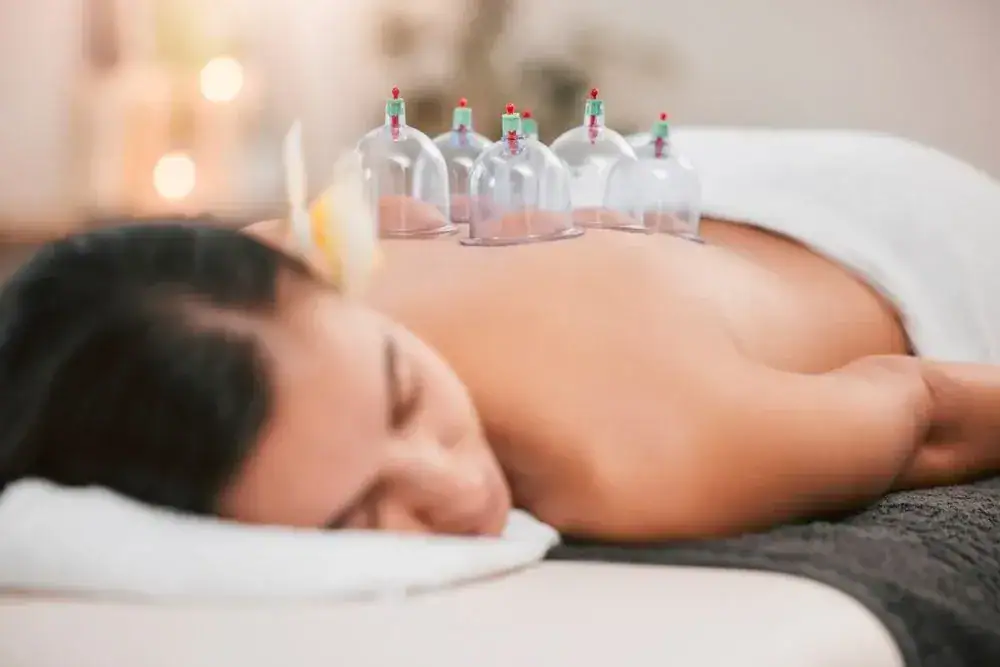
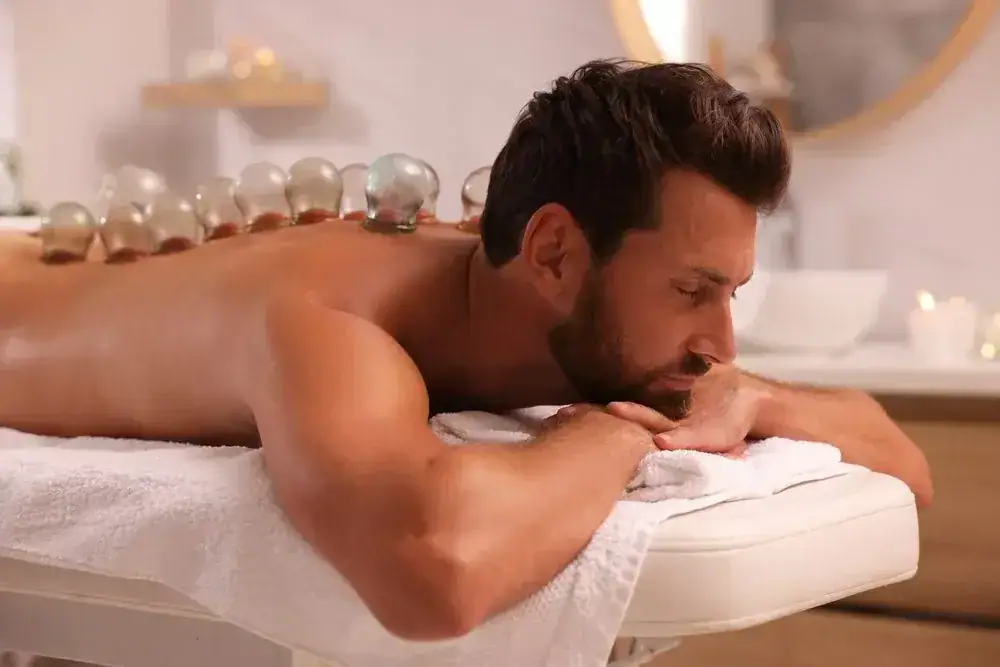
You’re not looking for temporary relief. You want to wake up without that constant ache in your lower back, turn your neck without wincing, or get through your day without reaching for another pill.
Cupping therapy works by increasing blood flow to tight, painful areas. The suction pulls fresh oxygen and nutrients into muscles that have been starved of circulation. Waste products get flushed out. Tension releases. Inflammation drops.
Most people notice looser muscles within the first session. Over several treatments, chronic pain that’s been hanging around for months—or years—starts to fade. You’re not masking symptoms. You’re addressing what’s actually causing the discomfort.
The treatment itself is straightforward. Cups are placed on your skin, creating suction that lifts tissue and draws blood to the surface. It might leave temporary marks, but there’s no cutting, no needles, no recovery time. You can go about your day right after.
We’ve been providing home-based physical therapy across Long Island for over a decade. Our licensed physical therapists bring the same equipment and expertise you’d find in a clinic—directly to your home in Sound Beach.
We accept Medicare and most commercial insurance plans. Every therapist on our team is trained in cupping therapy and myofascial decompression techniques, not just as a standalone treatment, but as part of a complete physical therapy plan.
Sound Beach residents choose us because getting to a clinic isn’t always easy. Traffic on 25A, limited mobility, or a packed schedule shouldn’t keep you from getting relief. We come to you, assess your condition in your own space, and build a treatment plan that fits your life.
Your first session starts with an evaluation. We’ll ask about your pain—where it is, how long you’ve had it, what makes it worse. We’ll check your range of motion and identify which muscles are tight or restricted.
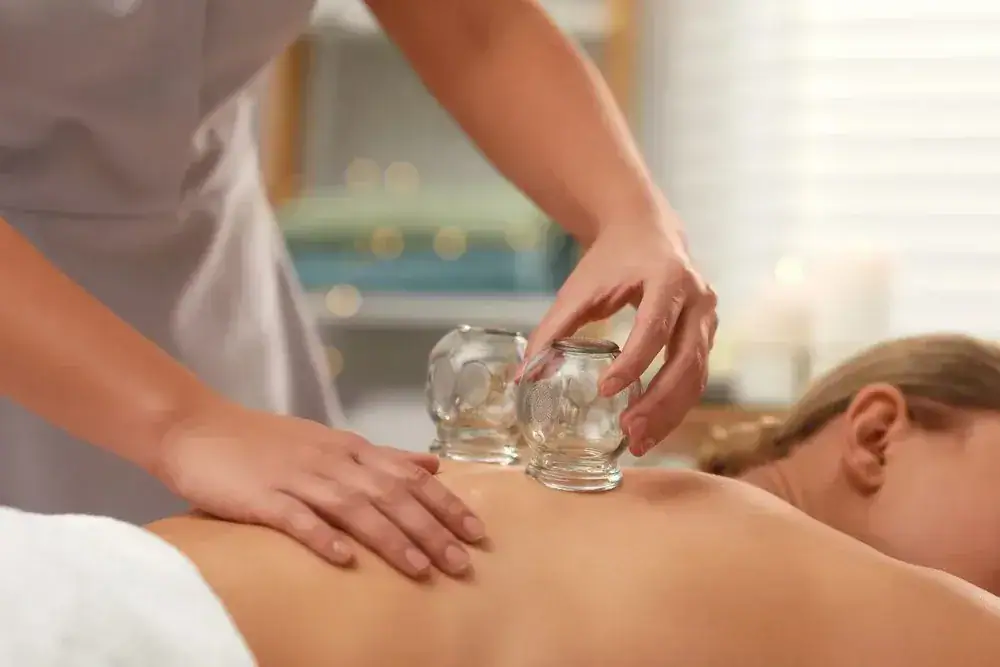
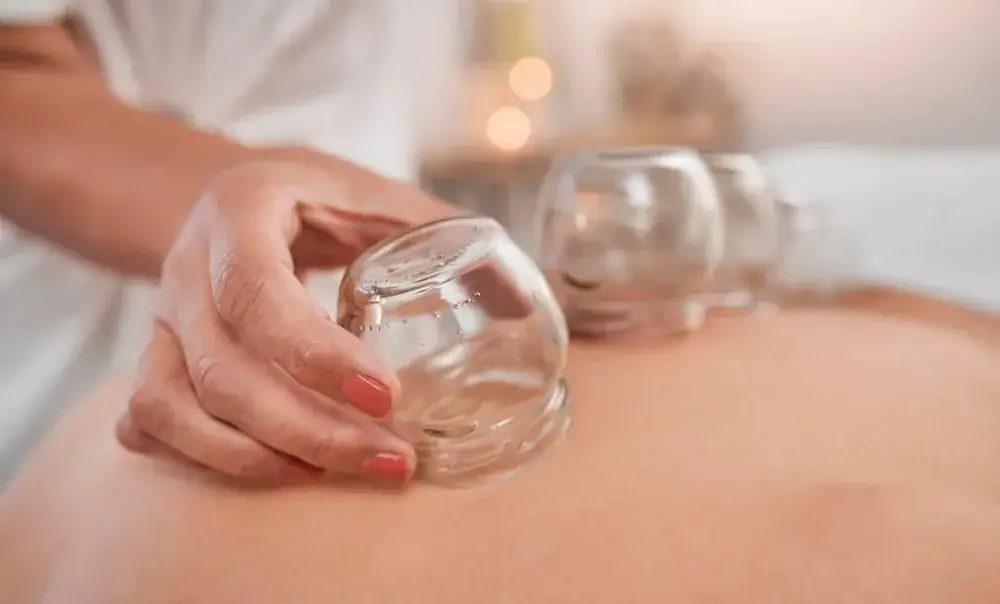
Then we apply the cups. We use silicone or plastic cups that create suction when placed on your skin. The cups stay in place for 5 to 15 minutes, depending on the area and your tolerance. Some people feel a pulling sensation. It’s not painful, just different.
After the cups come off, you’ll likely see circular marks where they were placed. These aren’t bruises—they’re a sign of increased blood flow. They fade within a few days to a week.
We usually combine cupping with other physical therapy techniques. We might follow it with stretching, manual therapy, or strengthening exercises. The goal is to keep the benefits going long after the session ends.
Most patients do best with multiple sessions over several weeks. Pain doesn’t disappear overnight, but you should notice improvement within the first few visits—less stiffness, better movement, reduced reliance on pain medication.
Ready to get started?
Cupping therapy is effective for chronic lower back pain, neck pain, shoulder tightness, and knee pain—conditions common among Sound Beach residents, especially those over 50. If you’ve been dealing with arthritis, tension headaches, or muscle stiffness that limits your daily activities, this treatment can help.
The technique works particularly well for people who haven’t responded to medication alone or want to avoid surgery. It’s also useful for athletes recovering from overuse injuries or anyone dealing with lingering pain after an accident.
Because we bring therapy to your home, you don’t have to worry about driving to Miller Place or Rocky Point for appointments. You get the same professional care without the commute, and we can work around your schedule.
Long Island’s aging population means more people are living with musculoskeletal pain. Cupping offers a non-invasive option that complements traditional physical therapy. It’s been used for thousands of years, and modern research supports its effectiveness for pain management and muscle recovery.
We tailor every treatment plan to your specific condition. Some patients need cupping once a week. Others benefit from twice-weekly sessions combined with at-home exercises. We adjust based on how you respond.
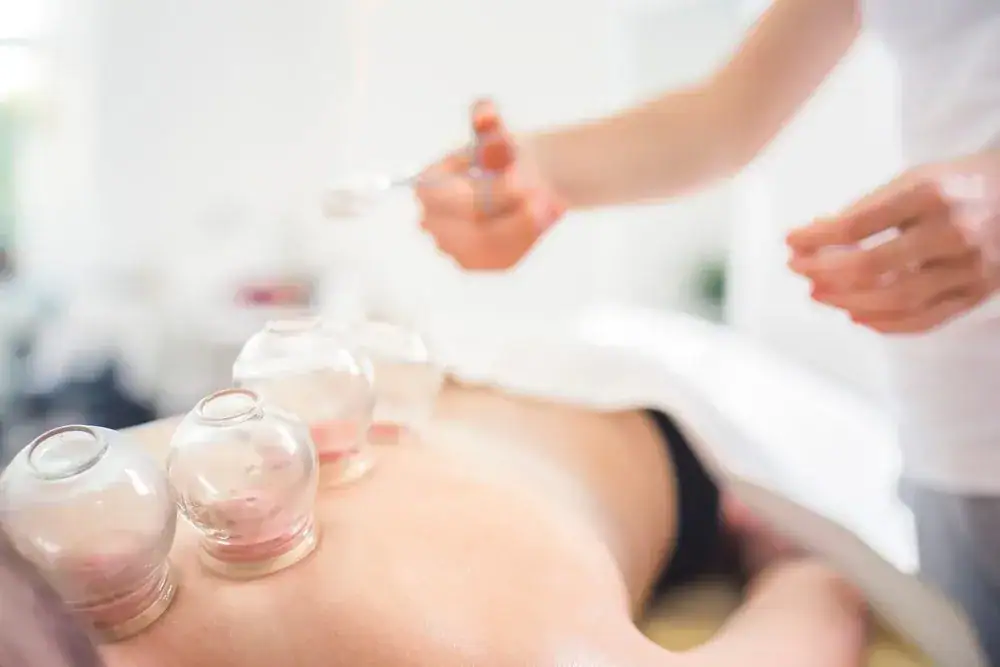
Cupping doesn’t hurt, but it does feel different. You’ll feel a pulling or tugging sensation when the cups create suction on your skin. Most people find it tolerable—some even say it’s relaxing once they get used to it.
The circular marks left behind look dramatic, but they’re not bruises. They’re caused by increased blood flow to the area, which is actually the point of the treatment. The marks are temporary and typically fade within three to seven days.
If you’re concerned about visible marks before an event or vacation, let us know. We can adjust the intensity or placement of the cups. The treatment is still effective even with lighter suction.
Massage uses pressure to push into tight muscles. Cupping does the opposite—it uses suction to lift tissue away from the body. This creates space for blood flow and helps release deeper layers of tension that hands-on pressure might miss.
We often combine cupping with massage and other manual techniques. The suction helps prepare muscles for stretching and strengthens the effects of hands-on therapy. Think of it as another tool in the toolbox, not a replacement for everything else.
Cupping also stimulates your nervous system to release endorphins, your body’s natural painkillers. That’s why many patients feel immediate relief after a session, even before other therapies kick in.
If cupping is part of a physical therapy treatment plan, Medicare and most commercial insurance plans will cover it. We accept Medicare and nearly all major insurers, and we handle the billing directly so you don’t have to deal with paperwork.
Coverage depends on your specific plan and whether your doctor has referred you for physical therapy. We recommend calling your insurance provider to confirm your benefits before starting treatment, and our team can help verify coverage during your initial consultation.
Because we provide therapy in your home, there’s no facility fee. You’re paying for our time and expertise, not overhead costs associated with a clinic. That often makes home-based care more affordable than you’d expect.
Most patients notice some improvement within the first two to three sessions. Chronic pain that’s been around for months or years usually requires more time—often six to eight weeks of consistent treatment.
The exact number depends on your condition, how severe it is, and how your body responds. Someone with acute neck pain from sleeping wrong might only need a few sessions. Someone managing arthritis or long-term back pain will likely need ongoing care.
We reassess your progress regularly and adjust the treatment plan as needed. If you’re not improving within the first few visits, we’ll try a different approach. The goal is measurable results, not endless appointments.
Cupping is generally safe for older adults and is commonly used to treat age-related pain and stiffness. Because it’s non-invasive and doesn’t involve medication, it’s a good option for people who want to avoid adding more prescriptions to their routine.
That said, cupping isn’t appropriate for everyone. If you’re on blood thinners, have a bleeding disorder, or have fragile skin, we’ll need to adjust the treatment or use alternative methods. People with active infections, open wounds, or certain skin conditions should avoid cupping in those areas.
During your initial evaluation, we’ll review your medical history and current medications. Our licensed physical therapists are trained to recognize contraindications and will only proceed if cupping is safe and appropriate for your situation.
Home therapy eliminates the hassle of driving, especially if you’re dealing with pain that makes sitting in a car uncomfortable. For Sound Beach residents, getting to a clinic in Stony Brook or Port Jefferson can mean 20 to 30 minutes each way, plus time in the waiting room.
We bring everything needed for a full physical therapy session to your home. You get the same quality care without the commute, and you can schedule appointments around your day instead of rearranging your life for therapy.
Home-based care also allows us to see how you move in your actual environment. We can assess your daily routines, suggest modifications to your workspace or furniture, and make sure the exercises we prescribe are practical for your space. That level of personalization is harder to achieve in a clinic setting.
Other Services we provide in Sound Beach