
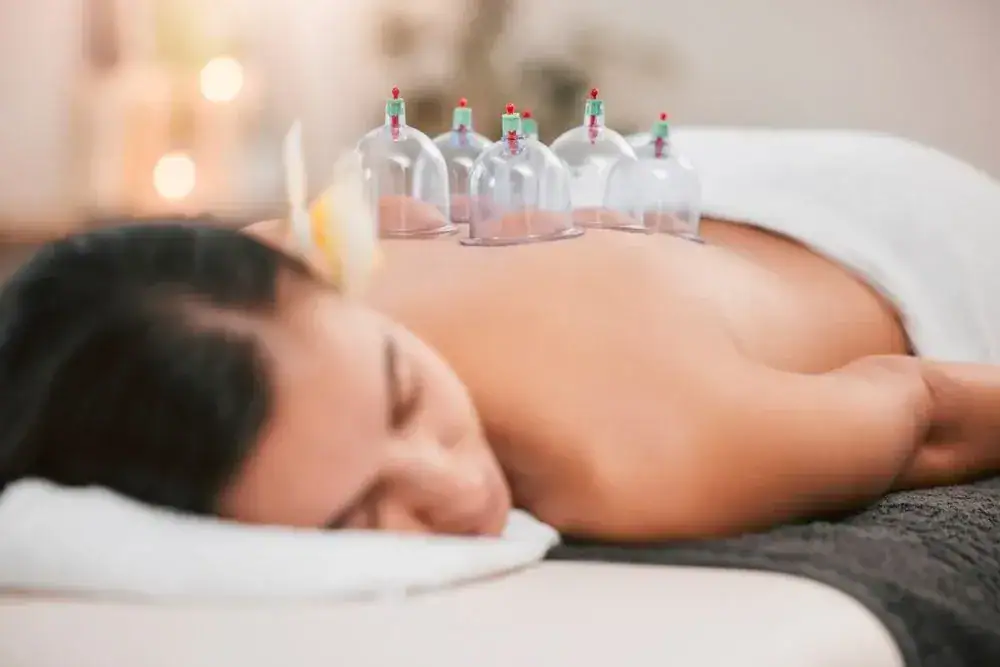

You’re dealing with pain that’s affecting your work, your sleep, your ability to do things you used to do without thinking twice. Maybe it’s your lower back. Maybe it’s your neck or shoulders. You’ve tried over-the-counter meds, heating pads, maybe even a few chiropractic visits that gave you temporary relief but didn’t fix the underlying problem.
Cupping therapy works differently. It increases blood circulation to the exact area that’s causing you trouble, bringing oxygen and nutrients that your body needs to actually heal. Not just mask the pain—heal it.
Most people notice immediate pain reduction after their first session. That’s not a sales pitch—that’s what happens when you direct blood flow to injured or inflamed tissue. The suction from the cups pulls stagnant blood and metabolic waste away from the area while fresh, oxygenated blood rushes in. Your muscles relax. Tension releases. Movement gets easier.
This isn’t about managing pain forever. It’s about getting back to normal—whether that means playing with your kids, returning to your sport, or just getting through your workday without constant discomfort.
We’ve been serving Smithtown and Long Island for over two decades through Physical Therapy Associates of Smithtown and our other locations. We’re not a new clinic trying to jump on a trend—cupping has been part of our treatment approach because it works, and we’ve seen the results in thousands of patients.
You’re not getting rushed through a 15-minute appointment here. Our licensed physical therapists take time to understand what’s actually wrong, not just where it hurts. We accept Medicare and most commercial insurance, and every treatment plan is built around your specific condition and goals.
Smithtown residents deal with the same pain issues as everyone else—chronic lower back pain from desk jobs, sports injuries from weekend warrior activities, neck and shoulder tension from stress and poor posture. We see it every day, and we know how to treat it. Cupping is one tool in a comprehensive approach that might also include manual therapy, targeted exercises, and other evidence-based techniques.
Your first visit starts with an evaluation. We need to know what’s causing your pain, how long you’ve had it, what makes it better or worse, and what you’ve already tried. This isn’t a formality—it determines how we approach your treatment.
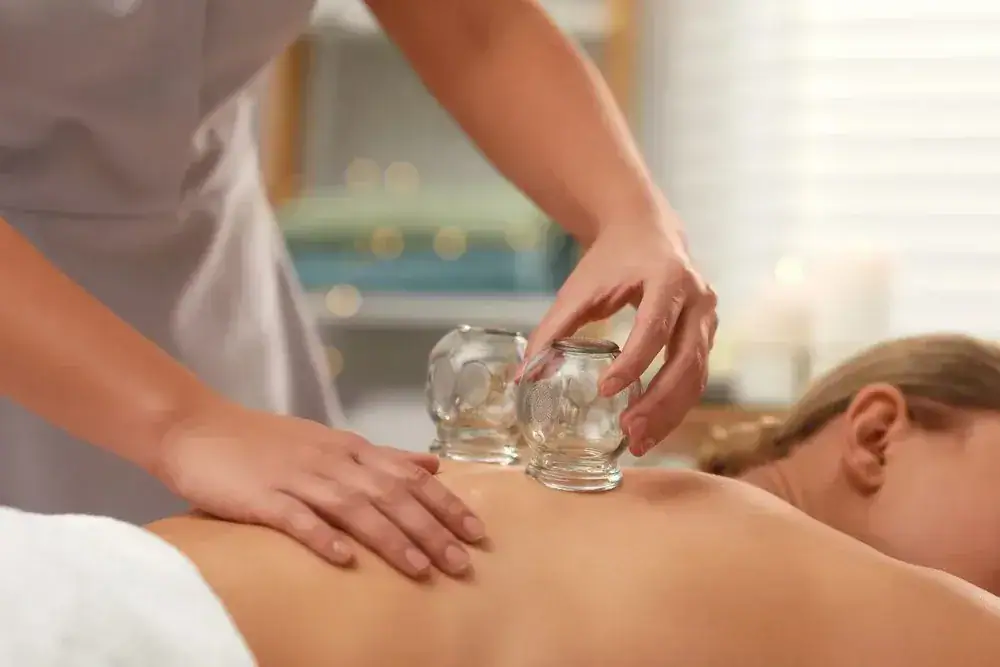
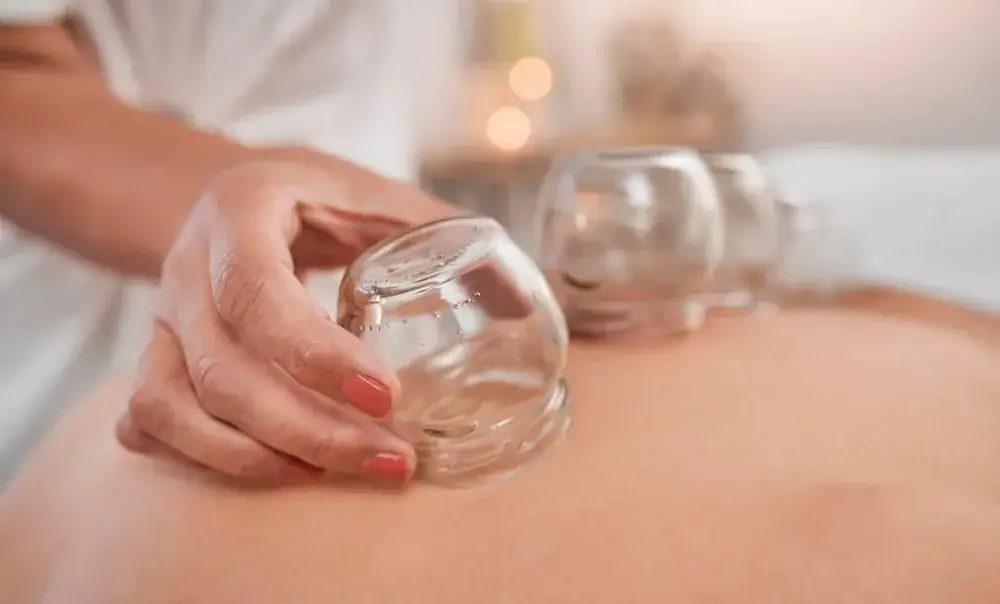
During the cupping session itself, we place specialized cups on your skin over the affected area. We’re typically using dry cupping, which creates suction that pulls your skin and underlying tissue up into the cup. You’ll feel pressure and tightness, but it shouldn’t hurt. Most people find it relaxing once they get used to the sensation.
The cups stay in place for 5 to 15 minutes depending on your condition and tolerance. During that time, blood flow increases to the area. You might see circular marks afterward—those aren’t bruises, they’re a sign that stagnant blood and metabolic waste are being drawn to the surface. They fade within a few days to two weeks.
We often combine cupping with other physical therapy techniques in the same session. The goal isn’t just to do cupping for the sake of doing it—it’s to get you better faster. That might mean following up with stretching, strengthening exercises, or manual therapy to address the root cause of your pain.
Most people need multiple sessions to see lasting results, especially if you’re dealing with chronic pain. We’ll be straight with you about what to expect and how long treatment typically takes for your specific condition.
Ready to get started?
Cupping therapy is particularly effective for musculoskeletal pain—the kind that comes from your muscles, tendons, ligaments, and joints. We use it regularly for chronic lower back pain, neck pain, shoulder tension, and knee pain. If you’re recovering from a sports injury or dealing with muscle strains, cupping can speed up that recovery by improving circulation to damaged tissue.
In Smithtown, we see a lot of patients with desk job-related pain. Hours of sitting creates tight hip flexors, weak glutes, and chronic tension in the neck and upper back. Cupping helps release that tension while we work on the underlying movement patterns and weaknesses that caused it in the first place.
We also treat patients recovering from surgery or managing conditions like osteoarthritis. Cupping won’t cure arthritis, but it can reduce inflammation and improve your range of motion enough to make daily activities more manageable. It’s not a miracle cure—it’s a proven technique that works best when combined with a complete physical therapy program.
The treatment is safe and doesn’t rely on prescription drugs. That matters to a lot of people who are trying to avoid pain medication or who haven’t gotten relief from other conservative treatments. Cupping has been used for thousands of years in Traditional Chinese Medicine, and modern research backs up what practitioners have known all along—it reduces pain and improves function.
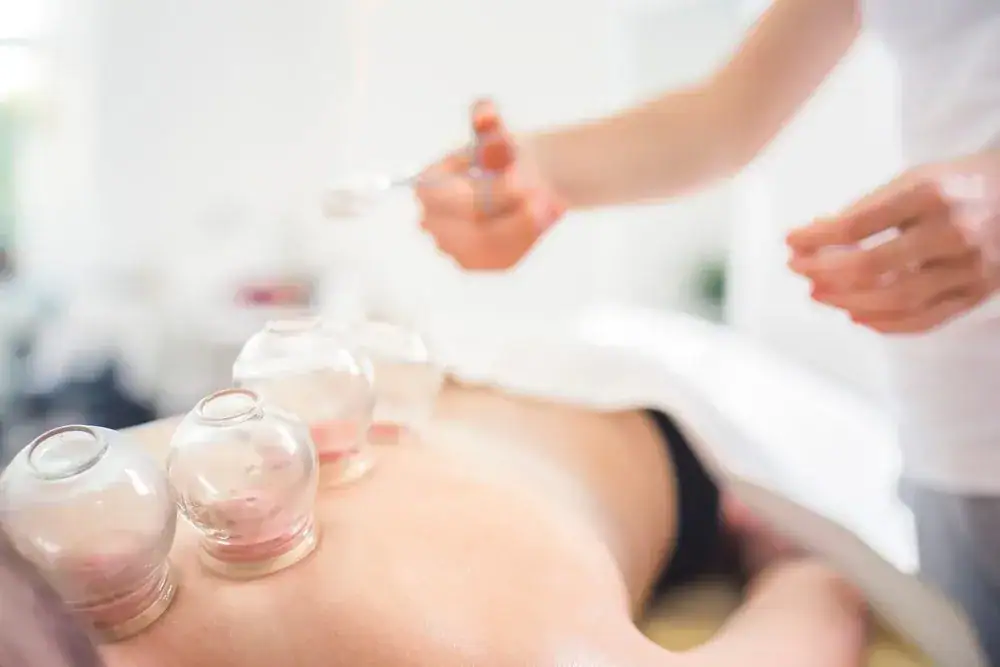
Yes, and there’s research to back it up. Multiple studies show that cupping significantly reduces pain intensity in people with chronic musculoskeletal pain, including lower back pain. The effect isn’t just immediate—it’s sustained over time when used as part of a treatment plan.
Here’s why it works: chronic back pain often involves restricted blood flow, muscle tension, and inflammation in the affected area. Cupping addresses all three. The suction increases local blood circulation, which brings oxygen and nutrients necessary for tissue repair. It also helps release trigger points and tight muscles that contribute to ongoing pain.
That said, cupping works best when it’s not the only thing you’re doing. If your back pain is caused by weak core muscles, poor posture, or movement patterns that keep stressing the same area, you need to address those issues too. We use cupping to reduce your pain quickly so you can tolerate the exercises and movements that will actually fix the problem long-term.
You’ll likely have circular marks where the cups were placed, but they’re not technically bruises. Bruises happen when blood vessels break due to trauma. Cupping marks appear because the suction draws stagnant blood and cellular waste to the surface of your skin.
The marks can range from light pink to dark purple depending on how much stagnation was in that area. More stagnation usually means darker marks. They typically fade within three days to two weeks. Some people get very light marks that disappear quickly, while others have more visible discoloration that takes longer to clear.
If you have an event coming up where you’ll be wearing something that shows your back, neck, or shoulders, let us know before treatment. We can adjust the intensity or placement of the cups. The marks don’t hurt—most people forget they’re there after the first day. They’re just visible, which can be a concern if you’re not expecting them.
Most people notice some pain reduction after the first session. That immediate relief happens because cupping increases blood flow and releases muscle tension right away. But one session rarely solves chronic pain that’s been building for months or years.
For acute issues like a recent muscle strain or sports injury, you might only need three to five sessions combined with other physical therapy. For chronic conditions like ongoing lower back pain or neck tension, expect more like eight to twelve sessions over several weeks. We’re not trying to keep you coming forever—we’re trying to get you to a point where you don’t need us anymore.
The frequency depends on your condition and how your body responds. We might start with twice a week, then spread it out as you improve. Some people come back for occasional maintenance sessions after their main treatment is done, especially if they’re managing a chronic condition. We’ll give you a realistic timeline based on what we see during your evaluation.
It depends on your specific plan, but cupping is often covered when it’s part of a physical therapy treatment plan. We accept Medicare and nearly all commercial insurance plans at Medcare Therapy Services. The key is that cupping needs to be medically necessary and performed by a licensed physical therapist as part of your overall care.
Insurance typically won’t cover cupping if you just want to try it for general wellness or relaxation. But if you have a documented condition like chronic pain, a sports injury, or you’re recovering from surgery, there’s a good chance your plan will cover it as part of your physical therapy benefits.
We verify your coverage before you start treatment so you know what to expect. Some plans require a copay for each visit, others have a deductible you need to meet first. We’ll walk you through what your specific plan covers and what your out-of-pocket cost will be. If you have questions about coverage, call us before your first appointment and we’ll check with your insurance company.
Massage uses pressure to push down into your muscles and soft tissue. Cupping does the opposite—it uses suction to pull tissue up and away from the body. Both can reduce pain and tension, but they work through different mechanisms and feel completely different.
Massage is great for general muscle relaxation and working out knots through manual manipulation. Cupping is more targeted for increasing blood flow to specific problem areas and releasing deep fascial restrictions that massage can’t always reach. The suction from cupping can access tissue layers that are difficult to affect with hands alone.
We often use both in the same treatment session at Medcare. Cupping to increase circulation and release deep tension, followed by hands-on work to address specific trigger points and movement restrictions. They complement each other. If you’ve had massage before and it helped but didn’t fully solve your pain, cupping might be the missing piece. It’s not better or worse—it’s different, and sometimes different is exactly what your body needs.
No, it shouldn’t hurt. You’ll feel pressure and tightness as the cups create suction on your skin, and the sensation can feel strange if you’ve never experienced it before. Some people describe it as a pulling or tugging feeling. Most find it relaxing once they get used to it.
If the suction is too strong or uncomfortable, tell your therapist immediately. We can adjust the intensity. The goal is therapeutic benefit, not to see how much suction you can tolerate. Stronger isn’t always better—we’re looking for the right amount of pressure to increase blood flow without causing unnecessary discomfort.
The area might feel tender after treatment, similar to how your muscles feel after a deep massage or a hard workout. That tenderness usually goes away within a day or two. If you experience actual pain during or after cupping, that’s not normal and you should let us know. Cupping should make you feel better, not worse.
Other Services we provide in Smithtown