
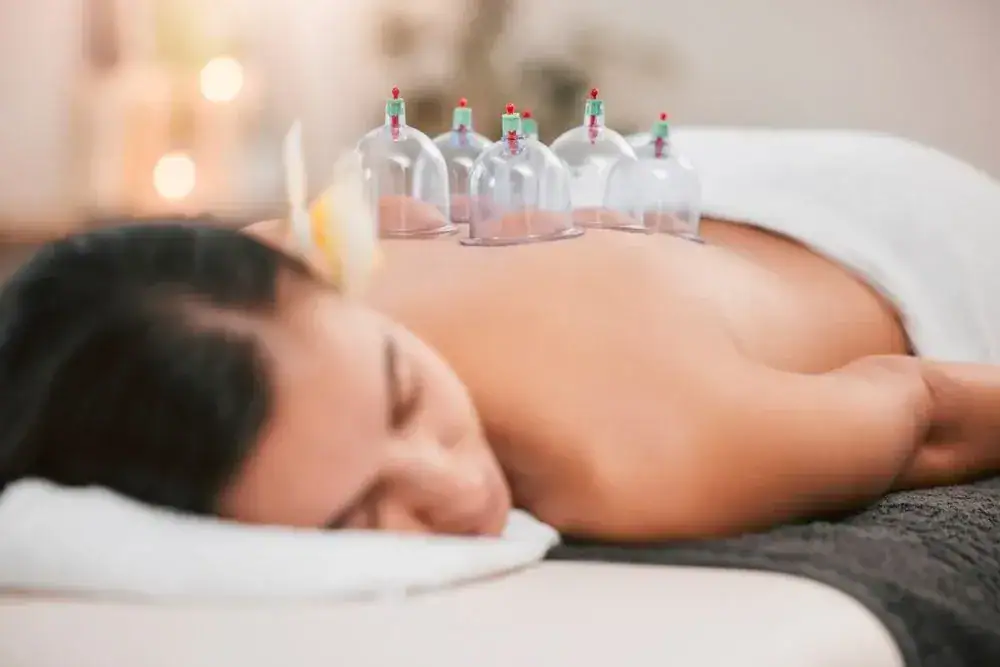

Imagine waking up without that familiar ache in your lower back. Or turning your neck freely without wincing. That’s what happens when blood flow increases to the areas that need it most, when tight fascia finally releases, and when your muscles stop fighting you.
Cupping therapy uses controlled suction to pull circulation into damaged or overworked tissue. Your body responds by sending fresh blood, oxygen, and nutrients to those exact spots. The result isn’t just temporary relief—it’s your system actually healing itself, faster than it could on its own.
Most people feel a difference after the first session. Some report immediate improvements in range of motion. Others notice the constant tension they’ve carried for months just isn’t there anymore. It’s not magic—it’s your body getting what it needs to recover, delivered exactly where the problem lives.
Medcare Therapy Services has served Long Island communities for years through multiple locations, including our affiliated centers in Smithtown and Speonk. We’re not new to this, and we’re not experimenting with trendy treatments that disappear in six months.
Our team includes licensed physical therapists who integrate cupping therapy into comprehensive treatment plans. That means you’re not just getting cups placed on your back—you’re getting a full evaluation, a personalized approach, and follow-through that actually leads somewhere.
Shoreham residents come to us because we take the time to understand what’s not working, explain what we’re doing and why, and adjust as you progress. Your treatment plan isn’t a photocopy of someone else’s. It’s built around your pain, your goals, and your schedule.
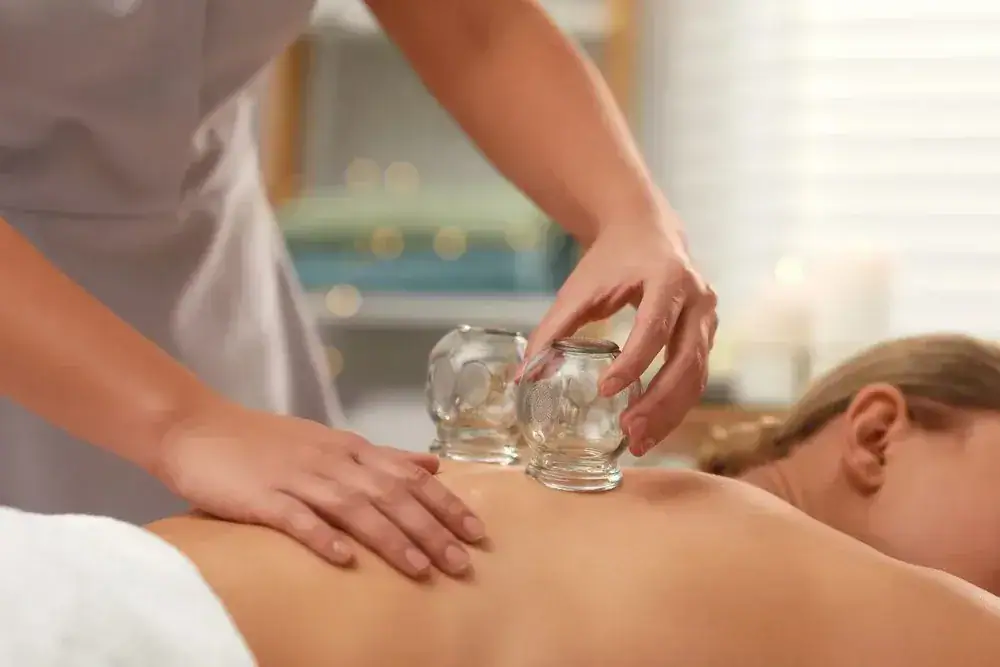
First, we talk. You’ll meet with a licensed therapist who asks about your pain—where it is, how long you’ve had it, what makes it worse, and what you’ve already tried. This isn’t a formality. It’s how we figure out if cupping therapy is the right move for you, or if you need something else entirely.
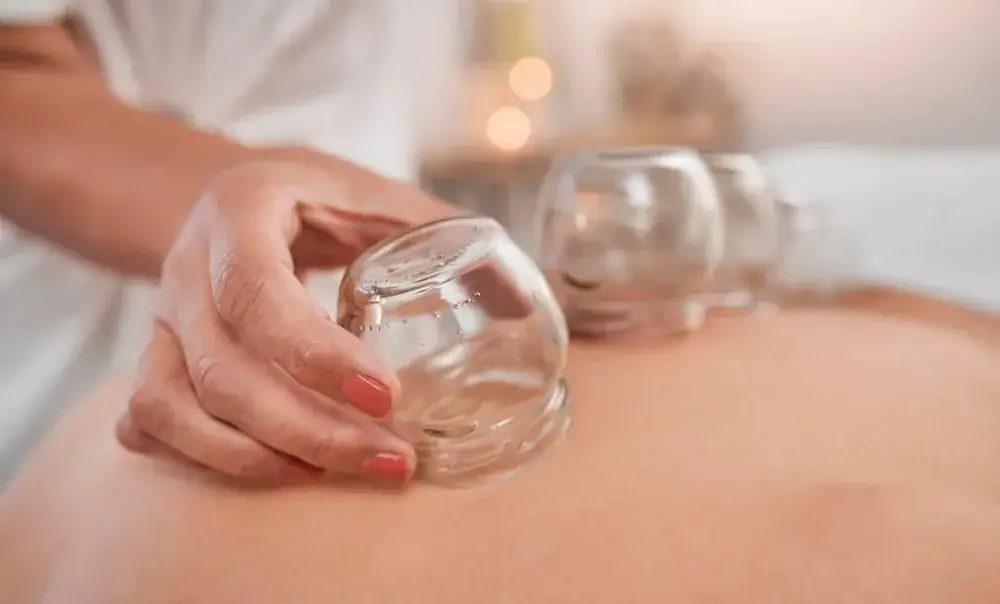
If cupping makes sense, we’ll start with dry cupping. Small cups are placed on your skin, creating suction that draws blood flow to the surface. You’ll feel a pulling sensation, but it shouldn’t hurt. Most people find it oddly relaxing. The cups stay in place for several minutes, sometimes longer depending on the area and your response.
After we remove the cups, you might see circular marks on your skin. That’s normal—it’s not a bruise, it’s increased circulation doing its job. Those marks fade within a few days. What lasts longer is the relief. Many patients notice looser muscles, less pain, and better movement right away. Others feel the full effect over the next day or two as inflammation decreases and blood flow continues working in those areas.
Ready to get started?
Cupping therapy at Medcare isn’t a standalone gimmick. It’s part of a broader physical therapy approach that might also include manual therapy, targeted exercises, or other modalities depending on what your body needs. We use dry cupping specifically because it’s non-invasive, effective for chronic pain, and works well alongside other treatments.
If you’re dealing with lower back pain, neck stiffness, knee discomfort, or muscle tightness from overuse or injury, this treatment has strong evidence behind it. Research shows cupping therapy reduces pain intensity in people with chronic musculoskeletal issues—and the effects can be immediate.
Shoreham is home to active adults, aging baby boomers managing arthritis, and people who’ve simply run out of patience with pain that won’t quit. You’re not looking for temporary relief that wears off by dinner. You want something that actually moves the needle. That’s where cupping therapy fits—it’s a tool that helps your body do what it’s been trying to do all along: heal itself, reduce inflammation, and get back to normal.
Yes, and the research backs it up. Multiple studies show that cupping therapy significantly reduces pain intensity in people dealing with chronic musculoskeletal pain, including lower back pain that hasn’t responded well to other treatments.
Here’s why it works: the suction increases blood flow to areas that are tight, inflamed, or starved of circulation. Your body sends fresh oxygen and nutrients to those tissues, which helps reduce inflammation and speeds up recovery. For a lot of people with chronic back pain, poor circulation and built-up tension are major contributors to the problem. Cupping addresses both.
You’re not going to fix years of back pain in one session, but many patients report noticeable improvement after their first treatment—better range of motion, less stiffness, and a reduction in that constant ache. Combined with physical therapy exercises and other treatments, cupping therapy can be a game-changer for long-term relief.
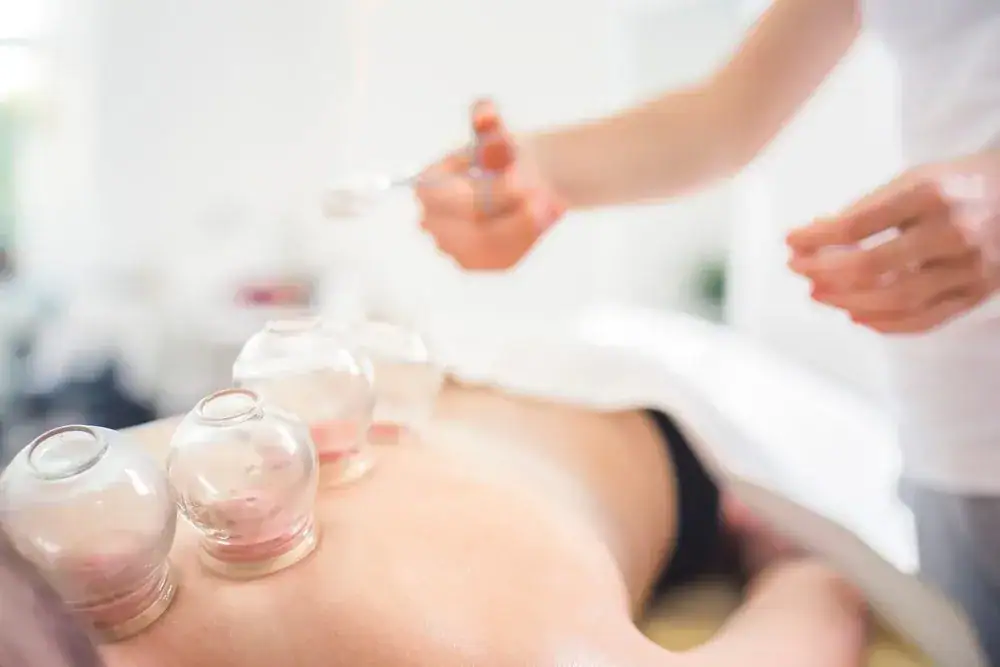
Dry cupping uses suction alone. Cups are placed on your skin, creating negative pressure that pulls blood flow to the surface. There’s no puncturing of the skin, no blood drawn—just controlled suction that stays in place for several minutes. It’s non-invasive, and most people find it comfortable, even relaxing.
Wet cupping involves making small incisions in the skin before applying the cups, which draws out a small amount of blood. The idea is to remove toxins or stagnant blood, but it’s more invasive and not commonly used in physical therapy settings.
At Medcare, we use dry cupping because it’s effective, safe, and works well alongside other physical therapy treatments. You get the benefits—increased circulation, muscle relaxation, pain relief—without any cutting or bleeding. For most patients dealing with muscle pain, joint stiffness, or chronic tension, dry cupping is more than enough to get real results.
You’ll likely see circular marks where the cups were placed, but they’re not bruises in the traditional sense. Bruises happen when blood vessels break and leak under the skin. Cupping marks are caused by increased blood flow and the release of stagnant fluids in the tissue. They look like dark circles, but they don’t hurt like bruises do.
These marks usually fade within three to seven days, depending on how much suction was used and how your body responds. Some people’s marks disappear faster, others take a bit longer. It’s not a sign of damage—it’s actually a sign that the treatment is working and circulation has increased in that area.
If you’re worried about how they look, plan accordingly. Don’t schedule cupping therapy the day before a beach trip or an event where you’ll be in a bathing suit or sleeveless shirt. But also know that these marks are temporary and harmless. They’re just part of the process.
It depends on what you’re treating and how long you’ve been dealing with it. Acute pain from a recent injury might respond quickly—sometimes in just one or two sessions. Chronic pain that’s been building for months or years usually takes longer to resolve.
Most patients start with a series of sessions over a few weeks. Your therapist will evaluate how you’re responding after each treatment and adjust the plan as needed. If you’re seeing steady improvement, we’ll keep going. If something’s not working, we’ll change the approach or add other treatments to the mix.
The goal isn’t to keep you coming in forever. It’s to get you to a point where the pain is manageable or gone, and you have the tools to maintain that progress on your own. Some people continue occasional cupping sessions as part of ongoing maintenance, especially if they’re active or dealing with a chronic condition. Others finish their treatment plan and move on. It’s about what your body needs, not a one-size-fits-all schedule.
Absolutely. Athletes use cupping therapy to speed up recovery after intense training, reduce muscle soreness, and improve flexibility. If you’ve pulled a muscle, strained a tendon, or you’re just dealing with tightness from overuse, cupping can help by increasing circulation to the affected area and loosening up fascia that’s restricting movement.
After a tough workout or competition, your muscles are flooded with metabolic waste and micro-damage that needs to heal. Cupping therapy helps your body clear that out faster by boosting blood flow and lymphatic drainage. That means less soreness, quicker recovery, and better performance next time.
It’s not just for elite athletes, either. If you’re a weekend warrior, a runner dealing with IT band pain, or someone who overdid it at the gym, cupping therapy can get you back to normal faster than rest alone. Combined with stretching, strengthening exercises, and smart training adjustments, it’s a solid tool for anyone who wants to stay active without constantly battling injuries.
It depends on your plan and how the treatment is billed. When cupping therapy is part of a physical therapy treatment plan—which is how we use it at Medcare—it’s often covered under your physical therapy benefits. Insurance companies typically don’t reimburse for cupping as a standalone service, but they will cover it when it’s integrated into a medically necessary treatment plan for pain or injury.
Your best move is to call your insurance provider and ask specifically about coverage for physical therapy services that include cupping or manual therapy techniques. Have your policy number ready and ask about copays, deductibles, and how many sessions are covered per year.
We can also help. Our team is familiar with insurance requirements and can provide the documentation your insurer needs to process claims. If your plan doesn’t cover cupping therapy, we’ll let you know upfront what your out-of-pocket cost will be. No surprises, no hidden fees—just clear information so you can make the right decision for your health and your budget.
Other Services we provide in Shoreham