
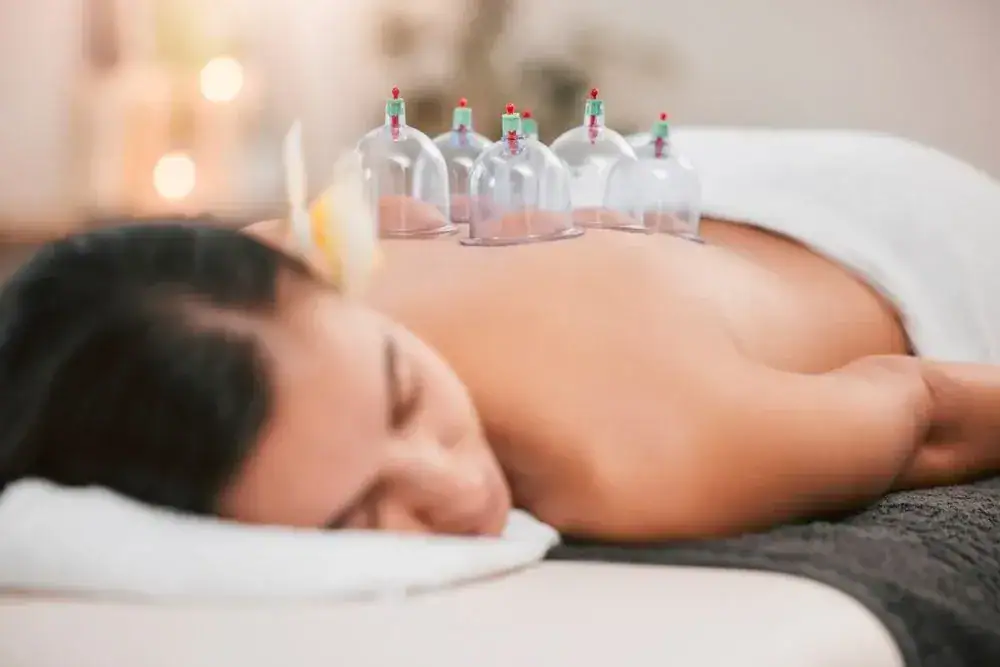

You stop planning your day around what hurts. That’s what happens when cupping therapy starts working—the stiffness in your lower back eases up, your shoulder stops locking when you reach overhead, and you’re not constantly adjusting how you sit or stand.
Dry cupping uses controlled suction to pull blood flow into tight, painful areas. That increased circulation helps muscles relax, reduces inflammation, and speeds up your body’s natural healing process. You’re not masking symptoms—you’re addressing what’s causing them.
Most people feel some relief after the first session. But the real benefit shows up over time: better range of motion, less reliance on pain meds, and the ability to get back to activities you’ve been avoiding. Whether it’s chronic neck pain, knee discomfort, or muscle tension from old injuries, cupping therapy gives your body the support it needs to recover the right way.
This isn’t a standalone fix. It works best when combined with physical therapy exercises that rebuild strength and mobility. That’s how you go from temporary relief to lasting improvement.
We’ve been helping Long Island residents recover from pain and injury for over a decade. We’re not new to this, and we’re not experimenting with trends. Cupping therapy is one tool in a full physical therapy approach that’s grounded in clinical research and real-world results.
You’ll work with licensed professionals who know how to assess your condition, explain what’s happening, and build a treatment plan that fits your schedule and goals. We accept Medicare and most commercial insurance, so you’re not stuck paying out of pocket for care that should be accessible.
Shirley residents deal with the same issues we see across Suffolk County—chronic lower back pain, sports injuries, post-surgical recovery, and age-related joint problems. Our team understands the local demand for non-invasive treatment options, especially as more people look for alternatives to long-term medication use. That’s why we’ve integrated myofascial decompression and cupping into our standard physical therapy services.
Your first visit starts with an evaluation. We’ll ask about your pain—where it is, how long you’ve had it, what makes it better or worse. Then we assess your movement, check your range of motion, and figure out whether cupping therapy makes sense for your situation.
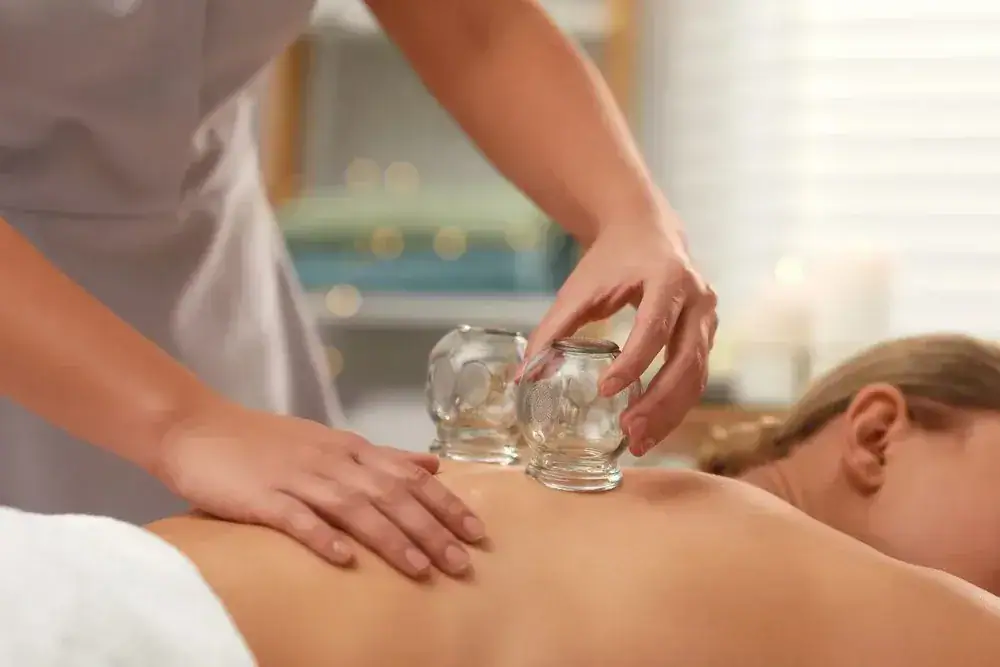
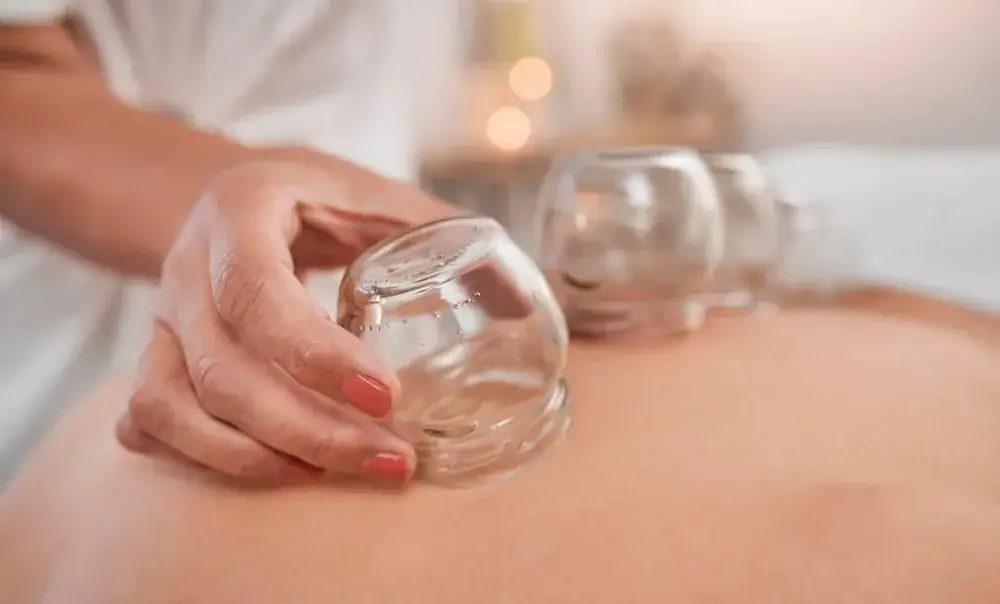
If it does, here’s what the actual treatment looks like. We place cups on the affected area and create suction, either manually or with a pump. The suction pulls your skin and underlying tissue upward, which increases blood flow and loosens tight fascia. You’ll feel pressure, maybe a pulling sensation, but it shouldn’t hurt. Most people describe it as tight but relieving—not painful.
We might leave the cups in place for a few minutes, or we might move them across your skin while the suction is active. That’s called myofascial decompression, and it’s especially helpful for breaking up scar tissue or releasing deep muscle tension. The cups will leave circular marks that fade within a few days. Those marks aren’t bruises—they’re a sign of increased circulation doing its job.
After the session, we’ll guide you through exercises that reinforce the benefits. Cupping helps create the space and blood flow your muscles need to heal, but movement is what locks in those gains. That’s why it’s part of a broader physical therapy plan, not a quick fix on its own.
Ready to get started?
Cupping therapy at Medcare isn’t a standalone spa treatment. It’s integrated into your physical therapy plan, which means you’re getting a full assessment, hands-on care, and a roadmap for long-term recovery—not just 20 minutes on a table.
Here’s what that looks like in practice. You’ll receive a personalized evaluation that identifies the root cause of your pain, not just the symptoms. From there, we build a treatment plan that might include dry cupping, manual therapy, targeted exercises, and education on how to prevent re-injury. You’re not guessing what works—you’re following a plan backed by clinical evidence.
Shirley residents dealing with chronic conditions like osteoarthritis, rotator cuff issues, or recurring lower back pain benefit most from this approach. According to recent data, Suffolk County has a higher-than-average population of adults over 50, many of whom are managing musculoskeletal pain without wanting to rely on prescriptions. Cupping therapy offers a proven alternative that’s safe, non-invasive, and covered by most insurance plans.
You’ll also get the benefit of working with a team that’s been doing this for years. We’ve treated athletes recovering from sports injuries, older adults managing joint pain, and everyone in between. The goal is always the same: help you move better, feel better, and stay active without depending on medication.
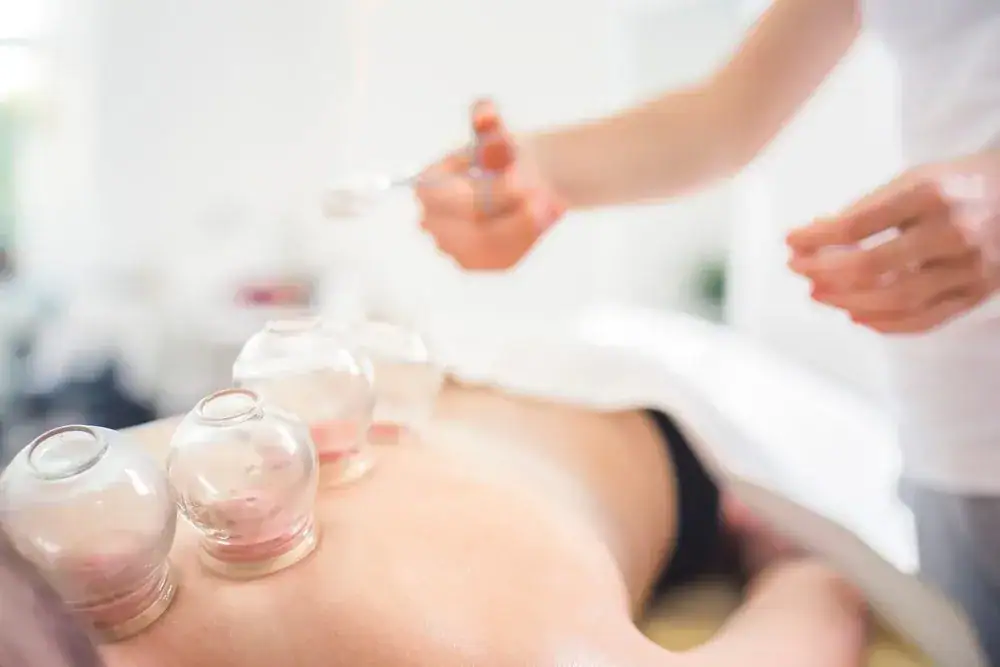
Cupping therapy provides both immediate and long-term benefits when used correctly. Research shows moderate-quality evidence supporting its effectiveness for chronic pain conditions, including lower back pain, neck pain, and knee osteoarthritis. That means it’s not just anecdotal—it’s clinically backed.
Here’s the difference between temporary and lasting relief: if you only do cupping without addressing the underlying movement patterns or muscle imbalances, you’ll feel better for a few days and then the pain comes back. But when cupping is combined with physical therapy exercises that rebuild strength and mobility, the results stick. The suction increases blood flow and releases muscle tension, which gives your body the environment it needs to heal. The exercises reinforce that healing by teaching your muscles to move properly again.
Most people notice some improvement after one session—less stiffness, better range of motion, reduced pain when moving. But the real progress happens over several weeks as your body adapts and strengthens. That’s why we don’t sell cupping as a magic bullet. It’s one effective tool in a complete treatment plan.
Cupping therapy works best for conditions involving muscle tightness, restricted fascia, and localized pain. That includes chronic lower back pain, neck and shoulder tension, knee pain from osteoarthritis, and sports-related muscle strains. It’s also effective for improving mobility after surgery or injury when scar tissue limits your range of motion.
The treatment is especially helpful if you’ve been dealing with pain that doesn’t fully respond to rest or medication alone. Cupping addresses the mechanical restrictions—tight fascia, poor blood flow, adhesions—that keep muscles from functioning properly. When those restrictions ease up, your body can move the way it’s supposed to, and pain decreases as a result.
That said, cupping isn’t appropriate for every condition. If you have a blood clotting disorder, active infection, or certain skin conditions, we’ll recommend a different approach. That’s why the initial evaluation matters. We assess your specific situation and determine whether cupping therapy makes sense as part of your treatment plan, or if another method would be more effective.
Most people feel some relief after the first session, but meaningful, lasting improvement usually takes four to six sessions spread over a few weeks. That timeline depends on how long you’ve had the problem, how severe it is, and whether you’re doing the exercises we assign between visits.
Acute issues—like a recent muscle strain or post-workout soreness—often respond faster. You might only need two or three sessions before you’re back to normal. Chronic conditions, like ongoing lower back pain or long-term joint stiffness, take longer because your body has adapted to moving in compensatory ways. Cupping helps reset those patterns, but it takes time and repetition to make the changes stick.
Here’s what affects your timeline: consistency matters. If you’re coming in once a week and doing your home exercises, you’ll progress faster than if you skip sessions or ignore the movement work. Also, combining cupping with other physical therapy techniques—manual therapy, strengthening exercises, stretching—speeds up recovery. We’ll give you a realistic estimate after your first visit based on what we find during the evaluation.
Cupping therapy is typically covered by insurance when it’s part of a physical therapy treatment plan, which is how we provide it at Medcare. We accept Medicare and nearly all commercial insurance plans, so most patients pay whatever their normal physical therapy copay or coinsurance amount is—not an additional fee for cupping.
The key difference is that we’re offering cupping as a clinical treatment within a licensed physical therapy practice, not as a standalone wellness service. That means it’s billed under your physical therapy benefits, and insurance companies recognize it as a legitimate therapeutic intervention. You won’t be paying spa prices or out-of-network rates.
Before your first visit, we recommend calling your insurance provider to confirm your physical therapy benefits—specifically, how many visits are covered per year and what your out-of-pocket cost is per session. Our team can also verify your coverage and walk you through what to expect. The goal is no surprises. You should know what you’re paying before you start treatment, and we make that process as straightforward as possible.
Yes, cupping leaves circular marks where the cups were placed, and they usually fade within three to seven days. These marks look like bruises, but they’re not the same thing. Bruises happen when blood vessels break due to impact. Cupping marks are caused by increased blood flow to the surface of your skin, which is actually part of the therapeutic effect.
The color and intensity of the marks vary depending on how much tension or stagnation is in that area. Darker marks usually show up where there’s more muscle tightness or restricted circulation. As your body responds to treatment and blood flow improves, the marks tend to get lighter with each session. Some people barely mark at all, while others see more pronounced discoloration—it’s individual.
If the marks bother you or you have an event coming up where you’d prefer not to have visible circles on your skin, let us know. We can adjust the intensity of the suction or focus on areas that won’t be visible. But for most people, the marks aren’t painful and they’re a fair trade for the relief cupping provides. They’re temporary, and they’re a sign that the treatment is working.
Yes, and in most cases, combining cupping with other treatments makes both more effective. Cupping works well alongside physical therapy exercises, manual therapy, massage, chiropractic care, and even acupuncture. The key is coordination—making sure everyone involved in your care knows what’s happening so treatments complement each other instead of working against each other.
If you’re already seeing another provider, bring that up during your evaluation. We’ll ask what treatments you’re receiving, how often, and what results you’re seeing. That helps us design a cupping therapy plan that fits into your overall recovery strategy. For example, if you’re doing strength training with a personal trainer, we’ll time your cupping sessions so they support your workouts rather than interfere with them.
The one thing to watch for is overtreatment. If you’re getting multiple types of bodywork in the same week—massage, cupping, chiropractic adjustments—your body might not have enough time to respond and adapt. We’ll help you figure out the right frequency and combination based on your condition and goals. The point is to recover faster, not to pile on treatments just because they’re available.
Other Services we provide in Shirley