
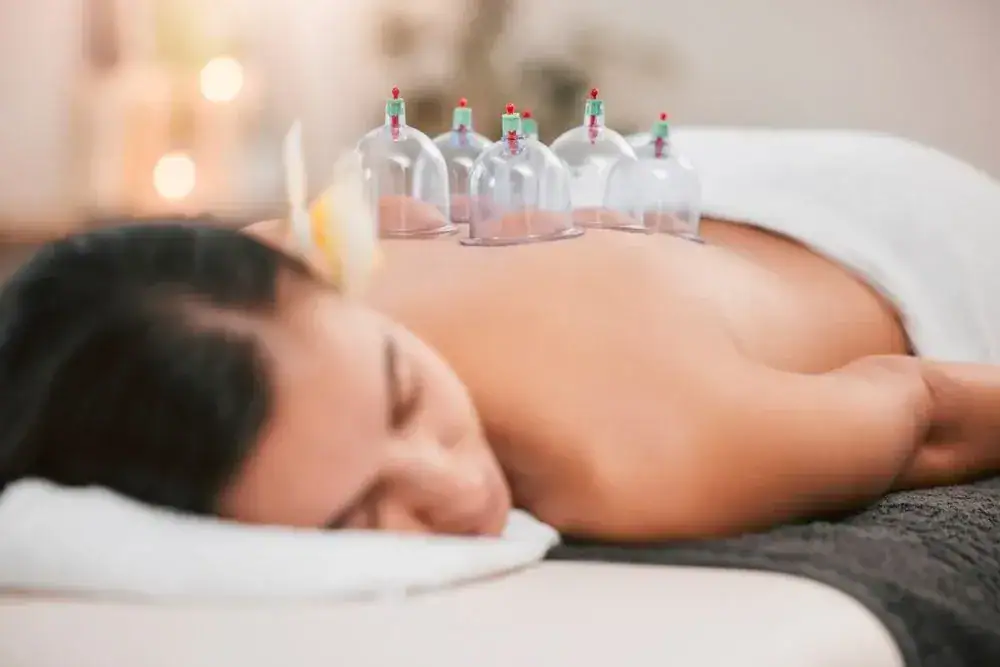
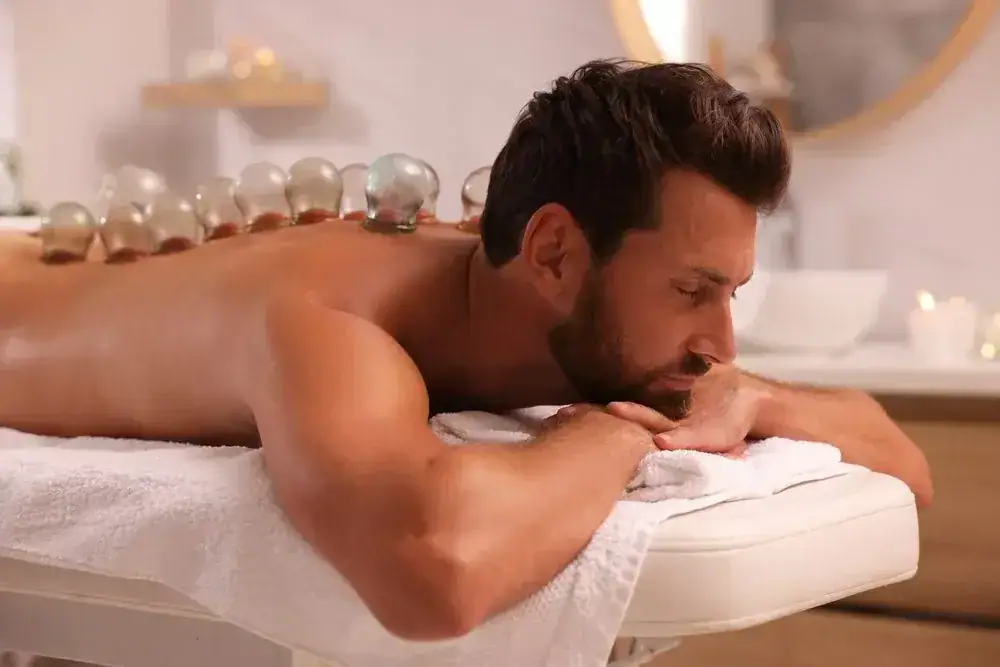
You’re not looking for temporary relief. You want to move without wincing, sleep through the night, and stop planning your day around what hurts.
Cupping therapy works by increasing blood flow to areas that have been tight, inflamed, or stuck for months. The suction pulls fresh circulation into muscle tissue, which helps reduce pain signals and speeds up your body’s natural healing process. Research shows it’s particularly effective for chronic lower back pain, neck stiffness, and knee osteoarthritis—the kinds of pain that don’t respond well to rest alone.
Most people feel some relief during the first session. That tightness in your shoulders starts to release. Your range of motion improves. You’re not fighting your body just to get through the day.
This isn’t about managing pain forever. It’s about addressing what’s causing it so you can get back to the things you’ve been avoiding—gardening, playing with grandkids, walking without thinking about every step.
We’ve been treating patients across Long Island for over a decade. Our therapists are licensed, experienced, and trained in manual therapy techniques like cupping, dry needling, and hands-on physical therapy.
We’re affiliated with Physical Therapy Associates of Smithtown and Speonk Physical Therapy—both established practices with deep roots in the community. That means you’re not getting someone fresh out of school. You’re working with clinicians who’ve seen thousands of cases and know what actually works.
In Shinnecock Hills, where nearly a third of residents are over 65 and chronic pain is common, we’ve built our practice around what matters most: showing up, listening, and delivering treatment that fits your life. We accept Medicare and most commercial insurance, and we come to you if getting to an office is difficult.
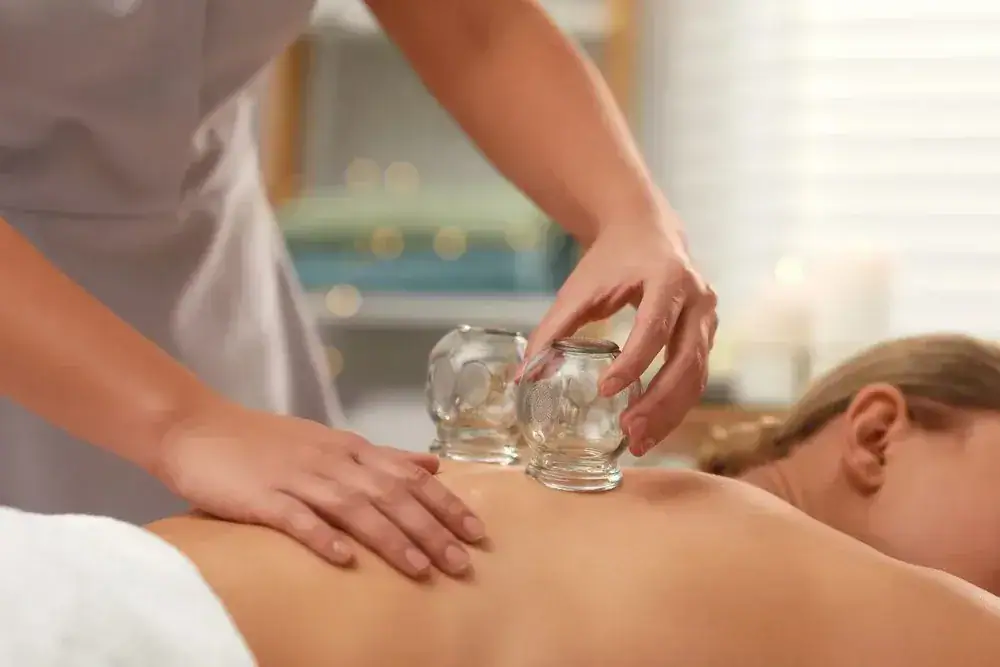
Your first session starts with an evaluation. We ask about your pain—where it is, how long you’ve had it, what makes it worse. We also assess your movement, strength, and flexibility to understand what’s contributing to the problem.
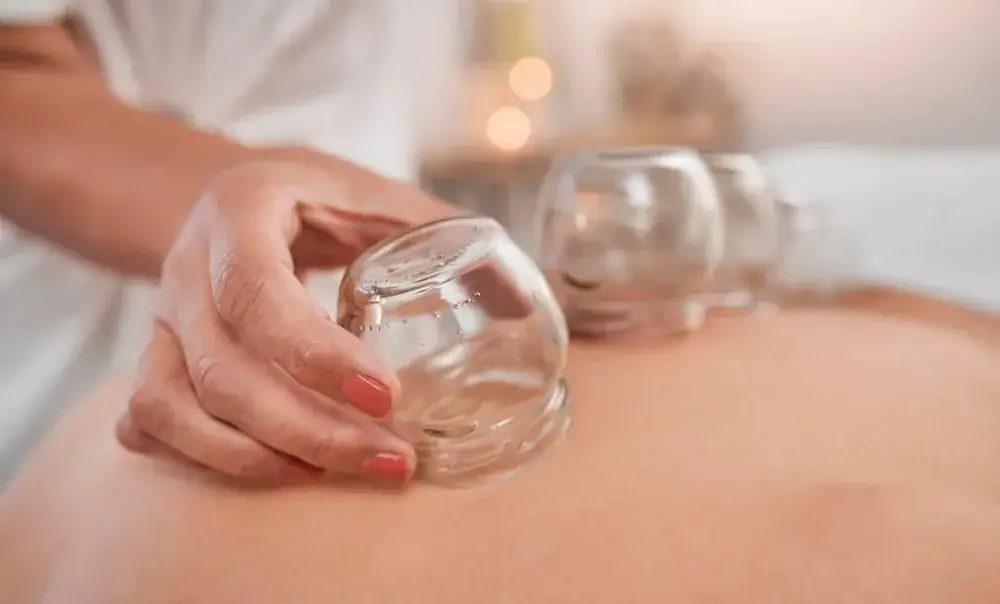
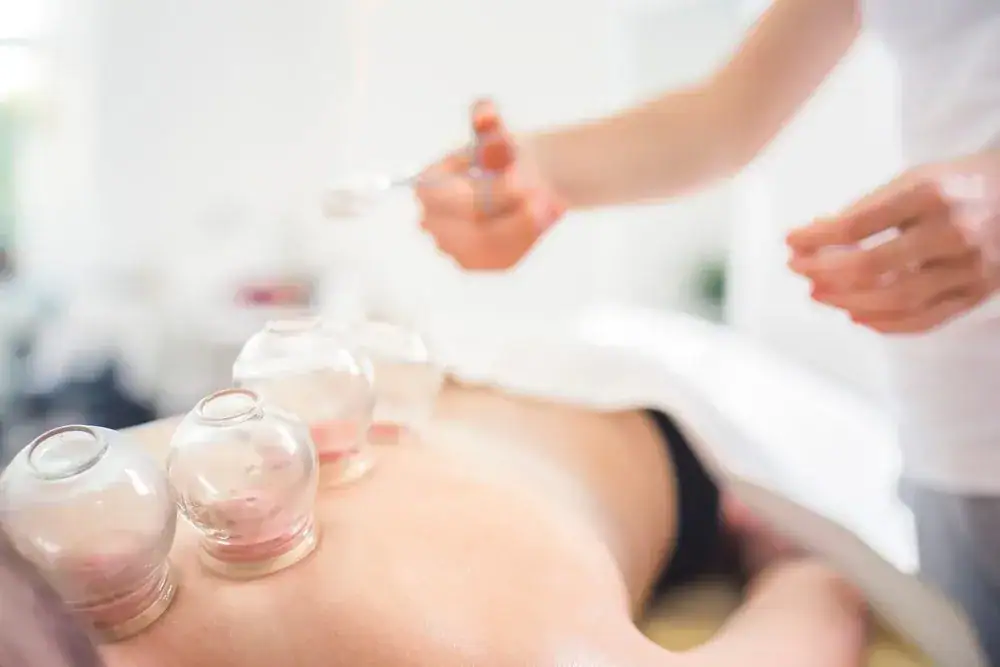
Then we apply the cups. Dry cupping uses suction to lift the skin and underlying tissue, which increases blood flow and releases muscle tension. You’ll feel a pulling sensation, but it shouldn’t hurt. Most people find it surprisingly relaxing. We leave the cups in place for 5 to 15 minutes depending on the area and your tolerance.
After we remove the cups, we may combine cupping with other manual therapy techniques or stretching exercises. The goal is to give your body what it needs to heal—not just during the session, but in the days that follow.
You might have some circular marks where the cups were placed. They’re not bruises, and they don’t hurt. They fade within a few days. Some people feel immediate relief. Others notice improvement after two or three sessions as inflammation decreases and mobility improves.
Ready to get started?
Cupping therapy isn’t a standalone fix. It works best when combined with a broader treatment plan that addresses your specific condition.
During your sessions, we may also use manual therapy, joint mobilization, therapeutic exercise, or dry needling depending on what your body needs. If you’re dealing with chronic lower back pain, we’ll focus on releasing tight muscles in your lumbar spine and hips. If it’s knee osteoarthritis, we’ll work on improving circulation and reducing inflammation around the joint.
For Shinnecock Hills residents, we offer home-based physical therapy services. That’s especially helpful if you have mobility limitations, transportation challenges, or simply prefer the convenience of treatment in your own space. We bring everything needed for your session.
Each plan is personalized. We’re not running you through a generic protocol. We’re adjusting based on how you respond, what’s improving, and what still needs attention. You’ll also get guidance on exercises or habits that support long-term results—because the goal is to keep you moving, not keep you dependent on appointments.
Yes, and there’s research to back it up. Studies show that cupping significantly improves pain and disability, particularly for conditions like chronic lower back pain, neck pain, and knee osteoarthritis. The effects aren’t just immediate—they can last for weeks after treatment.
Cupping works by increasing blood circulation to areas that are tight or inflamed. That improved blood flow helps reduce pain signals, decrease inflammation, and support tissue healing at a cellular level. It’s not a miracle cure, but it’s a proven tool when used correctly.
The National Center for Complementary and Integrative Health notes that cupping appears promising for pain management, especially when combined with other therapies like physical therapy or acupuncture. Most experts agree it’s safe and carries minimal risk when performed by a licensed professional.
Yes. When cupping is part of a physical therapy treatment plan, it’s typically covered by Medicare and most commercial insurance plans. We’ve been providing Medicare-covered outpatient physical therapy since 2010, so we know how to navigate the billing process.
Coverage depends on medical necessity. If your doctor has referred you for physical therapy to address chronic pain, mobility issues, or a specific diagnosis like osteoarthritis, cupping can be included as part of that treatment. We handle the insurance paperwork and verify your benefits before starting care.
For Shinnecock Hills residents on Medicare—which is about a quarter of the population here—this makes cupping therapy accessible without out-of-pocket costs eating into your budget. We also accept nearly all commercial insurances, so you’re not paying full price for effective pain relief.
Cupping works particularly well for musculoskeletal pain—the kind that comes from tight muscles, inflammation, or restricted movement. Chronic lower back pain is one of the most common reasons people seek cupping, and research supports its effectiveness for that condition.
Neck pain and shoulder tightness also respond well, especially if you’ve been dealing with stiffness that limits your ability to turn your head or reach overhead. Knee osteoarthritis is another area where cupping shows strong results, helping reduce pain and improve function without relying on medication.
Athletes use cupping for muscle recovery and exercise-induced soreness, but you don’t have to be an athlete to benefit. If you’re dealing with pain that hasn’t improved with rest, medication, or other treatments, cupping may be worth trying. It’s a low-risk option that addresses the root cause—not just the symptoms.
Yes, cupping usually leaves circular marks where the cups were placed. They look like bruises, but they’re not. The marks are caused by increased blood flow and the suction pulling tissue upward—they don’t hurt, and they’re not a sign of injury.
The marks typically fade within three to seven days depending on your skin and how much suction was used. Some people’s marks disappear faster, others take a bit longer. If you have an event coming up and you’re concerned about visible marks, let us know. We can adjust placement or intensity.
During the session, you’ll feel a pulling or tugging sensation, but it shouldn’t be painful. Most people find it relaxing once they get used to the feeling. If it ever feels too intense, speak up. We can reduce the suction or reposition the cups. The goal is therapeutic benefit, not discomfort.
It depends on your condition, how long you’ve had pain, and how your body responds. Some people feel significant relief after one or two sessions. Others need four to six sessions before they notice lasting improvement.
Chronic pain that’s been present for months or years usually takes longer to address than acute pain from a recent injury. If you’re dealing with something like long-term lower back pain or knee osteoarthritis, expect a series of treatments combined with other physical therapy techniques.
We’ll assess your progress after each session and adjust the plan as needed. If you’re not seeing improvement within a few visits, we’ll talk about it and consider other approaches. The goal is measurable progress—not endless appointments. Most patients in Shinnecock Hills see enough improvement within six to eight weeks that they can reduce frequency or transition to maintenance care.
Yes. Cupping works well alongside other therapies like acupuncture, massage, chiropractic care, or medication. In fact, research suggests that combining cupping with other treatments often produces better results than using it alone.
If you’re already seeing another provider, let us know. We’ll coordinate care to make sure everything works together and nothing conflicts. For example, if you’re taking blood thinners or have a skin condition, we’ll adjust our approach to keep treatment safe and effective.
At Medcare, we often integrate cupping with manual therapy, dry needling, or therapeutic exercise during the same session. That gives us multiple tools to address your pain from different angles. The goal is to use whatever combination works best for your specific situation—not to push one method over another.
Other Services we provide in Shinnecock Hills