
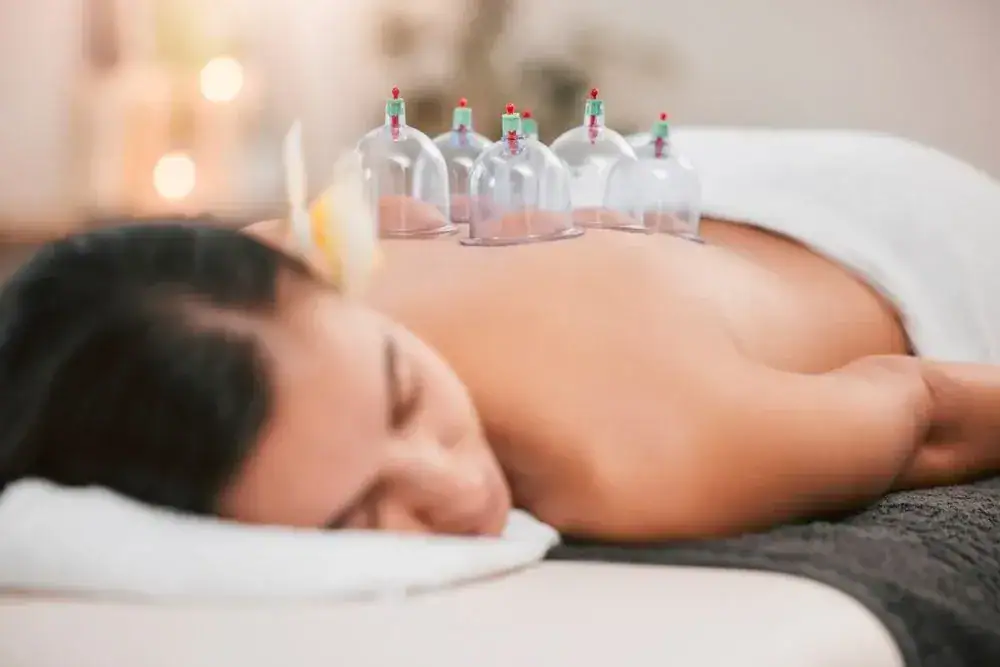

You sleep through the night because your back isn’t waking you up every two hours. You reach for things without that sharp pull in your shoulder. You get through your day without counting down to when you can finally sit down.
That’s what happens when muscle tension releases and blood flow improves to areas that have been tight for months or years. Cupping therapy works by creating suction on your skin, pulling fresh blood into muscles that have been starved of circulation. This isn’t about masking pain temporarily. It’s about giving your body what it needs to actually heal.
Most people feel relief during their first session. That tightness in your neck or the knot in your lower back starts to let go. You might notice you can turn your head further or bend without bracing yourself. Some of that relief lasts a day or two at first. With regular sessions, it starts lasting longer because your muscles aren’t constantly fighting against themselves anymore.
We’ve been treating people in Shelter Island Heights and across Long Island for years. We’re not new to this community, and we’re not experimenting with trendy treatments that disappear in six months.
Cupping is part of how we approach muscle pain and tension because it works. We’ve used it on everyone from retirees dealing with arthritis to people who work physical jobs and can’t afford to be laid up for weeks. Our team knows how to adjust pressure, placement, and session length based on what your body is telling us.
Shelter Island Heights has a higher-than-average population of older adults, many dealing with joint pain, limited mobility, and the kind of chronic discomfort that makes daily tasks exhausting. We get it. That’s exactly who we’re here for. You’re not getting a one-size-fits-all approach. You’re getting a treatment plan that makes sense for your specific pain and your specific goals.
First, we talk. You tell us where it hurts, how long it’s been hurting, and what makes it worse. We’re not rushing you through this part because the details matter.
Then we identify the areas that need work. Sometimes it’s obvious—you point to your lower back and we see the tension immediately. Other times, the source of your pain is a few inches away from where you feel it. Tight hip flexors can cause lower back pain. Shoulder tension can trigger headaches. We look at the whole picture.
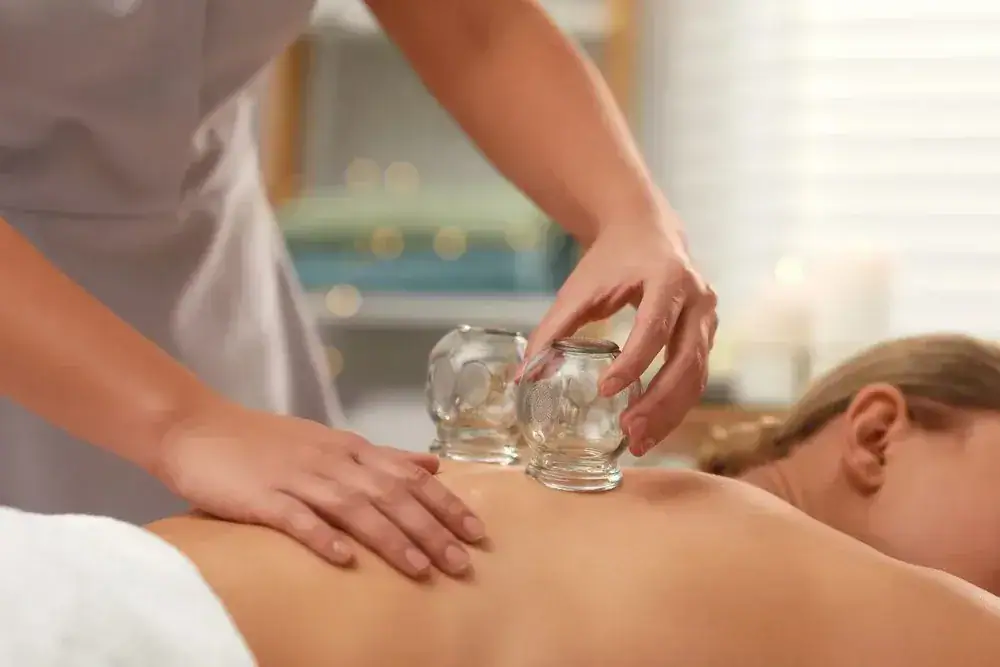
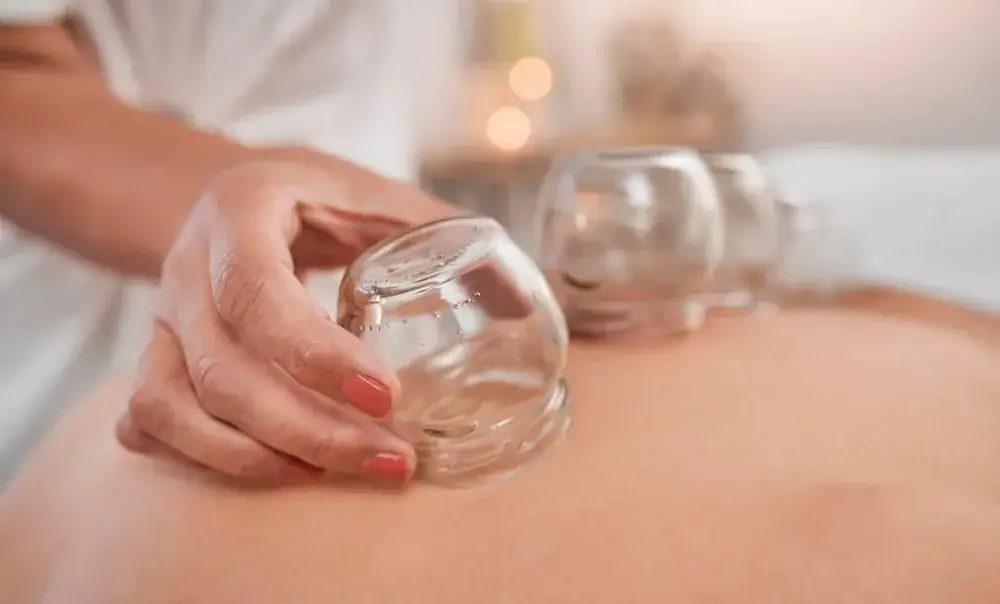
We place cups on your skin over the problem areas. The suction pulls your skin up slightly, drawing blood flow into the muscle tissue underneath. You’ll feel pressure, maybe some tightness, but it shouldn’t hurt. Most people say it feels like a deep massage. We leave the cups in place for several minutes, sometimes moving them slowly across your skin to release larger areas of tension.
After we remove the cups, you’ll likely see circular marks where they were placed. Those aren’t bruises—they’re a sign that blood flow increased to that area. They fade within a few days. You might feel immediate relief, or you might feel a little sore for a day like you just worked out. Both are normal. Your muscles are responding.
Ready to get started?
You’re getting a licensed physical therapist who knows how to assess muscle tension, not just someone who learned cupping from a weekend course. That matters because placement is everything. Put the cups in the wrong spot and you’re wasting time. Put them in the right spot and you’re targeting the exact muscle fibers that have been locked up.
You’re also getting a treatment that fits into a bigger plan. Cupping works best when it’s combined with other physical therapy techniques—stretching, strengthening, posture correction. We’re not just treating your symptoms. We’re addressing why those symptoms showed up in the first place.
In Shelter Island Heights, a lot of people work jobs that involve repetitive motion—fishing, construction, landscaping, transportation. Those jobs create specific patterns of tightness and overuse. We see it constantly. Cupping helps break up that chronic tension so your body isn’t fighting itself every time you move. It’s especially useful for people who’ve tried everything else and are tired of being told to just take ibuprofen and rest.
This isn’t a luxury spa treatment. It’s a clinical intervention that reduces pain, improves range of motion, and helps you avoid more aggressive treatments down the road like injections or surgery.
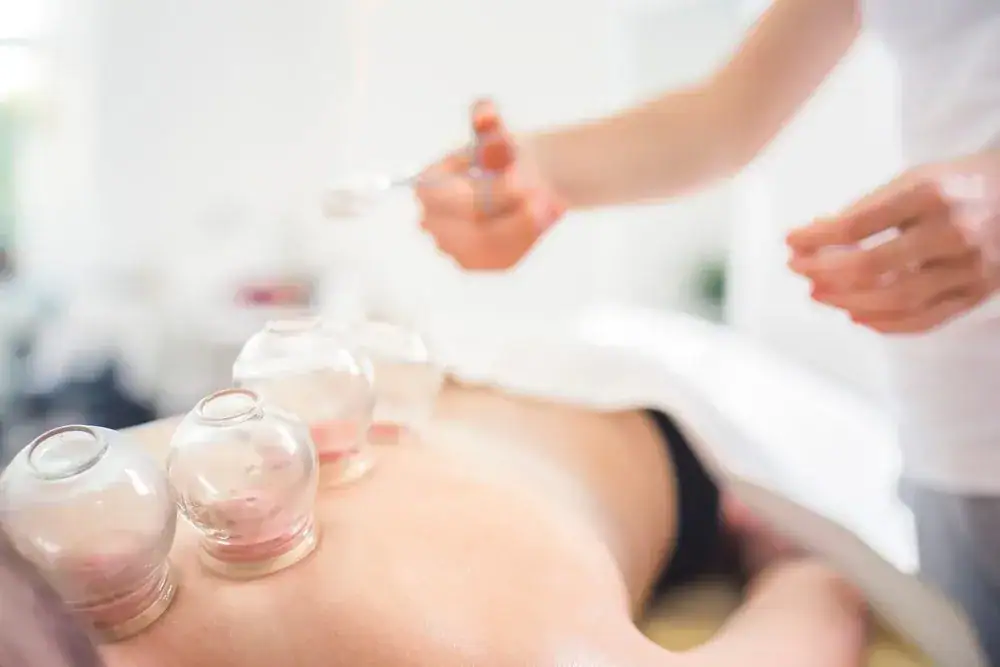
Yes, and the research backs it up. Studies show that cupping is more effective than sham therapy for reducing chronic low back pain and improving function. That means it’s not just placebo—it’s creating real changes in your muscle tissue.
Here’s why it works. Chronic back pain usually involves muscles that are stuck in a contracted state. They’re not getting enough blood flow, so they can’t relax and they can’t heal. Cupping increases circulation to those areas, which helps the muscle fibers release. It also reduces inflammation, which is often part of the problem when pain has been going on for months or years.
Most people notice some level of relief after their first session. That doesn’t mean the pain is gone forever after one visit, but it does mean your body is responding. With regular treatment, that relief lasts longer and the pain becomes less intense overall.
Usually between three and seven days. The marks look dramatic, but they’re not painful and they’re not bruises in the traditional sense. They’re caused by increased blood flow to the area, which is exactly what we want.
If you have an event coming up where you’ll be wearing something that shows your back or shoulders, just let us know. We can adjust the treatment or schedule it so the marks have time to fade. But honestly, most people stop worrying about them once they realize how much better they feel.
The intensity of the marks doesn’t correlate with how effective the treatment is. Some people mark heavily, others barely at all. It depends on your skin, your circulation, and how much tension was in that area. What matters is whether your pain improves, not what the marks look like.
Absolutely. Neck pain and tension headaches are some of the most common reasons people come in for cupping. The muscles in your neck and upper shoulders hold a lot of stress, especially if you’re sitting at a desk, driving for long periods, or doing repetitive overhead work.
When those muscles stay tight for too long, they restrict blood flow and put pressure on nerves. That’s what triggers the headaches. Cupping releases that tension by improving circulation and allowing the muscle fibers to relax. A lot of people feel the difference immediately—their head feels clearer, their neck moves more easily, and the constant low-grade headache they’ve been living with starts to fade.
We usually combine cupping with some targeted stretching and posture work because neck pain almost always has a postural component. If we only treat the symptoms without addressing why your neck is getting tight in the first place, the pain will just come back.
Cupping is very safe when it’s done by a trained professional. The most common side effect is the circular marks, which fade on their own. Some people feel a little sore afterward, similar to how you might feel after a deep tissue massage. That soreness usually goes away within a day.
There are a few situations where cupping isn’t recommended. If you’re on blood thinners, have a skin condition in the treatment area, or are pregnant, we’ll talk through whether cupping is the right choice or if we should use a different technique. That’s why the initial conversation matters—we need to know your full health picture before we start.
Compared to medications that come with side effects or injections that carry risks, cupping is a low-risk option. It’s non-invasive, drug-free, and doesn’t require any recovery time. You can come in during your lunch break and go right back to your day.
Most people feel some relief after the first session, but lasting results usually take a few visits. If you’re dealing with acute pain—something that just started recently—you might only need two or three sessions. If you’re dealing with chronic pain that’s been going on for months or years, you’ll likely need more.
We typically recommend starting with once or twice a week for a few weeks, then spacing out sessions as your pain improves. Some people get to a point where they only come in once a month for maintenance. Others find that a handful of sessions is enough to break the cycle of pain and they don’t need ongoing treatment.
It depends on what’s causing your pain, how long you’ve had it, and how your body responds. We’ll be honest with you about what to expect. If we’re not seeing progress after a few sessions, we’ll adjust the approach or talk about other options. The goal is always to get you feeling better as quickly as possible, not to keep you coming in indefinitely.
Dry cupping is what we use most often in physical therapy. It involves placing cups on your skin and creating suction, but there’s no cutting or bloodletting involved. It’s clean, straightforward, and effective for muscle pain and tension.
Wet cupping, which is more common in traditional Chinese medicine, involves making small incisions in the skin before applying the cups. That’s not something we do here, and it’s not necessary for the kind of pain relief most people are looking for. Dry cupping gets the job done without any breaking of the skin.
There’s also fire cupping, where a flame is used to create suction, and modern cupping, which uses a pump. Both methods work the same way—they increase blood flow and release muscle tension. We use pump-based cups because they give us more control over the amount of suction, which means we can adjust the intensity based on what you need and what you’re comfortable with.
Other Services we provide in Shelter Island Heights