
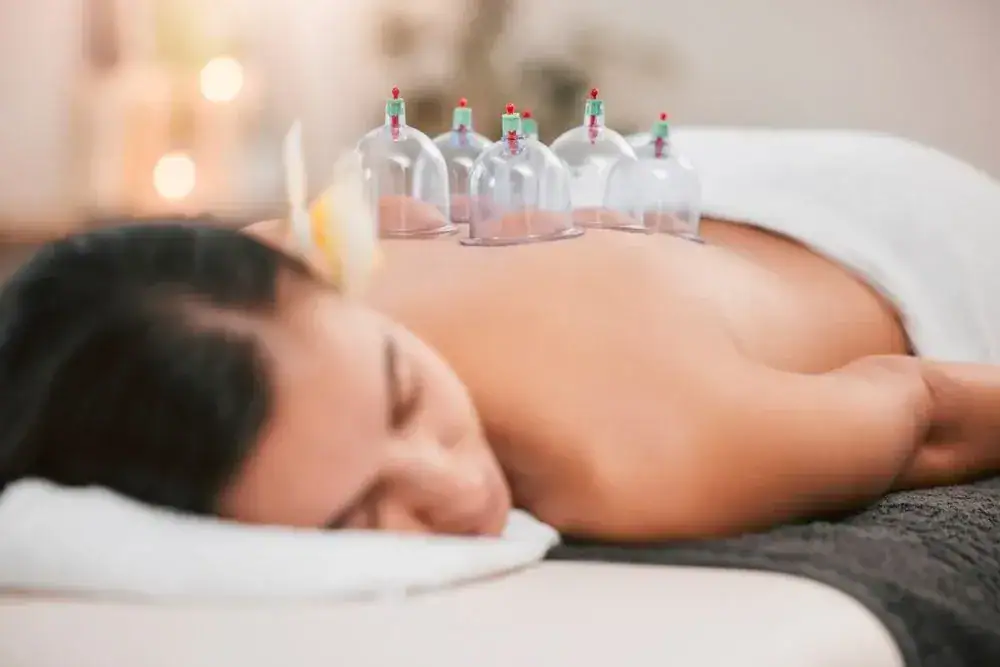

Back pain doesn’t just hurt—it changes how you move through your day. You adjust your posture, skip activities you used to enjoy, and wake up stiff every morning. Neck tension turns into headaches. Muscle soreness from a weekend project lingers for weeks.
Cupping therapy targets those problem areas by increasing blood flow and releasing tight tissue. The suction pulls fresh oxygen to muscles that have been locked up, reducing inflammation and helping your body actually heal instead of just masking symptoms.
Most people notice a difference after one session. That doesn’t mean all your pain disappears overnight, but you’ll feel looser, move easier, and start getting back to normal faster than you would on your own. Some patients combine cupping with physical therapy for even better results. Others use it when old injuries flare up or after pushing too hard at the gym.
We’ve been treating patients across Long Island for over a decade. Our Selden location serves families, athletes, and anyone dealing with chronic pain who’s tired of temporary fixes.
We’re licensed physical therapists who’ve added cupping to our toolkit because it works—especially when combined with other treatments. You’re not walking into a spa or a clinic that’s chasing trends. You’re getting care from professionals who understand how your body moves, where pain comes from, and what it takes to actually fix it.
Selden residents know us because we’ve been here, we accept most insurance including Medicare, and we don’t waste your time. You’ll get a real evaluation, a clear plan, and treatment that makes sense for your schedule and your goals.
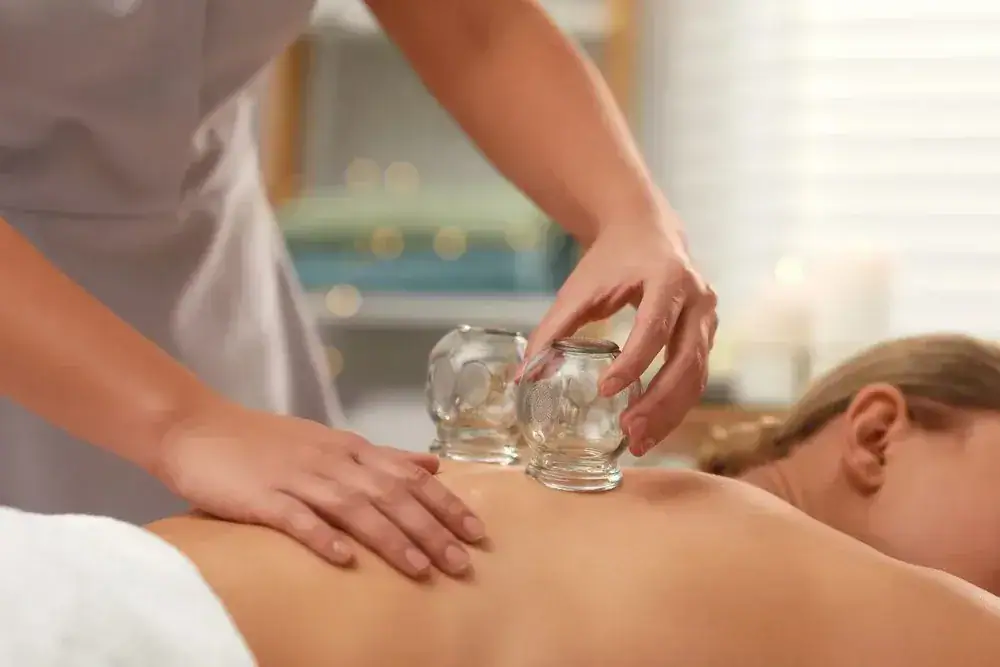
Your first visit starts with a conversation. We need to understand what’s bothering you, how long it’s been going on, and what you’ve already tried. That helps us figure out if cupping is the right approach or if you’d benefit more from combining it with other physical therapy techniques.
During the actual treatment, we place specialized cups on your skin over the affected area. The suction pulls tissue upward, which increases circulation and helps release adhesions in the muscle. Dry cupping doesn’t involve needles or incisions—just controlled suction that draws blood to the surface.
You’ll feel a tight pulling sensation, but it shouldn’t hurt. Most sessions last 15 to 30 minutes depending on what we’re treating. Afterward, you might have circular marks where the cups were placed. Those fade within a few days and they’re just a sign that blood flow increased to that area.
Some people feel immediate relief. Others notice gradual improvement over the next day or two as inflammation goes down and mobility improves. We’ll talk through what to expect based on your specific condition and whether follow-up sessions make sense.
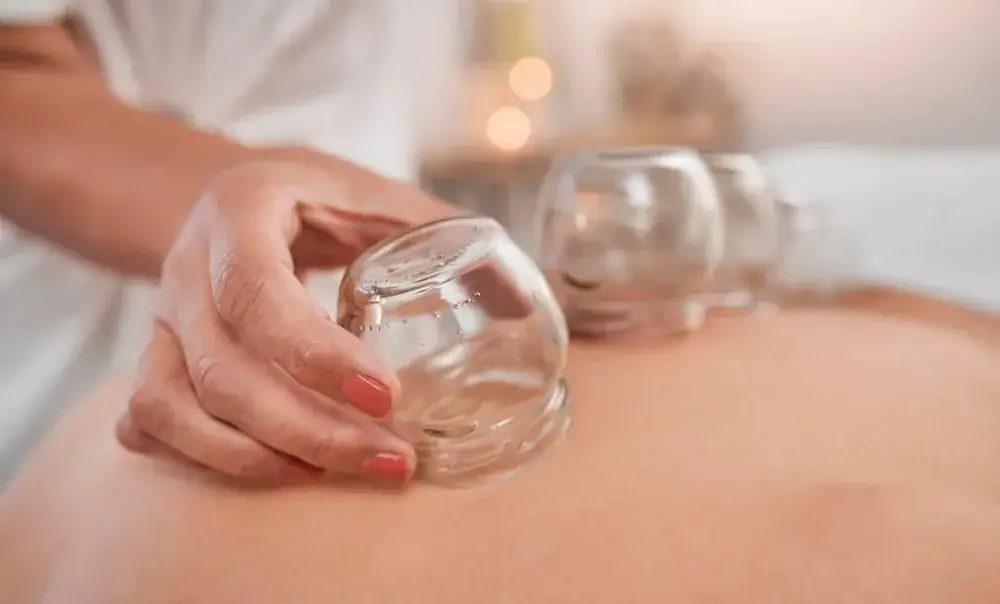
Ready to get started?
Cupping works best for musculoskeletal issues—things like chronic back pain, neck stiffness, shoulder tension, and muscle soreness that won’t quit. Athletes use it for recovery after training. People who sit at desks all day use it for posture-related pain. It’s also helpful for headaches caused by muscle tension and for improving range of motion in stiff joints.
Here in Selden, we see a lot of patients dealing with pain from car accidents, work injuries, and sports-related strains. Cupping fits into a broader treatment plan that might include manual therapy, strengthening exercises, and mobility work. It’s not a magic cure, but it speeds up recovery and helps you feel better while your body heals.
What cupping doesn’t do: fix structural problems like herniated discs, cure arthritis, or replace surgery when surgery’s actually needed. It’s a tool, not a miracle. But for the right conditions, it’s one of the most effective non-invasive options available. No prescriptions to fill, no downtime, and you can usually get back to your day right after treatment.
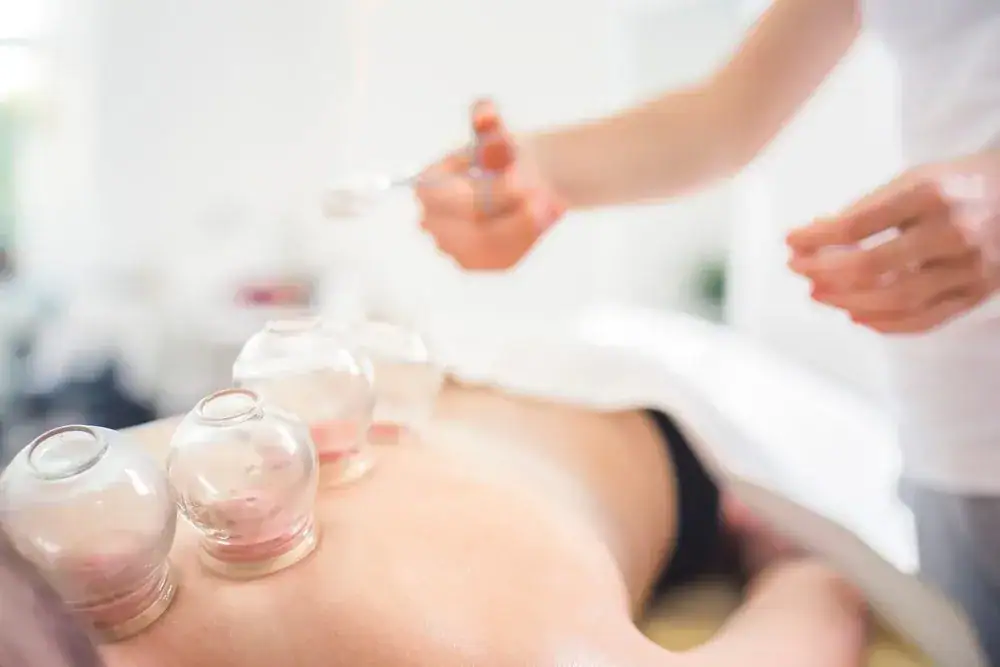
Yes, but it depends on what’s causing your back pain. Cupping increases blood flow to tight, overworked muscles and helps break up scar tissue and adhesions that limit movement. For chronic pain caused by muscle tension, poor posture, or repetitive strain, cupping can provide real relief.
It won’t fix a herniated disc or reverse arthritis, but it can reduce the muscle guarding and inflammation that make those conditions worse. A lot of our Selden patients combine cupping with physical therapy exercises to address both the symptoms and the root cause. You get faster pain relief from cupping while building strength and mobility through PT.
Most people feel a difference within one to three sessions. That might mean less stiffness in the morning, better range of motion, or just being able to sit through a workday without constantly shifting positions. If you’ve been dealing with back pain for months or years, cupping isn’t going to erase it overnight—but it’s one of the few treatments that actually helps your body heal instead of just covering up the problem.
Dry cupping uses suction alone—no needles, no incisions, no blood. We place cups on your skin and create a vacuum that pulls tissue upward. That’s it. The suction increases circulation, loosens tight muscles, and helps reduce inflammation.
Wet cupping involves making small cuts in the skin and using suction to draw out a small amount of blood. It’s more invasive and not something we offer at Medcare. Fire cupping uses heat to create suction, while modern dry cupping uses a pump or silicone cups. The effect is essentially the same—we’re just using safer, more controlled equipment.
For physical therapy purposes, dry cupping is the standard. It’s low-risk, doesn’t require any recovery time, and works well alongside other treatments like manual therapy or exercise. You might see circular marks afterward, but those fade within a few days. No scarring, no mess, and you can go straight back to work or the gym if you want.
Most people feel some relief after the first session, but how many you’ll need depends on what we’re treating and how long you’ve been dealing with it. Acute pain from a recent injury might only need one or two sessions. Chronic issues that have been building for months or years usually take more.
A typical treatment plan might be once or twice a week for two to four weeks, then tapering off as you improve. Some patients come back occasionally when old injuries flare up or after overdoing it at the gym. Others use cupping as part of ongoing physical therapy and schedule it around their other appointments.
We don’t push you into a long-term commitment. After your first session, we’ll have a better idea of how your body responds and what makes sense going forward. If you’re not seeing progress after a few visits, we’ll adjust the approach or recommend something different. The goal is results, not racking up appointments.
It depends on your plan and how the treatment is billed. We accept Medicare and most commercial insurance plans. When cupping is part of a physical therapy treatment plan, it’s often covered under your PT benefits. That means you’d pay whatever your normal copay or coinsurance is for physical therapy.
Some insurance companies consider cupping an alternative therapy and won’t cover it separately. Others cover it as long as it’s medically necessary and performed by a licensed provider. We verify your benefits before your first visit so there are no surprises.
If your insurance doesn’t cover cupping, we’ll let you know the out-of-pocket cost upfront. It’s usually less than you’d expect, especially compared to ongoing medication costs or more invasive treatments. We’re not here to sell you services you don’t need or can’t afford—we’ll work with what your insurance covers and find a plan that makes sense for your situation.
The most common side effect is circular bruising where the cups were placed. Those marks look dramatic, but they don’t hurt and they fade within a few days to a week. Some people feel a little sore afterward, similar to how you might feel after a deep tissue massage. That soreness usually goes away within 24 hours.
Serious side effects are rare, especially when cupping is done by a licensed physical therapist who knows what they’re doing. We use sterile equipment, follow proper protocols, and adjust the suction based on your tolerance. You shouldn’t feel pain during treatment—just a tight pulling sensation.
Cupping isn’t right for everyone. We don’t use it on people with certain skin conditions, bleeding disorders, or open wounds. Pregnant women and anyone on blood thinners need to check with their doctor first. That’s why we do a full evaluation before starting treatment. We’re not just slapping cups on and hoping for the best—we’re making sure it’s safe and appropriate for your specific situation.
Absolutely. In fact, that’s how we use it most often. Cupping works well alongside manual therapy, therapeutic exercise, and other PT techniques. You might start a session with cupping to loosen tight muscles, then move into stretching or strengthening exercises while your tissue is more pliable.
A lot of our Selden patients are dealing with multiple issues at once—maybe back pain from an old injury plus neck tension from sitting at a computer all day. Cupping addresses the muscle tightness and inflammation, while other treatments help you build strength and correct movement patterns so the pain doesn’t just come back.
The combination approach usually gets better results than cupping alone. You’re not just treating symptoms—you’re actually fixing the underlying problem. We’ll design a plan based on what you need, not what’s trendy or what takes the most time. Some weeks that might mean more hands-on work, other weeks more exercise. Cupping is just one tool we use to help you move better and feel better faster.
Other Services we provide in Selden