
You’re dealing with pain that won’t quit. Maybe it’s your lower back after a long day at your desk, or neck tension that makes turning your head uncomfortable. You’ve tried heat, ice, stretching—nothing sticks.
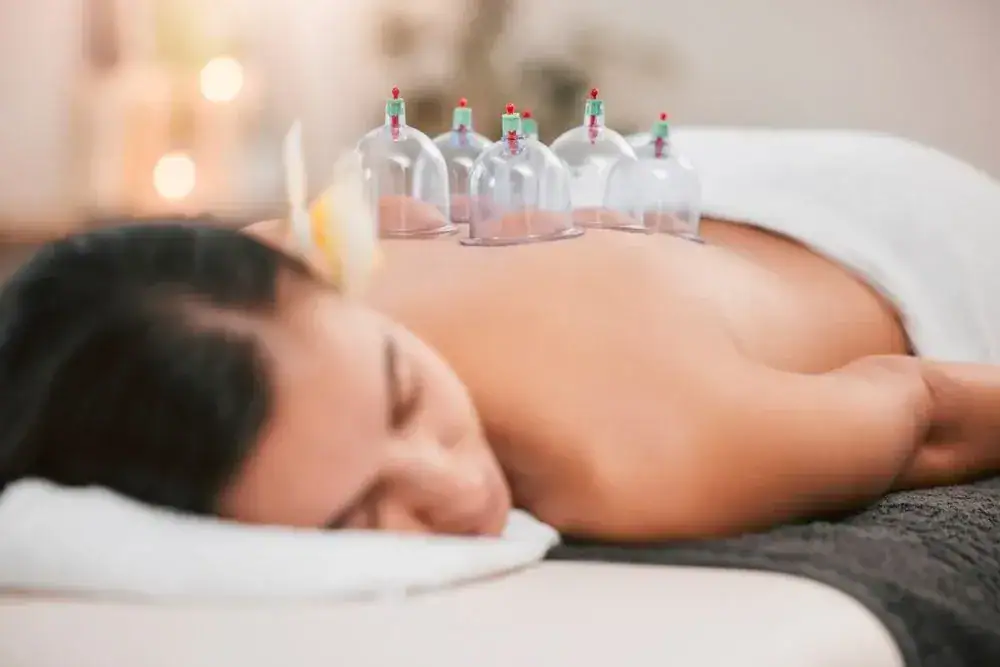
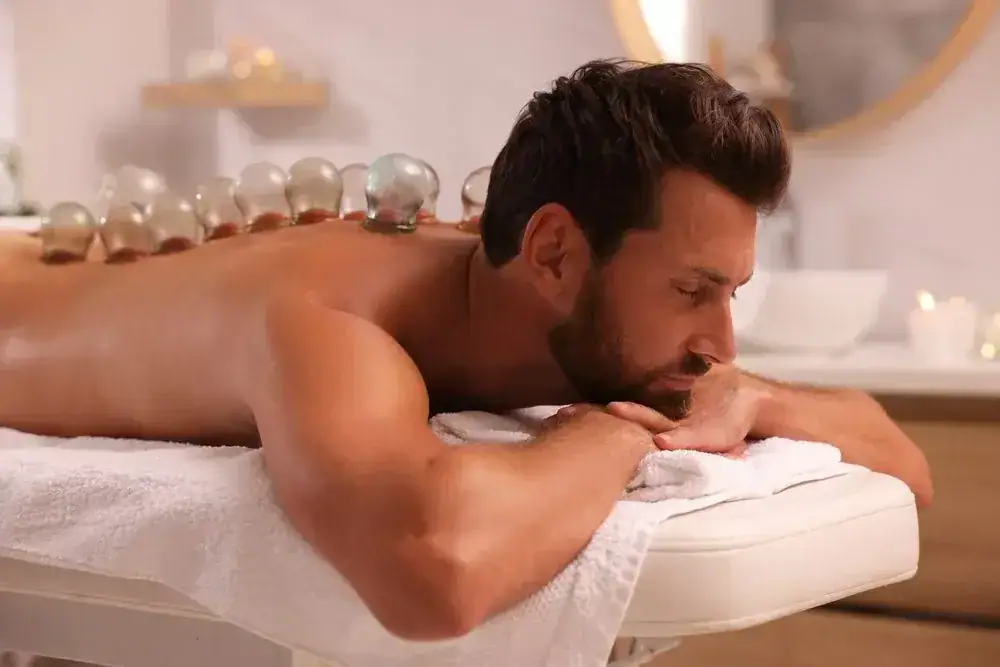
Cupping therapy works by creating suction on your skin that pulls blood to the surface and encourages your muscle fibers to loosen. That increased circulation helps reduce inflammation and flush out the buildup causing your discomfort. Research shows it can significantly reduce pain within just a few weeks, especially when combined with physical therapy.
What you get is immediate relief in that first session, then progressive improvement as your body responds. Less stiffness when you wake up. Better range of motion during your workout or just reaching for something on a high shelf. The kind of functional improvement that actually changes your day-to-day life.
We’ve been treating patients across Long Island for over a decade. We’re not new to this, and we’re not experimenting with trends.
Our therapists are licensed professionals who integrate cupping into comprehensive physical therapy plans. We don’t just slap cups on your back and call it done—we assess what’s causing your pain, build a treatment plan around your specific needs, and adjust as you progress.
Sea Cliff residents come to us because we show up consistently. Our digital profiles are verified and secure, our patient data is protected, and our communication is straightforward. You’re not getting bounced around or dealing with access issues when you need care.
First, your therapist evaluates where you’re holding tension and what’s limiting your movement. We’re looking at your specific pain points, not running a generic protocol.
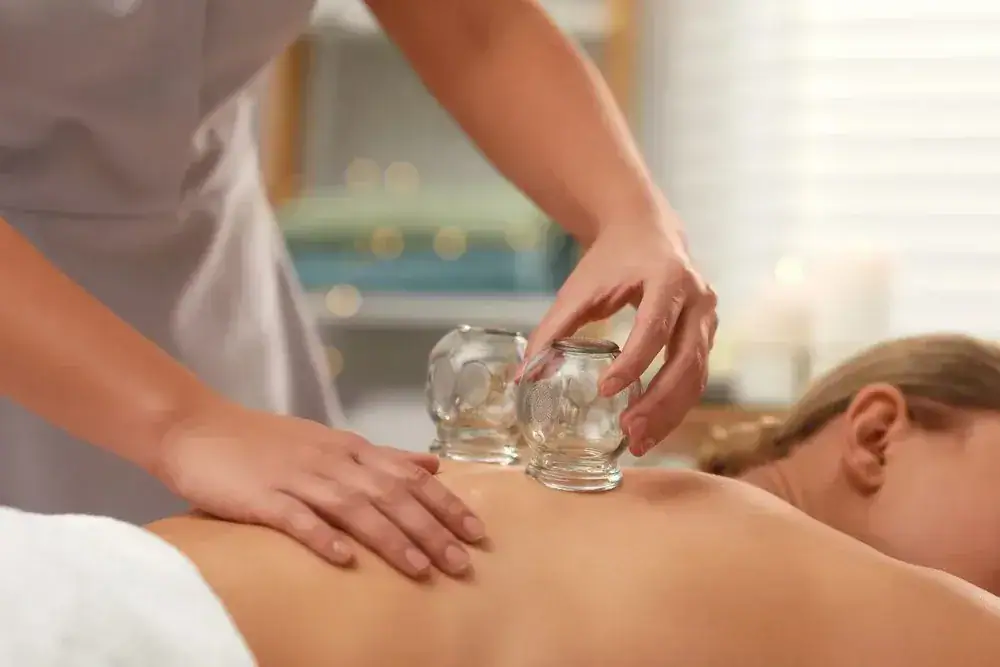
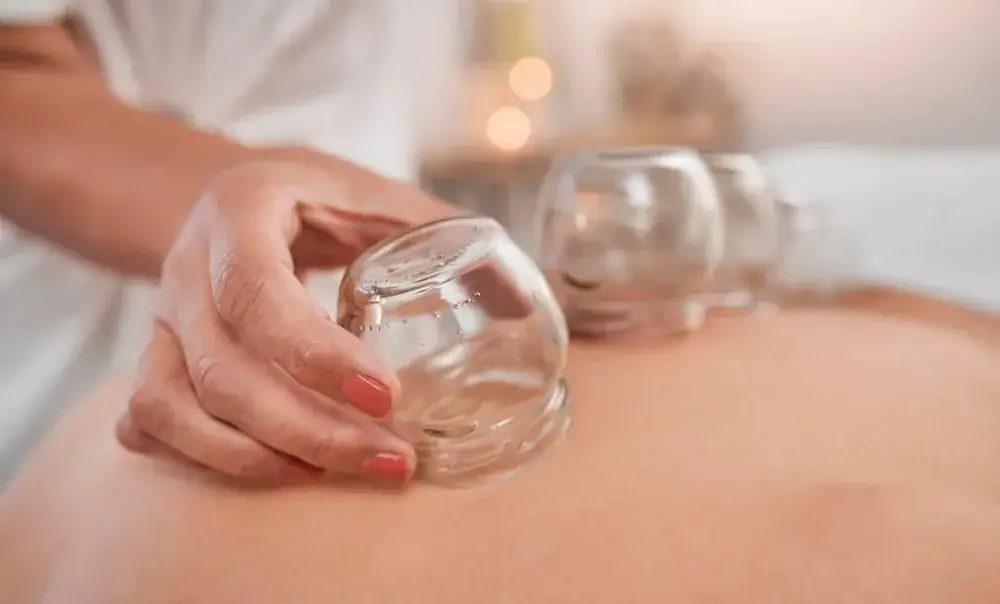
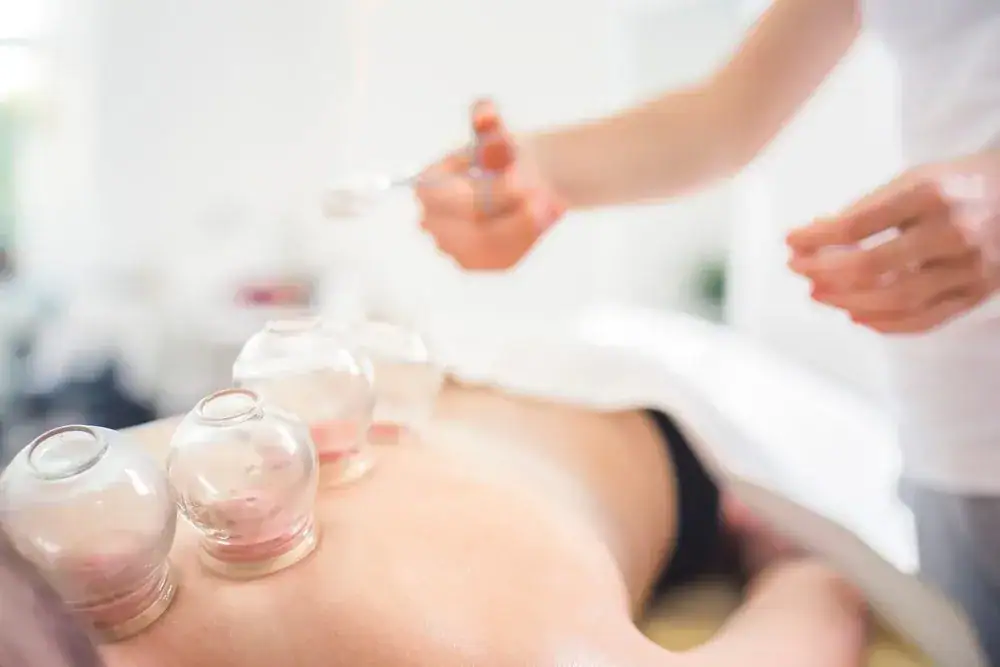
Then we apply the cups—either glass or silicone—to targeted areas. The suction pulls your skin up slightly, which draws blood flow to that spot and creates space in the underlying tissue. You’ll feel pressure, not pain. Most people find it surprisingly relaxing once they get past the first few seconds.
We leave the cups in place for several minutes while your muscles respond. Some therapists use stationary cupping (cups stay put), others use massage cupping where the cups glide across your skin. Both techniques work—it depends on what your body needs that day.
After we remove the cups, you’ll likely see circular marks where they were placed. Those fade within a few days and aren’t painful. What you’ll notice more is how much easier it is to move the area we just treated.
Ready to get started?
Cupping isn’t a standalone miracle cure. It’s one tool in a complete physical therapy approach. When you come to us in Sea Cliff, you’re getting an evaluation that identifies why you’re in pain, not just where it hurts.
We combine dry cupping with other manual therapy techniques, targeted exercises, and education on how to prevent the problem from coming back. If you’re an athlete recovering from training stress, we’ll focus on faster muscle recovery. If you’re dealing with chronic lower back pain from sitting all day, we’ll address the underlying muscle imbalances and postural issues.
Sea Cliff has a highly educated, health-conscious population. You’re not looking for quick fixes—you want evidence-based care that actually works. That’s why we point to the research: multiple clinical studies show cupping significantly improves pain at two to eight weeks, especially for musculoskeletal conditions. North America is seeing substantial growth in cupping adoption precisely because people like you are tired of relying solely on medication.
You’ll also get the convenience of in-home therapy if that works better for your schedule. We bring the same professional-grade treatment to you.
Yes, but let’s be specific about what “works” means. Clinical research shows cupping can significantly reduce pain intensity within two to eight weeks when used as part of a broader treatment plan. It’s not magic—it’s physiology.
The suction increases blood flow to areas where circulation has been restricted by tight, knotted muscle tissue. That improved circulation helps reduce inflammation and allows your muscles to relax. For chronic back pain, this means less stiffness, better mobility, and often a reduction in the sharp or achy sensations that have been limiting your movement.
Here’s the catch: cupping works best when combined with other interventions like stretching, strengthening exercises, and postural corrections. If you’re sitting hunched over a computer for eight hours a day, cupping will give you relief—but you’ll need to address the root cause to keep the pain from coming back. That’s where working with a physical therapist makes the difference.
Dry cupping is considered a low-risk therapy when performed by trained professionals. The most common side effect is temporary circular marks on your skin where the cups were placed. These aren’t bruises in the traditional sense—they’re caused by blood being drawn to the surface—and they typically fade within three to seven days.
Some people experience mild soreness in the treated area for a day or two after their first session, similar to how you might feel after a deep tissue massage. That’s your body responding to increased circulation and the release of built-up tension.
Serious side effects are rare but can include skin irritation or burns if heat is used improperly (we use controlled techniques to prevent this). People with certain conditions—like bleeding disorders, skin infections, or who are pregnant—should talk with their doctor before trying cupping. We screen for these issues during your initial evaluation so we’re treating you safely from day one.
Most people notice some immediate relief after their first session—less tightness, easier movement in the treated area. But lasting results typically require multiple sessions over several weeks.
For acute issues like post-workout muscle soreness or a recent strain, you might only need two to four sessions. For chronic pain that’s been building for months or years, expect a longer timeline—often six to eight sessions spread over four to six weeks, combined with other physical therapy interventions.
The honest answer is it depends on what’s causing your pain and how your body responds. During your evaluation, we’ll give you a realistic timeline based on your specific situation. We’re not going to string you along with vague promises of “just a few more sessions.” You’ll know upfront what to expect, and we’ll adjust the plan if you’re not progressing the way you should be.
Absolutely. In fact, that’s how we typically use it. Cupping isn’t a replacement for physical therapy—it’s an enhancement that makes other treatments more effective.
When your muscles are relaxed and blood flow is improved from cupping, you’ll get more out of your stretching and strengthening exercises. Your range of motion improves, which means you can perform therapeutic movements with better form and less compensation. Research backs this up: patients who receive cupping alongside other physical therapy treatments show significantly better pain relief and functional improvement than those who only do standard PT.
If you’re already working with a physical therapist elsewhere, let us know. We can coordinate care or provide cupping as an add-on service. If you’re starting fresh with us, we’ll build cupping into your overall treatment plan from the beginning based on what your evaluation reveals.
Massage applies pressure into your muscles to release tension. Cupping does the opposite—it uses suction to lift tissue away from underlying structures, creating space and drawing blood flow to the area.
Both can reduce muscle tension and improve circulation, but they work through different mechanisms. Some people respond better to one technique than the other. Many respond best to a combination of both, which is why we often integrate cupping into sessions that also include hands-on manual therapy.
The marks left by cupping are another key difference. Massage doesn’t typically leave visible marks (unless it’s very deep and aggressive), while cupping almost always does. Those circular marks are a sign that blood has been drawn to the surface—it’s part of how the therapy works, not a negative side effect. If you have an event coming up where you’ll be showing your shoulders or back, just let us know and we can adjust timing or placement.
If cupping is performed as part of a physical therapy treatment plan, it’s often covered under your PT benefits. We accept Medicare and many private insurance plans that cover outpatient physical therapy services.
Coverage varies by plan, so we recommend calling your insurance provider to confirm your specific benefits before your first visit. Ask whether physical therapy is covered, how many sessions you’re allowed per year, and whether there’s a copay or coinsurance you’ll be responsible for.
When you contact us, we can verify your insurance and give you a clear breakdown of what you’ll pay out of pocket. We’re not going to surprise you with unexpected bills. If your insurance doesn’t cover cupping or you don’t have coverage, we’ll discuss private pay rates upfront so you can make an informed decision about moving forward.
Other Services we provide in Sea Cliff