
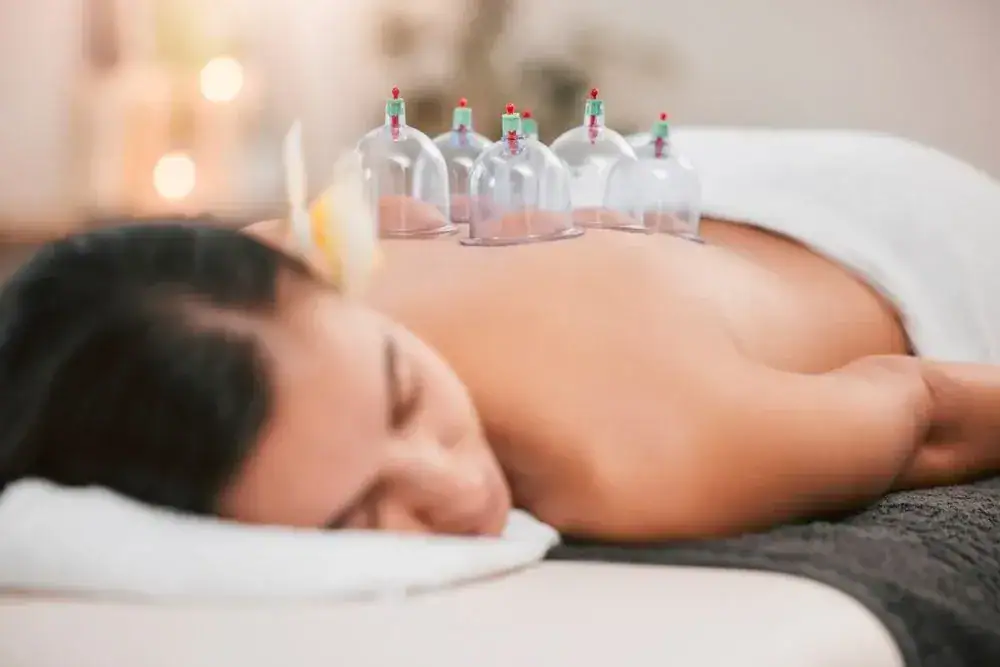

You’re dealing with pain that won’t quit. Back tension that makes mornings miserable. Neck stiffness that turns every head turn into a reminder. Muscle soreness that lingers days after a workout.
Cupping therapy addresses these issues by increasing blood flow to the affected areas and reducing the inflammation that keeps you stuck. The suction created during treatment lifts tissue, decompresses tight fascia, and gives your muscles room to actually heal instead of staying locked in the same painful pattern.
Most people notice improved range of motion right after their first session. That doesn’t mean all your pain disappears instantly, but you’ll likely feel less restricted when you move. Over multiple sessions, you’re looking at reduced muscle tightness, better circulation, and the kind of relief that actually lasts because you’re treating the source, not just masking symptoms.
This isn’t about temporary comfort. It’s about giving your body what it needs to function the way it should—without relying on pills or going under the knife.
Medcare Therapy Services has served the Sayville community and surrounding Long Island areas for over a decade. We’re not new to this, and we’re not experimenting with your recovery.
Our team includes licensed physical therapists who understand how to integrate cupping therapy into a broader treatment plan that actually works. We don’t just slap cups on your back and call it a day. Every session is part of a personalized approach based on what your body needs, not a one-size-fits-all protocol.
Sayville residents come to us because we treat each patient like family. That means honest communication, transparent treatment plans, and no runaround when you have questions. You’ll know what’s happening, why it’s happening, and what to expect next.
Your first visit starts with an assessment. We need to understand where you’re hurting, how long it’s been going on, and what’s already been tried. This isn’t a formality—it’s how we figure out if cupping therapy is the right move for you or if another approach makes more sense.
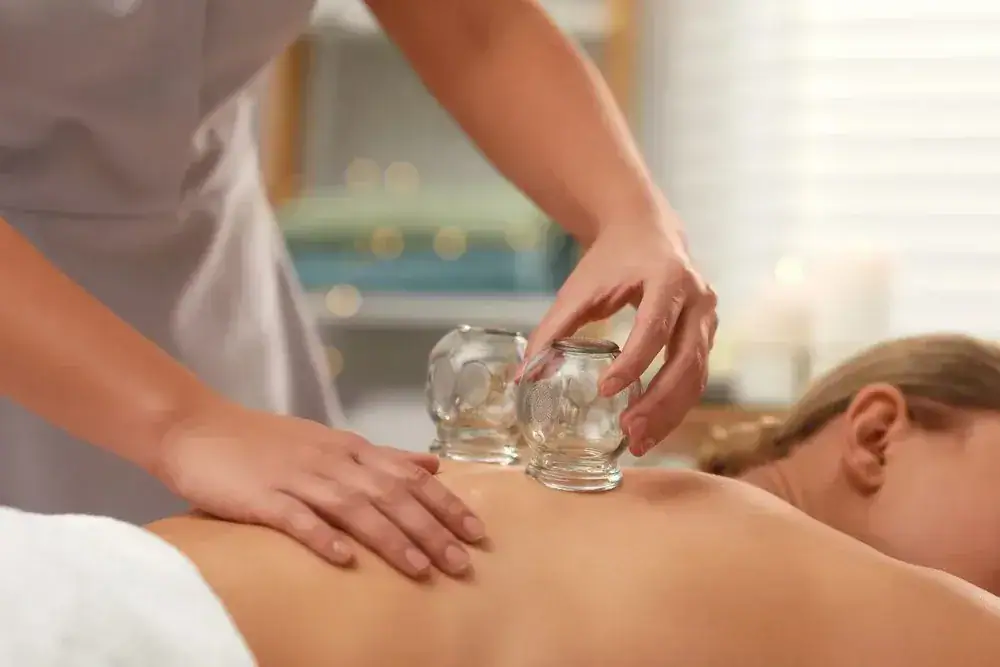
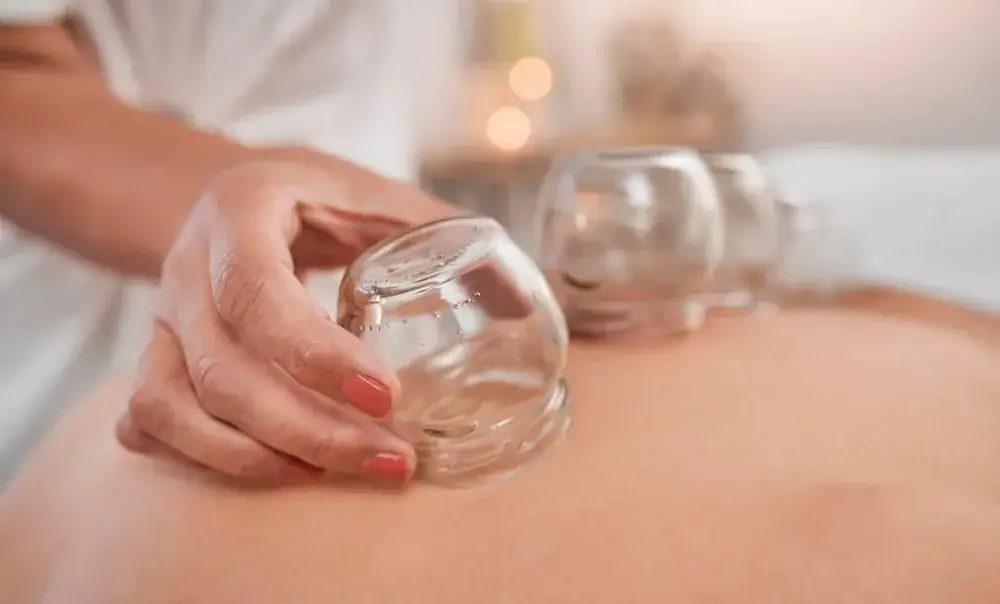
Once we’ve mapped out a plan, the actual cupping process is straightforward. We place specialized cups on targeted areas of your body and create suction, either through heat or a manual pump depending on the technique. Dry cupping is the most common method we use—it’s non-invasive, safe, and effective for most pain conditions.
The suction pulls your skin and underlying tissue upward, which increases blood flow and helps release tight fascia and muscle knots. You’ll feel pressure, but it shouldn’t be painful. Sessions typically last 15 to 30 minutes depending on the area being treated.
After the cups are removed, you might notice circular marks on your skin. Those aren’t bruises—they’re a result of increased circulation and usually fade within a few days. Many patients feel immediate relief in terms of reduced tension or improved mobility. Others need a few sessions before they notice significant changes, especially if the issue is chronic.
Ready to get started?
Cupping therapy at Medcare isn’t a standalone gimmick. It’s part of a comprehensive physical therapy approach designed to get you real results. That means we’re combining it with other evidence-based treatments when necessary—manual therapy, targeted exercises, or mobility work that reinforces what the cupping accomplishes.
You’re getting treatment from licensed professionals who know how to adjust pressure, placement, and duration based on your specific condition. We’re not following a generic script. If you’re recovering from a sports injury, dealing with arthritis, or managing chronic lower back pain, your treatment will reflect that.
Sayville and the broader Long Island area have a growing population of active adults and aging residents who need effective pain management without opioids or surgery. That’s exactly what this service addresses. With 60% of adults over 55 having received physical therapy and a strong demand for non-invasive treatments, cupping therapy fits into a larger shift toward natural, sustainable recovery methods.
Sessions typically cost between $50 and $150 depending on complexity and duration, and many patients see the most benefit from weekly treatments over the course of several weeks. We’ll work with you to create a schedule that makes sense for your body and your life.
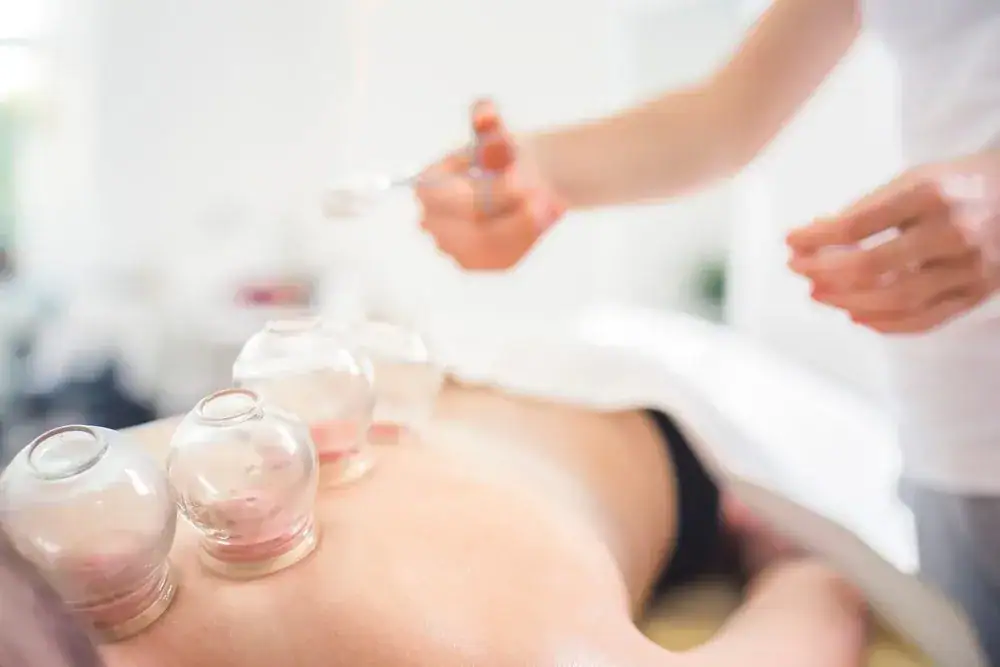
Yes, but it depends on what’s causing your back pain. Cupping therapy is effective for muscle-related pain, tension, and tightness because it improves blood flow and releases fascia that’s been locked up. If your pain is coming from a herniated disc or nerve compression, cupping can still help manage symptoms, but it’s not going to fix the structural issue on its own.
Research shows that cupping reduces pain levels and improves mobility for people dealing with chronic lower back pain, especially when combined with physical therapy. You’re not just getting temporary relief—you’re addressing the inflammation and restricted movement that keep the pain cycle going.
Most people feel some improvement after the first session, but chronic issues usually require multiple treatments. We’ll assess your specific situation and let you know what kind of timeline makes sense. If cupping isn’t the right fit, we’ll tell you that too.
Dry cupping uses suction alone to lift tissue and increase circulation. Wet cupping involves making small incisions in the skin before applying the cups, which draws out a small amount of blood along with the suction. The idea is that it removes toxins and promotes deeper healing, but it’s more invasive and not necessary for most people.
At Medcare, we primarily use dry cupping because it’s safe, effective, and doesn’t require any cutting or bleeding. It works well for pain relief, muscle relaxation, and improving range of motion without added risk or recovery time.
Wet cupping has its place in certain traditional practices, but for the majority of physical therapy patients in Sayville dealing with everyday pain and mobility issues, dry cupping gets the job done. It’s less intimidating, easier to recover from, and just as effective for the conditions we treat most often.
Usually between three and seven days, depending on how much suction was used and how your body responds. The marks look like circular bruises, but they’re actually just areas where blood flow increased during treatment. They’re not painful and they fade on their own.
Some people barely get any marks at all. Others get darker circles that stick around for a week. It’s not a reflection of whether the treatment worked—it’s just how your tissue reacted to the suction.
If you have an event coming up or you’re concerned about visible marks, let us know before your session. We can adjust the intensity or focus on areas that won’t be visible. The marks don’t affect your recovery or limit what you can do afterward, so most people don’t worry about them once they understand what’s happening.
Absolutely. Athletes use cupping therapy to speed up recovery, reduce soreness, and improve flexibility. It’s especially helpful after intense training or competition when your muscles are tight and inflamed. The increased blood flow helps clear out metabolic waste and delivers oxygen and nutrients that your muscles need to repair.
If you’re dealing with a specific injury—like a strained hamstring or shoulder pain—cupping can target that area and reduce inflammation faster than rest alone. It’s not a replacement for proper rehab, but it’s a solid addition that helps you get back to training sooner.
We work with plenty of active individuals in Sayville who use cupping as part of their regular recovery routine. Whether you’re a weekend warrior or a serious competitor, the goal is the same: less downtime, better performance, and fewer recurring injuries. Cupping supports that by keeping your soft tissue healthy and responsive.
It depends on your plan and how the treatment is billed. If cupping is part of a physical therapy session that’s covered by your insurance, there’s a good chance it’s included. Medicare often covers physical therapy services, and since we accept Medicare, many of our patients receive cupping as part of their covered treatment plan.
You’ll want to check with your specific insurance provider to confirm coverage details. We can help you navigate that process and provide the documentation you need to submit claims if necessary.
Even if cupping isn’t fully covered, the out-of-pocket cost is usually manageable—typically between $50 and $150 per session depending on what’s involved. Compare that to ongoing medication costs or more invasive procedures, and it’s often a more affordable option in the long run, especially if it helps you avoid bigger problems down the road.
Most people notice some improvement after one or two sessions, but lasting results usually take longer. If you’re dealing with acute pain from a recent injury, you might only need a handful of treatments. Chronic conditions like ongoing back pain or arthritis typically require weekly sessions over several weeks to make a real difference.
We’ll give you a realistic timeline based on your specific situation during your initial assessment. There’s no point in dragging out treatment if it’s not working, and there’s no point in stopping early if you’re making progress but haven’t reached your goals yet.
The key is consistency. Sporadic sessions won’t give your body the sustained support it needs to heal properly. Plan on committing to a treatment schedule, and we’ll adjust as you improve. Some patients continue with maintenance sessions once a month after their initial recovery to keep pain from coming back. Others graduate out of treatment entirely once they’ve regained full function.
Other Services we provide in Sayville