
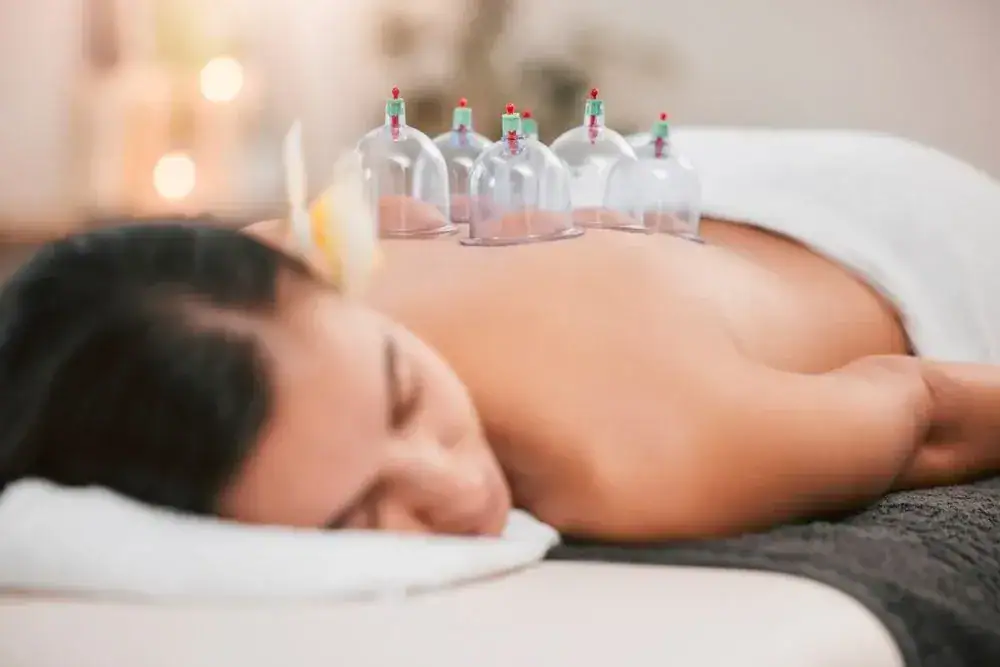
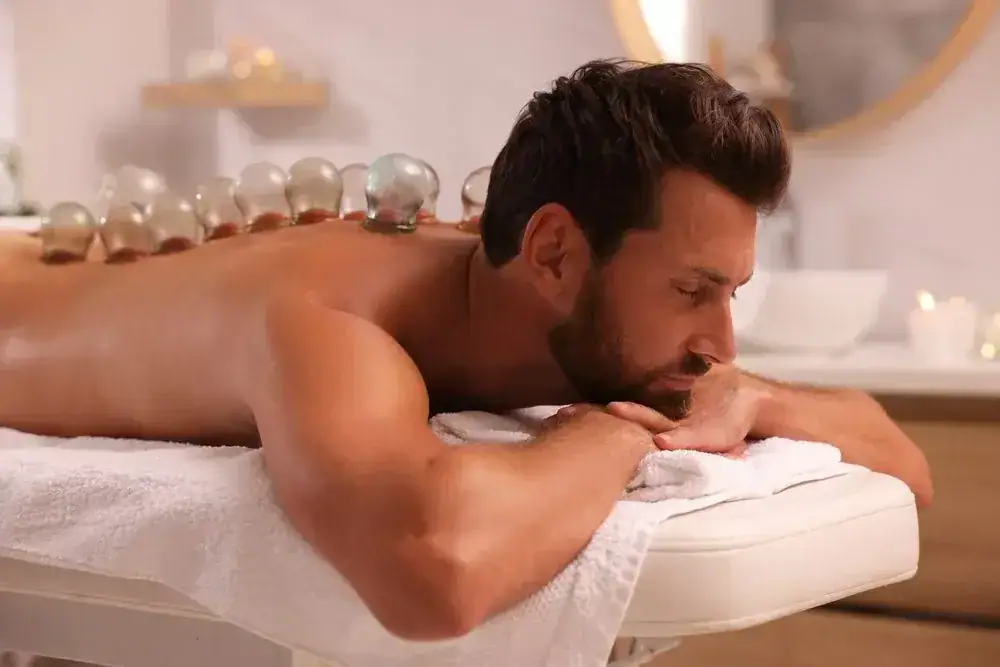
You know that deep ache in your back that won’t quit? The neck tension that’s there when you wake up and worse by dinner? Cupping therapy uses controlled suction to pull blood flow into tight, painful areas—releasing the knots your hands can’t reach and your heating pad can’t touch.
It’s not magic. It’s mechanical. The cups create negative pressure that lifts tissue, separates stuck fascia, and gives your muscles room to relax. Most people feel looser after the first session. Some get relief that lasts days. Others use it as part of a bigger plan to manage chronic pain, improve range of motion, or recover faster from injury.
This isn’t about trends or Instagram circles on your skin. It’s about function. If your shoulder won’t rotate, your lower back locks up when you stand, or your knees ache every time you climb stairs, cupping therapy might be the reset your body needs. And because we bring it to your home in Sands Point, you don’t have to drive anywhere or sit in a waiting room to get it.
We’ve been serving Long Island for over a decade. We specialize in home-based physical therapy for people who can’t easily leave the house—or just don’t want to waste time commuting for care they can get at home.
Our therapists are trained in cupping therapy alongside other evidence-based treatments. We accept Medicare and most commercial insurance. Every profile is verified, every therapist is licensed, and every patient gets a personalized plan that actually fits their life. We’re not a franchise. We’re a local practice that treats people like family, not case numbers.
Sands Point residents deal with the same issues we see across Nassau County: aging joints, post-surgical recovery, chronic pain that’s been ignored too long. We show up, we listen, and we help you move better without the runaround.
First visit starts with an evaluation. Your therapist asks about your pain, your history, what you’ve tried, and what’s not working. They’ll assess your range of motion, check your posture, and figure out where the restrictions are. Then they’ll explain whether cupping makes sense for your situation—and if it does, what to expect.
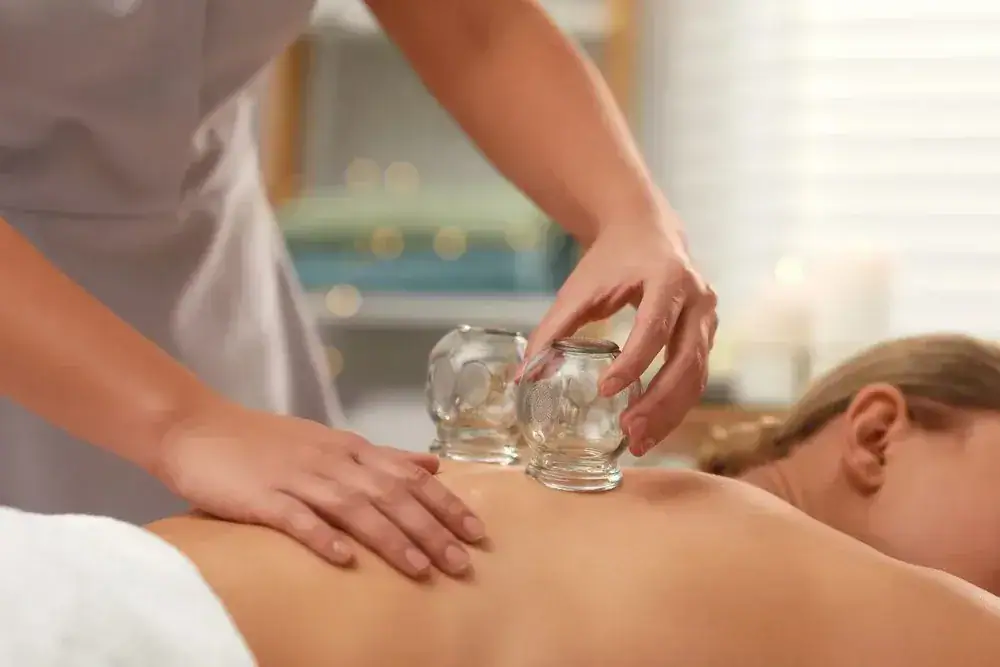
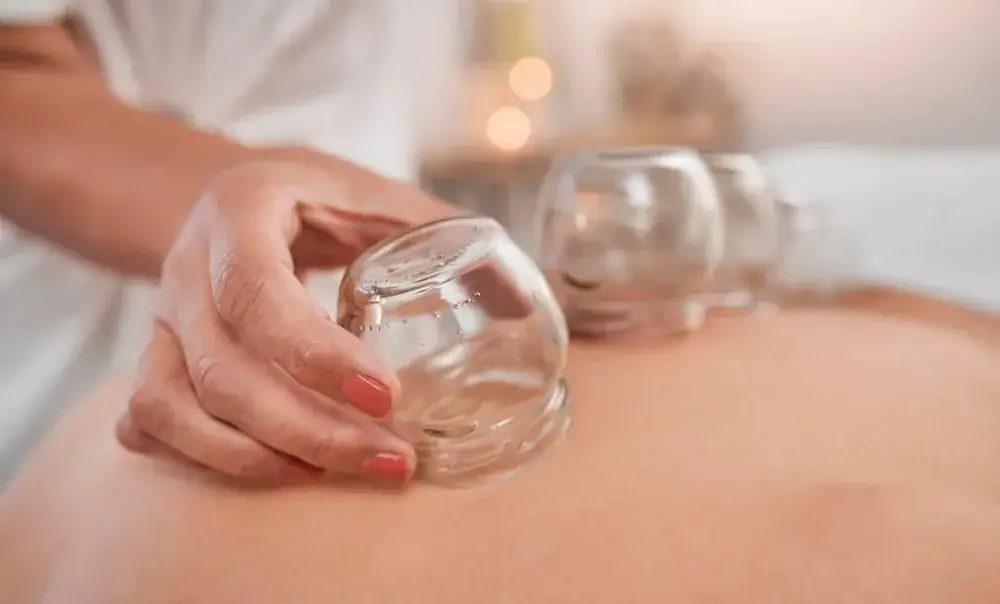
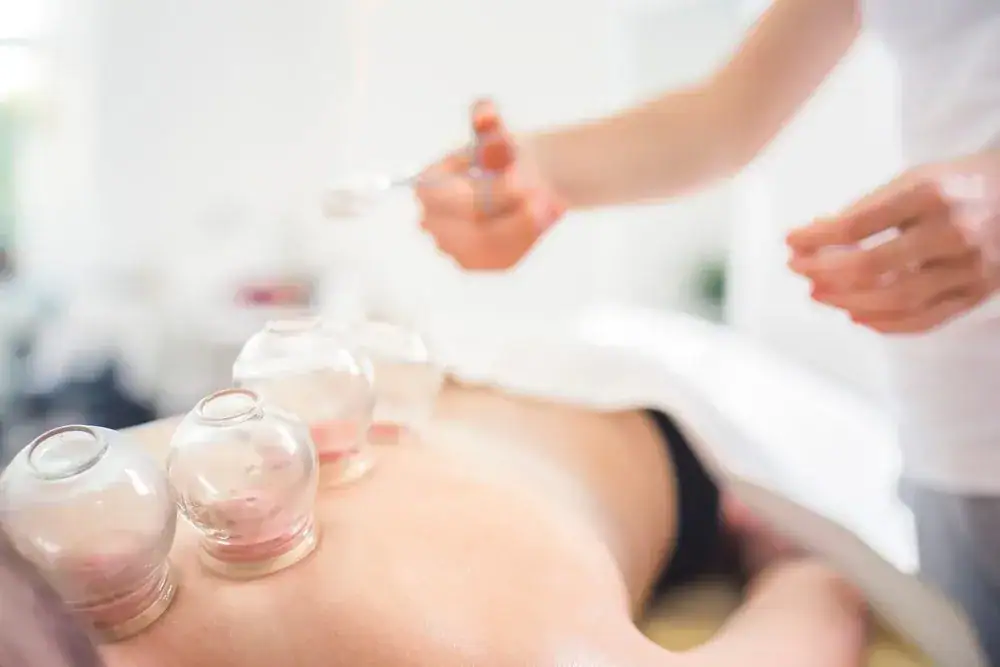
During the session, small cups are placed on your skin over the problem areas. A pump or heat creates suction, pulling tissue upward into the cup. You’ll feel pressure, maybe some tightness, but it shouldn’t hurt. The cups stay on for 5 to 15 minutes depending on the technique. Dry cupping doesn’t involve needles or cuts—just suction.
Afterward, you might see circular marks. They’re not bruises. They’re caused by increased blood flow and usually fade in a few days. Most people feel immediate relief in the treated area—less tightness, better movement, reduced pain. Some feel sore the next day, like after a deep massage. That’s normal.
Your therapist will build cupping into a broader treatment plan if needed. It works well alongside stretching, strengthening exercises, and manual therapy. The goal isn’t just short-term relief—it’s helping you function better long-term.
Ready to get started?
You get a licensed physical therapist who comes to your home in Sands Point with all the equipment needed. No driving to an office. No waiting rooms. No splitting attention with three other patients being treated at the same time.
Sessions typically last 45 to 60 minutes. Cupping is often combined with other hands-on techniques depending on what your body needs that day. You’re not locked into one approach. If something’s not working, we adjust. If you’re progressing faster than expected, we move forward.
Nassau County has one of the highest concentrations of older adults on Long Island. Many are dealing with arthritis, limited mobility, or recovery from falls and surgeries. Cupping therapy helps manage pain without adding more prescriptions. It improves circulation in areas that have been stiff for years. And because it’s done at home, it removes one of the biggest barriers to consistent care: transportation.
We accept Medicare Part B, which covers outpatient physical therapy when medically necessary. Most commercial plans cover it too. We handle the billing and verification so you’re not guessing what’s covered.
Yes, but it depends on what’s causing the pain. Cupping works well for muscular tightness, fascial restrictions, and pain related to poor circulation or trigger points. If your back pain comes from a herniated disc, spinal stenosis, or nerve compression, cupping can help manage symptoms but won’t fix the underlying issue.
Research shows cupping significantly reduces pain in people with chronic low back pain, especially when combined with other physical therapy treatments like stretching and strengthening. It’s not a standalone cure. It’s a tool that helps your muscles relax, improves blood flow to the area, and gives your therapist better access to treat deeper restrictions.
Most people notice some relief after the first session. Real improvement comes with consistency. If you’ve been dealing with back pain for months or years, one session won’t undo all of it. But regular treatment over a few weeks can reduce pain levels, improve how you move, and help you get back to activities you’ve been avoiding.
You’ll likely have circular marks where the cups were placed, but they’re not bruises in the traditional sense. Bruises happen when blood vessels break and leak under the skin. Cupping marks are caused by increased blood flow and the drawing of stagnant fluids to the surface. They look like dark circles and can range from light pink to deep purple depending on how much tension or stagnation was in that area.
These marks don’t hurt. They fade on their own, usually within three to seven days. Some people don’t get marks at all, especially if the suction is lighter or their tissue responds differently. The intensity of the marks doesn’t determine how effective the treatment is.
If you’re concerned about visible marks for an event or work, let your therapist know. They can adjust the pressure or place cups in areas that won’t be visible. The marks are a normal part of the process, but they’re not required for cupping to be effective.
Yes, when it’s provided as part of a physical therapy treatment plan. Medicare Part B covers outpatient physical therapy services, including cupping, as long as it’s medically necessary and performed by a licensed therapist. That means a doctor or therapist has evaluated you and determined that cupping will help with a specific condition like chronic pain, limited range of motion, or recovery from injury.
Medicare doesn’t cover cupping if it’s done for general wellness or relaxation. It has to be part of a documented treatment plan with clear goals and progress tracking. We handle all the billing and verification, so you’re not left figuring out coverage on your own.
Most commercial insurance plans follow similar guidelines. If you’re unsure whether your plan covers home-based physical therapy or cupping specifically, we can check before your first visit. There’s no guessing. You’ll know what’s covered and what your responsibility is before we start treatment.
Massage uses pressure to push into tissue. Cupping uses suction to pull tissue upward. Both can relieve tension and improve circulation, but they work in opposite directions and affect the body differently.
Massage is great for surface-level muscle tightness and relaxation. Cupping goes deeper. It lifts and separates layers of fascia that have become stuck together, which is common in people with chronic pain or old injuries. That separation creates space for better movement and blood flow. It also triggers a healing response that brings white blood cells and nutrients to the area.
Cupping is often more effective for stubborn knots, scar tissue, and areas that don’t respond well to traditional massage. It’s also faster. A few minutes of cupping can release tension that would take 20 minutes of hands-on work to address. Many physical therapists use both techniques in the same session depending on what the patient needs. They’re not competing approaches—they’re complementary.
Cupping is most effective for musculoskeletal pain—back pain, neck pain, shoulder tightness, knee pain, and hip stiffness. It’s commonly used to treat chronic conditions like arthritis, tendonitis, and myofascial pain syndrome. It also helps with acute issues like muscle strains, post-surgical tightness, and limited range of motion after an injury.
Beyond pain, cupping improves circulation, which is helpful for people with poor blood flow, swelling, or slow-healing injuries. Some therapists use it to reduce inflammation, release scar tissue, or prepare muscles before stretching and strengthening exercises.
It’s not a fit for every condition. If you have a bleeding disorder, take blood thinners, or have fragile skin, cupping may not be safe. It won’t help with conditions that require surgical intervention, like a torn rotator cuff or severe spinal degeneration. But for functional pain that’s limiting your daily life—getting out of bed, reaching overhead, walking without stiffness—cupping can make a real difference when used as part of a complete treatment plan.
It depends on what you’re treating and how long you’ve had the problem. Acute pain from a recent injury might improve in two to four sessions. Chronic pain that’s been building for years usually takes longer—six to eight sessions or more to see lasting change.
Your therapist will give you a clearer timeline after the initial evaluation. They’ll consider your pain level, range of motion, how your body responds to the first session, and what other treatments you’re doing alongside cupping. Some people come once a week. Others need twice a week at first, then taper off as they improve.
The goal isn’t endless treatment. It’s getting you functional again and giving you tools to manage pain on your own. If cupping isn’t helping after a few sessions, your therapist will adjust the plan or recommend a different approach. You’re not locked into a set number of visits. Progress determines the timeline, not a preset package.
Other Services we provide in Sands Point