
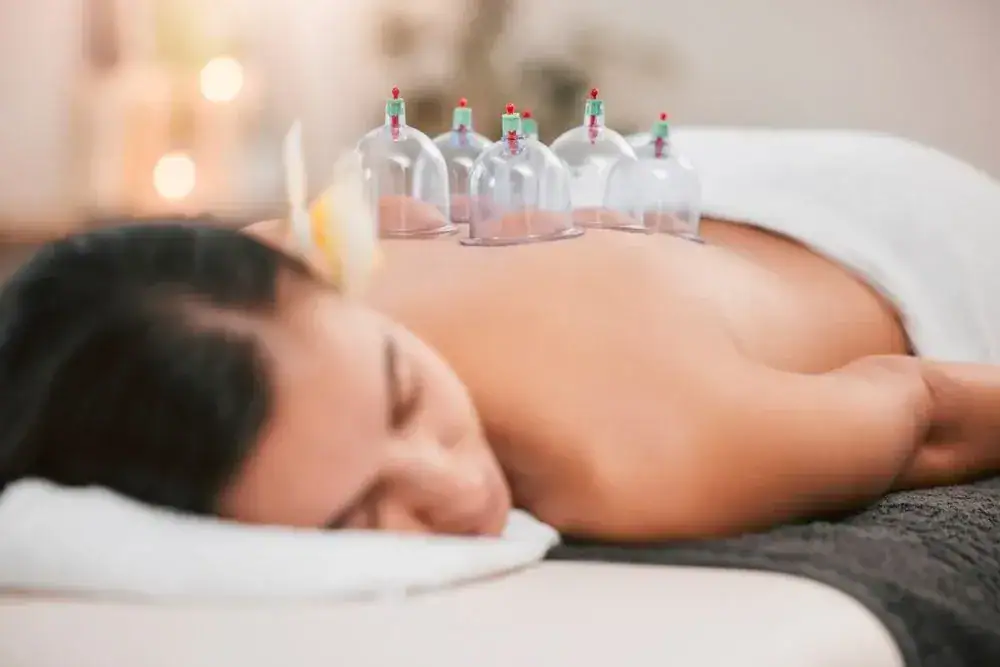
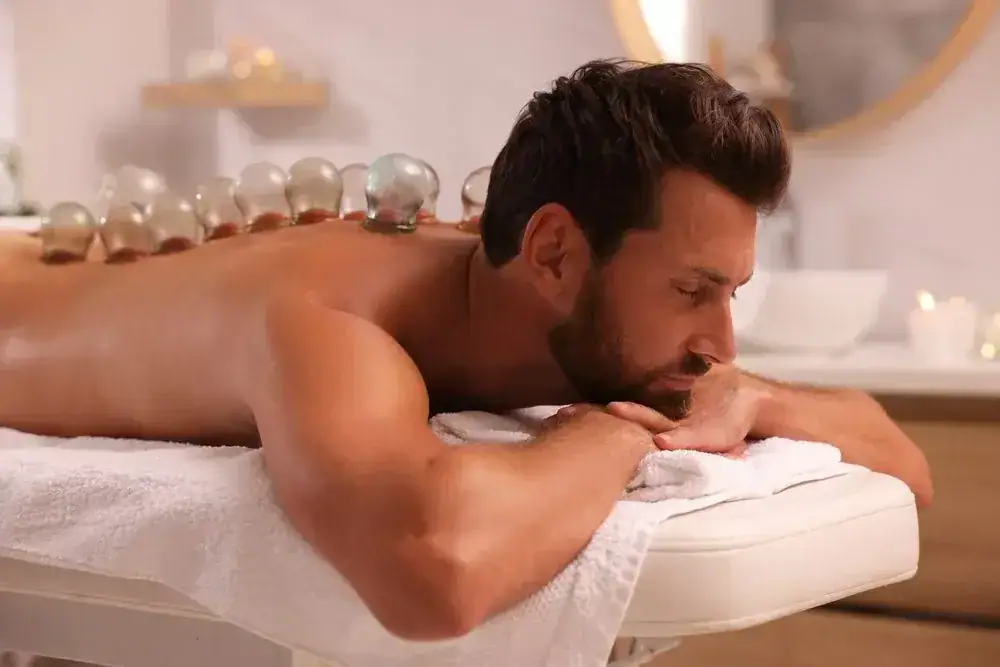
Chronic back pain doesn’t care that you’re trying to enjoy your morning walk to the bay. Tight shoulders don’t take a break when you’re out on the water. You’ve probably tried the usual route—pills that barely touch it, appointments that eat up half your day, treatments that feel more like checking a box than actually fixing anything.
Cupping therapy works differently. It increases blood flow to areas that have been tight or inflamed for months. It releases fascial adhesions that keep you stiff. It reduces muscle tension without you having to do anything except show up—or in this case, stay home while we come to you.
You’re not looking for temporary relief. You want to get back to tennis without that nagging shoulder pain. You want to sleep through the night without your lower back waking you up. Cupping therapy addresses the inflammation and restricted movement that’s been holding you back, and it does it without surgery, injections, or another prescription.
We’ve been providing home-based physical therapy across Long Island since 2010. We’re licensed professionals who accept Medicare and most commercial insurance, which means you’re not paying out of pocket for care that should be covered.
Saltaire presents unique challenges for healthcare access. Your local doctor’s office runs limited summer hours and sporadic off-season coverage. Getting to a mainland clinic means ferry schedules, travel time, and logistics that turn a 45-minute appointment into a half-day commitment.
We bring the same quality therapy you’d receive in a clinical setting directly to your home. Our therapists are trained in cupping therapy, dry needling, manual therapy, and other evidence-based treatments. You get professional care without the commute, and we treat you like family because that’s how small communities should work.
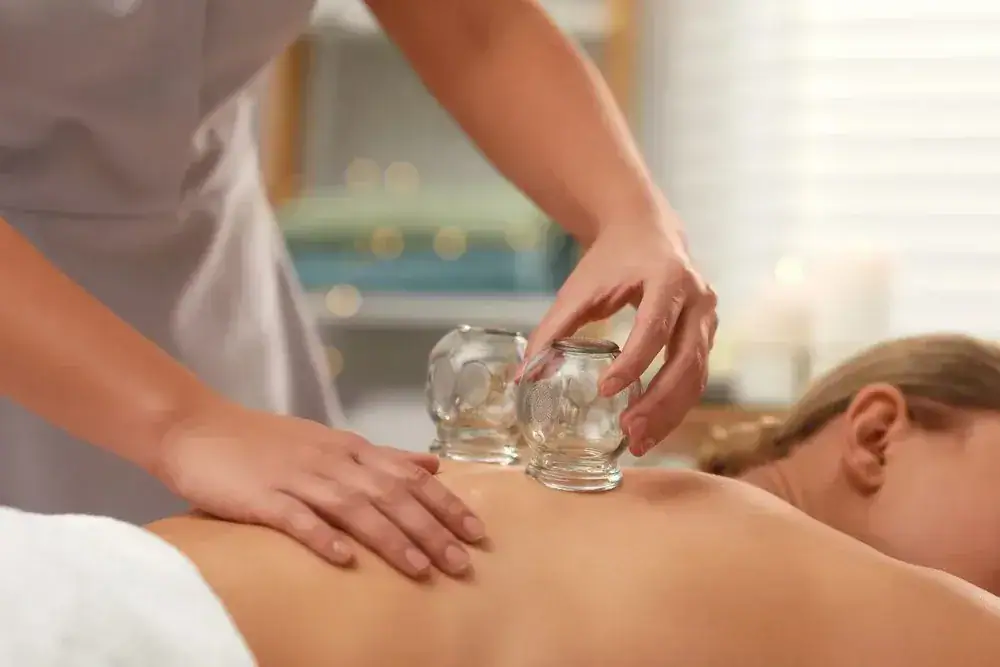
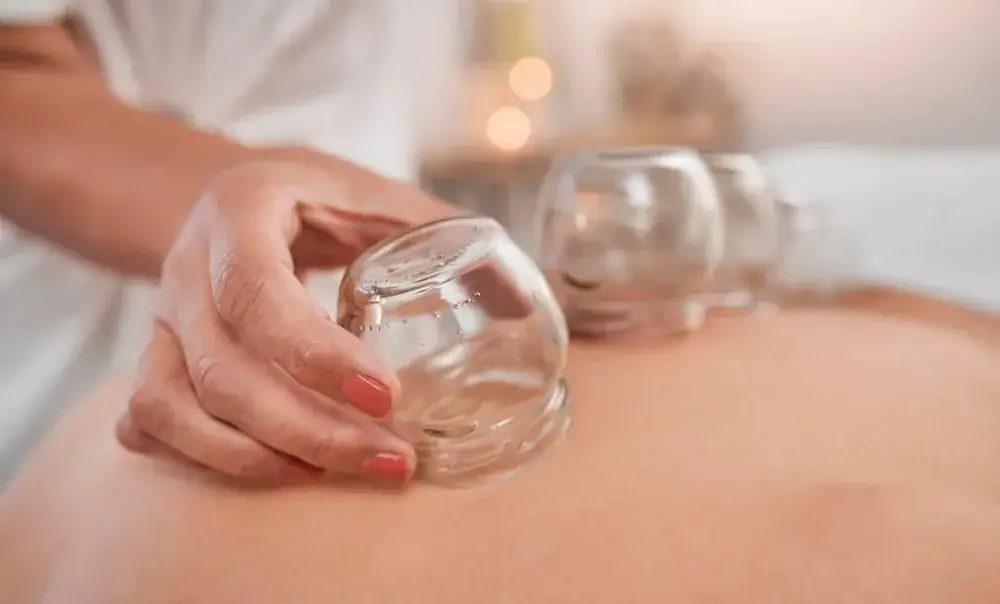
Cupping therapy uses suction to lift tissue away from underlying structures. We place specialized cups on your skin—usually your back, shoulders, neck, or legs—and create negative pressure that draws blood to the area. This isn’t some mysterious ancient ritual. It’s a mechanical process that increases circulation, reduces inflammation, and helps tight muscles finally release.
There are two main approaches. Dry cupping involves placing cups on specific points and leaving them stationary for several minutes. You’ll feel a pulling sensation, but it shouldn’t hurt. Dynamic cupping means we move the cups across your skin after applying oil, which helps release fascial restrictions along larger muscle groups.
Most people see circular marks afterward—they look like bruises but they’re not. They’re caused by the suction bringing blood to the surface, and they typically fade within a few days to a week. Some patients feel immediate relief. Others notice improvement over the next 24 to 48 hours as inflammation decreases and blood flow improves.
We usually integrate cupping into a broader physical therapy plan. That might include manual therapy, therapeutic exercises, or other modalities depending on what your body needs. The goal isn’t just short-term relief—it’s getting you back to the activities that matter without constantly managing pain.
Ready to get started?
Cupping therapy is particularly effective for chronic musculoskeletal pain—the kind that doesn’t respond well to rest or over-the-counter medication. We use it regularly for lower back pain, neck stiffness, shoulder impingement, and knee pain from osteoarthritis. If you’re dealing with muscle tightness from repetitive activities like tennis or sailing, cupping helps break up adhesions and restore normal movement patterns.
Active adults in Saltaire tend to push through discomfort until it becomes limiting. You’re used to jogging the boardwalks, playing doubles at the tennis courts, or spending hours on the water. When pain starts interfering with those activities, it’s not just physical—it affects your quality of life and your connection to this community.
Cupping also works well for headaches and migraines that stem from neck tension, sports-related injuries that need faster recovery, and general inflammation that makes everything feel harder than it should. Research shows it’s more effective than conventional treatment alone when combined with other physical therapy techniques, which is exactly how we use it.
Because we come to your home, you don’t have to time appointments around ferry schedules or deal with the hassle of getting to a mainland clinic. You schedule a session, we show up with everything we need, and you get professional treatment in your own space. It’s healthcare that actually fits into your life instead of disrupting it.
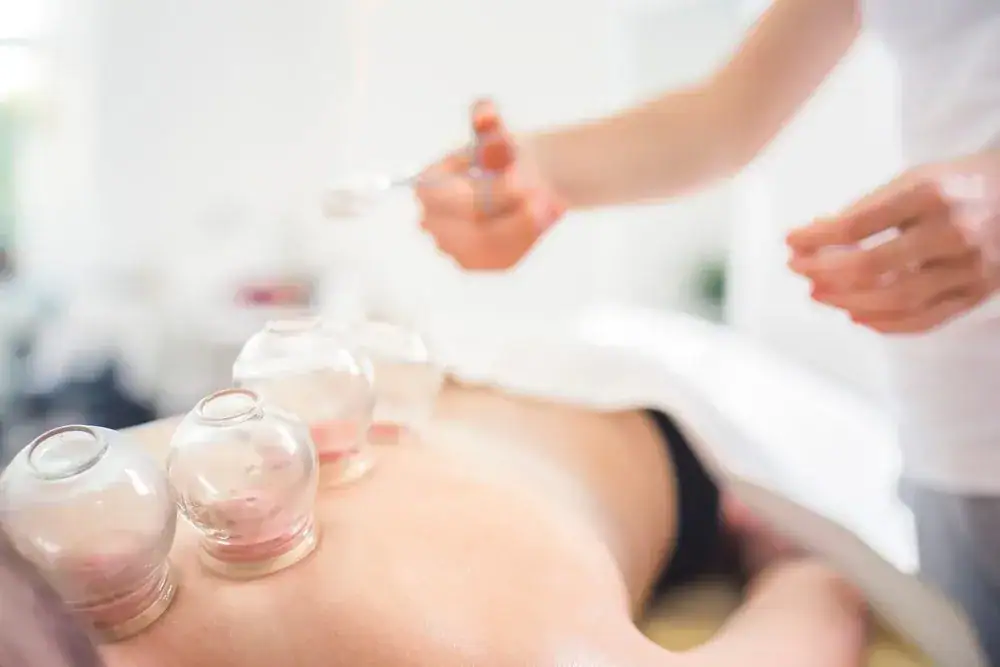
Cupping therapy has moderate-quality research backing its effectiveness for chronic pain conditions, particularly lower back pain, neck pain, and knee osteoarthritis. It’s not a trend—it’s been used for thousands of years and has recently gained attention because athletes and physical therapists recognize its mechanical benefits.
The suction created by cupping increases blood flow to areas with poor circulation, which helps reduce inflammation and speed up healing. It also creates space between tissue layers that have become stuck together, which is why people often feel immediate improvement in range of motion. Studies show that when combined with other physical therapy treatments, cupping is more effective at reducing musculoskeletal pain than conventional approaches alone.
That said, it’s not magic. It works best as part of a comprehensive treatment plan that addresses why you’re in pain in the first place. If your back hurts because of weak core muscles and poor posture, cupping will help with the immediate pain and tightness, but you’ll also need exercises and movement retraining to prevent it from coming back.
Yes, cupping typically leaves circular marks that look like bruises but aren’t actually bruises. They’re caused by the suction bringing blood to the surface of your skin. The marks are usually dark red or purple immediately after treatment, then fade to lighter shades over the next few days.
Most marks disappear completely within three to seven days, though this varies based on how much suction was used and how your body responds. People with better circulation tend to see marks fade faster. The marks don’t hurt—you might not even notice them unless you’re looking in a mirror.
If you have an event coming up where you’ll be in a bathing suit or sleeveless clothing, let your therapist know beforehand. We can adjust the treatment or focus on areas that won’t be visible. The marks are a normal part of the process and actually indicate that the therapy is working by increasing blood flow to areas that needed it.
When cupping therapy is provided as part of a physical therapy treatment plan, it’s typically covered by Medicare and most commercial insurance plans. We accept Medicare and nearly all commercial insurances, which means you’re paying whatever your normal copay or coinsurance would be for physical therapy—not some separate cash fee.
Insurance companies cover cupping when it’s medically necessary and performed by a licensed physical therapist for conditions like chronic pain, mobility issues, or injury recovery. It’s billed as part of your physical therapy session, not as a standalone spa service. That distinction matters because it means you’re getting legitimate healthcare treatment, not wellness services that come out of pocket.
We handle the insurance verification and billing process, so you don’t have to figure out coverage details on your own. Before your first session, we’ll confirm your benefits and let you know what to expect cost-wise. Most patients are surprised to learn their insurance covers home-based physical therapy including cupping—they assumed they’d have to pay cash or travel to a specialty clinic.
Cupping therapy and massage work in opposite directions mechanically. Massage uses compression—pushing down into tissue to release tension. Cupping uses negative pressure—pulling tissue up and away from underlying structures. This lifting action creates space between fascial layers, increases blood flow, and releases adhesions that compression alone can’t always reach.
Cupping is particularly effective for deeper restrictions and chronic tightness that hasn’t responded well to massage. It’s also more targeted. We place cups on specific areas based on your pain patterns and movement limitations, whereas massage typically addresses larger regions. Many patients describe cupping as feeling like a deep stretch from the inside out.
That said, we often combine cupping with manual therapy techniques during the same session. You might get cupping on your upper back to release fascial restrictions, then hands-on work to address muscle imbalances and joint mobility. The goal is always function—helping you move better and hurt less—not just relaxation, though most people find the treatment relaxing anyway.
Cupping therapy is highly effective for sports injuries, especially muscle strains, tendon inflammation, and recovery from overuse. Athletes use it because it speeds up healing by increasing blood flow to injured tissue and reducing inflammation that slows down recovery. If you’ve strained your rotator cuff playing tennis or tweaked your lower back while sailing, cupping helps your body heal faster than rest alone.
It’s also useful for injury prevention. Many sports-related injuries happen because muscles are tight, overworked, or not recovering properly between activities. Regular cupping sessions help maintain tissue mobility and reduce the buildup of tension that eventually leads to strains or tears. Think of it as maintenance that keeps you on the court or the water instead of sidelined.
We see a lot of active adults in Saltaire who don’t want to stop doing what they love but need help recovering smarter. Cupping fits into that approach because it’s non-invasive, doesn’t require downtime, and addresses both acute injuries and chronic tightness that makes you more vulnerable to getting hurt in the first place.
Home-based therapy eliminates the logistical barriers that keep people from getting consistent treatment. In Saltaire, getting to a mainland clinic means coordinating ferry schedules, travel time, and parking—all for a 45-minute appointment. That’s not realistic when you’re dealing with pain that needs regular attention, and it’s especially difficult during off-season months when transportation options are limited.
We bring the same professional equipment and licensed expertise to your home that you’d receive in a clinical setting. You’re not sacrificing quality for convenience. You’re getting effective treatment without the hassle, which means you’re more likely to stick with your therapy plan and actually see results.
Home-based care also allows us to assess how you move in your real environment. We can watch how you get up from your couch, navigate stairs, or perform daily activities that might be contributing to your pain. That context helps us design better treatment plans than we could in a generic clinic setting. You get personalized care that fits your life, your schedule, and your goals—not a one-size-fits-all approach that assumes everyone’s situation is the same.
Other Services we provide in Saltaire