
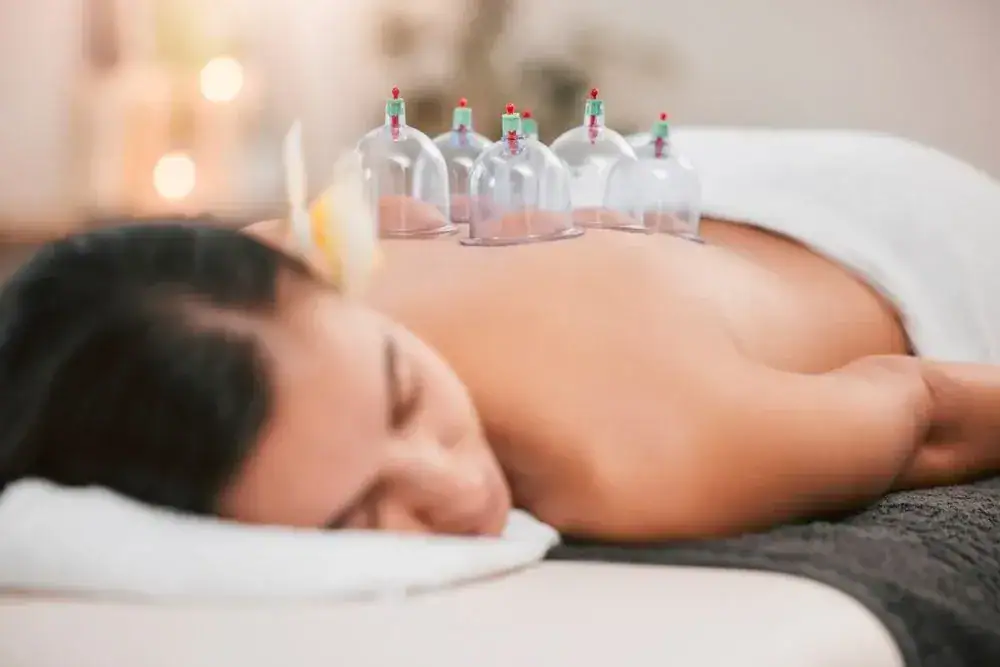

You’re dealing with pain that limits what you do. Maybe it’s your lower back after a long day, neck tension that won’t quit, or shoulders that feel locked up. You’ve tried stretching, heat, maybe even medication—but nothing sticks.
Cupping therapy works by creating suction on your skin that pulls blood into the affected area. More blood means more oxygen and nutrients reaching those tight, overworked muscles. That’s what starts the actual healing process.
Most people feel a difference after one session. The tightness eases. Range of motion improves. You’re not just masking the pain—you’re addressing what’s causing it. And because it’s non-invasive, there’s no recovery period. You can get back to your routine the same day.
If you’ve been managing chronic pain or muscle tension for months, this is a treatment that actually targets the root issue instead of just covering it up.
We’ve been treating patients across Long Island with a focus on personalized care and real results. Our team includes licensed physical therapists who use cupping as part of a broader treatment plan—not as a standalone gimmick.
We understand the Sagaponack lifestyle. You’re active, you value quality, and you don’t have time for treatments that don’t work. That’s why we combine evidence-based techniques with one-on-one attention. Every session is customized based on what your body needs that day.
Our locations are secure, our staff is trained, and our approach is transparent. You’ll know what we’re doing, why we’re doing it, and what to expect before, during, and after treatment.
First, we assess where you’re feeling pain or tightness. We’re looking at your range of motion, muscle tension, and any areas that are restricting movement. This isn’t a one-size-fits-all process.
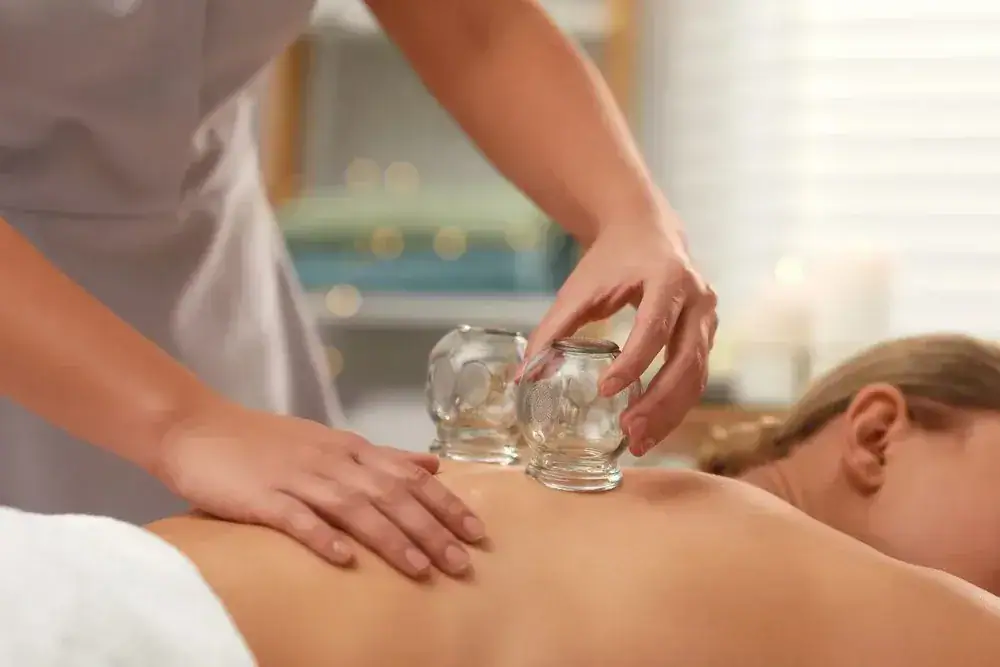
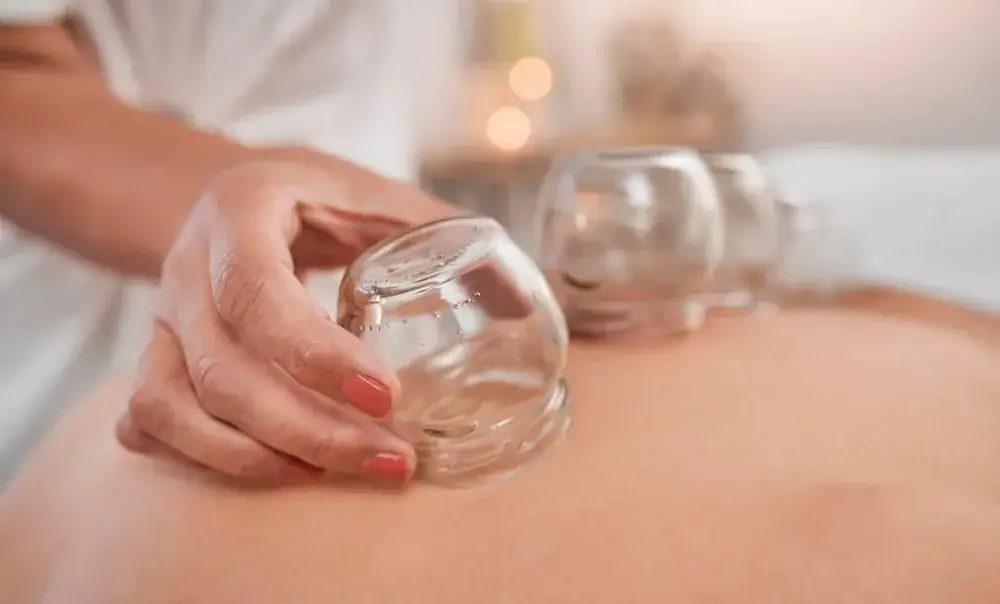
Next, we apply cups to the targeted areas. These are typically plastic or silicone cups that create suction using a hand pump—no fire, no guesswork. The suction pulls your skin up slightly, which increases blood flow to the muscle tissue underneath. You’ll feel pressure, but it shouldn’t hurt.
We leave the cups in place for 5 to 15 minutes depending on the treatment area and your tolerance. Some people feel immediate relief. Others notice the difference a few hours later as inflammation decreases and mobility improves.
After we remove the cups, you might see circular marks on your skin. That’s normal—it’s not a bruise, it’s increased blood flow. The marks fade within a few days. We’ll also talk through what you should do next: stretches, hydration, follow-up sessions if needed.
Ready to get started?
Cupping therapy at Medcare isn’t just about placing cups on your back and calling it a day. It’s integrated into a full physical therapy plan that might also include manual therapy, stretching, or strengthening exercises depending on what your body needs.
You’re getting a licensed professional who understands musculoskeletal pain. We treat conditions like chronic lower back pain, neck stiffness, shoulder tension, and even post-workout soreness. Research shows cupping can reduce pain intensity and improve function—especially when combined with other therapies.
In Sagaponack, where many residents maintain active lifestyles well into their 60s and beyond, staying mobile matters. You don’t want to slow down because of pain you can actually treat. Cupping helps with muscle recovery, reduces stiffness, and supports better circulation—all things that keep you moving the way you want to.
We also work around your schedule. Sessions typically last 30 to 45 minutes, and you can book them at times that fit your week. No lengthy recovery, no downtime—just targeted relief that works with your life, not against it.
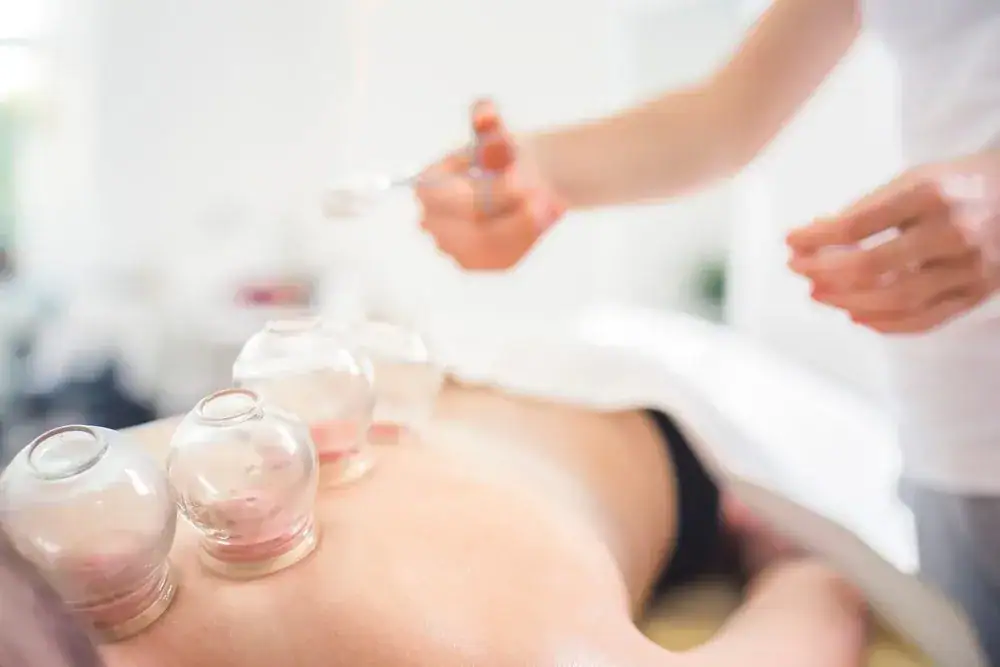
Yes, but it depends on what’s causing your pain. Cupping has been shown in multiple studies to help with chronic lower back pain, neck pain, and muscle tension. It works by increasing blood flow to the affected area, which helps reduce inflammation and promotes healing.
That said, it’s not a magic fix. If your pain is caused by a structural issue like a herniated disc or severe arthritis, cupping can help manage symptoms but won’t cure the underlying problem. It’s most effective when used as part of a broader treatment plan that includes stretching, strengthening, and other physical therapy techniques.
Most patients feel some relief after the first session, but lasting results usually require multiple treatments over a few weeks. Think of it like physical therapy in general—you’re retraining your body, not just masking discomfort.
You’ll feel a pulling sensation where the cups are placed. It’s not painful, but it’s also not exactly comfortable—especially if the muscle underneath is really tight. Most people describe it as a deep pressure, similar to a firm massage.
The suction can feel intense for the first minute or two, but your body adjusts quickly. If it ever feels too strong, let your therapist know. We can adjust the pressure to keep you comfortable while still getting results.
After the cups come off, the area might feel a little tender or sensitive, kind of like you just had a deep tissue massage. That usually fades within a few hours. Some people feel looser and more relaxed right away. Others notice the biggest difference the next day once inflammation has gone down.
You’ll likely see circular marks where the cups were placed, but they’re not bruises in the traditional sense. Bruises happen when blood vessels break. Cupping marks happen because blood is drawn to the surface of the skin—it’s part of how the therapy works.
The marks can range from light pink to deep purple depending on how much tension or stagnation was in that area. They typically fade within three to seven days. If you have an event coming up where you don’t want visible marks, just let us know and we can adjust placement or intensity.
The marks don’t hurt. You might forget they’re even there until you look in the mirror. And while they can look dramatic, they’re actually a sign that blood flow increased to that area, which is exactly what we’re trying to achieve.
It depends on what we’re treating and how long you’ve been dealing with it. Acute issues like post-workout soreness or a recent strain might only need one or two sessions. Chronic pain that’s been building for months or years usually requires a series of treatments—often six to eight sessions over a few weeks.
We’ll assess your progress after each session. If you’re responding well, we might space appointments further apart. If you’re not seeing the results we expect, we’ll adjust the treatment plan or combine cupping with other therapies.
The goal isn’t to keep you coming back indefinitely. It’s to get you functional, pain-free, and equipped with the tools to maintain that on your own. Some patients come back for maintenance sessions every few months. Others are good after the initial series.
Cupping is generally safe when performed by a licensed professional, but it’s not right for everyone. If you have certain skin conditions, blood disorders, or are on blood thinners, we’ll need to evaluate whether it’s appropriate for you.
Pregnant women can usually receive cupping, but we avoid certain areas and adjust the intensity. If you have open wounds, sunburn, or skin infections in the treatment area, we’ll wait until those heal.
Before your first session, we’ll go through your medical history and any current medications. This isn’t just a formality—it’s how we make sure the treatment is safe and effective for your specific situation. If cupping isn’t the right fit, we’ll recommend alternatives that can still address your pain.
Absolutely. In fact, that’s how we typically use it. Cupping works well alongside manual therapy, therapeutic exercise, and other modalities like heat or electrical stimulation. The combination often produces better results than any single treatment alone.
For example, if you’re dealing with tight hip flexors, we might use cupping to increase blood flow and reduce muscle tension, then follow up with stretching and strengthening exercises to address the underlying weakness. Or if you have chronic neck pain, we might combine cupping with manual therapy to release trigger points and improve mobility.
The key is creating a treatment plan that addresses your specific issue from multiple angles. Cupping is one tool in a larger toolkit. We use it when it makes sense, and we skip it when something else will work better. You’re not locked into one approach—we adjust based on what your body responds to.
Other Services we provide in Sagaponack