
That constant ache in your back or neck isn’t just annoying. It’s limiting what you can do, how you sleep, and how you move through your day.
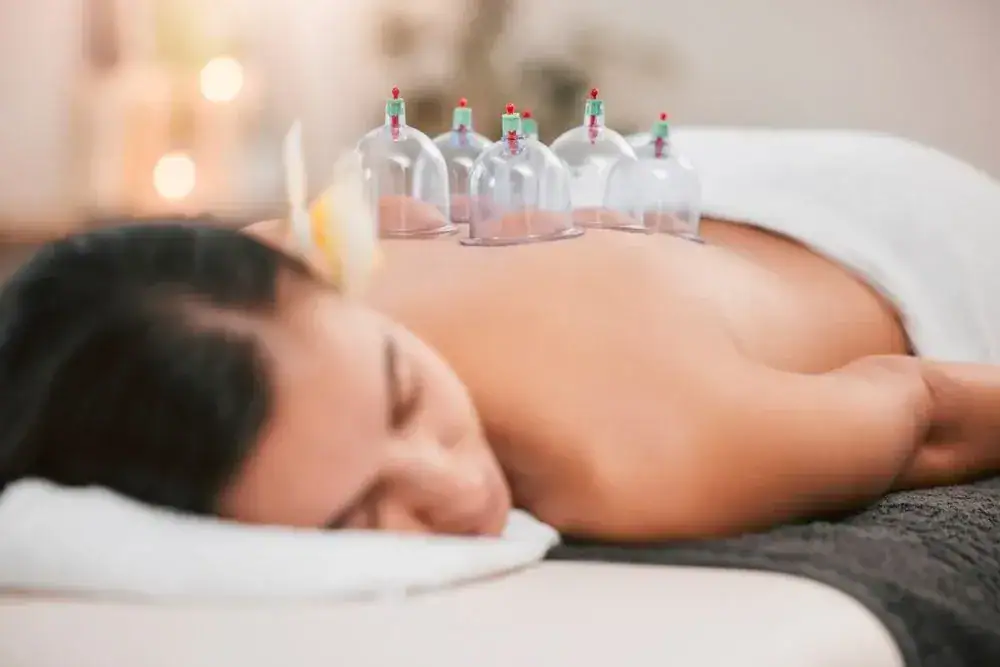
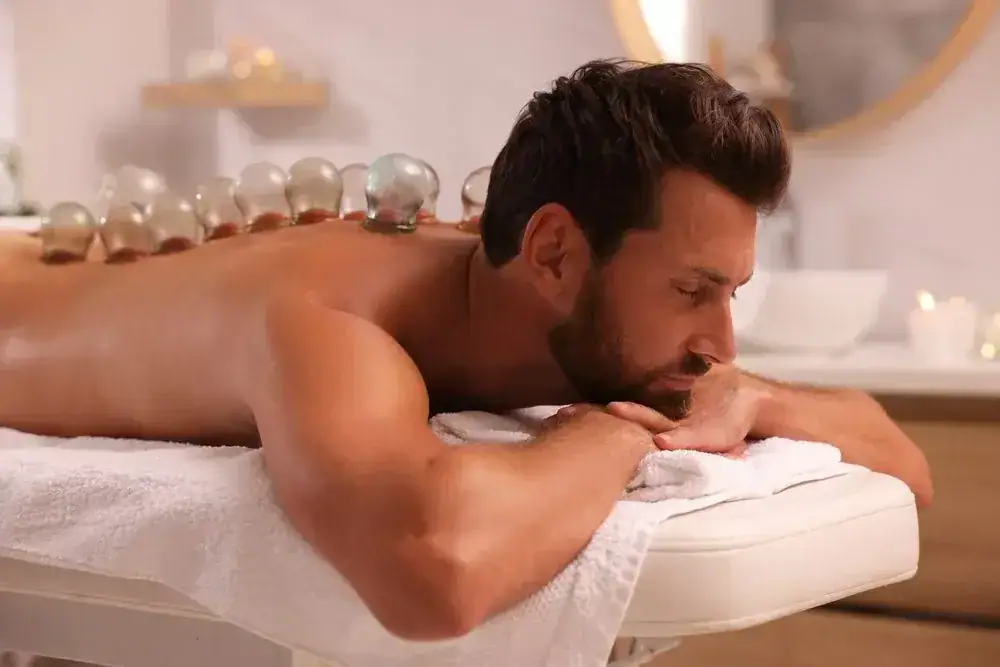
Cupping therapy works by creating suction on your skin that pulls blood to the area, loosens fascia, and releases muscle tension you’ve been carrying for months. You’re not masking pain—you’re addressing what’s causing it. The cups stay in place for several minutes while your body responds, increasing circulation and triggering natural pain relief processes.
Most people notice less stiffness and better range of motion after just a few sessions. You’ll move easier. Sleep better. Get back to activities that hurt too much before. It’s not a miracle fix, but it’s a proven method that works when other treatments haven’t given you the results you need.
We’ve been serving Long Island since 2010. We bring licensed physical therapists directly to your home in Russell Gardens and surrounding Nassau County areas because we know getting to an office isn’t always easy when you’re in pain.
Our therapists are trained in modern cupping techniques alongside other manual therapy methods. Every treatment plan starts with an evaluation of your specific condition, your medical history, and what you’re trying to get back to doing. We don’t use a one-size-fits-all approach because your pain isn’t generic.
Russell Gardens residents choose us because we treat you like family, not a number. You get the same therapist each visit, someone who knows your progress and adjusts your care as you improve.
Your first appointment starts with a full evaluation. Your therapist asks about your pain—where it is, how long you’ve had it, what makes it worse. They’ll check your range of motion and muscle tension to figure out if cupping is right for your situation.
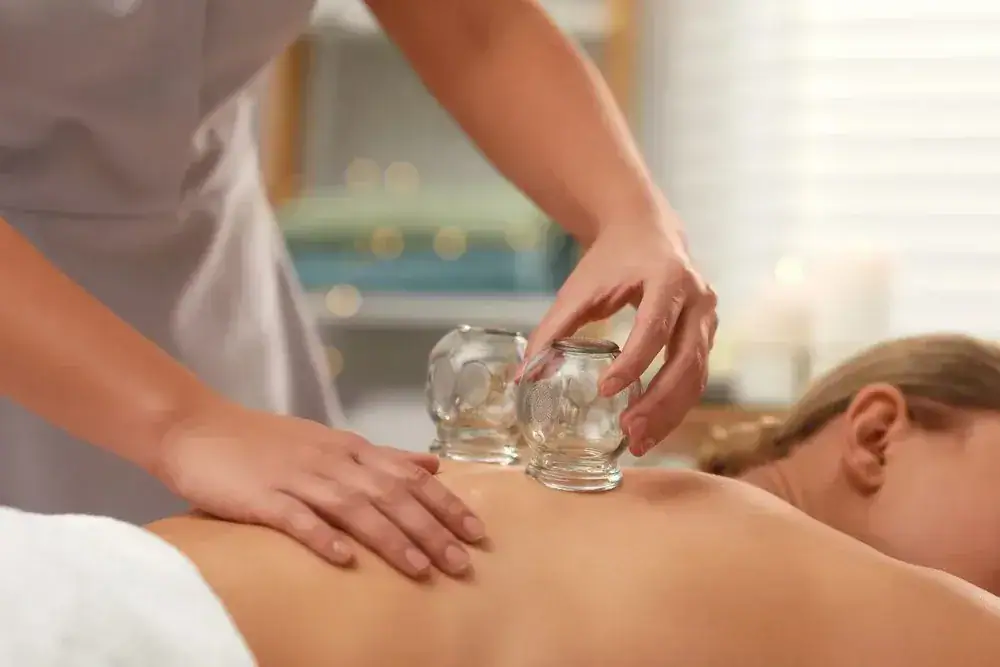
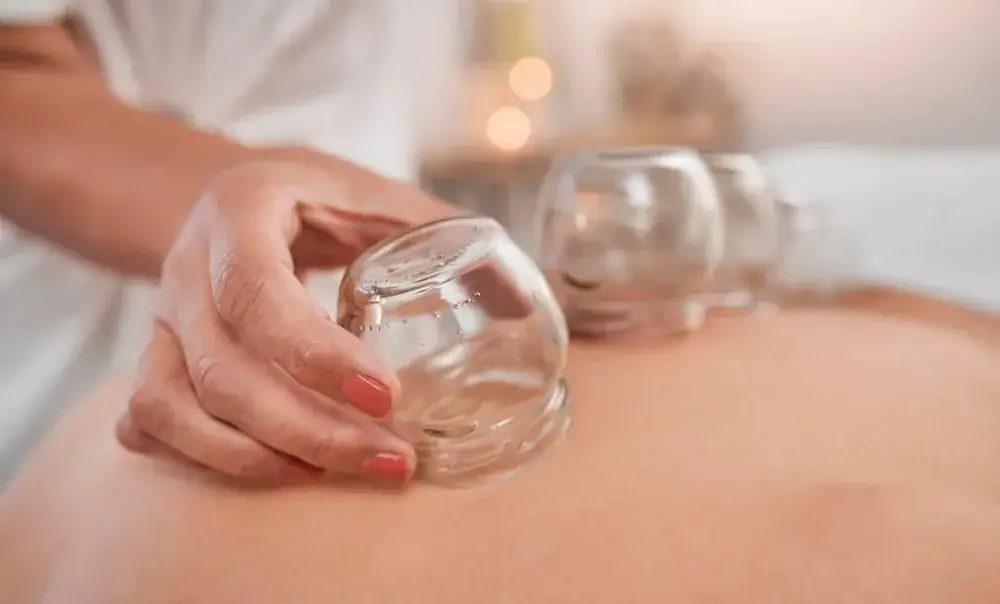
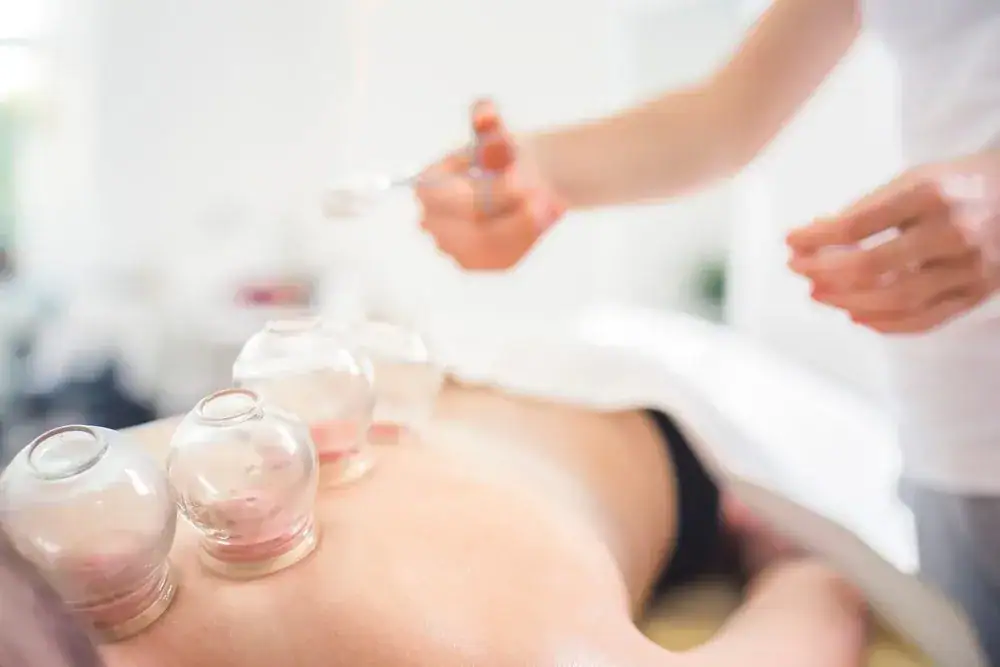
During the treatment, your therapist places specialized cups on the affected area. The suction pulls your skin up slightly, which increases blood flow and loosens tight tissue underneath. Dry cupping doesn’t break the skin—it’s non-invasive and generally comfortable. You might feel a pulling sensation, but it shouldn’t hurt.
Sessions typically last 30 to 45 minutes. The cups stay on for 5 to 15 minutes depending on your needs. Afterward, you may see circular marks where the cups were placed—that’s normal and fades within a few days. Your therapist will also guide you through stretches or exercises to extend the benefits between sessions. Most people need multiple treatments to see lasting improvement, and we’ll map that out with you based on how your body responds.
Ready to get started?
Each session includes a full assessment, hands-on cupping therapy, and a personalized plan that fits your goals. We don’t just apply cups and leave—you get manual therapy, targeted exercises, and education on how to manage your condition at home.
Russell Gardens and the surrounding North Shore communities have access to several therapy options, but not many offer in-home cupping with licensed physical therapists. That matters because convenience affects consistency, and consistency is what gets you results. If getting to an office means skipping sessions, you’re not going to improve as fast.
Cupping works especially well for chronic lower back pain, neck stiffness, shoulder tension, and muscle soreness from overuse or injury. It’s also effective for athletes dealing with tight muscles or limited mobility. We combine cupping with other techniques like myofascial release, stretching, and strengthening exercises so you’re not relying on one method alone. You’re getting a complete approach that addresses the root cause, not just temporary relief.
Yes, and the research backs it up. Multiple studies show that cupping therapy reduces pain intensity and improves function in people with chronic lower back pain and neck pain. It works by increasing blood circulation to the area, which helps reduce inflammation and muscle tightness.
The suction from the cups also stimulates nerves in a way that changes how your body perceives pain. You’re not just covering up symptoms—you’re triggering your body’s natural pain relief processes. That’s why many people feel less stiffness and better mobility after a few sessions.
It’s not a cure-all, and results vary depending on your condition and how long you’ve been dealing with pain. But for most people with musculoskeletal pain, cupping is a low-risk option that works well alongside other physical therapy methods. If you’ve tried other treatments without much success, cupping might be the missing piece.
Dry cupping is what we use at Medcare, and it’s the most common type in the United States. The cups create suction on your skin without breaking it. This increases blood flow, loosens tight muscles, and helps with pain relief and muscle relaxation.
Wet cupping involves making small incisions in the skin before applying the cups, which draws out a small amount of blood. It’s used more in traditional Chinese medicine and is believed to remove toxins. Wet cupping has a higher risk of infection and requires more aftercare.
Dry cupping is safer, less invasive, and just as effective for most pain conditions. It’s suitable for people who are new to cupping or prefer a gentler approach. You’ll see circular marks on your skin afterward, but there’s no bleeding, no cuts, and minimal discomfort. For chronic pain, muscle tension, and improving range of motion, dry cupping gets the job done without unnecessary risk.
Most people start noticing improvement after 3 to 5 sessions, but that depends on your condition and how long you’ve been dealing with pain. Acute injuries or recent muscle strain might respond faster. Chronic pain that’s been building for months or years usually takes longer.
Your therapist will evaluate your progress after each session and adjust the treatment plan as needed. Some people need weekly sessions for a few weeks, then taper off to maintenance visits. Others combine cupping with other physical therapy techniques for faster results.
The key is consistency. Skipping sessions or spacing them too far apart can slow your progress. We’ll give you a realistic timeline during your first visit based on your specific situation. You’re not locked into a rigid schedule—we adapt based on how your body responds. The goal is to get you feeling better and keep you there, not drag out treatment longer than necessary.
Cupping is considered safe when performed by a trained physical therapist. The most common side effect is circular bruising or discoloration where the cups were placed. These marks aren’t painful and usually fade within 3 to 7 days.
Some people feel mild soreness or tightness in the treated area for a day or two after the session, similar to how you might feel after a deep tissue massage. Drinking water and moving gently helps reduce this.
Cupping isn’t recommended if you have certain conditions like active skin infections, open wounds, or bleeding disorders. Your therapist will review your medical history before starting treatment to make sure it’s appropriate for you. Serious side effects are rare, especially with dry cupping. The treatment risks are low, and most people tolerate it well without any issues.
Absolutely. Cupping works well alongside other physical therapy methods like manual therapy, therapeutic exercises, and stretching. Many people also combine it with acupuncture, massage, or chiropractic care without any problems.
If you’re taking medication for pain or inflammation, cupping won’t interfere with that. It’s a complementary treatment, not a replacement. The goal is to give your body multiple ways to heal and reduce pain, not rely on just one method.
Let your therapist know what other treatments you’re doing so they can coordinate your care. For example, if you’re already getting massage therapy, we can time your cupping sessions to avoid overworking the same muscles too close together. Communication between providers helps you get better results without overdoing it. Cupping fits into most treatment plans easily because it’s non-invasive and doesn’t require downtime.
Convenience matters when you’re in pain. Driving to a clinic, sitting in a waiting room, and dealing with parking adds stress you don’t need. In-home therapy removes those barriers so you can focus on getting better.
You also get more personalized attention. Your therapist comes to your home, works with you one-on-one, and isn’t rushing to the next patient. That means longer sessions, better communication, and a treatment plan that actually fits your life.
For people in Russell Gardens who have mobility issues, chronic pain, or busy schedules, in-home cupping makes it easier to stay consistent with treatment. You’re more likely to follow through when therapy fits into your routine instead of disrupting it. Plus, you’re in a comfortable environment where you can relax, which helps your body respond better to treatment. It’s not just about convenience—it’s about creating the best conditions for you to heal.
Other Services we provide in Russell Gardens