
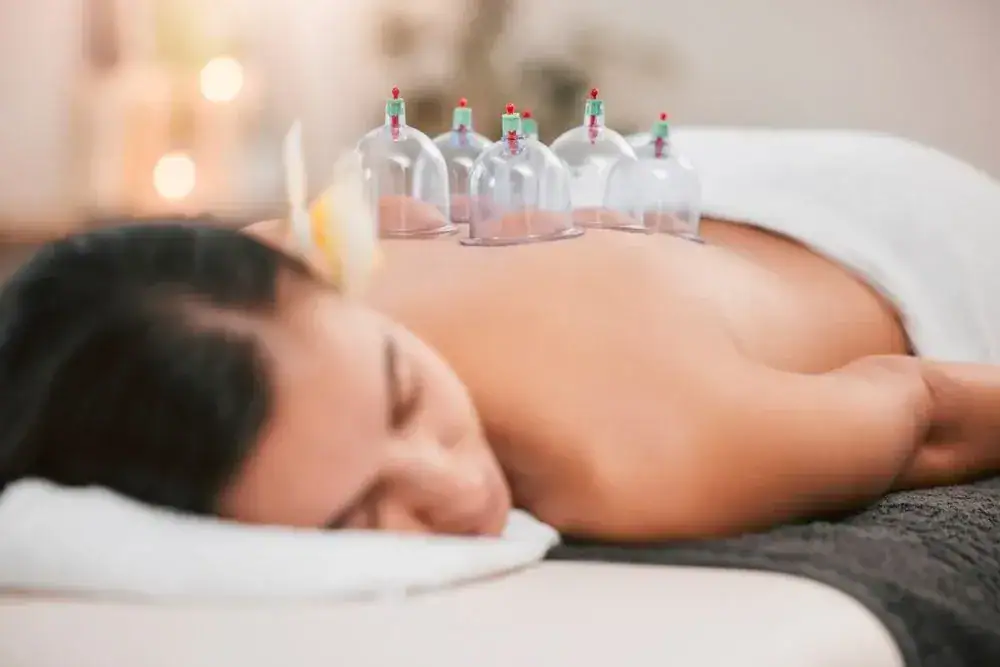

You’ve tried stretching. You’ve tried rest. Maybe you’ve been on pain meds longer than you wanted to be. And you’re still dealing with that nagging back pain, neck stiffness, or muscle tension that won’t quit.
Cupping therapy works by creating suction on your skin that lifts and separates the layers of tissue underneath. That mechanical lift increases blood flow to the area, helps relax tight muscles, and reduces inflammation where it’s been building up. It’s not a miracle cure, but for chronic pain, muscle stiffness, and limited range of motion, it’s shown real results.
Most people notice less pain after their first few sessions. Movement gets easier. Muscle tightness decreases. You’re not constantly adjusting how you sit or stand to avoid triggering that same sore spot. The goal isn’t just temporary relief—it’s helping your body function better so you can get back to normal activities without thinking about pain every few minutes.
We’ve been serving Long Island communities since 2010, including Roosevelt and the surrounding Nassau County area. Our licensed physical therapists use cupping as part of a broader treatment approach—not as a standalone gimmick, but as one tool among many to address your specific pain points.
We manage our practice with the same attention to detail we apply to patient care. That means verified credentials, secure patient data, transparent communication, and no surprises when it comes to your treatment plan. You’ll work with professionals who actually listen to what’s going on with your body and adjust your care accordingly.
Roosevelt residents deal with the same chronic pain issues we see across Long Island—lower back pain from long commutes, neck tension from desk work, sports injuries that never fully healed. We get it because we’ve been treating it for over a decade.
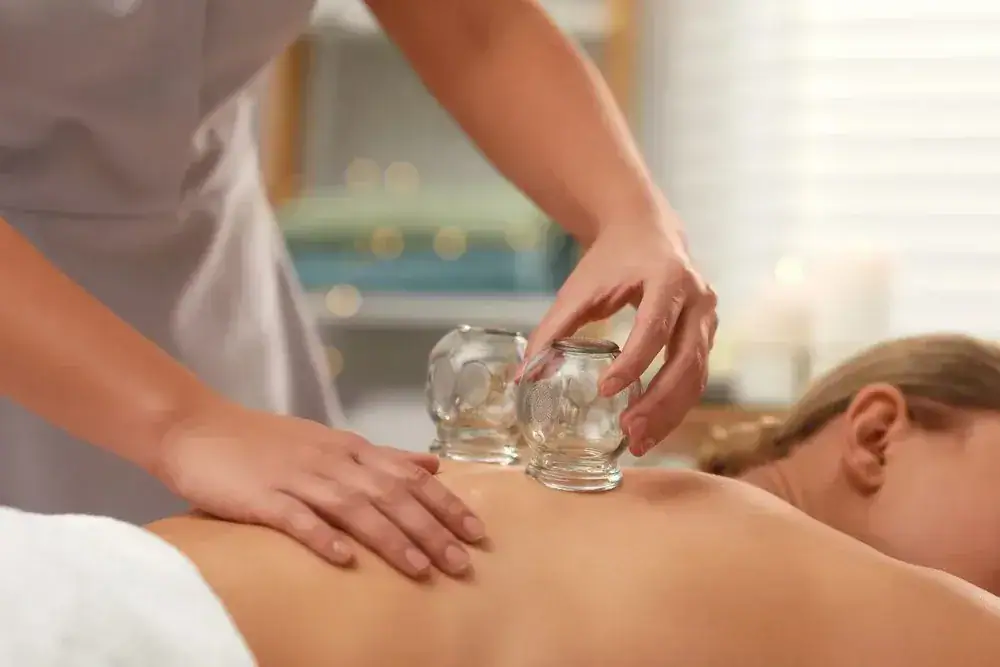
Your first visit starts with an evaluation. We need to understand where your pain is, how long you’ve had it, what makes it worse, and what you’ve already tried. This isn’t a formality—it’s how we figure out if cupping therapy makes sense for your situation or if another approach would work better.
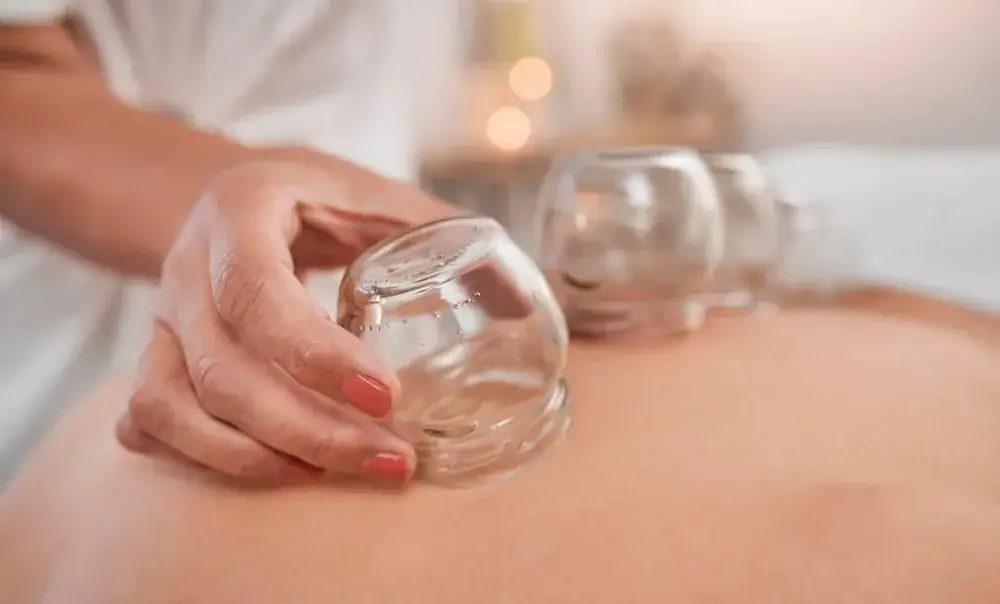
If cupping is appropriate, we’ll use dry cupping, which means placing specialized cups on your skin that create suction. No needles, no incisions. The suction pulls your skin and the tissue underneath upward, which increases circulation to that area and helps release fascial restrictions that contribute to pain and stiffness.
Sessions typically last 15 to 30 minutes depending on the treatment area. You might see circular marks on your skin afterward—that’s normal and fades within a few days. Those marks aren’t bruises; they’re a result of increased blood flow to the surface.
Most people need multiple sessions to see lasting improvement. We’ll map out a treatment plan based on your specific condition, but you should expect somewhere between 4 to 8 sessions for chronic issues. Some people feel relief after the first session. Others need a few treatments before they notice significant change. We’ll track your progress and adjust as needed.
Ready to get started?
Cupping therapy at Medcare addresses several common pain conditions we see regularly in Roosevelt and across Long Island. Chronic lower back pain is one of the most frequent complaints—whether it’s from sitting too much, lifting injuries, or degenerative issues that have built up over time. Cupping helps by improving blood flow to those deep tissues and releasing muscle tension that’s been locked in place.
Neck and shoulder pain is another big one, especially for people working desk jobs or dealing with stress-related muscle tightness. The suction from cupping mechanically lifts the fascia and allows those chronically tight areas to relax. You’ll likely notice improved range of motion within a few sessions.
We also use cupping for sports-related injuries—strains, sprains, and recovery support. If you’re an athlete or just someone who stays active, cupping can help speed up recovery by reducing inflammation and improving circulation to injured areas. It’s not a replacement for rest or rehab exercises, but it supports the healing process.
For Roosevelt residents dealing with knee osteoarthritis or fibromyalgia, cupping offers a non-invasive option that can reduce pain without adding more medications to your routine. Research shows it’s effective for these conditions when used alongside other physical therapy techniques. We’ll customize your treatment based on what your body actually needs, not a one-size-fits-all protocol.
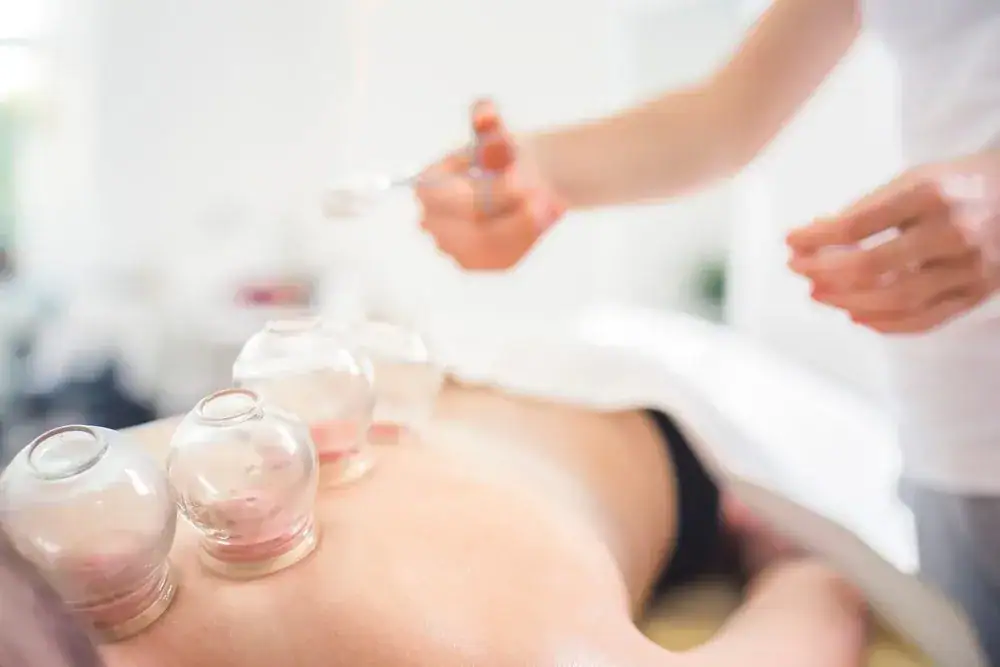
Yes, but it’s not magic, and it won’t fix everything in one session. Cupping therapy has been shown in multiple studies to reduce chronic back pain, particularly when it’s caused by muscle tension, fascial restrictions, or poor circulation to the affected area. The suction created by the cups increases blood flow and helps release tight tissue layers that contribute to ongoing pain.
Most people with chronic lower back pain see noticeable improvement after 4 to 6 sessions, though some feel relief sooner. The key is consistency and combining cupping with other treatments like targeted exercises or manual therapy. If your back pain is caused by a structural issue like a herniated disc, cupping can still help manage pain and improve mobility, but it’s not going to repair the disc itself.
We’ll evaluate your specific situation during your first visit to determine if cupping is the right approach or if we need to incorporate other techniques. For many Roosevelt residents dealing with long-term back pain, cupping has reduced their reliance on pain medications and helped them return to normal activities.
Dry cupping uses suction alone—no incisions, no blood removal. Cups are placed on your skin, creating a vacuum that lifts the tissue underneath. This increases circulation, reduces muscle tension, and helps with pain relief. It’s noninvasive and has minimal risk.
Wet cupping involves making small cuts in the skin before applying the cups, which draws out a small amount of blood. The idea is that removing stagnant blood helps with healing, but it’s more invasive and carries higher risk of infection or scarring. Most physical therapy practices, including ours, use dry cupping because it’s safer, more comfortable for patients, and still delivers strong results for pain management and muscle relaxation.
At Medcare, we focus exclusively on dry cupping. It’s effective for the conditions we treat most often—chronic pain, muscle stiffness, sports injuries—and it doesn’t require the additional precautions that come with wet cupping. You’ll leave with some circular marks on your skin, but no cuts, no bleeding, and no extended recovery time.
Usually between 3 to 7 days, depending on how your body responds and how much suction was used during treatment. The marks look like circular bruises, but they’re not actually bruises in the traditional sense. They’re caused by increased blood flow to the surface of your skin, which is part of how cupping works to reduce pain and inflammation.
Some people’s marks fade quickly—within a few days. Others take closer to a week. If you have an event coming up where you don’t want visible marks, let us know ahead of time and we can adjust the treatment or focus on areas that won’t be visible.
The marks don’t hurt. You might feel a little tender in the treated area immediately after your session, similar to how your muscles feel after a deep tissue massage, but it’s not painful. If you’re concerned about how the marks look or how long they’re lasting, we can talk through it during your next visit.
It depends on your plan and how the treatment is billed. Cupping therapy is often covered when it’s part of a physical therapy treatment plan, which is how we use it at Medcare. We don’t offer cupping as a standalone spa service—it’s integrated into your overall care for pain management, injury recovery, or mobility improvement.
Most insurance plans that cover physical therapy will cover cupping when it’s medically necessary and prescribed by a licensed therapist. That said, every plan is different. Some require prior authorization. Others have limits on how many physical therapy visits they’ll cover per year, which would include any sessions involving cupping.
We recommend calling your insurance provider before your first visit to confirm your coverage and understand any out-of-pocket costs. Our team can also help verify your benefits and provide the necessary documentation to support your claim. If your plan doesn’t cover cupping, we’ll discuss pricing upfront so there are no surprises.
You can buy cupping kits online, but that doesn’t mean you should use them without guidance. Cupping requires proper placement, appropriate suction levels, and an understanding of which areas to treat based on your specific condition. If you place the cups incorrectly or use too much suction, you risk skin damage, increased pain, or worsening the problem you’re trying to fix.
We do offer home-based physical therapy for patients who have difficulty getting to our clinic. If that’s your situation, a licensed therapist can come to you and perform cupping in your home with the same level of care and safety you’d receive in our office. That’s different from trying to do it yourself with a kit and a YouTube video.
If you’re dealing with chronic pain or a specific injury, the safest and most effective approach is working with a professional who can assess your condition, apply the treatment correctly, and adjust your care plan as you progress. Once you’ve gone through several supervised sessions and your therapist feels it’s appropriate, they might teach you some basic techniques to use at home between visits—but that’s a conversation to have after you’ve established a treatment plan, not before.
Some people feel better immediately after their first session. Others need a few treatments before they notice significant improvement. It depends on what’s causing your pain, how long you’ve had it, and how your body responds to increased circulation and tissue release.
For acute issues like a recent muscle strain or tension from overuse, you might feel relief within a day or two of your first session. For chronic conditions—lower back pain you’ve had for months or years, ongoing neck stiffness, knee pain from osteoarthritis—it typically takes longer. You’re not just addressing surface-level discomfort; you’re working to change patterns that have been in place for a while.
Most patients report noticeable improvement in pain levels and range of motion after 3 to 4 sessions. That doesn’t mean you’re completely pain-free, but movement gets easier, stiffness decreases, and you’re not constantly aware of the problem area. We’ll check in with you after each session to track your progress and adjust the treatment plan if needed. If you’re not seeing any improvement after several sessions, we’ll reassess and consider whether a different approach would work better for your situation.
Other Services we provide in Roosevelt