
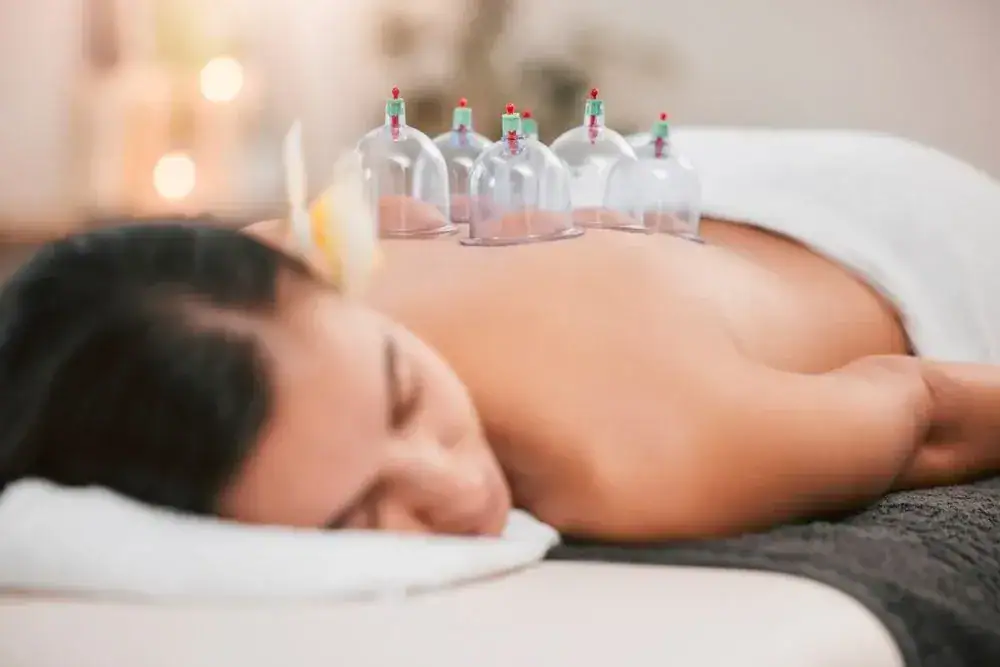

You wake up without that familiar stiffness. You reach for something on a high shelf without wincing. You finish your workday without counting down the hours until you can rest your back.
That’s what happens when cupping therapy addresses the root cause of your discomfort instead of masking it. The suction created during treatment increases blood flow to areas that have been tight and restricted for months or even years. More blood means more oxygen, more nutrients, and faster healing where your body needs it most.
Muscle tension that’s been building up from desk work, repetitive movements, or old injuries starts to release. You’re not just getting temporary relief that wears off by tomorrow. You’re giving your body the circulation boost it needs to actually repair itself. And you’re doing it without medications, injections, or invasive procedures that come with their own risks and recovery time.
We’ve been treating patients across Long Island for years, and our Riverside location brings that same level of care to your community. Every therapist on our team is licensed, trained in modern cupping techniques, and experienced in treating the kinds of pain that bring people through our doors.
We don’t rush you through appointments or hand you a generic treatment plan. Your first visit includes a thorough assessment because your lower back pain isn’t the same as someone else’s, even if the symptoms sound similar. We look at your movement patterns, your daily activities, what makes it worse, and what’s failed to help in the past.
Riverside residents deal with everything from construction-related injuries to the wear and tear of commuting into the city. We see teachers on their feet all day, warehouse workers lifting repetitive loads, and parents whose bodies haven’t been the same since carrying kids around. Cupping therapy integrates into personalized treatment plans that address your specific situation, not a textbook diagnosis.
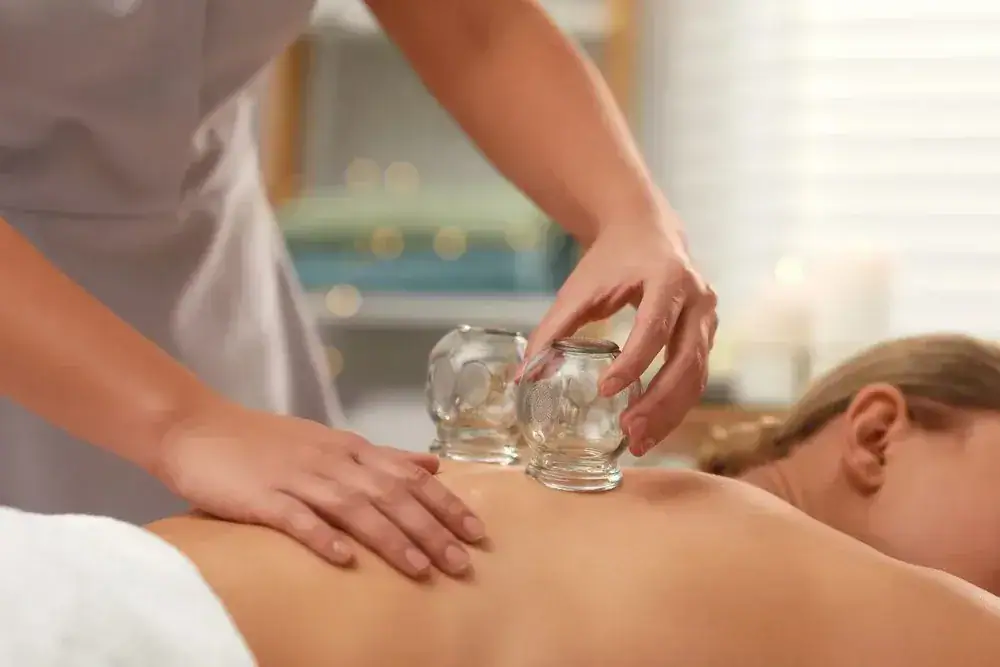
Your first appointment starts with a conversation, not treatment. We need to understand where you’re hurting, how long it’s been going on, and what you’ve already tried. Then we assess your range of motion and identify exactly which muscles or areas are restricted.
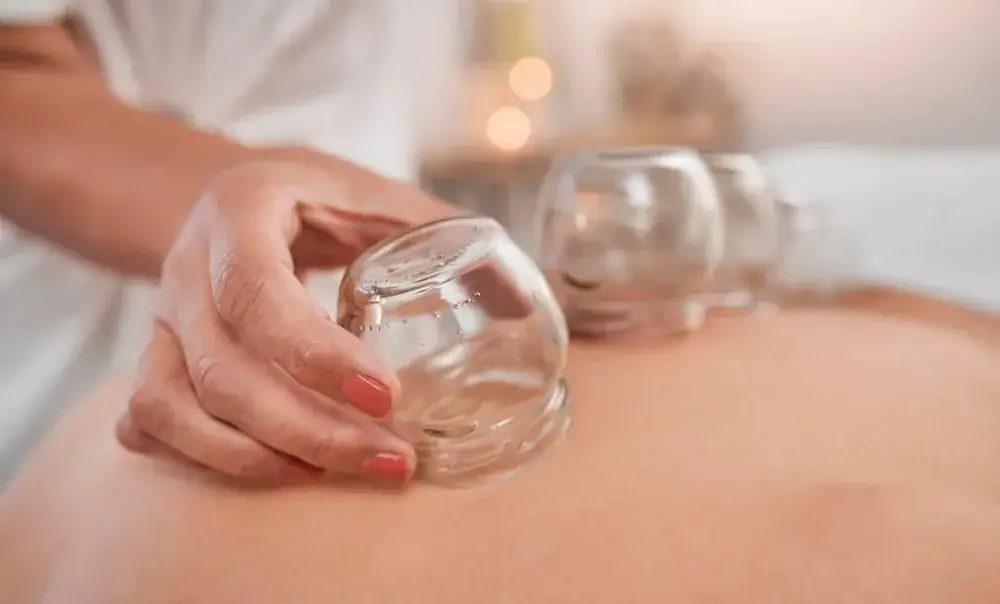
During the cupping session itself, we place specialized cups on targeted areas of your body. These aren’t the fire-based cups you might have seen in old videos. We use modern suction cups that create controlled, comfortable pressure. You’ll feel a pulling sensation, but it shouldn’t hurt. Most people find it surprisingly relaxing once they get past the first minute or two.
The cups stay in place for several minutes, sometimes longer depending on your condition. We might leave them stationary, or we might move them across your muscles in what’s called cupping massage. Both techniques work, but we choose based on what your body needs that day. Some patients see circular marks afterward that fade within a few days. Those marks aren’t bruises—they’re evidence of increased blood flow to areas that weren’t getting enough circulation before.
After your session, we talk about what you should expect over the next 24 to 48 hours and when you should come back. Some conditions respond quickly. Others need a series of treatments spaced out over a few weeks.
Ready to get started?
Cupping therapy at our Riverside location isn’t a standalone spa treatment. It’s part of a comprehensive physical therapy approach that might also include manual therapy, therapeutic exercises, and movement education. We use dry cupping specifically, which means no needles, no blood, no invasive procedures of any kind.
You’re getting evidence-based treatment for conditions like chronic neck pain, lower back pain, fibromyalgia, and sports-related muscle injuries. Research supports cupping for these exact issues, and we’ve seen it work consistently with patients who’ve tried everything else first. Athletes use it for faster recovery between training sessions. Office workers use it to undo the damage of sitting in the same position for eight hours straight.
Here in Riverside, we’re seeing more people turn to cupping as an alternative to long-term medication use. That makes sense when you consider the risks that come with prolonged painkiller use and the fact that pills don’t actually fix the underlying problem. Cupping addresses muscle tension, improves lymphatic drainage, and releases adhesions in soft tissue. It works with your body’s natural healing process instead of suppressing symptoms.
Each session is scheduled with enough time for proper assessment and treatment. You’re not getting rushed in and out. And because we accept most major insurance plans, you’re not paying out-of-pocket prices that make consistent care impossible.
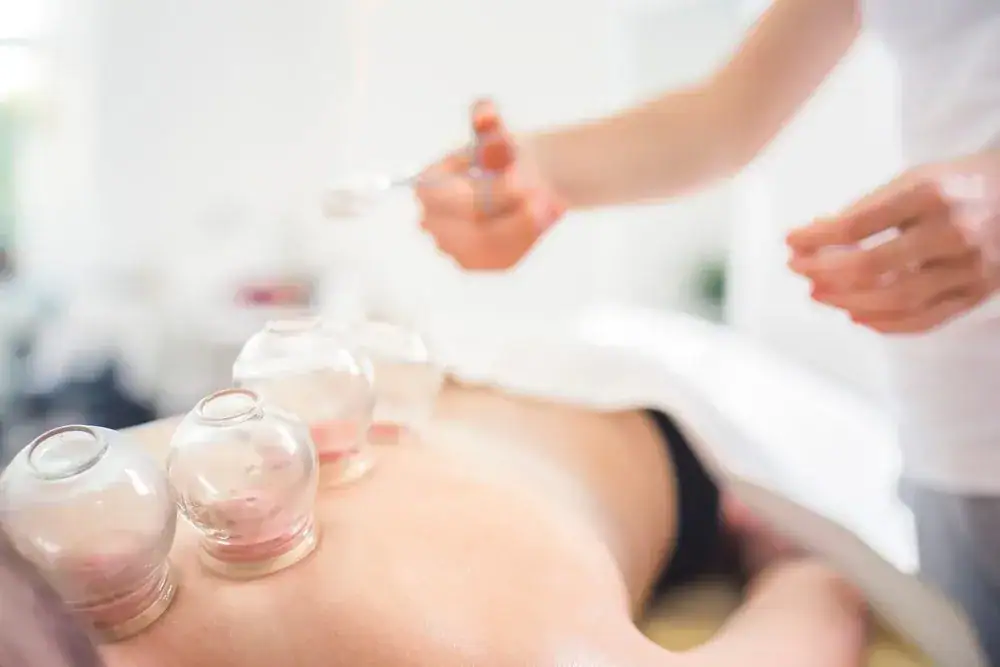
Yes, and there’s research backing it up. Studies show that cupping provides moderate-quality evidence for relieving chronic lower back pain, and many patients report noticeable improvement after just a few sessions.
Here’s why it works: chronic back pain often comes from muscles that stay contracted for too long. Poor posture, repetitive movements, old injuries that never fully healed—all of these create areas of restricted blood flow and built-up tension. Cupping increases circulation to those exact spots, which helps muscles relax and gives your body the resources it needs to repair damaged tissue.
You might not be pain-free after one session, but most people notice they can move more easily and the constant ache starts to dial down. We typically recommend a series of treatments because your back didn’t get this way overnight, and it won’t fully heal overnight either. But the relief is real, and it doesn’t come with the side effects you’d get from medications or the risks of surgery.
Usually between three and seven days, depending on how much stagnation was in that area. The darker the mark, the more restricted the blood flow was before treatment.
Those circular marks aren’t bruises in the traditional sense. Bruises happen when blood vessels break from impact. Cupping marks appear because the suction brings stagnant blood and metabolic waste to the surface, which your body then processes and clears out. It’s actually a sign that the treatment is working.
Some people don’t get marks at all, especially if their circulation is already pretty good. Others get deep purple circles that look dramatic but don’t hurt. If you have an event coming up where you’ll be wearing something that shows your back or shoulders, just let us know. We can adjust the treatment or schedule it so the marks have time to fade. But most patients stop worrying about them once they realize the marks mean they’re finally getting blood flow to areas that have been tight and restricted for months.
Absolutely. Cupping is a complementary therapy, which means it works alongside your existing medical care, not instead of it. We actually encourage coordination between all your providers.
Before we start treatment, we’ll ask about any medications you’re taking, conditions you’ve been diagnosed with, and other treatments you’re currently receiving. There are a few situations where cupping isn’t appropriate—like if you’re on blood thinners or have certain skin conditions—but for most people, it’s a low-risk addition to their care plan.
We’ve worked with patients whose doctors referred them specifically for cupping after conventional treatments plateaued. We’ve also had patients whose physicians were skeptical at first but came around once they saw the results. If you want us to communicate with your doctor about your treatment plan, we can do that. The goal is to get you better, and sometimes that takes a team approach.
Musculoskeletal pain responds particularly well. That includes chronic neck pain, lower back pain, shoulder tension, knee pain from osteoarthritis, and fibromyalgia. We also see good results with sports injuries and repetitive strain from work.
The common thread is restricted movement and poor circulation to soft tissue. If your pain comes from muscles that won’t relax, fascia that’s stuck together, or areas that aren’t getting enough blood flow, cupping can help. It’s especially effective for the kind of pain that gets worse as the day goes on or flares up when you do certain movements.
Conditions that involve nerve damage, bone fractures, or systemic diseases need different approaches. Cupping won’t fix a herniated disc, but it can relieve the muscle tension that develops around that injury. It won’t cure arthritis, but it can reduce the pain and stiffness that come with it. During your initial assessment, we’ll be honest about whether cupping is likely to help your specific situation or if you need a different type of intervention.
Most patients start noticing improvement within three to five sessions, but the total number depends on how long you’ve been dealing with pain and how severe it is. Acute injuries might respond in just a few treatments. Chronic conditions that have been building for years usually need more.
We’ll give you a realistic timeline after your first assessment. Some people come in twice a week initially, then space out to once a week, then move to maintenance visits every few weeks. Others feel significantly better after a concentrated series of sessions and don’t need ongoing treatment.
What we won’t do is lock you into a long-term plan without explaining why each session matters. You should see measurable progress—less pain, better range of motion, easier time doing activities that used to hurt. If you’re not improving, we adjust the approach or have an honest conversation about whether cupping is the right tool for your particular problem. The goal is to get you better and keep you better, not to keep you coming in indefinitely.
Most major insurance plans cover cupping when it’s performed as part of physical therapy treatment, which is how we provide it. Coverage varies by plan, so we verify your benefits before your first appointment.
Because cupping is integrated into your overall physical therapy care plan, it’s typically billed under your PT benefits rather than as a separate alternative therapy. That usually means better coverage and lower out-of-pocket costs than you’d pay at a spa or wellness center offering cupping as a standalone service.
We handle the insurance paperwork and let you know upfront what your responsibility will be. If your plan requires a referral from your doctor, we’ll walk you through getting that. If you have a high deductible or limited PT visits, we’ll work with you to make the most of your available sessions. The last thing you need when you’re already dealing with pain is surprise medical bills, so we make sure you know the financial side before we start treatment.
Other Services we provide in Riverside