
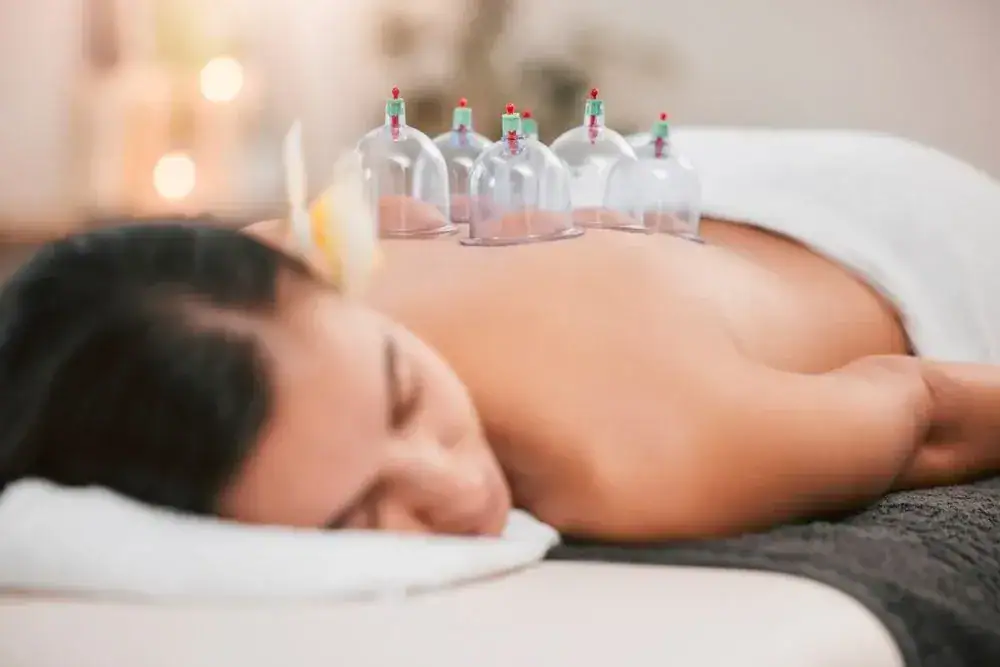

You’re not looking for temporary relief. You want to wake up without that nagging stiffness in your neck. You want to get through your workday without reaching for pain medication. You want to play with your kids or get back to the gym without wondering if your back will hold up.
Cupping therapy works by increasing blood flow to areas that hurt. When circulation improves, your muscles get more oxygen, inflammation decreases, and your body can actually start healing instead of just coping. Most people notice reduced pain and better range of motion after their first session.
This isn’t about masking symptoms. Dry cupping targets the root cause—restricted blood flow, tight fascia, and muscle tension that’s been building for months or years. The treatment draws fresh blood to problem areas, loosens adhesions, and gives your body what it needs to repair itself. You’re not just managing pain. You’re addressing why it’s there in the first place.
We’ve been treating patients across Long Island for decades, with a reputation built on results, not promises. Our Riverhead location serves a community that values straight talk and effective treatment—people who’ve tried other options and need something that actually works.
Every therapist on our team is licensed, trained in multiple modalities, and experienced in treating chronic pain conditions. We don’t hand you off to assistants or follow cookie-cutter protocols. Your treatment plan is based on your specific condition, your goals, and what your body responds to.
We’ve built our practice on transparency and accountability. You’ll know what we’re doing, why we’re doing it, and what to expect at every stage. That’s how we’ve earned trust in Riverhead—by showing up consistently and delivering real outcomes for people dealing with real pain.
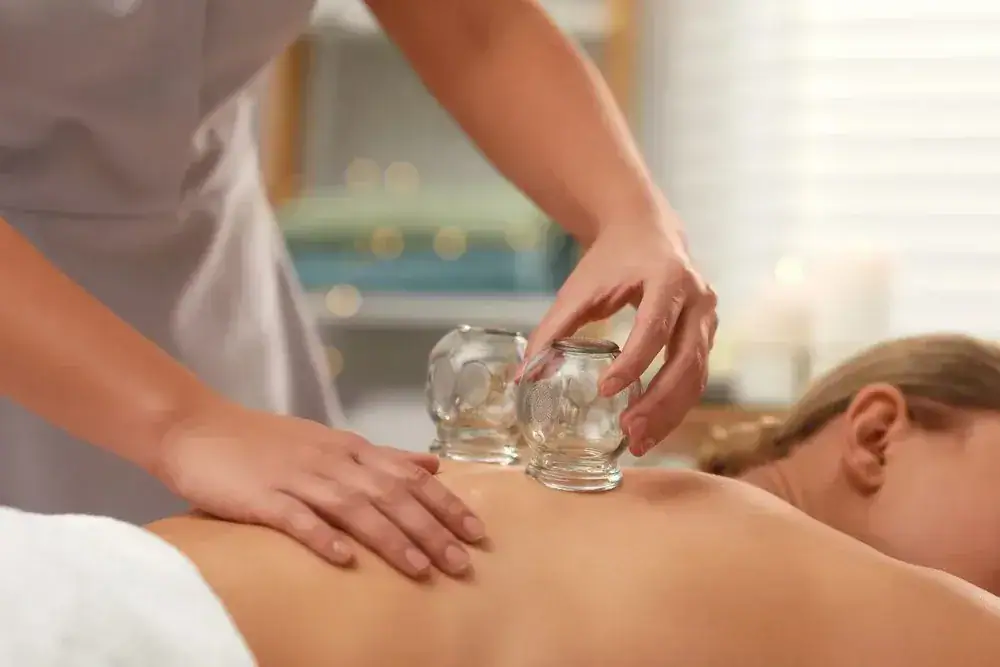
Your first visit starts with an evaluation. We need to understand where you’re hurting, what movements make it worse, and what’s already been tried. This isn’t a formality—it’s how we determine if cupping therapy is right for you and which technique will work best.
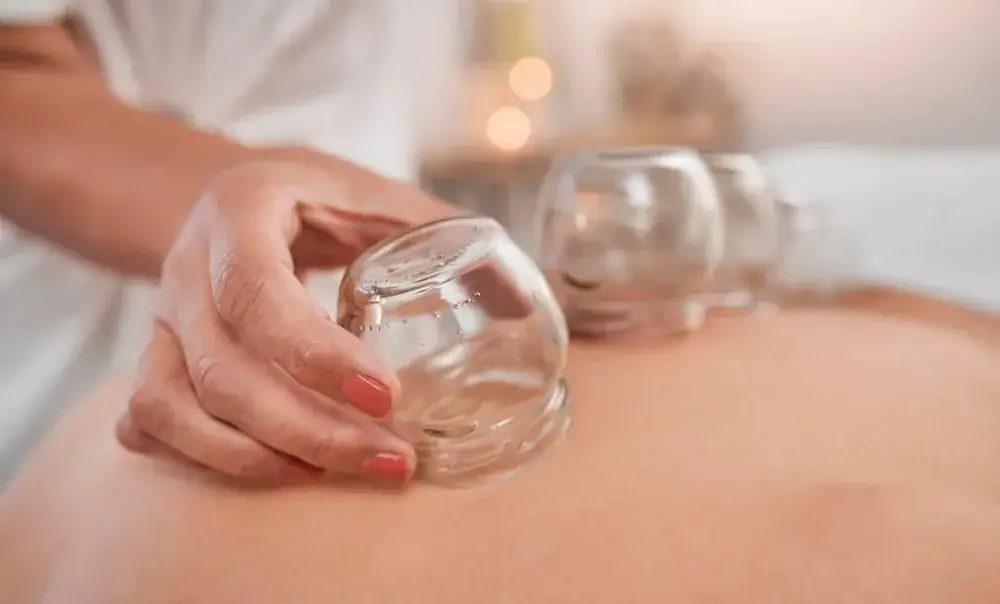
During the treatment, we place specialized cups on targeted areas of your body. The suction created by these cups pulls tissue upward, increasing blood flow and releasing tension in the underlying muscles and fascia. You’ll feel a pulling sensation, but it shouldn’t hurt. Most people find it surprisingly relaxing once they get past the first minute.
Sessions typically last 15 to 30 minutes, depending on the area being treated. The cups stay in place for 5 to 10 minutes before we remove them. You might see circular marks on your skin afterward—that’s normal and means blood is moving to the area. Those marks fade within a few days to a week.
We usually combine cupping with other physical therapy techniques like manual therapy, stretching, or strengthening exercises. The goal isn’t just to make you feel better for a day. It’s to restore function, reduce pain long-term, and get you back to doing what you need to do.
Ready to get started?
Cupping therapy at Medcare isn’t a standalone gimmick. It’s one tool in a comprehensive approach to treating musculoskeletal pain. We use it for chronic back pain, neck stiffness, shoulder tension, hip pain, and muscle tightness that won’t respond to stretching or rest alone.
Riverhead has a physically active population—people who work on their feet, spend hours commuting, or stay active despite aging joints. That means we see a lot of repetitive strain injuries, postural issues, and wear-and-tear conditions that don’t respond well to rest or over-the-counter solutions. Cupping helps because it addresses circulation and tissue quality, not just symptoms.
The treatment works especially well when combined with corrective exercises and manual therapy. We’re not just pulling blood to the surface and calling it done. We’re using cupping to prepare tissue for movement, reduce guarding, and make other interventions more effective. You get a full plan, not just a single technique.
Most patients start with twice-weekly sessions, then taper off as pain decreases and function improves. Some people use cupping as part of ongoing maintenance. Others complete a short series and move on. It depends on your condition, your goals, and how your body responds. We adjust based on what’s working, not what’s billable.
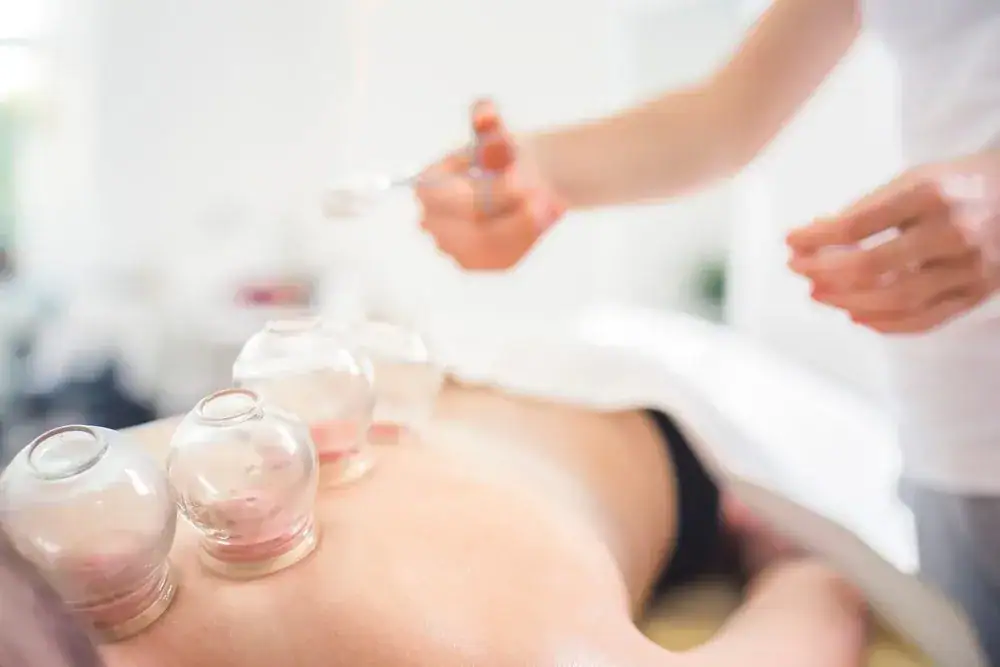
Yes, and there’s research backing it up. Studies show that cupping therapy significantly reduces pain in conditions like chronic low back pain, neck pain, and knee osteoarthritis. It works by improving local blood flow, which helps reduce inflammation and muscle stiffness.
The key is using it correctly. Cupping isn’t a magic fix—it’s a tool that works best when combined with other treatments like stretching, strengthening, and movement re-education. Most people notice improvement within the first few sessions, but lasting results come from addressing the underlying dysfunction, not just treating symptoms.
If you’ve been dealing with pain for months or years, cupping can help break the cycle. It reduces muscle guarding, improves tissue quality, and makes it easier for your body to move the way it’s supposed to. That’s when real healing starts.
Dry cupping uses suction alone—no needles, no incisions, no blood. The cups create negative pressure that pulls tissue upward, increasing circulation and releasing tight fascia. It’s non-invasive and low-risk, which is why we use it so often.
Wet cupping involves making small cuts in the skin to draw out blood. That’s not what we do here, and it’s not necessary for musculoskeletal pain relief. Dry cupping is effective, safe, and doesn’t require any recovery time beyond letting the marks fade.
Some practitioners also use fire cupping, where a flame briefly heats the inside of the cup to create suction. We use modern suction cups that are easier to control and just as effective. The method matters less than the technique and placement—that’s where experience makes the difference.
Most people feel some relief after the first session. You might notice less stiffness, better range of motion, or a decrease in pain intensity. That said, one session isn’t going to undo months of chronic tension or injury.
For lasting improvement, plan on a series of treatments over a few weeks. We typically recommend starting with two sessions per week, then spacing them out as your condition improves. Chronic issues take longer to resolve than acute injuries, but consistent treatment gets results.
The timeline also depends on what else you’re doing. If you’re following through with exercises, managing stress, and avoiding positions that aggravate your pain, you’ll progress faster. Cupping accelerates healing, but it’s not a substitute for the work your body needs to do.
Yes, usually. The suction pulls blood to the surface, which often leaves circular marks that look like bruises. They’re not painful, and they’re actually a sign that the treatment is working—blood is moving into areas that weren’t getting enough circulation.
The marks typically fade within three to ten days, depending on how much suction was used and how your body responds. Some people bruise more easily than others. If you have an event coming up where visible marks would be an issue, let us know ahead of time so we can adjust.
These marks aren’t damage. They’re part of the healing process. The discoloration shows that stagnant blood and metabolic waste are being cleared out, making room for fresh oxygen and nutrients. Once the marks fade, the tissue underneath is usually less painful and more mobile.
It depends on your plan. Cupping is often covered when it’s part of a physical therapy treatment plan, which is how we use it at Medcare. We bill it as a therapeutic modality within your PT sessions, not as a standalone service.
Most insurance companies cover physical therapy with a referral from your doctor. If your plan includes PT benefits, there’s a good chance cupping will be covered as part of your treatment. We recommend calling your insurance provider to confirm your specific coverage and any copay or deductible requirements.
If you’re paying out of pocket, we’ll give you a clear breakdown of costs upfront. No surprises, no hidden fees. We’ve been doing this long enough to know that transparency matters, especially when you’re already dealing with pain and frustration.
Absolutely. In fact, that’s how we get the best results. Cupping works well alongside manual therapy, therapeutic exercise, dry needling, and other physical therapy techniques. Each modality addresses a different aspect of your condition, and combining them speeds up recovery.
For example, we might use cupping to increase blood flow and reduce muscle guarding, then follow up with targeted stretching and strengthening exercises. Or we’ll combine it with hands-on soft tissue work to release deeper adhesions. The goal is to use whatever tools make sense for your specific situation.
Some patients also continue with chiropractic care, massage therapy, or acupuncture while doing PT with us. As long as everyone’s on the same page about your treatment goals, multiple approaches can complement each other. Just let us know what else you’re doing so we can coordinate effectively.
Other Services we provide in Riverhead