


You’re not looking for temporary relief. You want to wake up without that stiff neck, bend down without wincing, or get through your day without constantly adjusting how you sit or stand.
Cupping therapy works by increasing blood flow to tight, painful areas. That improved circulation helps reduce inflammation, releases muscle tension, and speeds up your body’s natural healing process. It’s not a magic cure, but it’s effective for chronic back pain, neck stiffness, knee discomfort, and the kind of muscle tightness that just won’t quit.
Most people notice less pain and better range of motion within a few sessions. You’re not masking symptoms with medication—you’re addressing what’s causing the discomfort in the first place. And for a lot of people dealing with ongoing pain in Quiogue, that difference matters.
The goal isn’t just feeling better for a day or two. It’s getting back to the things you’ve been avoiding because they hurt too much.
We’ve been serving Long Island since 2010, working with patients who need real results, not just appointments. Our licensed physical therapists are trained in modern cupping techniques and treat every patient with the same level of care we’d want for our own families.
If getting to an office is difficult, we bring therapy to your home. If you prefer in-office treatment, we have established locations nearby. Either way, you’re working with professionals who understand how pain limits your life—and how to help you get it back.
Quiogue’s population skews older, with a median age near 48. That means more people dealing with arthritis, post-surgical recovery, chronic back issues, and age-related stiffness. We see it every day, and we know how to treat it effectively.
Your first visit starts with an evaluation. We ask about your pain—where it is, how long you’ve had it, what makes it worse. We also assess your range of motion and identify which muscles or joints need attention.
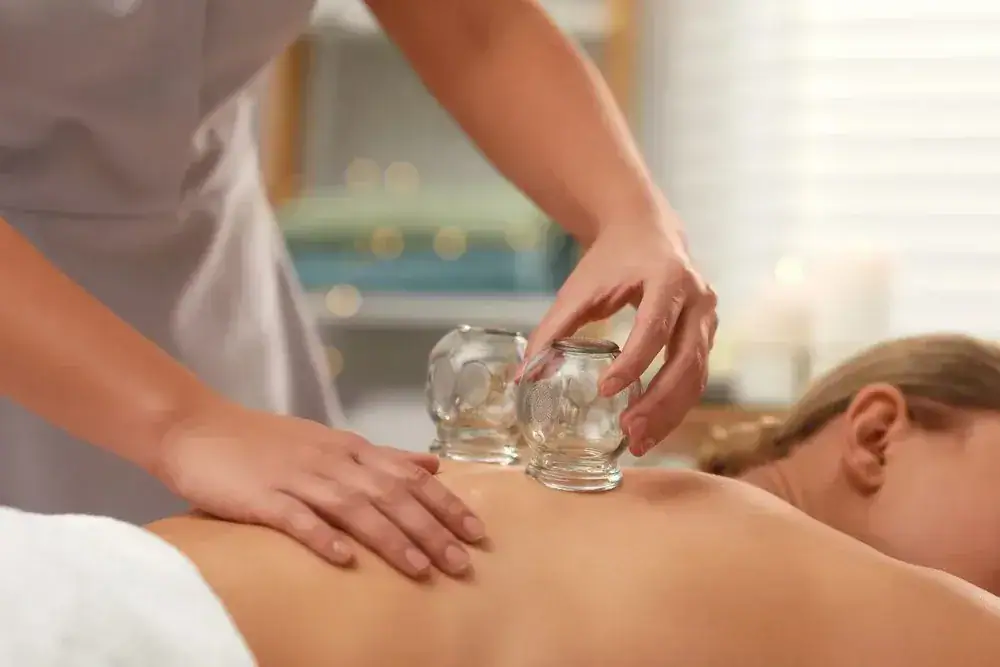
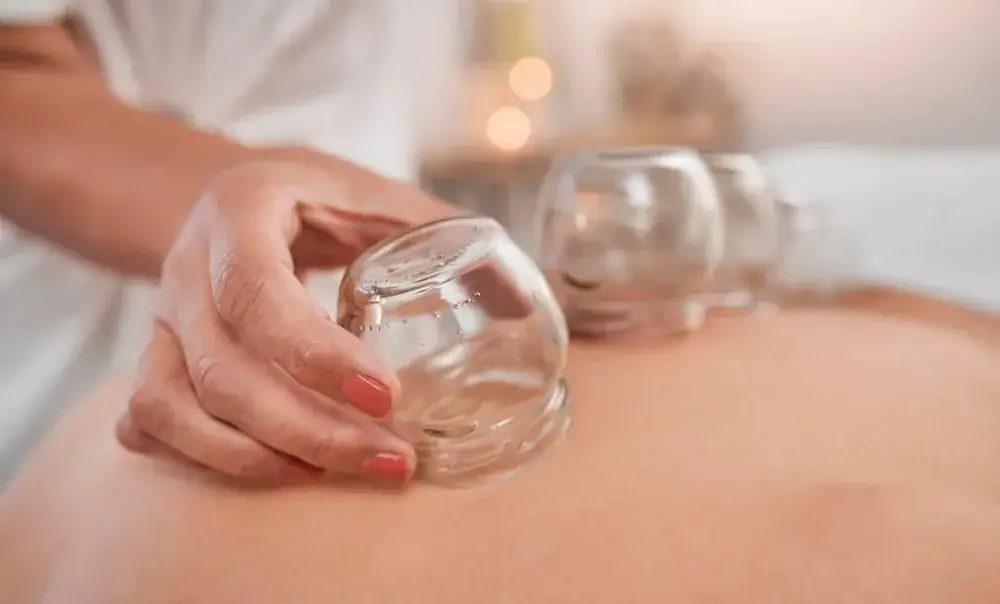
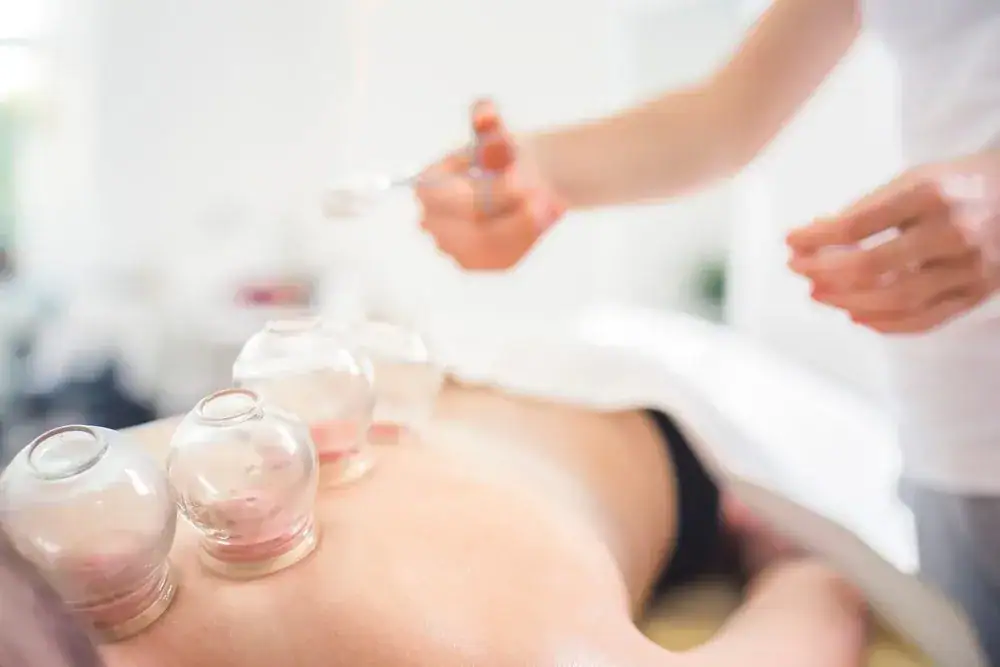
During the cupping session itself, we place specialized cups on your skin over the affected areas. The cups create suction, which pulls blood to the surface and helps release tight fascia and muscle adhesions. Some of our therapists use stationary cups (dry cupping), while others move the cups across your skin to target larger areas. Sessions typically last 15 to 30 minutes depending on what you need.
You might see some circular marks afterward—that’s normal and they fade within a few days. Most people describe the sensation as a deep tissue pull, not painful, but definitely noticeable. After treatment, many patients feel immediate relief in terms of reduced tightness and improved mobility.
We usually recommend a series of sessions spaced over a few weeks. Chronic pain doesn’t disappear overnight, but consistent treatment gives your body the support it needs to heal properly. Between sessions, we may suggest stretches or movements to keep progress going.
Ready to get started?
Every treatment plan is built around your specific condition. If you’re dealing with lower back pain from years of sitting at a desk, your plan will look different than someone recovering from a sports injury or managing arthritis in their knees.
Cupping therapy can be combined with other physical therapy techniques depending on what your body needs. Some patients benefit from pairing cupping with manual therapy or targeted exercises that strengthen weak areas and prevent future injury. The goal is always the same: less pain, better movement, faster recovery.
For Quiogue residents, home-based therapy is a real option. You don’t need to drive to an office if that’s difficult or inconvenient. We bring everything needed to deliver the same quality treatment in your own space. That’s especially helpful for older adults or anyone recovering from surgery who finds travel challenging.
Most insurance plans, including Medicare, cover outpatient physical therapy services. We handle the billing and verification process so you’re not left guessing what’s covered. You’ll know upfront what to expect in terms of cost and how many sessions your plan allows.
Yes, and there’s research backing it up. Studies show moderate-quality evidence supporting cupping therapy for chronic pain relief, particularly for lower back pain, neck pain, and knee osteoarthritis. It’s not anecdotal—it’s a treatment method that’s been tested and shown to reduce pain and improve function.
The way it works is straightforward. Cupping increases blood circulation to areas where muscles are tight or inflamed. That increased blood flow helps reduce inflammation, delivers oxygen and nutrients to damaged tissue, and speeds up healing. For chronic conditions where pain has been present for months or years, this kind of targeted therapy can make a measurable difference.
Most patients notice improvement within the first few sessions. You might feel less stiffness in the morning, better range of motion when you bend or twist, or simply less constant discomfort throughout the day. It won’t fix everything overnight, but it’s a proven option for people who want relief without relying on medications or considering surgery.
Massage pushes into your muscles. Cupping pulls them up. That difference matters because cupping targets deeper layers of fascia and connective tissue that massage sometimes can’t reach as effectively.
When cups are applied to your skin, the suction lifts tissue away from underlying structures. This helps release fascial adhesions—those stubborn spots where tissue has essentially stuck together due to injury, overuse, or chronic tension. By breaking up those adhesions, cupping restores normal movement patterns and reduces pain.
Massage is great for relaxation and surface-level muscle tension. Cupping is more clinical and often used as part of a broader physical therapy plan. If you’re dealing with a specific injury, chronic pain, or limited mobility, cupping tends to be more effective because it addresses the root mechanical issues. Many patients use both—massage for general wellness and cupping when they need targeted therapeutic intervention.
Most insurance plans cover cupping therapy when it’s provided as part of physical therapy treatment. Medicare also covers outpatient physical therapy services, which can include cupping if your therapist determines it’s medically necessary for your condition.
Coverage depends on your specific plan, but the key factor is whether the treatment is considered skilled therapy delivered by a licensed professional. Since our therapists are licensed and cupping is used as a clinical treatment for pain and mobility issues, it typically qualifies. We verify your benefits before starting treatment so there are no surprises.
If you’re paying out of pocket, sessions are often more affordable than you’d expect—especially compared to ongoing medication costs or more invasive procedures. We’re transparent about pricing upfront and can walk you through what your plan covers versus what you’d be responsible for. The goal is to make effective pain relief accessible, not to create financial stress on top of physical discomfort.
Chronic lower back pain is the most common reason people seek cupping therapy, and it’s one of the conditions with the strongest research support. Neck pain and stiffness also respond well, especially if it’s related to muscle tension or poor posture rather than structural damage.
Knee osteoarthritis is another area where cupping shows consistent results. The increased blood flow helps reduce inflammation around the joint and can improve mobility for people who’ve been dealing with stiffness and discomfort for years. Post-surgical recovery is another good use case—cupping can help reduce scar tissue formation and speed up healing after procedures.
Athletes use cupping for muscle recovery and injury prevention. If you’ve strained a muscle, developed tendonitis, or are dealing with repetitive stress injuries, cupping can help. It’s also effective for fibromyalgia and general muscle tightness that limits your daily activities. The treatment works best for musculoskeletal issues—pain and dysfunction related to muscles, joints, and connective tissue. It’s not a cure-all, but for the conditions it does treat, the results are backed by both research and consistent patient outcomes.
Cupping is considered low-risk, especially when performed by a licensed physical therapist. The most common side effect is temporary circular marks where the cups were placed. These marks look like bruises but aren’t painful—they’re just evidence of increased blood flow to the area. They typically fade within three to seven days.
Some people feel mild soreness after their first session, similar to how you might feel after a deep tissue massage or a tough workout. That soreness usually goes away within a day or two. Staying hydrated and moving gently after treatment helps minimize any discomfort.
Cupping isn’t recommended if you have certain skin conditions, are on blood thinners, or are pregnant—but we review your medical history before starting treatment to make sure it’s safe for you. Serious complications are rare, especially compared to the risks associated with long-term medication use or surgical interventions. For most people dealing with chronic pain, the benefits far outweigh the minimal risks involved.
Most people notice some improvement after two to three sessions, but lasting results usually require a series of treatments over several weeks. Chronic pain didn’t develop overnight, and it won’t disappear after one appointment.
A typical treatment plan might involve six to eight sessions spread over four to six weeks, depending on your condition and how your body responds. Some patients need more, some need fewer. We adjust based on what’s working and what’s not. If you’re seeing progress, we keep going. If something isn’t helping, we change the approach.
The goal isn’t to keep you in therapy forever. It’s to get you to a point where pain is manageable, mobility is restored, and you can maintain those results on your own with occasional maintenance sessions if needed. For acute injuries, you might only need a handful of treatments. For long-standing chronic conditions, expect a longer timeline. Either way, we’re clear about what to expect from the start so you can make an informed decision about your care.
Other Services we provide in Quiogue