
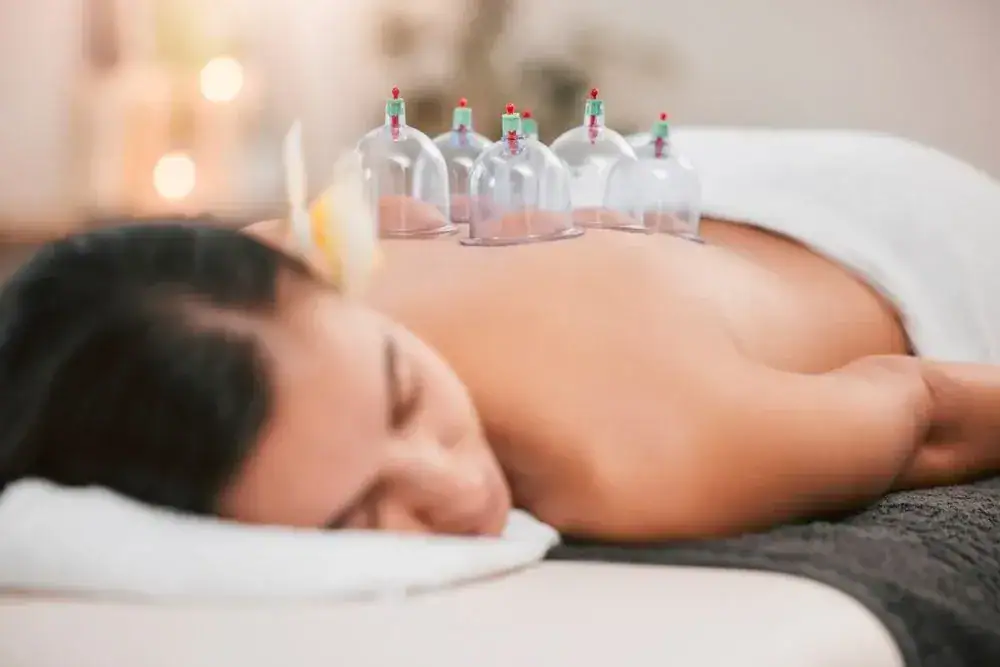

You’re dealing with pain that won’t quit. Maybe it’s your lower back after years of sitting at a desk. Maybe it’s your shoulder from an old injury that flares up every few months. You’ve tried ice, heat, stretching, even a few rounds of traditional physical therapy—and you’re still uncomfortable.
Cupping therapy works by creating suction on your skin using specialized cups. That suction pulls blood flow to the area, which helps reduce muscle tension and inflammation. It’s not magic—it’s increased circulation doing what your body already knows how to do: heal itself.
What you’ll notice first is the immediate relief in tight, knotted muscles. The pulling sensation releases fascia that’s been stuck for months or years. Over time, regular cupping sessions help improve your range of motion, reduce chronic pain, and speed up recovery from injuries or surgery.
This isn’t a standalone treatment. It works best when combined with physical therapy exercises and movement. That’s why our therapists integrate cupping into your overall care plan, not as a gimmick, but as a tool that makes everything else more effective.
We’ve been serving Long Island for over a decade. We’re not a new clinic trying to figure things out—we’re an established team of licensed physical therapists who bring care directly to your home in Port Washington, NY.
Our therapists are trained in cupping techniques and know how to integrate them into broader treatment plans. We accept Medicare and most commercial insurances, so you’re not paying out of pocket for something that should be covered.
Port Washington has plenty of therapy options, but most require you to drive across town, find parking, and sit in a waiting room. We come to you. That matters when you’re recovering from surgery, managing arthritis, or just don’t have the energy to leave your house for another appointment.
Your first session starts with an evaluation. We need to understand what’s causing your pain, how long you’ve had it, and what you’ve already tried. This isn’t a quick chat—it’s a full assessment of your mobility, strength, and movement patterns.
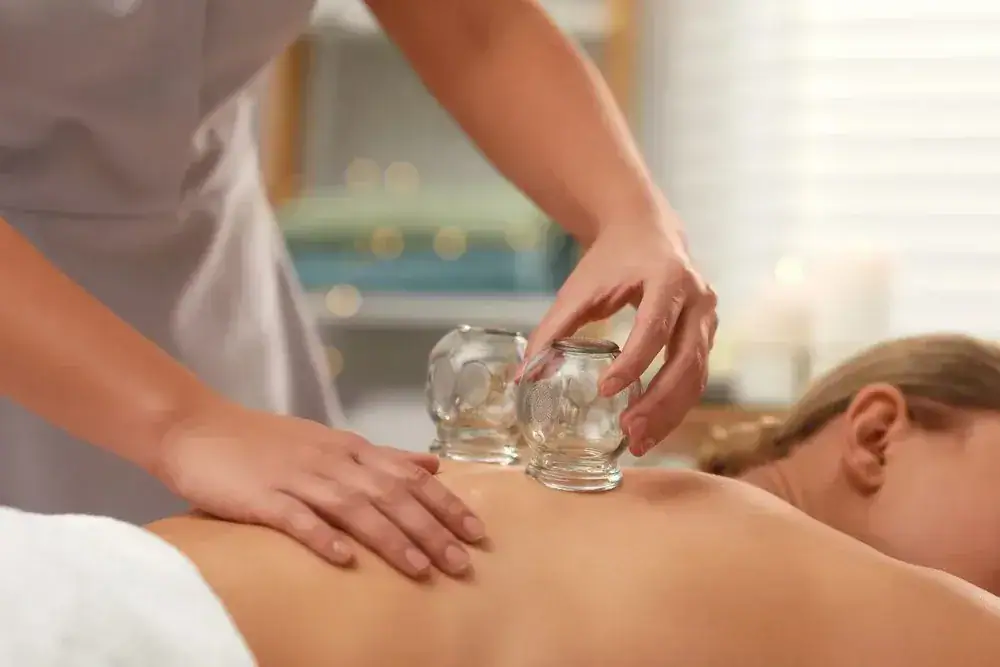
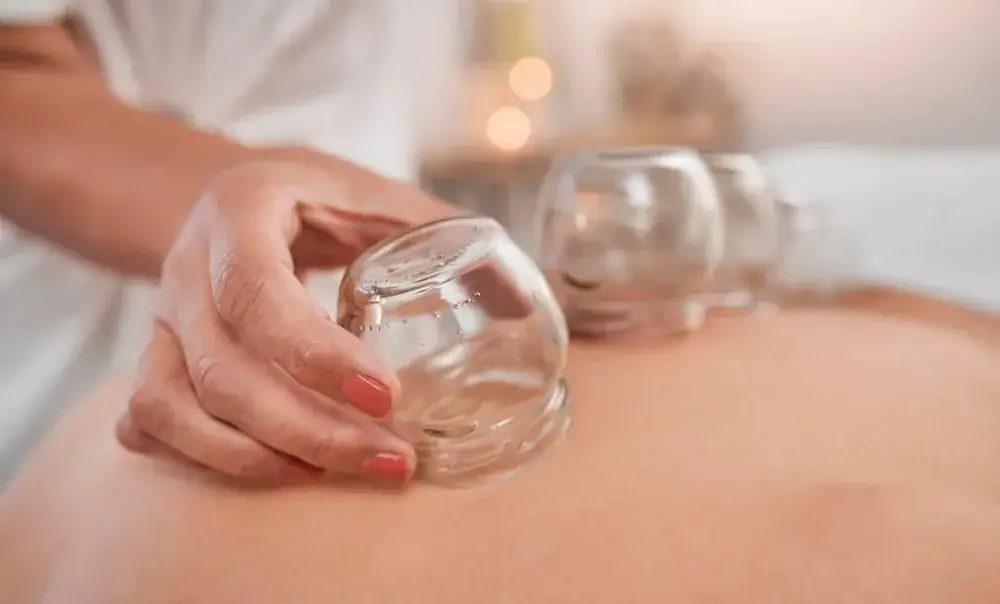
Once we know what we’re dealing with, your therapist will place cups on the affected area. These can be silicone or glass cups that create suction either through a pump or heat. The cups stay on your skin for 5 to 15 minutes, depending on the treatment area and your tolerance.
You’ll feel a pulling sensation, but it shouldn’t hurt. Some people find it uncomfortable at first, others find it oddly satisfying. The cups will leave circular marks on your skin—those aren’t bruises, they’re a sign of increased blood flow. They fade within a few days to a week.
After the cups come off, your therapist will guide you through exercises designed to reinforce the work the cupping just did. This is the part most people skip when they try cupping at a spa—but it’s the part that actually creates lasting change.
Ready to get started?
Every session includes a full physical therapy evaluation, not just cupping. You’re getting a licensed PT who understands anatomy, movement mechanics, and how to build a treatment plan that actually works.
Cupping is one tool in that plan. Depending on your condition, we might also use manual therapy, therapeutic exercises, and education on how to move differently to prevent re-injury. You’ll get a personalized home exercise program based on what we find during your evaluation.
In Port Washington, most residents dealing with chronic pain have tried the traditional route—injections, chiropractic adjustments, maybe even surgery. Cupping offers a non-invasive option that works with your body’s natural healing process. It’s especially effective for neck pain, shoulder pain, lower back pain, and knee pain from osteoarthritis.
We also work with athletes recovering from overtraining or sports injuries. Cupping helps reduce muscle soreness and improve range of motion, which means you get back to your sport faster and with less risk of re-injury.
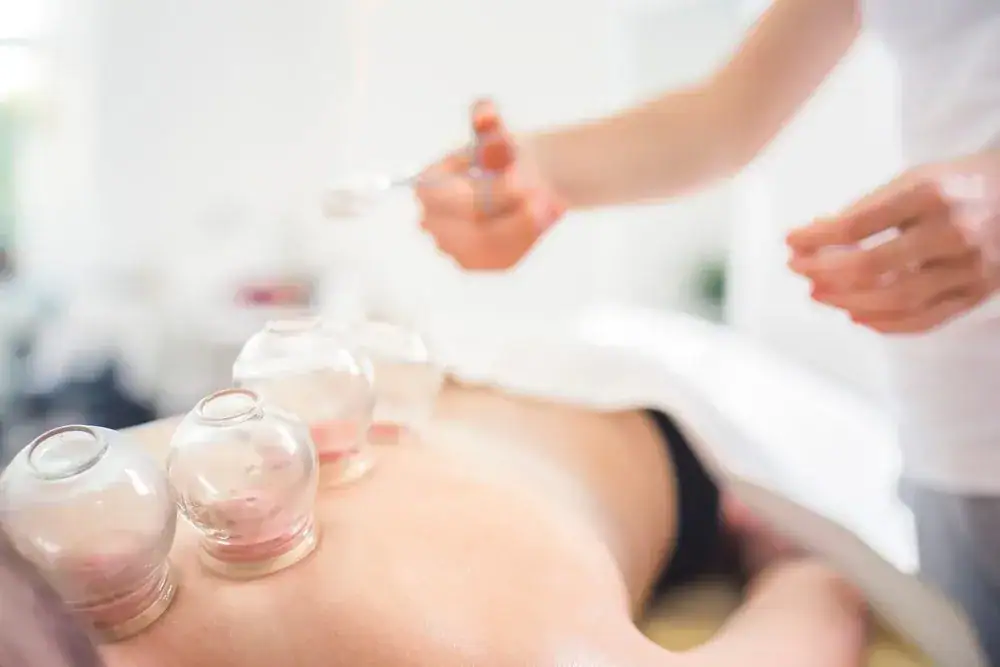
Yes, but it’s not a miracle cure. Cupping therapy has moderate-quality evidence supporting its effectiveness for chronic lower back pain. The suction increases blood flow to the area, which helps reduce inflammation and muscle tightness—two major contributors to ongoing back pain.
What makes cupping effective isn’t just the cups themselves. It’s the combination of increased circulation, fascial release, and the physical therapy exercises that follow. If you’re only doing cupping without addressing the movement patterns or muscle imbalances causing your pain, you’ll get temporary relief at best.
Most people notice a difference after the first session, but real improvement comes from consistent treatment over several weeks. That’s especially true if your back pain is from years of poor posture, repetitive strain, or a previous injury that never fully healed.
Yes, and that’s normal. The circular marks you see after cupping aren’t bruises—they’re caused by blood being pulled to the surface of your skin. The color can range from light pink to deep red or purple, depending on how much tension and stagnation is in that area.
These marks typically fade within three to seven days. If you have an event coming up where you’ll be showing your shoulders or back, let your therapist know and they can adjust the intensity or placement of the cups.
Some people don’t show marks at all, and that’s fine too. The presence or absence of marks doesn’t determine whether the treatment worked. What matters is how you feel afterward—less pain, better mobility, and improved function.
Dry cupping uses suction alone—no needles, no blood, no fire left on your skin. The cups create a vacuum that pulls your skin and underlying tissue upward, which increases blood flow and releases tight fascia. It’s the most common type of cupping used in physical therapy settings.
Wet cupping involves making small incisions in the skin before applying the cups, which draws out a small amount of blood. Fire cupping uses a flame to create suction inside glass cups. Both of these methods are used in traditional Chinese medicine but are less common in Western physical therapy practices.
We use dry cupping because it’s safe, effective, and integrates well with other physical therapy techniques. There’s no bleeding, no open wounds, and no additional risk beyond the temporary marks on your skin.
Absolutely. Cupping works best when it’s part of a broader treatment plan, not a replacement for physical therapy. If you’re already working with a therapist for a specific condition—post-surgical rehab, sports injury, chronic pain—adding cupping can enhance your results.
The suction from cupping helps release tight muscles and fascia, which makes it easier to perform therapeutic exercises and manual therapy. It’s especially useful before stretching or strengthening work because it primes the tissue to move more freely.
If you’re currently seeing another provider, let us know. We can coordinate care or provide cupping as an add-on to what you’re already doing. Our goal is to support your recovery, not complicate it with conflicting treatment approaches.
A typical session lasts 45 to 60 minutes. That includes time for evaluation, cupping application, and any exercises or manual therapy your therapist incorporates into your treatment.
The cups themselves usually stay on your skin for 5 to 15 minutes, depending on the area being treated and your tolerance. Your therapist will check in with you throughout to make sure the suction isn’t too intense.
Because we come to your home in Port Washington, you don’t have to factor in drive time, parking, or waiting room delays. You can schedule your session around your day and get back to what you were doing as soon as we’re finished.
If cupping is part of your physical therapy treatment plan, it’s typically covered under your outpatient PT benefits. We accept Medicare and most commercial insurance plans, and cupping is billed as part of your overall therapy session—not as a separate add-on.
Coverage depends on your specific plan, so we recommend calling your insurance provider to confirm your benefits before your first session. Our team can also help verify coverage and answer questions about co-pays or deductibles.
What matters most is that you’re getting effective treatment without surprise bills. We’re transparent about costs upfront and work with you to make sure cupping therapy fits within your insurance benefits and budget.
Other Services we provide in Port Washington