


You’re not looking for temporary relief. You want to move without wincing, sleep without waking up stiff, and get through your day without planning around pain.
Cupping therapy works by creating suction on targeted areas of your body. That suction increases blood flow to muscles that have been tight for months or years. More blood means more oxygen, less inflammation, and actual healing at the tissue level.
The result isn’t just less pain. It’s better range of motion. It’s being able to turn your head to check your blind spot or reach overhead without bracing yourself. It’s waking up and realizing you slept through the night.
Dry cupping doesn’t involve cutting or needles. It’s a low-risk treatment that we use alongside other therapies to address chronic back pain, neck stiffness, headaches, and muscle tightness. Most people notice improvement within a few sessions, especially when cupping is part of a broader physical therapy plan.
We’ve been treating patients across Long Island since 2010. Our team includes licensed physical therapists trained in cupping therapy, manual techniques, and evidence-based pain management.
Point Lookout has one of the highest concentrations of residents over 65 in Nassau County. We know what that means. You’re dealing with arthritis, degenerative disc issues, old injuries that never fully healed, or just the wear that comes with decades of living.
We don’t hand you a printout and send you on your way. Every treatment plan is built around your specific pain points, your mobility goals, and what you actually need to get back to doing. We take the time to explain what’s happening, why it hurts, and what we’re doing to fix it.
Your first visit starts with an evaluation. We ask about your pain, when it started, what makes it worse, and what you’ve already tried. Then we assess your movement, posture, and muscle tension to figure out where the problem actually is.
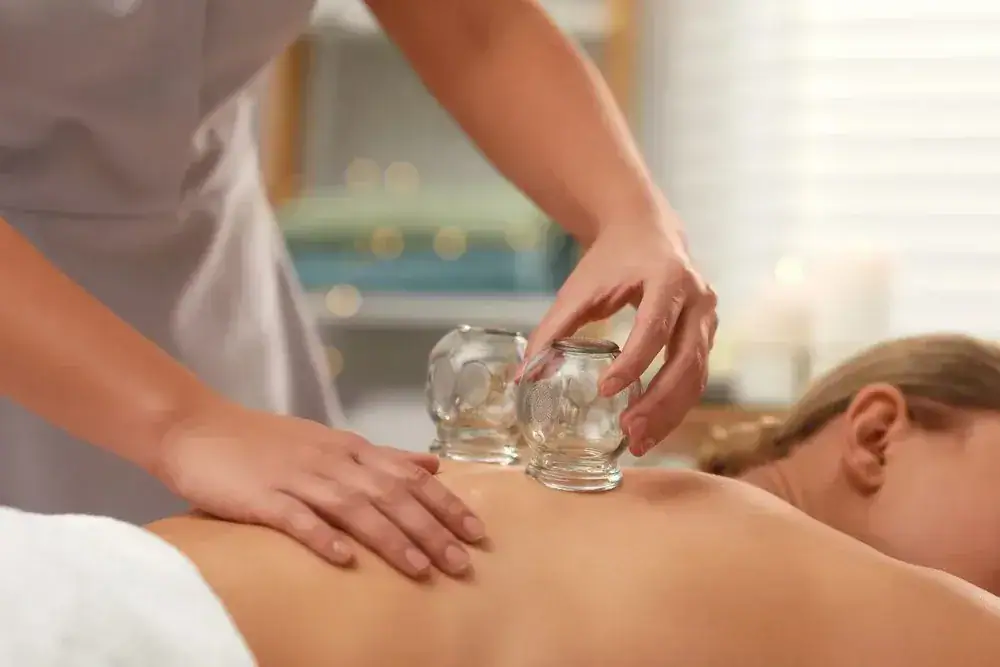
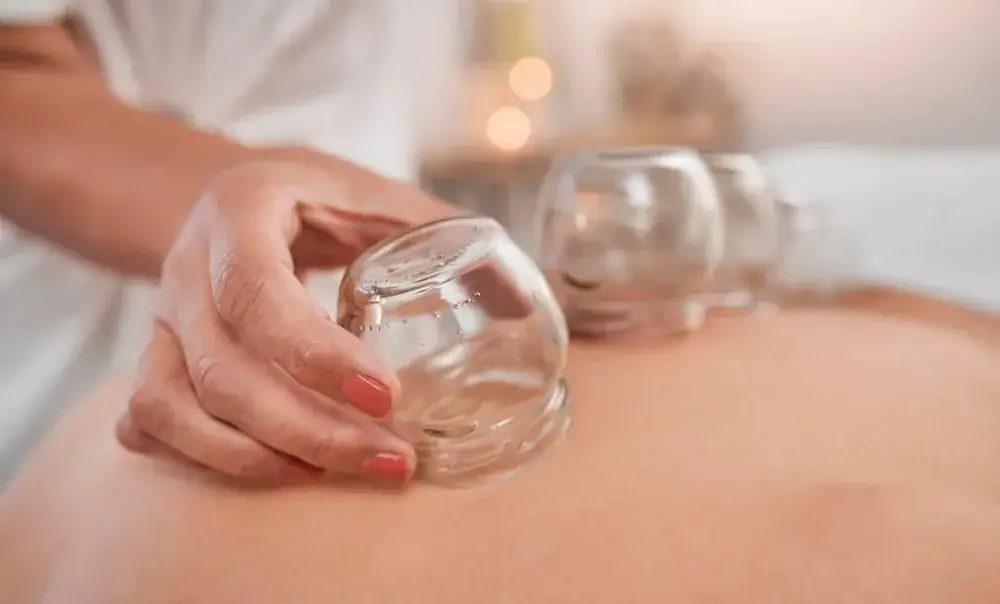
During cupping, we place specialized cups on your skin over the affected muscles. A vacuum is created inside each cup, either manually or with a pump. That suction pulls tissue upward, increasing circulation and releasing tight fascia. You’ll feel pressure, but it shouldn’t hurt.
Sessions typically last 15 to 20 minutes, depending on the area being treated. Some people see circular marks afterward—that’s normal and fades within a few days. Those marks aren’t bruises; they’re a sign of increased blood flow to areas that weren’t getting enough.
We usually combine cupping with other physical therapy techniques like stretching, strengthening exercises, or manual therapy. The goal isn’t just short-term relief. It’s to retrain your muscles, improve your mechanics, and keep the pain from coming back.
Most patients start with two sessions per week, then taper off as symptoms improve. You’re not locked into months of treatment. We adjust based on how you respond.
Ready to get started?
Cupping therapy at Medcare is administered by licensed physical therapists, not wellness staff or massage therapists. That distinction matters. We understand anatomy, biomechanics, and how to integrate cupping into a clinical treatment plan.
We use dry cupping, which means no incisions and no blood. It’s non-invasive, and most patients tolerate it well. The treatment targets chronic pain conditions like lower back pain, neck stiffness, shoulder tension, and muscle strains.
Point Lookout residents deal with a lot of age-related pain. Nearly 40% of the population here is over 65, and chronic pain affects about 30% of people in that age group. You’re not imagining it—your body has been through a lot, and it shows up as stiffness, limited mobility, and persistent discomfort.
Cupping helps by improving circulation to muscles that have become tight and restricted. It also reduces inflammation and encourages tissue repair. When combined with targeted exercises and manual therapy, it can significantly improve how you move and how you feel.
We accept Medicare and most commercial insurance plans. If you’re not sure about coverage, call us. We’ll walk you through it before you come in.
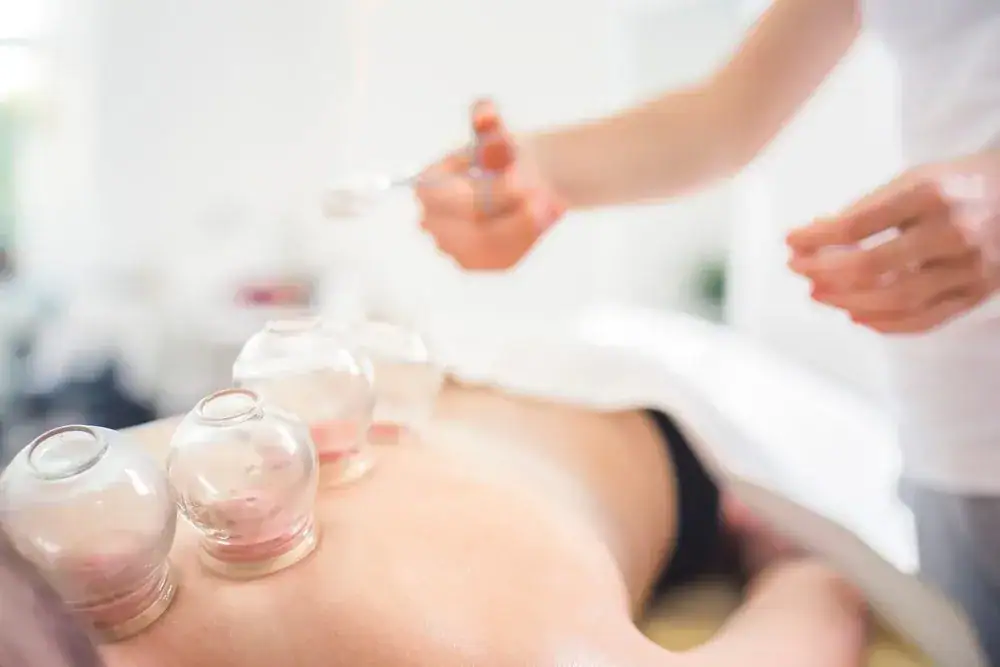
Yes, but it works best when it’s part of a complete physical therapy plan. Cupping increases blood flow to tight, painful muscles in your lower back. That helps reduce inflammation and loosen fascia that’s been stuck for months or years.
Research shows moderate-quality evidence supporting cupping for chronic low back pain and neck pain. It’s not a miracle cure, but it’s a proven tool that we use to complement stretching, strengthening, and posture correction.
If your back pain is from a herniated disc, arthritis, or degenerative changes, cupping won’t fix the underlying condition. But it can reduce muscle guarding, improve your range of motion, and make other therapies more effective. Most patients notice less stiffness and better mobility after a few sessions.
Cupping feels like firm pressure or a pulling sensation on your skin. It’s not painful, though some areas might feel tender if the muscle underneath is really tight. Most people find it tolerable, even relaxing once they get used to the sensation.
You’ll likely see circular marks where the cups were placed. These aren’t bruises—they’re caused by increased blood flow to the surface. The marks are usually dark red or purple and fade within three to seven days. They don’t hurt and aren’t a sign of damage.
If you’re concerned about visible marks, let us know. We can adjust the suction intensity or place cups in areas that clothing will cover. The marks are temporary and part of the process, but we understand if you’d rather minimize them.
Most patients notice some improvement within two to four sessions, but that depends on how long you’ve had pain and what’s causing it. Acute muscle strains respond faster than chronic conditions that have been building for years.
We typically recommend starting with twice-weekly sessions for two to three weeks. If you’re responding well, we’ll space them out. If progress is slow, we’ll reassess and adjust your treatment plan. You’re not locked into a set number of visits.
Chronic pain doesn’t disappear overnight, especially if you’ve been dealing with it for months. Cupping helps, but it’s most effective when combined with exercises that address the root cause—whether that’s weak core muscles, poor posture, or limited hip mobility. The goal is lasting relief, not just temporary comfort.
Cupping is often covered when it’s part of a physical therapy treatment plan, which is how we provide it at Medcare. Medicare covers outpatient physical therapy services, and cupping is considered a manual therapy technique within that scope.
Coverage depends on your specific plan and whether you’ve met your deductible. Most commercial insurance plans we work with also cover physical therapy that includes cupping. We recommend calling your insurance provider to confirm your benefits before your first visit.
We’ll handle the billing and work directly with your insurance. If you have questions about what you’ll owe out of pocket, our front desk can give you an estimate based on your plan. We accept Medicare and nearly all commercial insurances, so cost shouldn’t be a barrier to getting the care you need.
Yes. Neck pain and tension headaches often come from tight muscles in your upper back, shoulders, and neck. Cupping therapy targets those muscles by increasing blood flow and releasing trigger points that refer pain to your head.
Many headaches are caused by muscle tension, not sinus issues or migraines. If your headaches start at the base of your skull or feel like a tight band around your head, cupping combined with physical therapy can make a real difference.
We place cups along your upper traps, neck, and shoulder blades—areas that get tight from poor posture, computer work, or just years of stress. Most patients feel looser and notice fewer headaches after a few sessions. If your neck pain is from arthritis or a disc issue, cupping won’t fix the structure, but it can reduce the muscle tension that makes everything worse.
Because cupping here is done by licensed physical therapists who understand pain, not just wellness practitioners offering relaxation treatments. That clinical background means we’re treating the cause of your pain, not just the symptoms.
We’ve been serving Long Island communities since 2010. Our team knows the local population—retirees dealing with arthritis, active adults managing old injuries, and people who just want to move without pain. We take Medicare, most insurance plans, and we don’t rush you through appointments.
Point Lookout doesn’t have a lot of specialized therapy options nearby. You shouldn’t have to drive 30 minutes for quality care. We’re local, experienced, and focused on getting you real results. If cupping isn’t the right fit for your condition, we’ll tell you and recommend what will actually help.
Other Services we provide in Point Lookout