
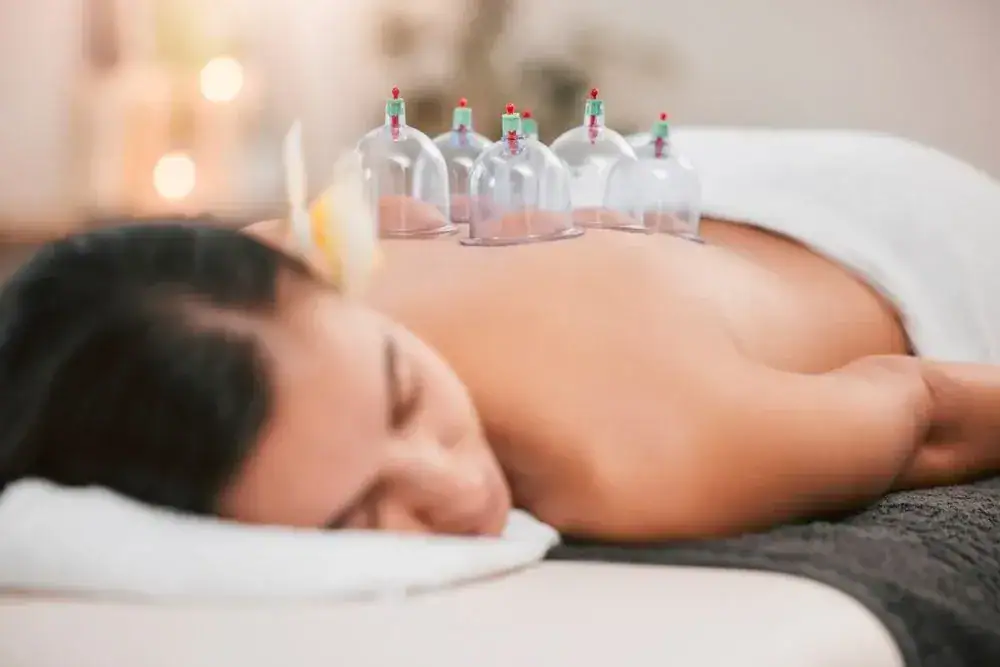

You’re not looking for temporary relief. You want to wake up without that stiffness in your neck, bend down without bracing yourself, or get through your day without constantly adjusting how you sit or stand.
Cupping therapy works by creating suction on your skin that pulls fresh blood into tight, painful areas. That increased circulation helps flush out inflammation, releases muscle tension, and gives your body what it needs to actually heal—not just mask the problem.
Most people notice looser muscles after the first session. Within a few treatments, that chronic tightness in your back or shoulders starts to fade. You move easier. Sleep better. Stop planning your day around what hurts.
This isn’t about chasing trends. It’s about using a method that’s been around for centuries because it works—especially when it’s done by someone who knows what they’re doing.
Your therapist starts with an assessment. They’ll ask about your pain, your movement, and what you’ve already tried. No assumptions—just listening.
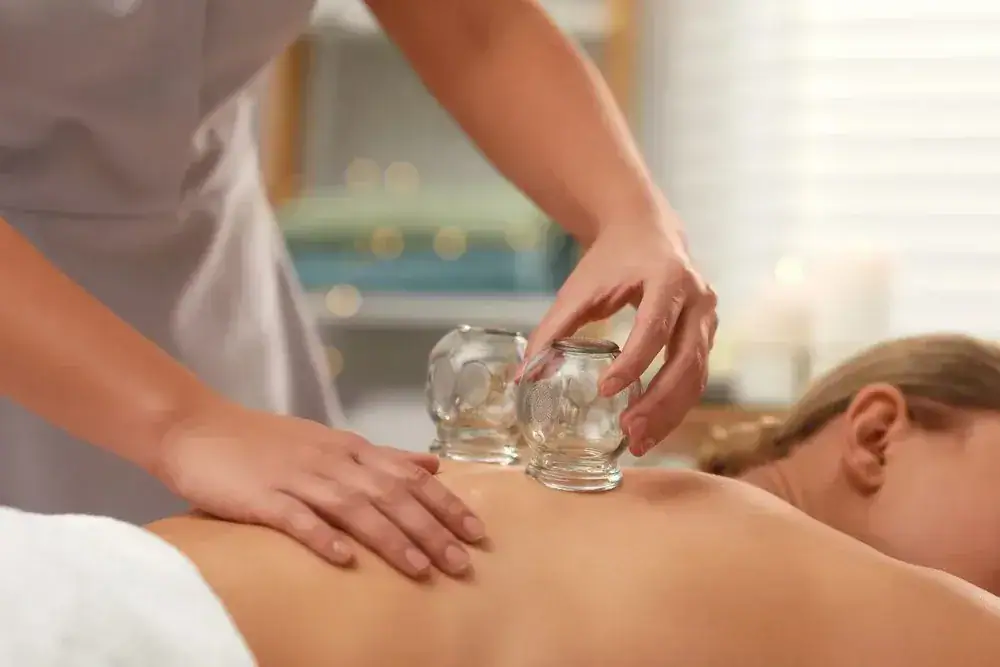
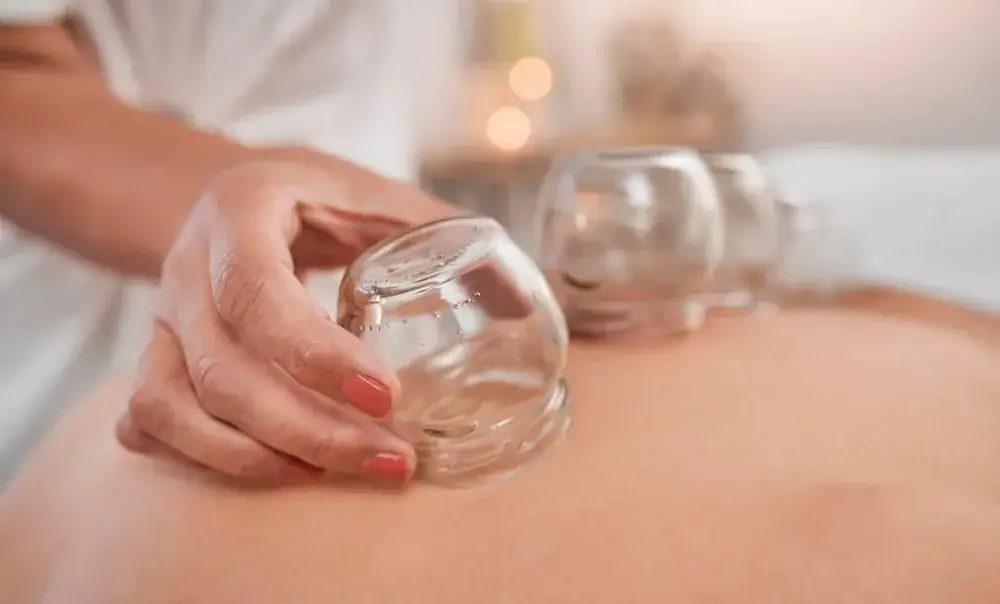
Then they place cups on the areas that need attention. These aren’t the fire cups you might’ve seen online. We use modern suction cups that create controlled pressure to pull blood flow into tight or inflamed tissue. It doesn’t hurt. Most people say it feels like a deep tissue massage—firm, but not painful.
The cups stay on for several minutes while you relax. You might see some circular marks afterward. Those fade in a few days and they’re not bruises—they’re just evidence that blood moved where it needed to go.
Between sessions, your therapist will give you simple movements or stretches to keep things progressing. Cupping works best when it’s part of a plan, not a one-off treatment. Most people do sessions once or twice a week for a few weeks, then taper off as things improve.
Ready to get started?
You get a licensed physical therapist who comes to your home in Plandome Manor, NY with everything they need. No equipment to buy. No driving to appointments.
Each session is built around your specific condition—whether that’s chronic low back pain, neck tension, fibromyalgia, or post-surgical stiffness. We often combine cupping with other hands-on techniques like manual therapy or myofascial release, depending on what your body responds to.
In Nassau County, where the median age is climbing and more residents are managing age-related mobility issues, home-based care makes sense. You’re not dealing with the physical strain of getting to an office. You’re not sitting in traffic on the LIE. You’re getting care in the place where you’re most comfortable.
And because we accept Medicare and most insurance plans, the financial side is straightforward. We handle the billing. You focus on getting better.
Yes, but it’s not magic. Cupping improves circulation to areas that are tight, inflamed, or starved of blood flow. That helps reduce pain and stiffness over time.
Research shows it’s effective for conditions like chronic neck pain, low back pain, and fibromyalgia—especially when combined with other physical therapy techniques. You’re not going to feel perfect after one session, but most people notice a difference within the first few treatments.
The key is consistency. Cupping works best as part of a treatment plan, not as a standalone quick fix. Your therapist will track your progress and adjust the approach as you improve.
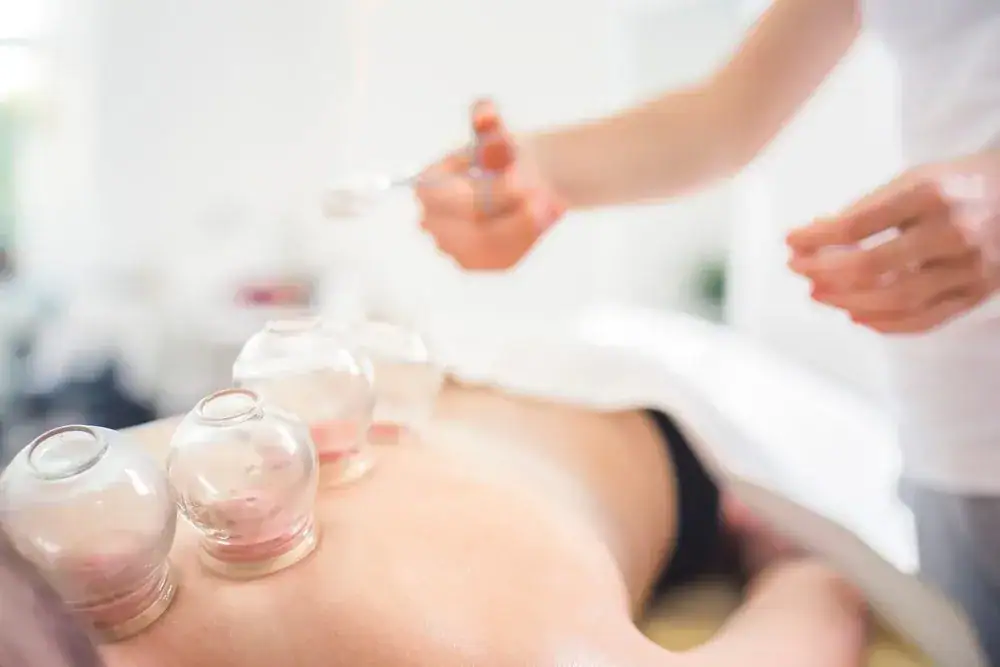
Dry cupping is what most people think of when they hear “cupping therapy.” It uses suction alone—no needles, no fire, no incisions.
There’s also wet cupping, which involves small cuts to draw out blood, but that’s not something we do. And fire cupping uses a flame to create suction, though modern cups use a pump instead. Both methods accomplish the same thing: pulling blood into the tissue.
Dry cupping is safe, non-invasive, and effective for muscle tension and pain relief. It’s what we use in our sessions, and it’s what most physical therapists are trained in.
If cupping is part of a physical therapy treatment plan, Medicare and most commercial insurance plans will cover it. We bill it under outpatient physical therapy services, not as a standalone alternative treatment.
That means you’ll have the same co-pay or deductible you’d have for any PT visit. We verify your coverage before we start and handle all the billing directly with your insurance company.
If you’re unsure about your specific plan, just ask. We’ll check your benefits and give you a clear answer before your first session.
You’ll probably see circular marks where the cups were placed. They look like bruises but they’re not—they’re just areas where blood was drawn to the surface. They don’t hurt and they usually fade within three to five days.
Some people feel immediate relief. Others feel a little sore the next day, like after a deep massage. Both are normal. Your body is responding to increased circulation and the release of tight tissue.
Drink water after your session. Move gently. Don’t do anything intense for the rest of the day. Your therapist will give you specific guidance based on how your body reacted.
It depends on what you’re treating and how long you’ve had the problem. Acute pain might improve in two to four sessions. Chronic conditions usually take longer—sometimes six to eight weeks of regular treatment.
Your therapist will give you a realistic timeline after your first visit. They’ll also reassess every few sessions to see if you’re progressing or if the plan needs adjustment.
Most people start with twice a week, then drop to once a week as things improve. The goal isn’t endless treatment. It’s getting you to a place where you can manage on your own.
Absolutely. Cupping is one of the most effective ways to release tight muscles, especially in the neck, shoulders, and upper back—areas where stress tends to settle.
The suction lifts the tissue and increases blood flow, which helps muscles relax. It also calms the nervous system, so a lot of people feel less anxious or wound up after a session.
If your tension is tied to posture, repetitive movement, or stress, cupping works well alongside stretching and strengthening exercises. Your therapist will build a plan that addresses the root cause, not just the symptoms.
Other Services we provide in Plandome Manor