
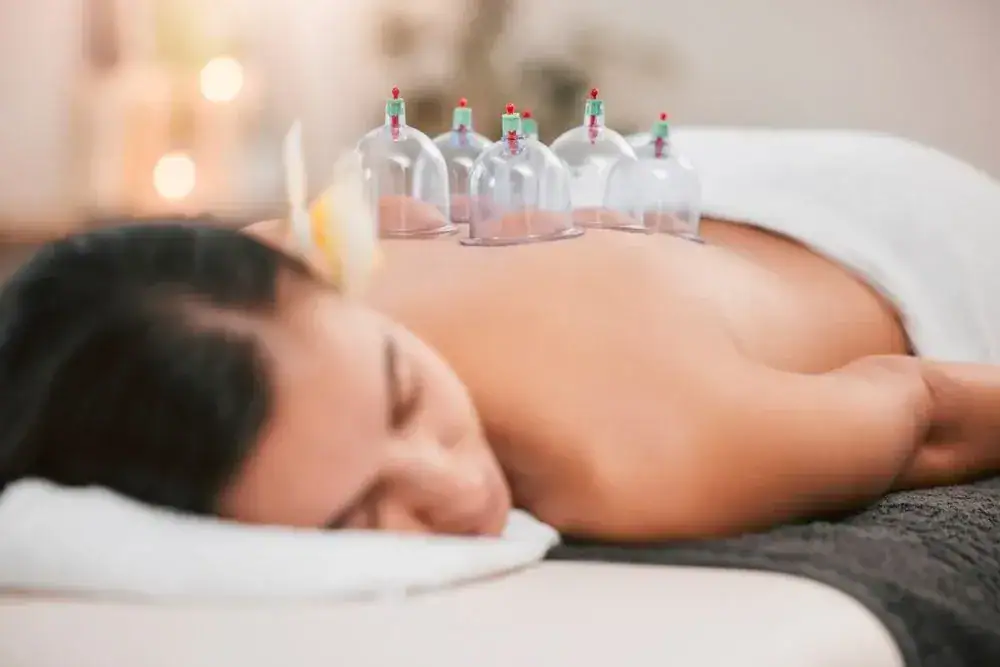

You’re not looking for temporary fixes. You want to wake up without that nagging neck pain, finish your run without your back locking up, or get through your workday without constantly shifting positions.
Cupping therapy increases blood flow up to 16 times normal levels. That means oxygen reaches your muscles faster, metabolic waste clears out quicker, and inflammation drops. The suction breaks down scar tissue and loosens tight fascia that’s been limiting your range of motion for months or years.
Most people feel immediate relief during their first session. The tension releases, the tightness eases, and movement becomes less restricted. For chronic conditions like lower back pain or neck stiffness, you’ll typically notice significant improvement within three to five treatments. Athletes often return to training faster because cupping reduces post-exercise muscle soreness and speeds recovery between sessions.
This isn’t about masking symptoms. It’s about addressing what’s causing the pain so your body can actually heal.
We’ve been serving Patchogue and Long Island since 2010. We’re licensed physical therapists who specialize in treating people at home—because getting quality care shouldn’t require you to sit in traffic or rearrange your entire day.
We accept Medicare and most commercial insurance. Every treatment plan is personalized based on what you’re dealing with, not a one-size-fits-all protocol. Our team has experience across multiple locations, and we maintain the same standards whether you’re in Patchogue, Smithtown, or Speonk.
Patchogue has a strong healthcare sector, but not everyone can easily access traditional clinic-based therapy. That’s where we come in. You get the same professional treatment you’d receive at any facility, just without the commute and waiting room.
Your first session starts with an assessment. We need to understand what’s causing your pain, how long you’ve had it, and what you’ve already tried. This isn’t a formality—it determines how we approach your treatment.
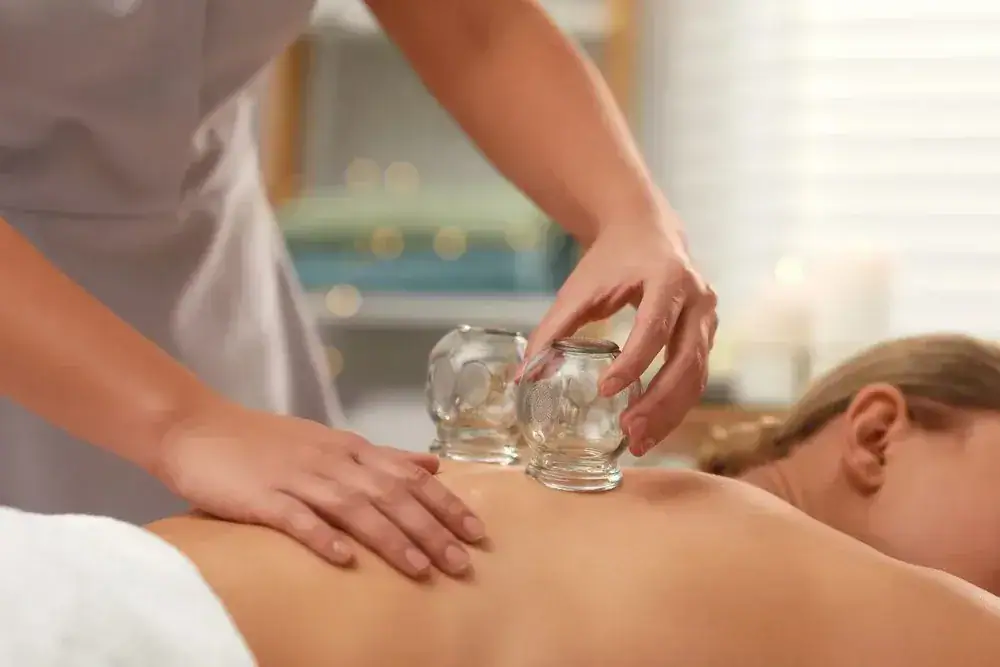
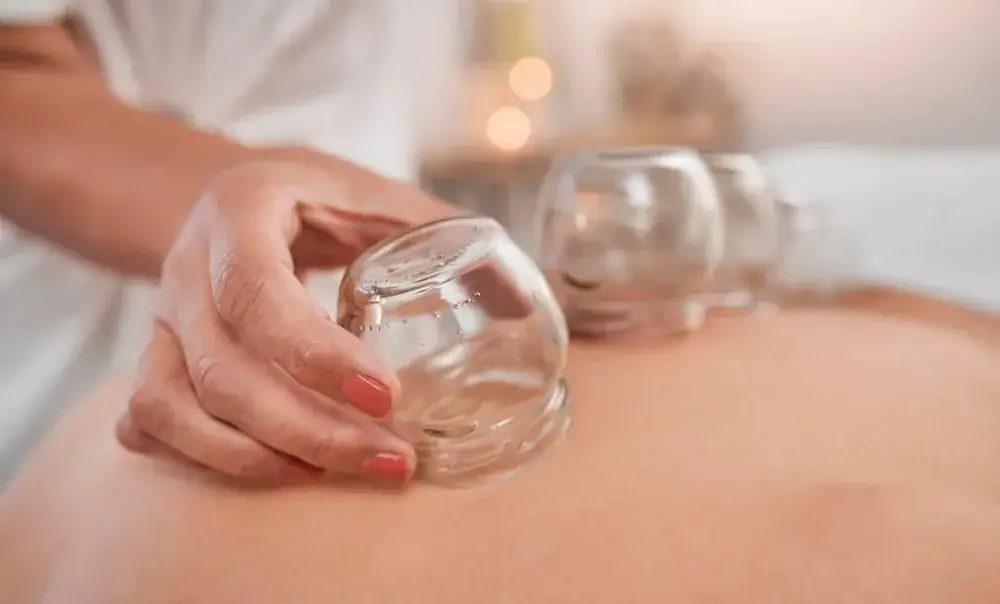
During dry cupping, we place specialized cups on targeted areas of your body. The suction pulls tissue upward, creating negative pressure that increases circulation and releases muscle tension. You’ll feel a pulling sensation, but it shouldn’t hurt. Most people find it surprisingly relaxing.
Sessions typically last 15 to 30 minutes depending on the treatment area. You might see circular marks afterward—that’s normal and they fade within a few days. Those marks indicate increased blood flow to the area, which is exactly what we want.
We usually recommend starting with two sessions per week, then adjusting based on how you respond. Some conditions resolve quickly. Others require consistent treatment over several weeks. We’ll be upfront about realistic timelines during your assessment.
Between sessions, you might receive exercises or stretches to support your progress. The cupping does the heavy lifting, but maintaining flexibility and strength helps prevent the problem from coming back.
Ready to get started?
Cupping therapy works particularly well for chronic neck pain, lower back pain, and shoulder tension. If you’ve been dealing with stiffness that limits how you turn your head or bend down, this is worth trying.
Athletes use cupping for faster recovery between training sessions. It reduces muscle soreness, clears metabolic waste, and helps prevent injuries from overuse. Runners, weightlifters, and weekend warriors all benefit from the increased circulation and reduced inflammation.
We also treat fibromyalgia, arthritis-related pain, and post-surgical recovery. The therapy helps break down scar tissue that forms after injuries or procedures, which can significantly improve your range of motion.
In Patchogue, where healthcare employment is high and many residents work physically demanding jobs, we see a lot of repetitive strain injuries. Cupping addresses the cumulative damage from doing the same movements day after day—whether that’s lifting patients, typing at a desk, or working construction.
The treatment integrates well with other physical therapy approaches. We often combine cupping with manual therapy, therapeutic exercises, or other modalities depending on what your condition requires. It’s not an either-or situation—it’s about using the right tools for your specific problem.
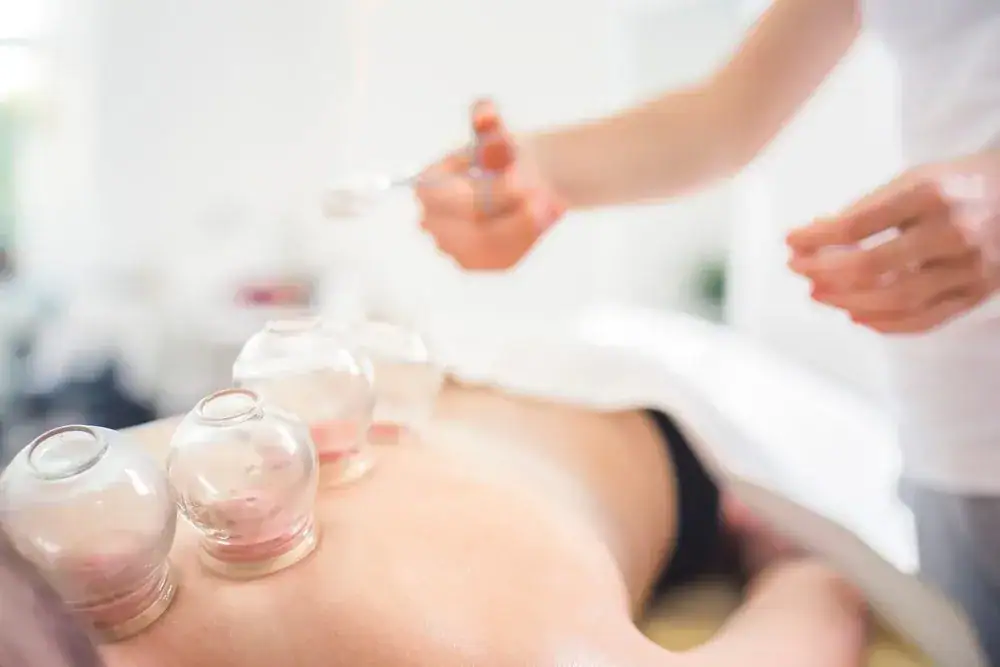
Yes, and there’s research backing it up. Studies show cupping provides moderate to significant pain reduction for chronic lower back pain, often with results lasting several weeks after treatment ends.
The mechanism is straightforward. Chronic back pain often involves tight muscles, restricted fascia, and poor circulation to the affected area. Cupping creates negative pressure that pulls tissue upward, which increases blood flow and releases muscular tension. This helps break the pain cycle where tight muscles cause pain, which causes more tightness.
Most people with chronic back pain notice improvement within three to five sessions. You’re not going to be pain-free after one treatment if you’ve been dealing with this for years, but you should feel some relief. If you’re not seeing any progress after four or five sessions, we’ll reassess and adjust the approach.
The key is consistency. Sporadic treatments won’t give you the results you’re looking for. We typically start with twice-weekly sessions, then taper off as you improve.
You’ll likely have circular marks where the cups were placed, and they typically fade within three to seven days. The marks aren’t bruises—they’re caused by increased blood flow to the area.
The intensity of the marks varies based on a few factors. If you have significant muscle tension or poor circulation in that area, the marks tend to be darker. As your condition improves with repeated treatments, the marks usually become lighter because your circulation is better.
Some people don’t mind the marks at all. Others prefer to schedule treatments when they won’t be wearing clothing that exposes the treated areas. If you have an event coming up where the marks would be an issue, just let us know and we can time your sessions accordingly.
The marks are actually a useful indicator. They show us where blood flow was most restricted and help us track your progress over time. Lighter marks in subsequent sessions often correlate with reduced pain and improved mobility.
Dry cupping uses suction only—no needles, no fire, no incisions. It’s the safest and most common form of cupping used in physical therapy settings.
Wet cupping involves making small incisions and drawing out blood, which is a different practice with different goals. Fire cupping uses heat to create suction, which some practitioners prefer, but the end result is similar to modern suction-based dry cupping.
We use dry cupping because it’s effective, low-risk, and integrates well with other physical therapy techniques. The cups create controlled negative pressure that increases circulation and releases tight tissue. There’s no bleeding, no burning, and minimal risk of adverse effects when performed by licensed therapists.
The treatment is also adjustable. We can control the intensity of suction based on your comfort level and treatment goals. Some areas tolerate stronger suction, while sensitive areas require a gentler approach. That flexibility makes dry cupping appropriate for a wide range of conditions and patient types.
Absolutely. Athletes use cupping to speed recovery, reduce muscle soreness, and prevent overuse injuries. The increased blood flow helps clear metabolic waste that builds up during intense training.
Research shows cupping reduces post-exercise muscle soreness when applied within 20 minutes of training. It also decreases creatine kinase levels, which is a marker of muscle damage. For athletes training hard multiple times per week, faster recovery between sessions means better performance and less injury risk.
We treat runners dealing with IT band issues, weightlifters with shoulder impingement, and tennis players with elbow tendinitis. Cupping works well for these conditions because it addresses the inflammation and tissue restriction that develop from repetitive movements.
The treatment also helps with acute injuries like muscle strains. By increasing circulation to the injured area, cupping supports faster healing. Many athletes notice they can return to training sooner than expected when cupping is part of their recovery protocol.
If you’re training for something specific—a race, a competition, a season—we can time treatments to support your training schedule rather than interrupt it.
When cupping is provided as part of physical therapy treatment by a licensed therapist, it’s typically covered by Medicare and most commercial insurance plans. Coverage depends on your specific plan and whether the treatment is deemed medically necessary.
We accept Medicare and nearly all commercial insurance. During your initial consultation, we’ll verify your coverage and let you know what to expect regarding costs. Most patients pay standard copays or coinsurance amounts, the same as they would for any physical therapy visit.
Insurance companies generally cover cupping when it’s used to treat diagnosed conditions like chronic pain, sports injuries, or post-surgical recovery. They’re less likely to cover it for general wellness or preventive care, though some plans are more flexible than others.
If you’re unsure about your coverage, call your insurance company before your first appointment. Ask specifically about coverage for physical therapy services that include cupping or manual therapy techniques. That will give you the clearest answer for your situation.
We handle the billing and documentation on our end. You don’t need to file claims or chase down reimbursements—we work directly with your insurance provider.
Most people notice some improvement after the first session, but lasting results typically require multiple treatments. The exact number depends on what we’re treating and how long you’ve had the problem.
For acute issues like a recent muscle strain or post-workout soreness, you might only need two to four sessions. Chronic conditions like long-term back pain or fibromyalgia usually require eight to twelve sessions before you see significant, sustained improvement.
We typically start with twice-weekly treatments for the first two to three weeks. As you improve, we space sessions further apart—once per week, then every other week. The goal is to get you to a point where you’re managing well on your own without needing ongoing treatment.
Some people continue with occasional maintenance sessions after their initial treatment plan, especially if they’re athletes or have physically demanding jobs. That’s completely optional and based on what works for your lifestyle and goals.
During your assessment, we’ll give you a realistic estimate based on your specific condition. We’re not going to string you along with vague timelines. You’ll know upfront what to expect and how we’ll measure progress.
Other Services we provide in Patchogue