


You’re not looking for temporary relief. You need something that works long enough to get back to the things you’ve been putting off—gardening without lower back flare-ups, sleeping through the night without neck stiffness, or just moving around your house without wincing.
Cupping therapy increases blood flow to areas that have been tight or inflamed for months. That means faster healing, better range of motion, and less reliance on medications that come with side effects you’d rather avoid. Dry cupping creates suction that lifts tissue, releases muscle adhesions, and reduces the kind of deep tension that massage alone can’t reach.
This isn’t about masking pain. It’s about addressing what’s causing it—whether that’s arthritis, old injuries that never fully healed, or muscle strain from years of repetitive movement. When cupping is part of a physical therapy plan, you’re getting a treatment that’s been studied, refined, and proven effective for conditions like chronic back pain, neck pain, and limited mobility.
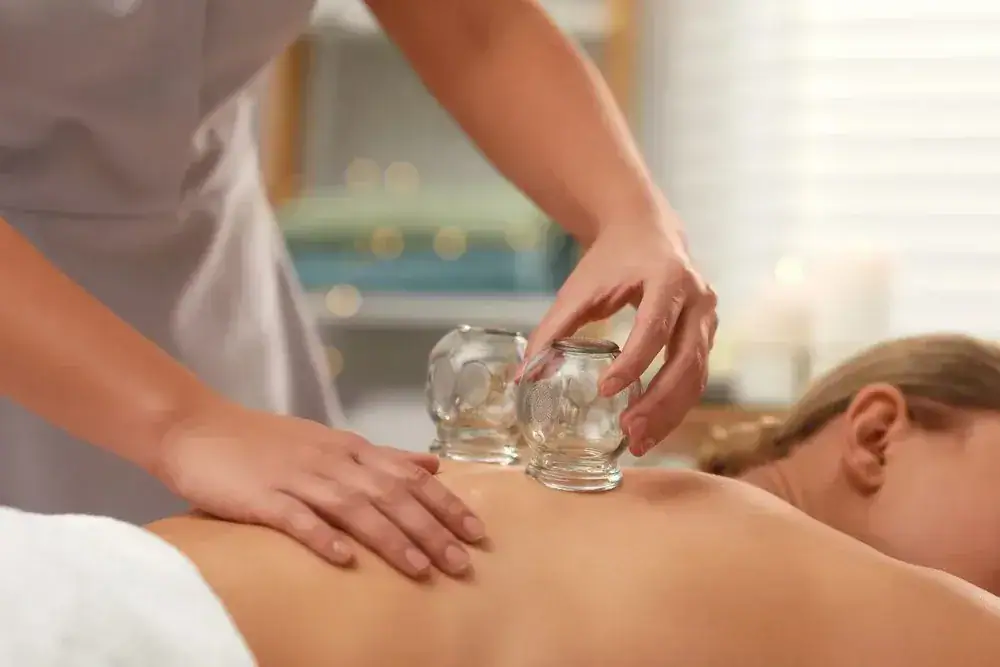
Your therapist starts with an assessment. That means asking about your pain—where it is, how long you’ve had it, what makes it worse, and what you’ve already tried. This isn’t a formality. It determines which areas need treatment and whether cupping is the right fit for your specific condition.
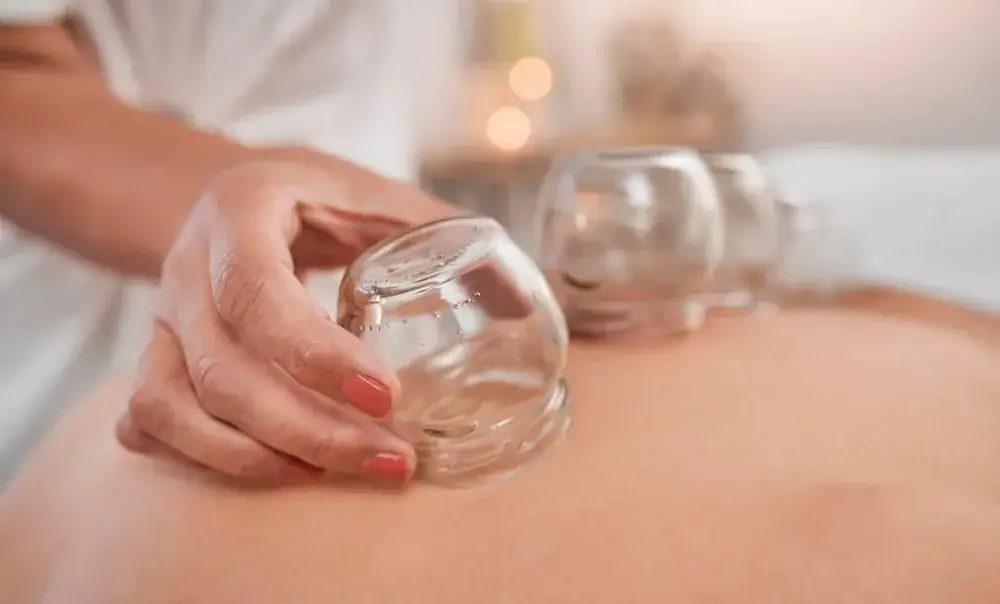
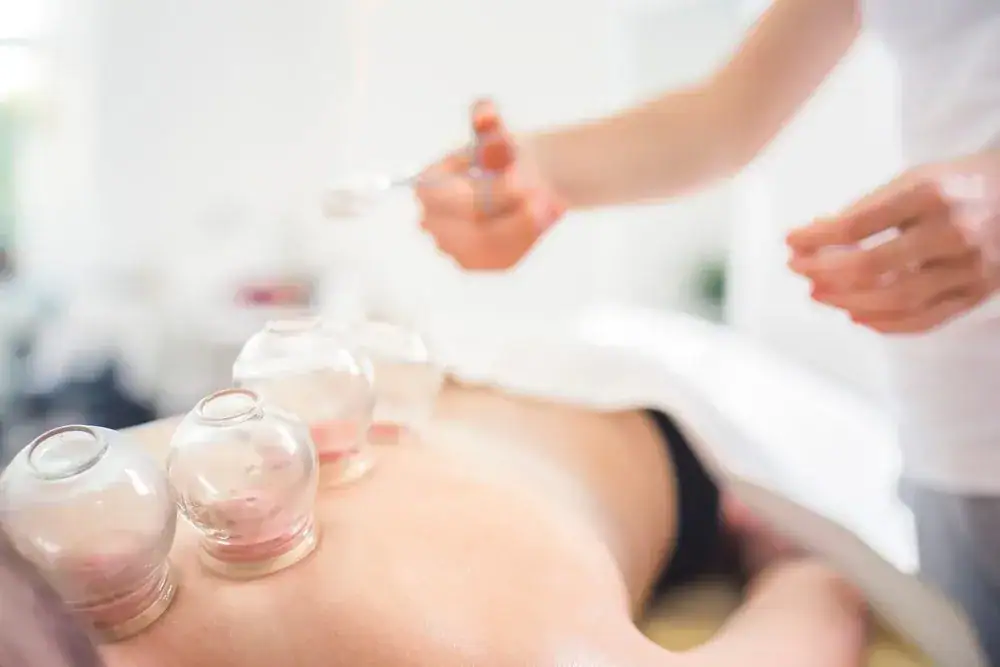
During the session, small cups are placed on your skin to create suction. This can be done using heat or a manual pump, depending on the technique. The cups stay in place for several minutes, pulling blood to the surface and encouraging circulation in areas that have been restricted or inflamed. You might feel tightness or pressure, but it shouldn’t be painful.
Afterward, you’ll likely see circular marks where the cups were placed. These fade within a few days and are a normal part of the process. Your therapist will also walk you through exercises or stretches to do between sessions, because cupping works best when it’s part of a broader physical therapy plan. Most people start noticing improvement after two to three sessions, though that varies depending on the severity of your condition.
Ready to get started?
Cupping therapy at Medcare isn’t a standalone service. It’s integrated into a full physical therapy treatment plan that might also include manual therapy, therapeutic exercises, and pain management strategies specific to your condition. Your therapist will determine the right combination based on your needs.
Sessions typically last 45 to 60 minutes and take place in your home. That means no driving, no waiting, and no exposure to illness during flu season—something that matters when you’re managing a chronic condition or recovering from surgery. For Orient residents, this also means avoiding the trip into larger towns for care that can be delivered locally.
Medicare covers physical therapy services when they’re medically necessary, and cupping is often included as part of that coverage. We handle the billing and verification process, so you’re not stuck navigating insurance paperwork on your own. Most patients in Orient deal with conditions like arthritis, post-surgical recovery, or age-related mobility loss—all of which respond well to cupping when combined with targeted physical therapy.
Yes, but it works best when it’s part of a physical therapy plan, not used alone. Research shows that cupping improves blood flow, reduces muscle tightness, and decreases inflammation in areas affected by chronic pain. For lower back pain specifically, multiple studies have found that cupping combined with physical therapy produces better outcomes than either treatment on its own.
The suction created by the cups lifts tissue away from underlying structures, which helps release adhesions and improve range of motion. If your back pain is caused by tight muscles, poor posture, or repetitive strain, cupping can address those contributing factors. It won’t fix structural issues like herniated discs, but it can reduce the pain and stiffness that come with them.
Most people notice some improvement after the first session, but lasting relief usually takes several weeks of consistent treatment. Your therapist will adjust the approach based on how you respond, which is why home-based care works well—you’re getting regular check-ins without the burden of repeated office visits.
Cupping is generally safe for older adults when administered by a licensed physical therapist who understands your medical history. That said, there are some conditions where cupping isn’t recommended—like if you’re on blood thinners, have a bleeding disorder, or have fragile skin that bruises easily.
Your therapist will review your medications and health conditions before starting treatment. For most older adults in Orient dealing with arthritis, muscle pain, or limited mobility, cupping is a low-risk option that doesn’t involve medications or invasive procedures. The marks left by the cups can look dramatic, but they’re not bruises in the traditional sense—they’re a result of increased blood flow to the area.
If you have concerns about how cupping might interact with other treatments you’re receiving, bring that up during your initial assessment. A good therapist will adjust the technique or skip cupping altogether if it’s not the right fit. The goal is to reduce pain and improve function, not add another layer of risk to your care plan.
Dry cupping uses suction alone, without any incisions or bloodletting. That’s different from wet cupping, which involves small cuts to draw out blood—a technique that’s less common in physical therapy settings and carries higher risk. Dry cupping is what most licensed therapists use because it’s effective, non-invasive, and has a strong safety profile.
The cups can be left in one place (stationary cupping) or moved across the skin (sliding cupping), depending on what your therapist is trying to achieve. Stationary cupping is better for targeting specific areas of pain, while sliding cupping works well for larger muscle groups like the back or thighs. Both methods increase circulation and reduce muscle tension, but the approach varies based on your condition.
Some therapists also use myofascial cupping, which focuses on releasing fascia—the connective tissue that surrounds muscles. This can be especially helpful if your pain is related to restricted movement or scar tissue from old injuries. Your therapist will explain which type of cupping makes sense for your situation and why.
If cupping is part of a physical therapy treatment plan prescribed by your doctor, Medicare and most commercial insurance plans will cover it. The key is that it needs to be medically necessary—not elective or wellness-focused. Conditions like chronic pain, post-surgical recovery, arthritis, and limited mobility typically qualify.
We accept Medicare and nearly all commercial insurances, and we handle the verification process before your first session. That means you’ll know upfront whether your plan covers the treatment and what your out-of-pocket cost will be, if any. Most Medicare patients pay little to nothing for home-based physical therapy services.
If you’re unsure whether your condition qualifies, call and ask. We can review your insurance details and let you know what’s covered before you commit to anything. The goal is to make care accessible, not add financial stress to an already frustrating situation.
Most people start noticing improvement after two to three sessions, but the total number depends on your condition, how long you’ve had it, and how your body responds to treatment. Acute pain—like a recent muscle strain—might resolve in a few weeks. Chronic pain that’s been present for months or years usually requires a longer treatment plan.
Your therapist will reassess your progress after each session and adjust the plan as needed. Some patients continue with cupping for several months as part of ongoing pain management, while others transition to exercises and stretches once the initial pain decreases. There’s no one-size-fits-all timeline, which is why individualized care matters.
Home-based therapy makes it easier to stick with a treatment plan because you’re not dealing with the logistics of repeated office visits. Consistency is what leads to lasting results, and that’s harder to maintain when every appointment requires arranging transportation or taking time away from home.
Yes. Cupping has been shown to help with neck pain, shoulder tension, knee pain, headaches, and muscle recovery after injury or surgery. It’s also used to improve circulation in people with limited mobility or chronic conditions that restrict blood flow. The technique is adaptable, which is why physical therapists incorporate it into treatment plans for a wide range of issues.
For example, if you’re recovering from knee surgery and dealing with stiffness or swelling, cupping can help reduce inflammation and improve range of motion. If you have tension headaches caused by tight neck and shoulder muscles, cupping those areas can provide relief that lasts longer than over-the-counter pain medication.
The effectiveness depends on what’s causing your symptoms. Cupping works well for musculoskeletal pain and soft tissue problems, but it’s not a cure-all. Your therapist will be upfront about what cupping can and can’t do for your specific condition, and whether it makes sense to include it in your treatment plan.
Other Services we provide in Orient