
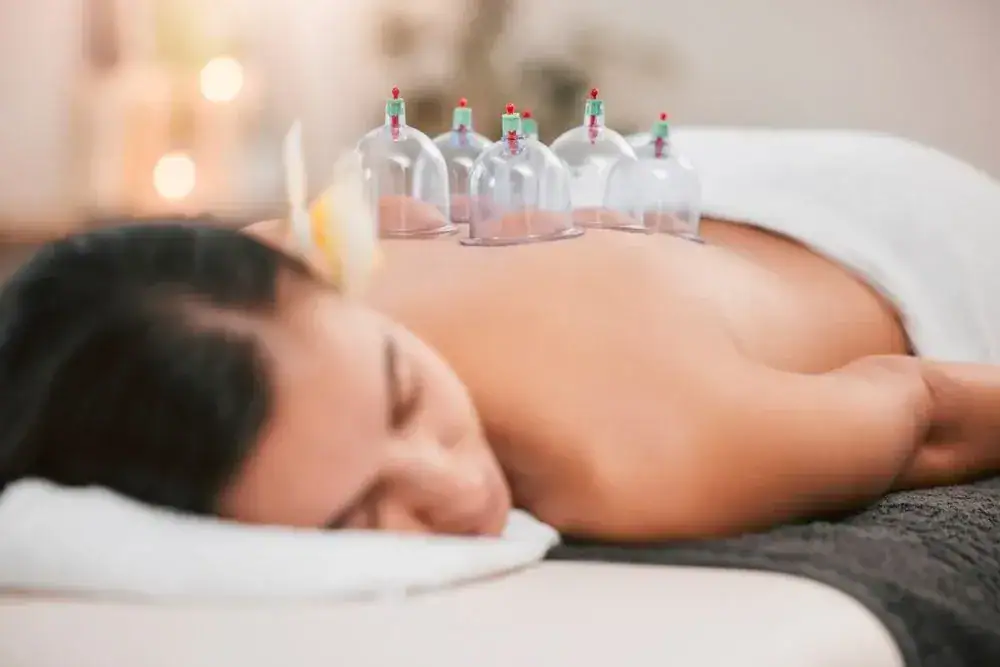

You’re dealing with pain that won’t quit. Back tension from sitting at your desk all day. Shoulder tightness that makes reaching overhead feel impossible. Knee pain that’s keeping you off the tennis court or out of your morning walks along the beach.
Cupping therapy works by creating suction on your skin that pulls blood flow to the affected area. That increased circulation helps loosen tight muscle fibers, reduce inflammation, and speed up your body’s natural healing process. It’s not magic—it’s targeted mechanical pressure that gives your muscles permission to finally relax.
Most people notice reduced pain and better range of motion within a few sessions. You might actually sleep through the night without waking up stiff. You could get back to the activities you’ve been avoiding because movement finally doesn’t hurt as much. The goal isn’t just managing symptoms—it’s helping you function the way you used to.
Medcare Therapy Services brings physical therapy and cupping treatments to Oak Beach residents through our established Long Island locations. Our licensed physical therapists don’t just apply cups and send you home—we assess what’s causing your pain and build a treatment plan around your specific situation.
Oak Beach has one of the highest median ages on Long Island, and we see plenty of active adults dealing with arthritis, post-surgical recovery, and chronic pain conditions. You’re not getting a one-size-fits-all approach here. Your treatment gets adjusted based on how your body responds, what your goals are, and what’s realistic for your lifestyle.
We accept most major insurance plans and handle the verification process so you’re not stuck making phone calls. Your time matters, and so does transparency about what you’re paying for.
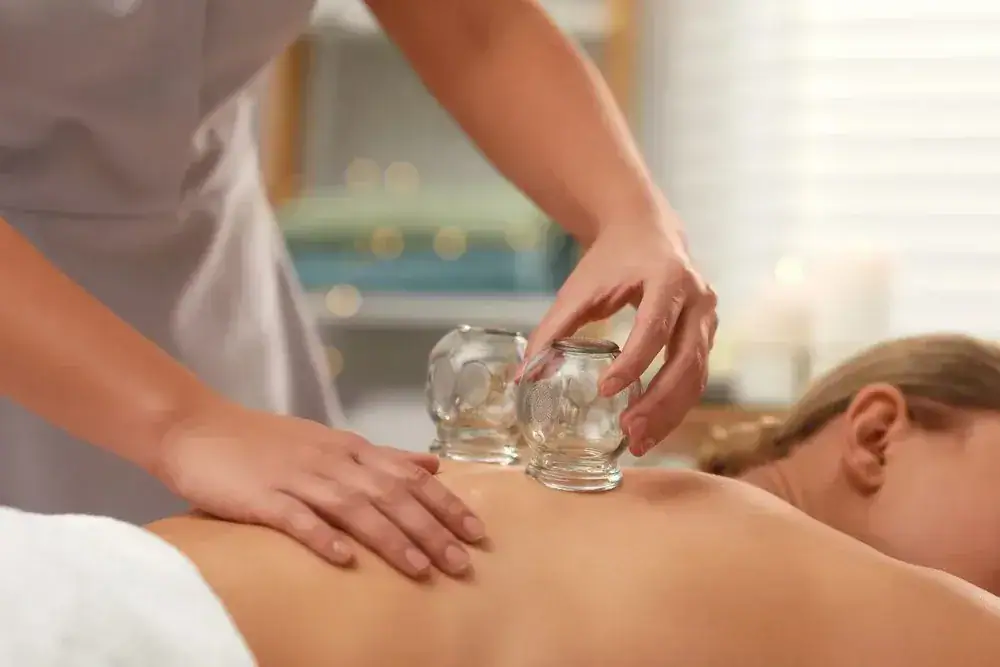
Your first visit starts with an evaluation. We’re looking at your pain history, your movement patterns, and what you’ve already tried. This isn’t a quick chat—it’s a real assessment that tells us whether cupping therapy makes sense for your condition or if you need a different approach.
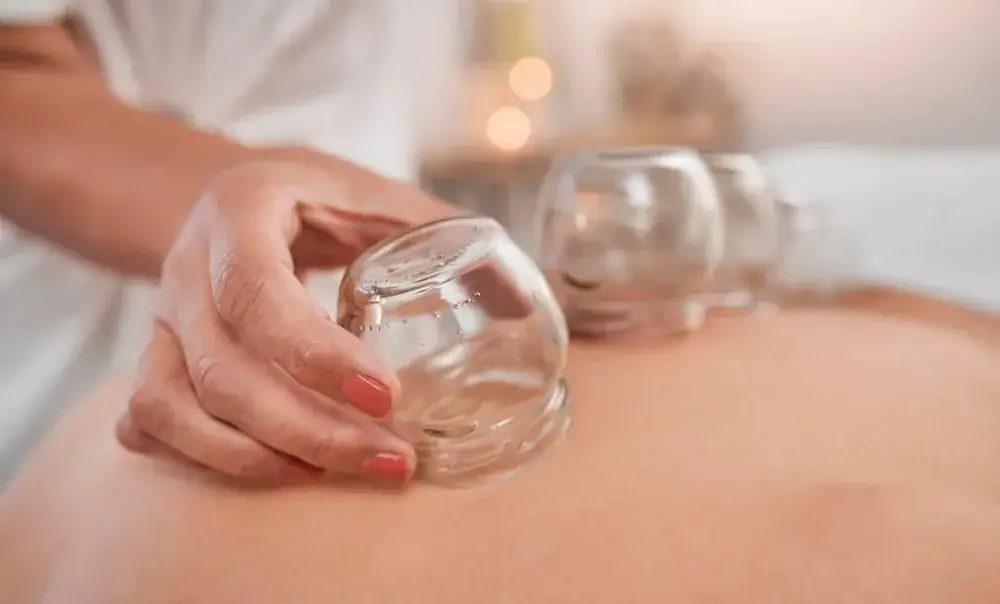
If cupping is appropriate, we’ll use either dry cupping or integrate it with hands-on physical therapy techniques. Dry cupping involves placing cups on your skin to create suction—no needles, no incisions. The cups stay in place for several minutes while the suction draws blood to the surface and encourages those tight muscle fibers to release. Some therapists also use dynamic cupping, where cups are moved across your skin while maintaining suction.
You’ll see circular marks afterward. They’re not bruises—they’re a result of the suction bringing blood flow to the area. They fade within a few days and aren’t painful. Most people feel immediate relief in the treated area, though some soreness is normal as your muscles adjust.
We’ll usually recommend a series of sessions depending on your condition. Chronic pain takes longer to address than acute muscle tension. You’re not locked into anything, but consistency matters if you want lasting results instead of temporary relief.
Ready to get started?
Every cupping therapy session includes a movement assessment to track your progress. We’re measuring range of motion, pain levels, and functional improvements—not just going through the motions. If something isn’t working, we adjust the treatment plan.
Cupping works well for chronic low back pain, neck tension, shoulder tightness, and knee pain from osteoarthritis. Research shows moderate-quality evidence supporting pain relief for these conditions. For Oak Beach residents dealing with repetitive strain from desk work or age-related joint issues, cupping combined with physical therapy exercises gives you better outcomes than either treatment alone.
You’re also getting education on what’s causing your pain and how to prevent it from coming back. That might mean postural corrections, strengthening exercises, or activity modifications. The cups are just one tool—the real value is in understanding your body better and having a licensed professional guide your recovery.
Treatment length varies. Some people feel significantly better after four to six sessions. Others with more complex chronic pain conditions need longer-term care. We’re upfront about realistic timelines based on what we’re seeing in your evaluation.
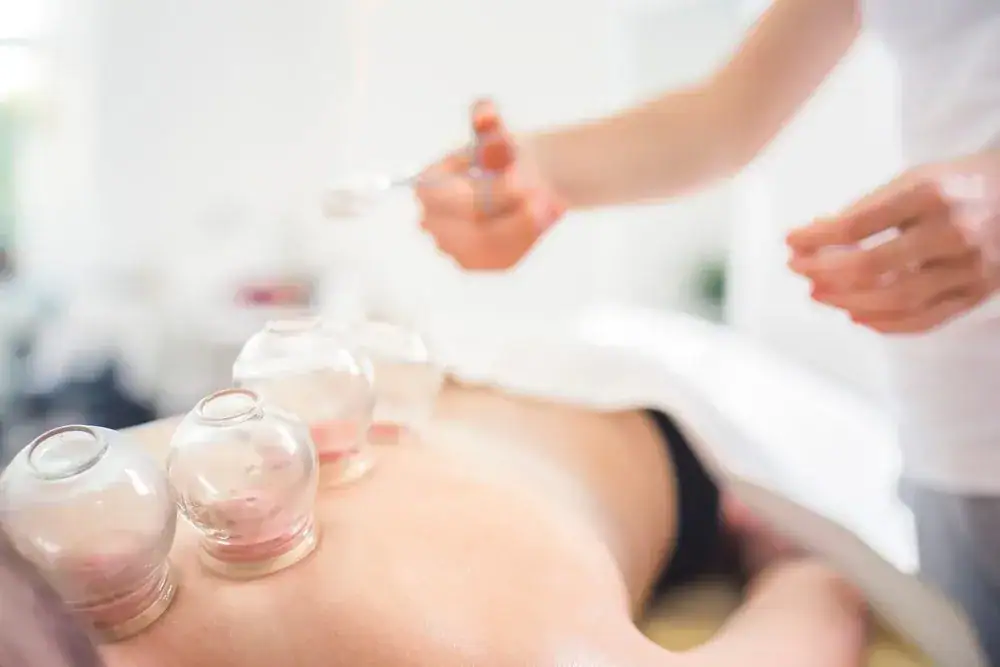
Yes, but it depends on what’s causing your back pain. Cupping therapy has moderate-quality research evidence supporting its effectiveness for chronic low back pain and muscle tension. It works by increasing blood flow to tight, painful areas and helping muscle fibers relax through sustained suction.
If your back pain is muscular—from poor posture, overuse, or muscle imbalances—cupping can provide real relief. Many patients report reduced pain and better mobility after several sessions. However, if your pain is caused by nerve compression, herniated discs, or structural issues, cupping alone won’t fix the underlying problem. That’s why we do a thorough evaluation first.
The best results come from combining cupping with physical therapy exercises that address the root cause. You’re not just getting temporary relief—you’re building strength and mobility that helps prevent the pain from returning. Most people in Oak Beach dealing with desk-related back tension or age-related stiffness see noticeable improvement within four to six sessions.
Dry cupping is what most physical therapists use—it’s just suction cups placed on your skin without any cutting or bloodletting. The cups create negative pressure that pulls tissue upward, increasing blood flow and releasing muscle tension. There are no needles, no incisions, nothing invasive.
Wet cupping involves making small cuts in the skin before applying cups, which draws out small amounts of blood. This isn’t commonly used in physical therapy settings and isn’t what we’re offering. Fire cupping uses a flame to create suction, while modern dry cupping uses a pump or silicone cups that are easier to control.
Dynamic cupping is a variation where the therapist moves the cups across your skin while maintaining suction—kind of like a deep tissue massage with added negative pressure. This works well for larger muscle groups like your back or thighs. Static cupping keeps the cups in one place for several minutes, which is better for targeting specific tight spots or trigger points. Your therapist will choose the approach based on what your muscles need.
Usually three to seven days, depending on how tight your muscles were and how much suction was used. The marks look like circular bruises, but they’re actually not bruises in the traditional sense. They’re caused by blood being drawn to the surface of your skin, which is exactly what we want—that increased blood flow is part of the healing process.
Darker marks typically appear in areas where you had more muscle tension or restricted blood flow. As your circulation improves with repeated sessions, the marks often become lighter because your tissue is responding better. Some people barely mark at all, while others see deep purple circles. Neither is better or worse—it’s just how your body responds.
The marks don’t hurt. You might feel some tenderness in the treated area for a day or two, similar to post-workout soreness, but the marks themselves aren’t painful to touch. They fade gradually and don’t require any special treatment. If you’re concerned about visible marks for an event or occasion, just let your therapist know and we can adjust the intensity or placement.
Yes, especially for muscle-related injuries and recovery. Athletes use cupping therapy to reduce muscle soreness, improve flexibility, and speed up recovery between training sessions. Research on high-level athletes shows that dynamic cupping increased hamstring mobility and improved lower extremity relief, which matters if you’re dealing with tight legs from running, cycling, or court sports.
Cupping works well for common sports issues like tight hip flexors, stiff shoulders from swimming or tennis, and calf tightness from running. The increased blood flow helps clear metabolic waste from your muscles faster, which can reduce that heavy, fatigued feeling after hard workouts. Many Oak Beach residents stay active well into their 60s and 70s, and cupping helps maintain that activity level without constant soreness.
However, cupping isn’t a replacement for proper rest and rehabilitation if you have an acute injury like a muscle tear or ligament sprain. It’s most effective as part of a broader recovery plan that includes appropriate exercises, load management, and sometimes activity modification. Your physical therapist will assess whether cupping makes sense for your specific injury or if you need a different treatment approach first.
Often yes, when it’s provided by a licensed physical therapist as part of your physical therapy treatment plan. Insurance companies typically cover cupping when it’s billed under physical therapy services and deemed medically necessary for your condition. That means your doctor or physical therapist has documented that cupping is an appropriate treatment for your specific diagnosis.
Coverage varies by plan, so we verify your benefits before starting treatment. Most major insurance plans accepted in the Oak Beach area will cover cupping when it’s integrated into your physical therapy sessions. You’ll pay whatever your normal physical therapy copay or coinsurance is—cupping isn’t usually billed as a separate service.
If you’re seeing someone who only offers cupping without being a licensed physical therapist, insurance is less likely to cover it. That’s one advantage of getting cupping through a physical therapy practice like Medcare—you’re getting licensed care that insurance actually recognizes. We handle the verification and billing process so you know what you’re paying upfront, not after you’ve already had several sessions.
Chronic pain conditions with a muscular component respond best. That includes chronic low back pain, neck tension, shoulder tightness, and knee pain from osteoarthritis. Research shows the strongest evidence for these conditions, particularly when cupping is combined with other physical therapy techniques rather than used alone.
Cupping also works well for muscle tension from repetitive strain—think desk workers with upper back tightness, or people with tension headaches caused by neck muscle tension. If your pain gets worse with certain positions or movements and better with stretching or massage, that’s a good sign cupping might help. Conditions like fibromyalgia and myofascial pain syndrome sometimes respond well, though results vary more from person to person.
Cupping is less effective for nerve pain, arthritis inflammation, or structural problems like herniated discs. It won’t fix torn ligaments or cartilage damage. If your pain is sharp, shooting, or accompanied by numbness and tingling, you likely need a different treatment approach. That’s why the initial evaluation matters—we’re determining whether cupping is actually appropriate for what’s going on with your body, not just offering it to everyone who walks through the door.
Other Services we provide in Oak Beach