
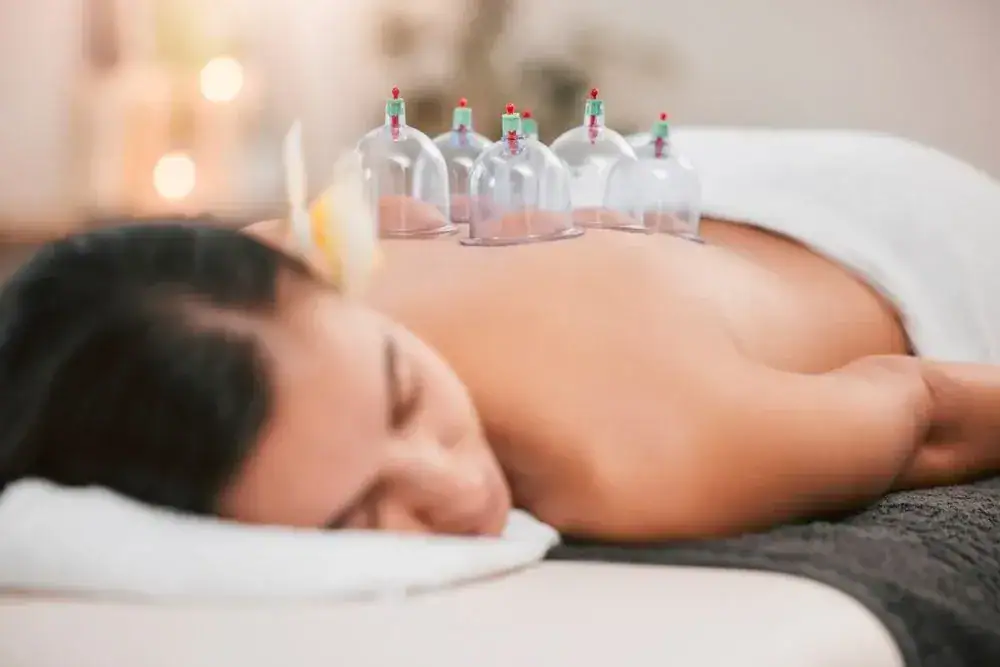

Chronic pain changes how you move through your day. Simple tasks become calculated decisions based on what your body can handle.
Cupping therapy uses controlled suction to lift muscle tissue, increase blood flow to injured areas, and release tension that’s been building for months or years. The result is reduced inflammation, looser muscles, and improved range of motion without relying on medication.
You’re not masking symptoms. You’re addressing the root cause of muscle tension and restricted movement. Most patients notice decreased stiffness and better mobility within the first few sessions, especially when cupping is combined with targeted physical therapy exercises.
This isn’t about temporary relief. It’s about giving your body what it needs to actually heal—better circulation, reduced muscle adhesions, and the space to move the way you’re supposed to.
We’ve been providing home-based physical therapy across Long Island for over a decade. Our licensed therapists are members of the American Physical Therapy Association and bring clinical expertise directly to patients who find it difficult to travel to appointments.
We accept Medicare and most commercial insurance plans, which means you’re not paying out-of-pocket for quality care. Our therapists work with you in Noyack and surrounding areas, treating each patient with the same level of attention regardless of location.
You’re not a number in a crowded clinic. You get one-on-one care in your own space, with treatment plans built around your specific condition and recovery goals.
Your therapist starts with an assessment of your pain, mobility limitations, and treatment history. This isn’t a generic protocol—it’s based on what your body actually needs.
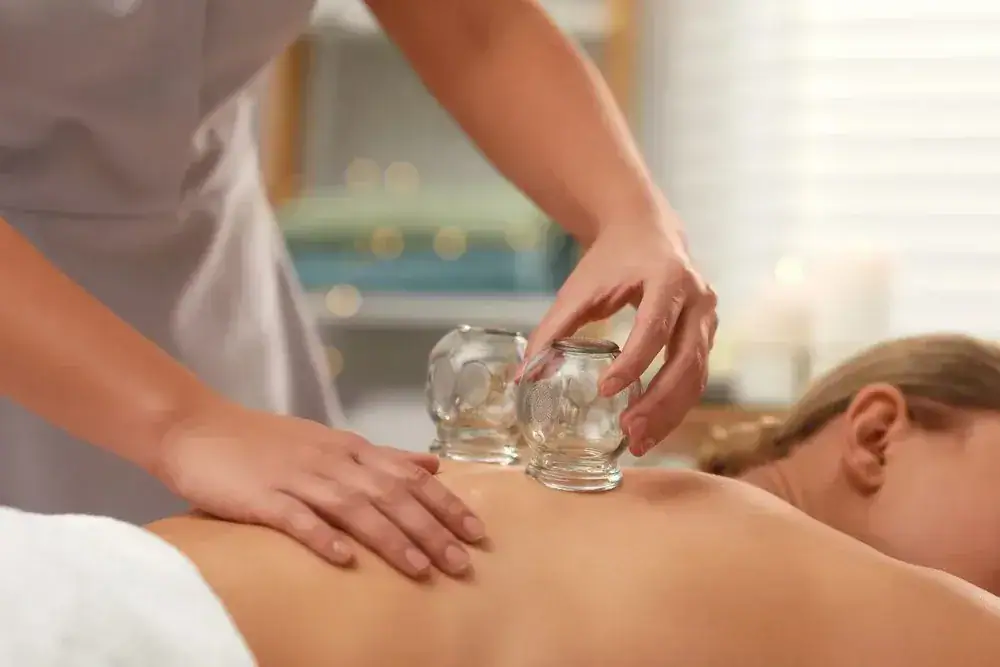
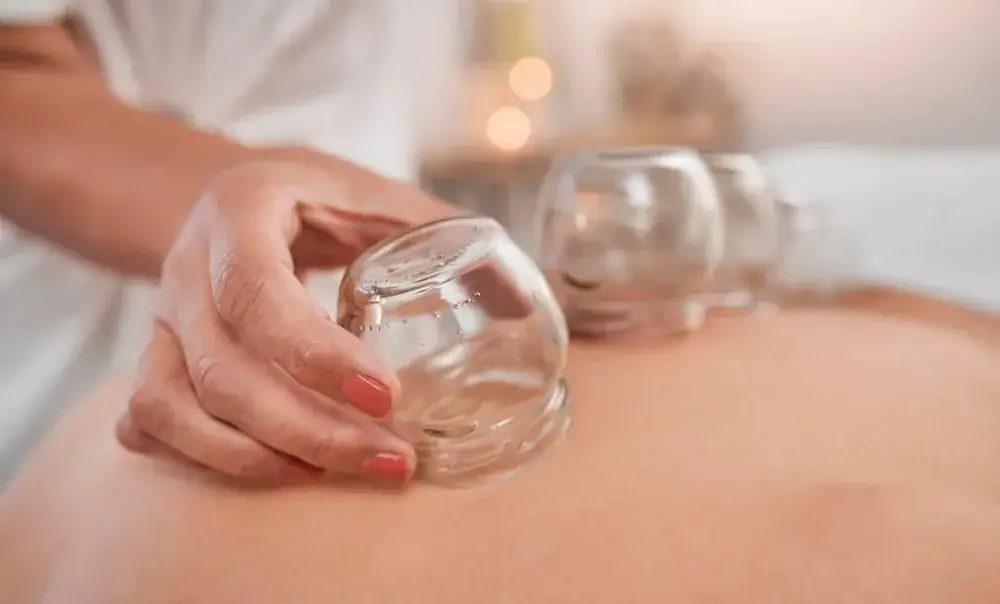
During the session, cups are placed on targeted areas using suction to lift the skin and underlying tissue. This creates negative pressure that pulls fresh blood into tight or injured muscles while helping drain built-up fluid and toxins. The cups may stay in place or be moved across your skin depending on the technique that works best for your condition.
Most people describe the sensation as a firm pull, not pain. You might see circular marks afterward—that’s normal and fades within a few days. Those marks show where blood flow was increased and tension was released.
Sessions typically last 30 to 45 minutes and are often combined with manual therapy or specific exercises. Your therapist adjusts the approach based on how your body responds, which is why home-based care works so well—you’re in a comfortable environment where real progress can happen.
Ready to get started?
You’re getting more than just cupping. We use dry cupping as part of a complete physical therapy approach that includes manual therapy, targeted exercises, and education on how to manage your condition long-term.
Dry cupping—where suction alone is used without incisions—is effective for chronic back pain, neck stiffness, shoulder tension, and post-injury muscle tightness. It’s especially useful for patients dealing with limited mobility or those recovering from surgery who need non-invasive pain management.
For Noyack residents, home-based care removes the barriers that keep people from sticking with treatment. No driving to appointments when you’re already in pain. No waiting rooms. Just consistent, personalized therapy that fits into your life instead of disrupting it.
Each session is designed to build on the last. Your therapist tracks your progress, adjusts techniques as you improve, and works with you until you’re moving the way you want to. That’s the difference between a one-size-fits-all approach and care that actually works.
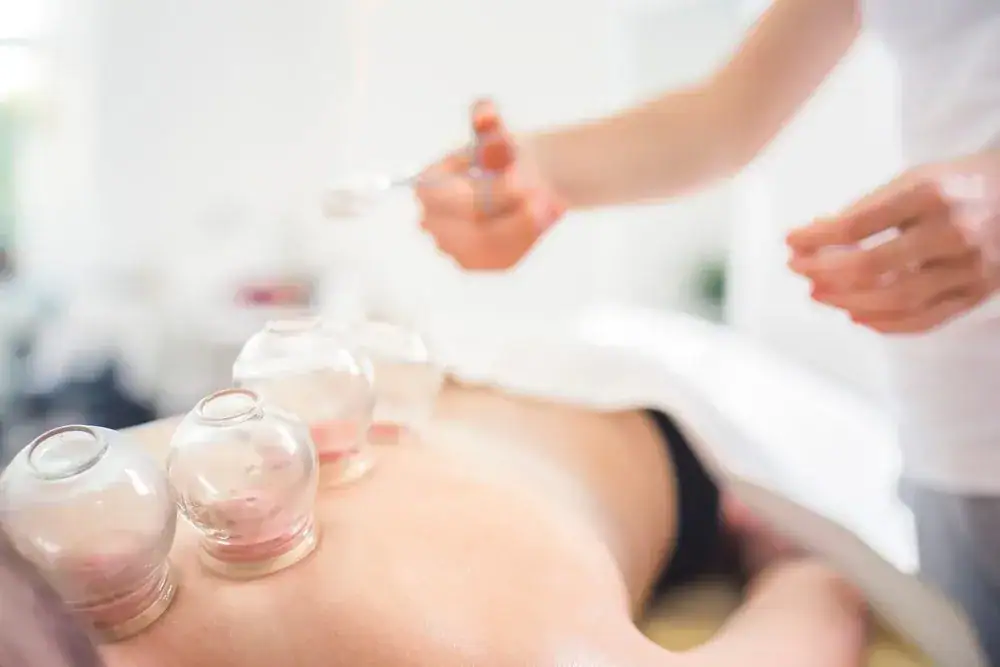
Yes, and there’s clinical evidence to back it up. Moderate-quality research shows cupping therapy provides relief for chronic pain conditions including low back pain, neck pain, and knee osteoarthritis.
The mechanism is straightforward. Cupping increases blood flow to areas with restricted circulation, which helps reduce inflammation and speeds up tissue repair. It also releases fascial adhesions—the tight, stuck-together layers of tissue that limit your movement and cause pain.
When combined with physical therapy exercises, cupping becomes even more effective. You’re not just loosening tight muscles temporarily. You’re retraining your body to move correctly while giving it the circulation and tissue mobility it needs to heal. Most patients notice improvement within three to four sessions, though results vary based on the severity and duration of your condition.
Cupping is safe when performed by a licensed physical therapist who understands anatomy and proper technique. The most common side effect is temporary circular marks where the cups were placed, which fade within a few days to a week.
Some people experience mild soreness after their first session, similar to what you’d feel after a deep tissue massage. This is normal and usually decreases with subsequent treatments as your body adapts.
Cupping isn’t recommended if you have certain skin conditions, are on blood thinners, or have active infections in the treatment area. That’s why your therapist conducts a thorough assessment before starting treatment. They’ll ask about your medical history, current medications, and any conditions that might affect how your body responds to therapy. You’re in control of the process, and your therapist adjusts pressure and technique based on your comfort level.
Massage uses compression—pushing down into muscle tissue to release tension. Cupping uses decompression—pulling tissue up and away from underlying structures. This creates space between layers of fascia and muscle that have become stuck together.
That difference matters when you’re dealing with chronic tightness or restricted movement. Compression alone can’t always reach deeper adhesions or areas where tissue has lost its ability to glide properly. Cupping lifts and separates those layers, which is why it’s effective for conditions that don’t respond well to traditional massage.
We also use cupping as part of a larger treatment plan. You’re not just getting temporary relaxation. You’re addressing specific dysfunction—whether that’s limited shoulder mobility, chronic lower back tension, or muscle guarding after an injury. The cups stay in place or move in targeted patterns based on what your body needs, and the treatment is combined with exercises that reinforce the improvements you’re making.
If cupping is part of your physical therapy treatment plan, it’s typically covered under your PT benefits. We accept Medicare and most commercial insurance plans, so you’re not paying out-of-pocket for each session.
Coverage depends on your specific plan and whether you’ve met your deductible. Some insurers require a copay for each visit, which can range from $20 to $75 depending on your policy. Our team verifies your benefits before starting treatment so you know exactly what to expect.
You don’t need a physician referral to start physical therapy in New York, which removes one more barrier to getting care. If you’re unsure about your coverage, call your insurance provider and ask about outpatient physical therapy benefits. Most plans cover a set number of visits per year, and cupping falls under that same benefit when it’s used as part of your PT plan.
Most patients notice some improvement within two to four sessions, but the total number depends on your condition, how long you’ve been dealing with it, and how your body responds to treatment.
Acute injuries—like a pulled muscle or post-surgical tightness—often respond faster than chronic conditions that have been building for years. If you’ve had lower back pain for a decade, it’s going to take more than two sessions to retrain those muscles and restore normal movement patterns.
Your therapist will give you a realistic timeline during your initial assessment. They’ll also track your progress and adjust the treatment plan as you improve. Some patients continue with occasional maintenance sessions after their primary symptoms resolve, especially if they’re managing a chronic condition or want to prevent future flare-ups. The goal isn’t to keep you in therapy forever—it’s to get you moving well enough that you don’t need us anymore.
Yes. Athletes and active individuals use cupping to speed recovery after intense training or injury. The increased blood flow helps clear metabolic waste from muscles and delivers oxygen and nutrients needed for repair.
Cupping also reduces muscle soreness and stiffness, which means you can return to activity sooner without compensating with poor movement patterns. If you’ve been favoring one side or avoiding certain movements because of tightness, cupping combined with corrective exercises helps restore balance and function.
For injury recovery, cupping works well alongside other physical therapy techniques. It’s especially useful when you’re dealing with scar tissue, limited range of motion, or areas that feel “stuck” even after the initial injury has healed. Your therapist will integrate cupping into a complete rehab plan that addresses strength, mobility, and movement quality—not just pain relief.
Other Services we provide in Noyack