

You’ve probably tried stretching, heat, ice, maybe even medication. The pain improves for a day or two, then comes right back. That cycle wears you down.
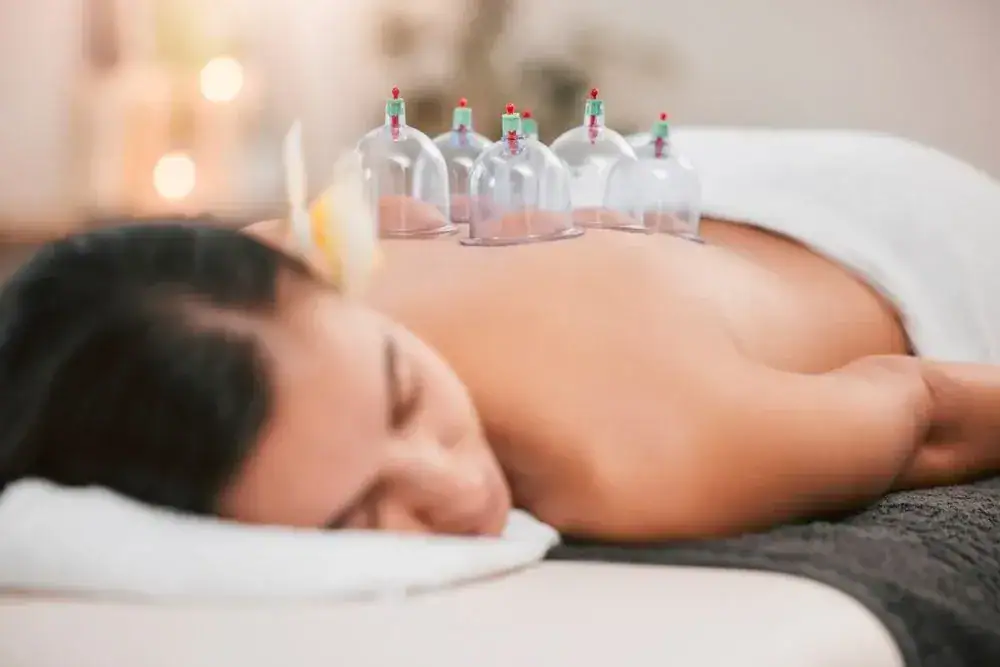
Cupping therapy works differently. It creates negative pressure on your skin that pulls blood flow to the area, breaks up adhesions in the tissue, and gives your muscles room to relax. You’re not just masking the pain—you’re addressing what’s causing it.
Most people notice less stiffness after the first session. Some feel immediate relief. Others need a few treatments before the change really sets in. Either way, you’re working toward lasting improvement, not just a temporary fix.
The goal isn’t to keep you coming back forever. It’s to help you get back to your life—whether that’s playing with your kids, sleeping through the night, or just getting through your day without wincing every time you move.
We’ve been treating patients across Long Island since 2010. Our team includes licensed physical therapists trained in modern cupping techniques, and we’ve built a reputation in North Merrick and throughout Nassau County for being straightforward, responsive, and effective.
We accept Medicare and most commercial insurance plans, so you’re not stuck figuring out coverage on your own. Our therapists take the time to explain what’s happening, what to expect, and how cupping fits into your overall treatment plan.
North Merrick residents deal with the same kinds of chronic pain issues we see across Nassau County—lower back pain from long commutes, neck tension from desk work, lingering discomfort after surgery or injury. Cupping therapy has become a go-to option because it works, it’s safe, and it integrates well with other treatments you might already be doing.
Your therapist starts with an assessment. They’ll ask about your pain—where it is, how long you’ve had it, what makes it better or worse. This isn’t a formality. It determines how they’ll approach your treatment.
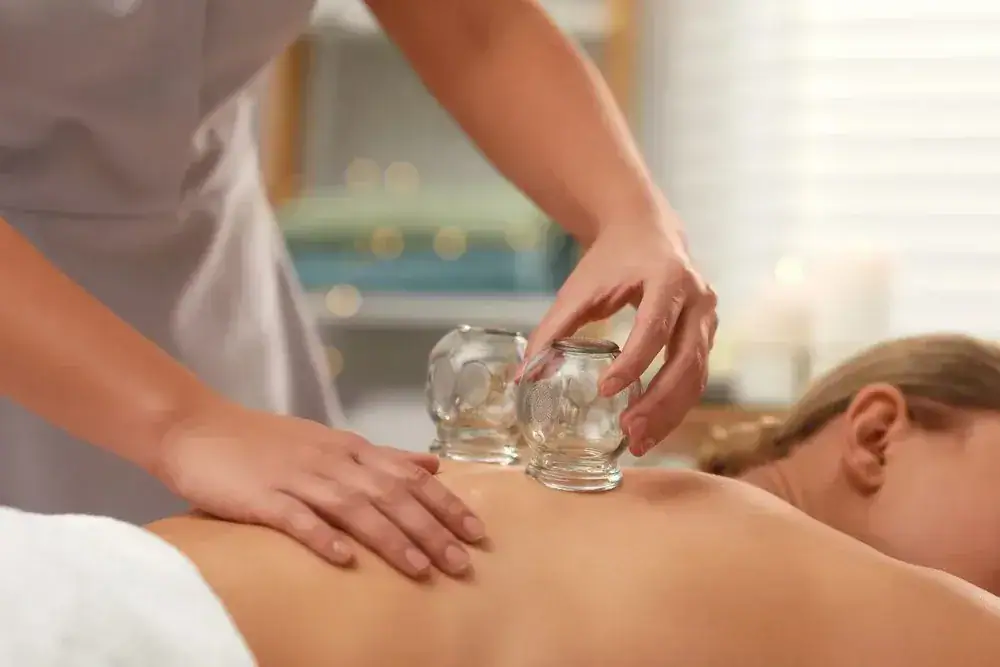
Once they understand what’s going on, they’ll place cups on the affected areas. These cups create suction that pulls your skin up slightly. It’s not painful—most people say it feels like a firm massage. The suction increases blood flow, reduces inflammation, and helps release tight fascia and muscle tissue.
Sessions typically last 15 to 30 minutes depending on the area being treated. Afterward, you might see circular marks on your skin. They’re not bruises, and they don’t hurt. They fade within a few days to a week, depending on how much tension was in the tissue.
Some people feel relief right away. Others notice gradual improvement over a few sessions. Your therapist will track your progress and adjust the treatment as needed. If cupping isn’t giving you the results you need, they’ll tell you and recommend what might work better.
Ready to get started?
Cupping therapy at Medcare isn’t a standalone gimmick. It’s part of a broader physical therapy approach that might also include manual therapy, strengthening exercises, or other modalities depending on what you need.
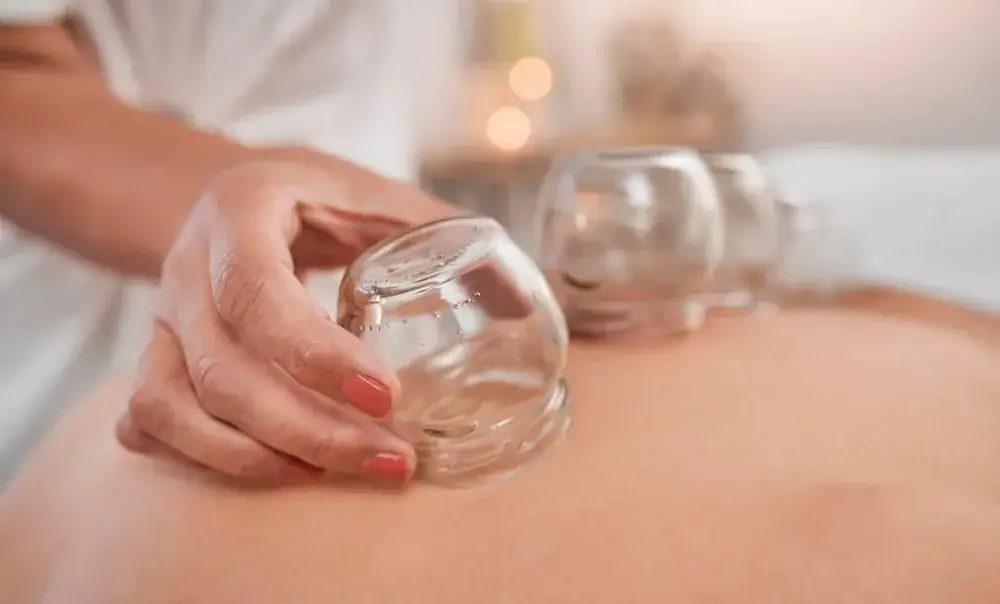
We use dry cupping, which means no needles, no fire, no mess. Just controlled suction applied to targeted areas. It’s effective for chronic lower back pain, neck pain, shoulder tension, and muscle tightness related to injury or overuse. Research backs this up—multiple studies show cupping significantly improves pain and function, especially for musculoskeletal conditions.
In North Merrick and across Nassau County, we see a lot of patients who’ve been dealing with pain for months or even years. Maybe you’ve been to other providers and didn’t get the results you wanted. Maybe you’re skeptical about trying something that seems unconventional. That’s fair.
What matters is whether it works. Cupping has been used for thousands of years, and modern physical therapy has refined the technique to make it even more effective. You’re getting an evidence-based treatment delivered by licensed professionals who know how to use it correctly. That’s the difference between results and wasted time.
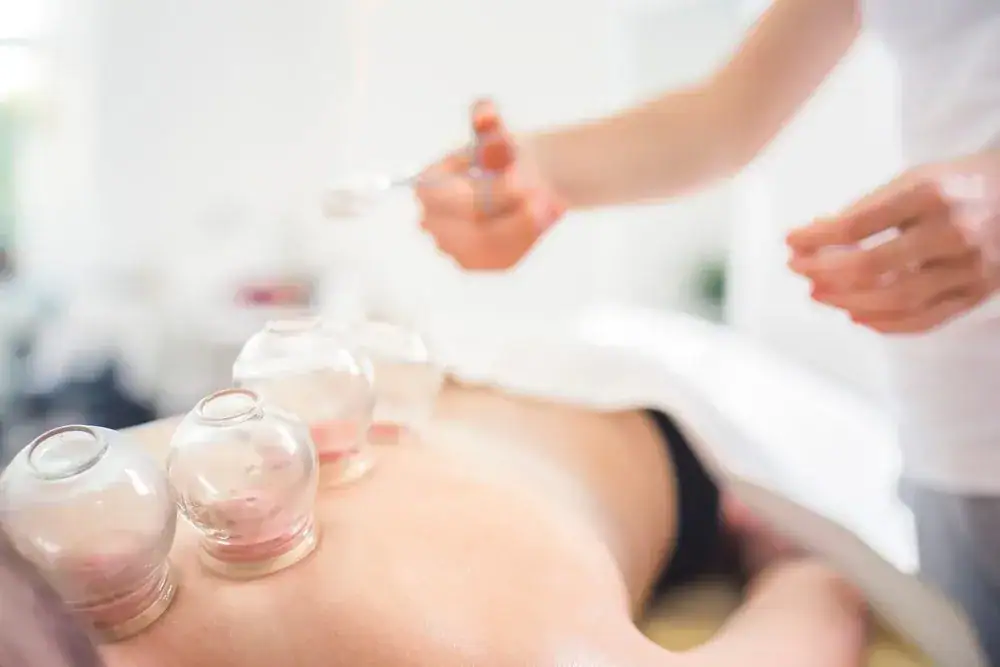
Yes, and the research supports it. A clinical study confirmed that cupping was more effective at reducing pain and improving function in people with chronic lower back pain compared to placebo treatments. That’s not anecdotal—it’s measurable improvement.
Cupping works by increasing blood flow to the affected area and breaking up fascial adhesions that contribute to stiffness and discomfort. When your muscles and connective tissue have been tight for a long time, they need more than just stretching or rest. They need intervention that addresses the underlying tension.
Most patients with chronic back pain notice some level of improvement within the first few sessions. That doesn’t mean the pain disappears overnight, but it does mean you’re moving in the right direction. Your therapist will combine cupping with other treatments as needed to give you the best chance at lasting relief.
Yes, cupping usually leaves circular marks, but no, you shouldn’t be worried. They’re not bruises, and they don’t hurt. The marks are caused by increased blood flow to the area—basically, your body’s healing response kicking in.
The color of the marks varies depending on how much tension or stagnation was in the tissue. Light pink fades in a day or two. Deeper red or purple might take up to a week. The more treatments you have, the lighter the marks typically become as your tissue releases and circulation improves.
If you’re concerned about visible marks for an event or something coming up, just let your therapist know ahead of time. They can adjust the intensity or work on areas that won’t be visible. But for most people, the marks are a non-issue—they’re just part of the process, and they fade on their own without any discomfort.
It depends on what you’re dealing with and how long you’ve had the problem. Some people feel immediate relief after one session. Others need several treatments before they notice significant improvement. Chronic conditions that have been building for months or years usually take longer to resolve than acute injuries.
Your therapist will give you a realistic timeline based on your specific situation. They’re not going to string you along or recommend more sessions than you actually need. The goal is to get you better, not to keep you on the schedule indefinitely.
Most treatment plans start with one to two sessions per week for a few weeks, then taper off as you improve. If you’re not seeing progress after a reasonable number of sessions, your therapist will reassess and adjust the approach. Cupping works well for a lot of conditions, but it’s not a magic cure for everything. If something else would work better, they’ll tell you.
In most cases, yes—if it’s provided as part of a physical therapy treatment plan. We accept Medicare and nearly all commercial insurance plans, and cupping is typically billed as part of your physical therapy services.
Coverage varies depending on your specific plan, so it’s worth calling your insurance company to confirm your benefits before your first appointment. Our team can also help verify your coverage and explain what your out-of-pocket costs might look like.
The key is that cupping needs to be medically necessary and delivered by a licensed therapist as part of a documented treatment plan. We’re not a spa offering cupping as a wellness add-on—we’re a licensed physical therapy practice using cupping as a clinical tool to treat diagnosed conditions. That distinction matters when it comes to insurance coverage, and it’s one of the reasons patients choose us over other providers.
Cupping is effective for a range of musculoskeletal conditions. We use it regularly for chronic neck pain, shoulder tension, muscle tightness from injury or overuse, and pain related to conditions like fibromyalgia. It’s also helpful for improving mobility and reducing inflammation after surgery or trauma.
Research shows benefits for conditions like knee osteoarthritis, ankylosing spondylitis, and myofascial pain syndrome. If you’ve been diagnosed with any of these or you’re dealing with persistent muscle pain that hasn’t responded well to other treatments, cupping might be worth trying.
That said, cupping isn’t appropriate for everyone. If you have certain skin conditions, blood clotting disorders, or other medical concerns, your therapist will let you know if it’s safe for you. The assessment at your first visit is designed to catch any contraindications and make sure cupping is a good fit for your situation. If it’s not, we’ll recommend something else that will actually help.
The biggest difference is training, intent, and integration with your overall care. At a spa, cupping is usually offered as a relaxation treatment. At a physical therapy clinic like ours, it’s a clinical intervention used to treat diagnosed conditions and improve function.
Our therapists are licensed professionals trained in anatomy, physiology, and evidence-based treatment techniques. They know how to assess your condition, determine if cupping is appropriate, and integrate it with other therapies to give you the best outcome. They’re also tracking your progress and adjusting your treatment plan based on measurable results.
Spa cupping might feel good in the moment, but it’s not designed to address the root cause of your pain or help you meet specific functional goals. Clinical cupping is. That’s why it’s covered by insurance when it’s part of a documented treatment plan, and why patients who’ve tried both usually see better long-term results with a licensed therapist.
Other Services we provide in North Merrick