
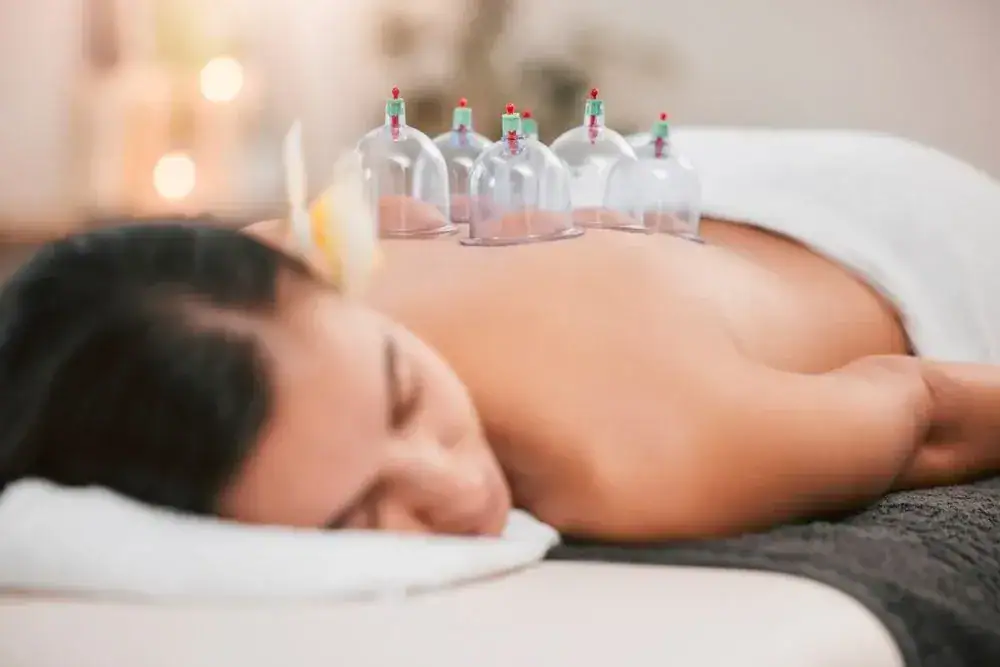

You’re not looking for temporary relief that wears off by dinner. You want to sleep through the night without your back waking you up. You want to reach for something on a high shelf without that sharp pull in your shoulder. You want to get through your day without planning around pain.
Cupping therapy addresses muscle tension at the source. The suction lifts tissue, increases blood flow to areas that have been tight for months, and breaks up the adhesions that keep you stiff. Research shows it’s more effective than sham therapy for persistent low back pain, and patients report immediate relief after single sessions.
This isn’t about masking symptoms. It’s about giving your body what it needs to actually recover—better circulation, reduced inflammation, and space for tight fascia to release. Most people notice they can move more freely within the first few sessions. Some find they’re finally cutting back on pain medication they’ve relied on for years.
We’ve been treating patients across Long Island with the kind of care that doesn’t rush you through appointments or hand you a generic exercise sheet. Our physical therapists are trained in dry cupping as part of comprehensive treatment plans, not as a standalone gimmick.
In North Massapequa, where 60% of therapy patients are over 55 and dealing with chronic conditions that don’t respond to standard approaches, we’ve built our practice around what actually works. That means combining cupping with manual therapy, targeted exercises, and education that helps you understand what’s happening in your body.
We manage multiple locations with the same standard: verified credentials, secure patient data, and transparent communication from your first call through your last session. You’re not a number here.
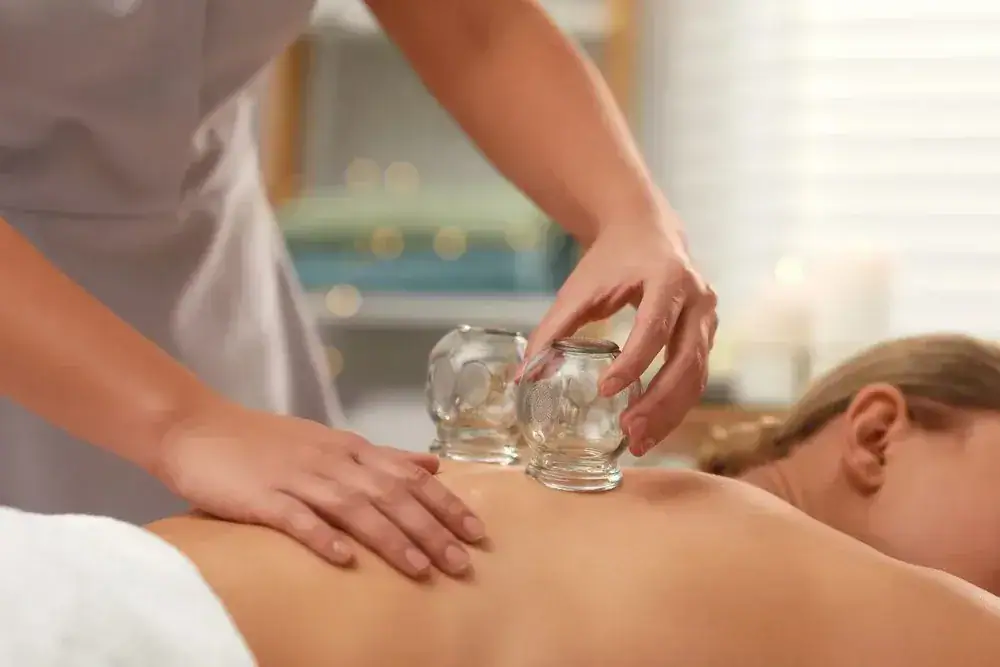
Your therapist starts with an assessment. Where’s the pain? When did it start? What makes it worse? This isn’t small talk—it determines which areas need treatment and how aggressive the suction should be.
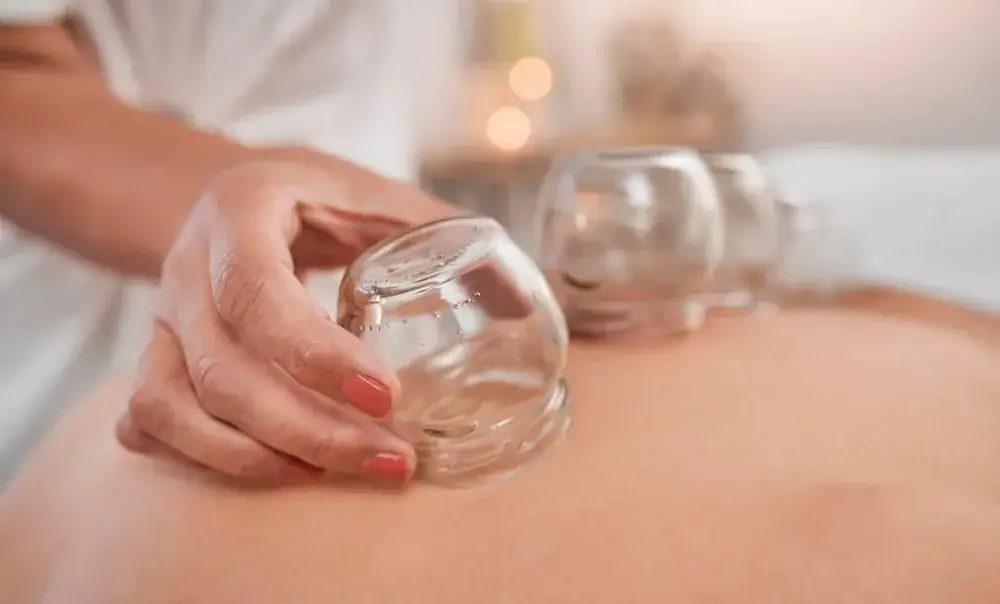
During the session, cups are placed on your skin using suction that pulls tissue upward. This is dry cupping, meaning no incisions, no blood, just controlled negative pressure. You’ll feel a tight pull, but most people find it surprisingly comfortable. The cups stay in place for 5-15 minutes while they work to increase blood flow and release fascial restrictions.
Some therapists use stationary cups. Others glide them across muscle groups to cover more area. You might see circular marks afterward—they’re not bruises, they’re a sign of increased circulation bringing fresh blood to tissue that’s been starved of it. Those marks fade within a few days.
The goal isn’t just relief during the appointment. It’s to reset your tissue so you leave moving better than you came in. Many patients combine cupping with other physical therapy techniques in the same visit for faster, more complete results.
Ready to get started?
Cupping therapy here is part of your physical therapy plan, which means it’s typically covered by insurance the same way your other PT services are. You’re not paying out-of-pocket for something separate. It’s integrated into the care you’re already receiving.
Sessions last between 30-60 minutes depending on how many areas need attention. Your therapist will adjust suction intensity based on your tolerance and the condition of your tissue. If you’re dealing with chronic low back pain, neck stiffness, or shoulder tension—issues common among North Massapequa residents managing arthritis and age-related conditions—cupping targets those specific problem areas.
You’ll also get guidance on what to do between sessions. Stretches, movement patterns, hydration—small things that support what the cupping is doing. This isn’t a passive treatment where you show up and hope for magic. It works best when you’re an active participant.
The research backs this up. Studies show cupping improves pain and functional disability in people with persistent low back pain. It increases tissue blood flow, reduces muscle tension, and improves range of motion. For athletes recovering from training or older adults trying to stay active, it’s a low-risk option that doesn’t add more pills to your routine.
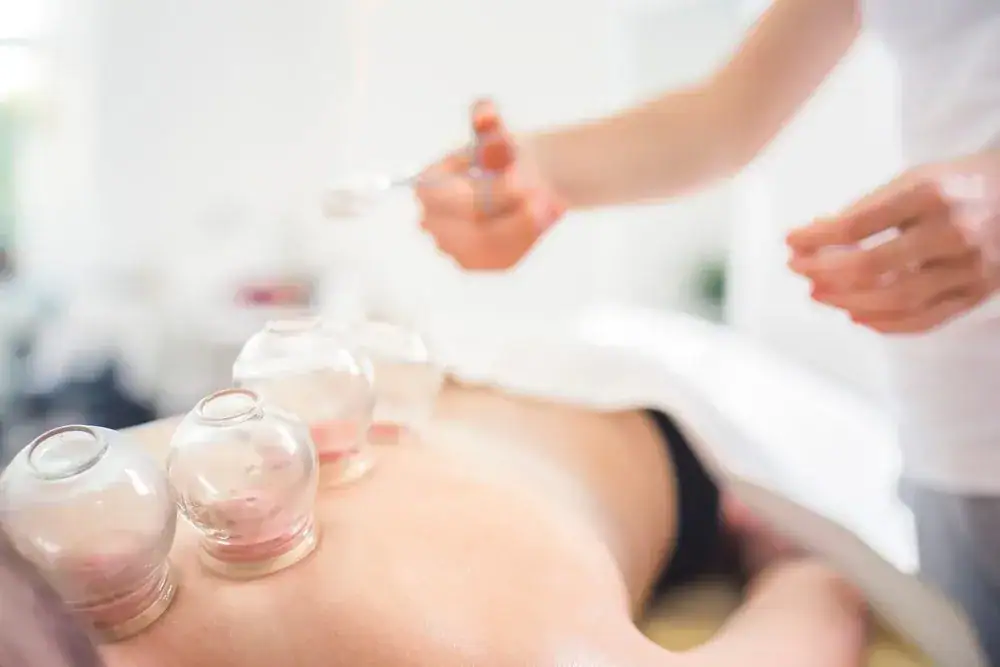
Yes, and there’s research to prove it. Multiple studies show cupping is more effective than sham therapy for persistent low back pain, with patients reporting both immediate relief and improved function over time. The suction increases blood flow to areas that have been tight and under-circulated, which helps reduce inflammation and release muscle tension.
If you’ve been dealing with back pain that hasn’t responded to other treatments, cupping addresses it differently than medication or standard stretching. It lifts the fascia, creates space between tissue layers, and allows your body to actually heal instead of just managing symptoms. Most people notice they can move more easily within the first few sessions, and some are able to reduce their reliance on pain medication.
That said, it’s not a one-and-done solution. Chronic pain usually requires multiple sessions combined with other physical therapy techniques. But for people in North Massapequa managing long-term back issues, it’s one of the most effective non-invasive options available.
You’ll likely see circular marks, but they’re not bruises in the traditional sense. Bruises happen when blood vessels break and leak into surrounding tissue. Cupping marks are caused by increased blood flow and the pulling of stagnant blood and fluids to the surface. They look like dark circles, but they don’t hurt like bruises do.
These marks usually fade within 3-7 days depending on how much suction was used and how your body responds. Some people barely mark at all. Others see darker circles, especially in areas where circulation has been poor or muscle tension has been severe. The marks are actually a sign the treatment is working—bringing fresh, oxygenated blood to tissue that needed it.
If you’re concerned about visible marks for work or social reasons, let your therapist know. They can adjust the intensity or place cups in areas that are easier to cover with clothing. But most patients find the relief outweighs any temporary cosmetic concern.
Dry cupping is what we use. It’s non-invasive—just suction applied through cups placed on your skin. There are no needles, no incisions, and no blood involved. The cups create negative pressure that lifts tissue, increases circulation, and releases tight fascia. That’s it.
Wet cupping, which you might see in traditional Chinese medicine or Middle Eastern practices, involves small incisions and controlled bleeding. It’s a different approach with different goals. Fire cupping uses a flame to create suction, while modern dry cupping uses a pump or silicone cups that are easier to control and adjust.
In our physical therapy setting, dry cupping is the standard because it’s evidence-based, low-risk, and integrates cleanly with other manual therapy techniques. You’re getting a treatment that’s been studied, refined, and taught in Doctor of Physical Therapy programs—not something experimental or outside the scope of licensed healthcare.
Some people feel relief after one session. Others need several before they notice lasting change. It depends on what you’re treating, how long you’ve had the problem, and how your body responds to increased circulation and tissue release.
For acute issues like muscle soreness from overuse or a recent injury, 2-4 sessions might be enough. For chronic conditions—persistent back pain, long-term neck stiffness, ongoing shoulder tension—you’re looking at 6-10 sessions or more, often combined with other physical therapy treatments. Your therapist will give you a clearer timeline after your initial assessment.
The key is consistency. Cupping works by gradually improving blood flow and breaking down adhesions that have built up over time. Spacing sessions too far apart can slow progress. Most patients come in 1-2 times per week at first, then taper off as symptoms improve. And because it’s part of your physical therapy plan, insurance typically covers it the same way it covers your other PT visits.
Yes. In fact, older adults make up the majority of patients using cupping therapy in physical therapy settings. It’s a low-risk treatment that doesn’t add stress to joints, doesn’t require medication, and doesn’t involve the kind of aggressive manipulation that might be risky for someone with osteoporosis or other age-related conditions.
For North Massapequa residents over 55—who represent 60% of physical therapy patients locally—cupping offers a way to manage chronic pain, arthritis, and mobility issues without increasing their medication load. It’s especially useful for people who’ve been told to avoid certain treatments due to other health concerns.
That said, your therapist will review your full medical history before starting. If you’re on blood thinners, have fragile skin, or have certain circulatory conditions, they may adjust the approach or recommend a different treatment. But for most older adults dealing with muscle tension, stiffness, and pain, cupping is not only safe—it’s one of the most effective options available.
That’s exactly how it’s designed to work. Cupping isn’t a standalone service here—it’s integrated into your overall physical therapy plan. Your therapist might use cupping to release tight muscles before moving into manual therapy or targeted exercises. Or they might apply it after a session to enhance recovery and reduce soreness.
Combining treatments often produces better results than using any single technique alone. For example, cupping can improve tissue mobility, which makes stretching and strengthening exercises more effective. It can also speed up recovery between sessions, so you’re not starting from scratch each time you come in.
You won’t need to schedule separate appointments or pay extra fees. If cupping makes sense for your condition, it’s built into your treatment plan and billed through your insurance the same way your other physical therapy services are. The goal is always the same: get you moving better, feeling better, and back to your life as quickly as possible.
Other Services we provide in North Massapequa