
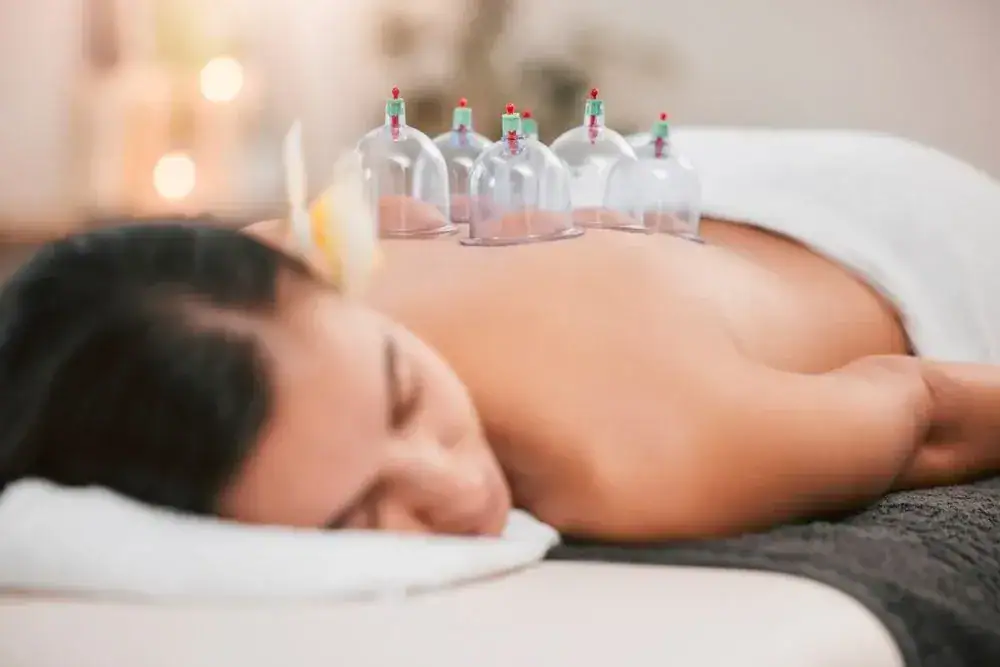

Chronic pain doesn’t just hurt. It keeps you from doing what you love, makes simple tasks exhausting, and wears you down mentally.
Cupping therapy works by creating suction that lifts tissue, increases blood flow to restricted areas, and releases fascial adhesions that trap pain. The result is reduced inflammation, looser muscles, and improved range of motion. Many patients notice decreased stiffness after their first session.
This isn’t about masking symptoms. It’s about addressing the mechanical restrictions causing your pain. You get natural muscle relaxation, better circulation, and the ability to move without constantly bracing against discomfort. That means getting back to activities you’ve been avoiding and sleeping through the night without waking up sore.
We’ve been serving Long Island since 2010. Our physical therapists are trained in modern cupping techniques and integrate them into comprehensive treatment plans based on your specific condition.
We accept Medicare and most commercial insurance plans. Our team manages every detail of your care, from initial evaluation through recovery, with the same attention we’d want for our own families.
North Hills residents value quality healthcare that respects their time and delivers results. We’ve built our practice around that expectation. Our locations maintain rigorous standards for patient data security, appointment accessibility, and treatment consistency.
Your first visit starts with an evaluation. We assess your pain patterns, movement restrictions, and treatment history to determine if cupping therapy fits your needs. Not every condition responds the same way, so we’re upfront about what you can expect.
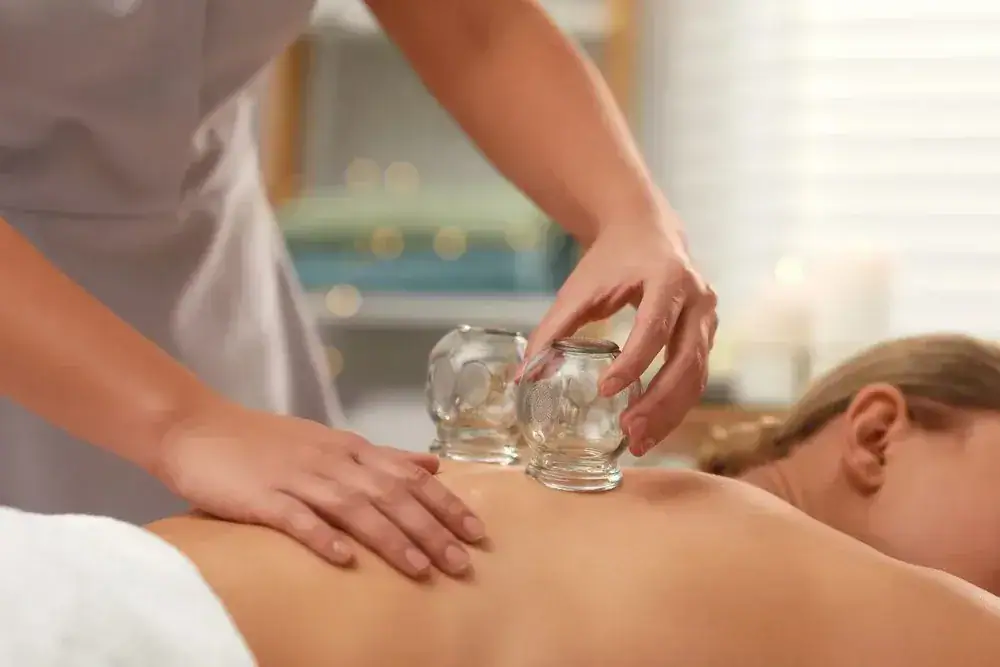
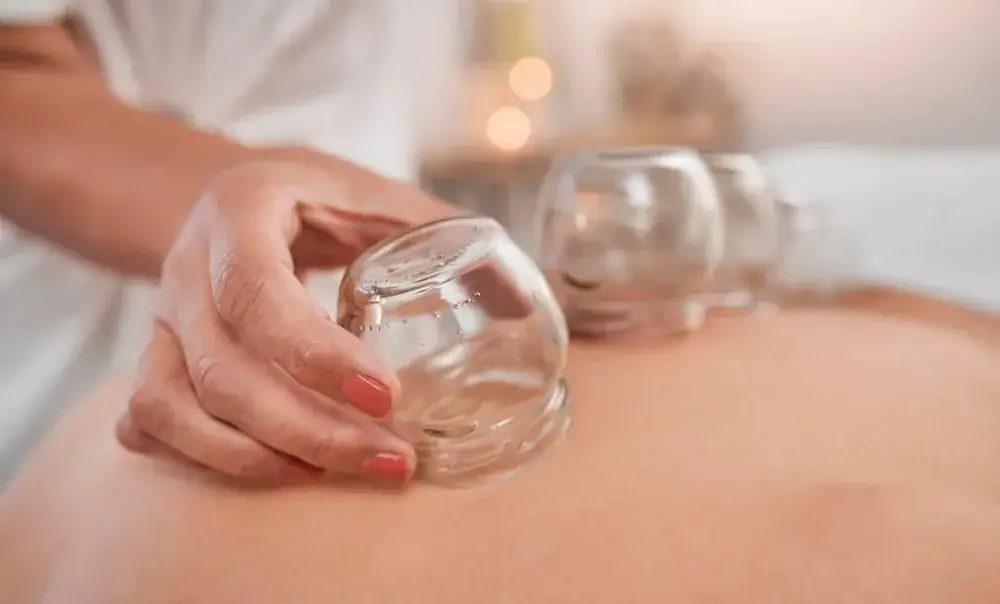
During treatment, we place cups on targeted areas using suction to lift tissue away from underlying structures. This is called myofascial decompression. The cups stay in place for several minutes while the suction draws blood to the surface and encourages muscle fibers to release. Some patients feel immediate relief. Others notice gradual improvement over multiple sessions.
Dry cupping is the most common technique we use. It’s non-invasive, relatively comfortable, and integrates well with other physical therapy methods like manual therapy or therapeutic exercise. You might see circular marks on your skin afterward. They’re not bruises, they’re a normal response to the suction and typically fade within a few days.
We track your progress and adjust treatment as you improve. The goal is measurable results, not endless appointments.
Ready to get started?
Cupping therapy works well for chronic lower back pain, neck stiffness, shoulder tension, and knee discomfort. We also use it for sports-related muscle tightness and post-surgical recovery when appropriate. The treatment helps with conditions where restricted fascia or poor circulation contribute to ongoing pain.
North Hills has an active community. Between the parks, golf courses, and fitness centers around Great Neck, residents here stay physically engaged. That also means dealing with overuse injuries, age-related joint pain, and the occasional flare-up that won’t quit. Cupping therapy fits into that lifestyle because it supports faster recovery without downtime.
Research shows moderate-quality evidence for cupping’s effectiveness with chronic pain conditions, particularly lower back and neck pain. It’s not a miracle cure, but it’s a legitimate tool backed by clinical studies. We combine it with other therapies to give you the best chance at lasting improvement.
You’ll receive a personalized treatment plan that outlines session frequency, expected timeline, and how cupping fits with any other therapies you’re doing. Everything is documented and communicated clearly so you know exactly where you stand.
Yes, but it depends on what’s causing your pain. Cupping therapy is most effective when chronic lower back pain involves muscle tightness, fascial restrictions, or reduced blood flow to the area. The suction created by the cups mechanically lifts tissue, which decreases densification in the fascia and improves tissue mobility.
Research shows moderate-quality evidence supporting cupping for chronic lower back pain relief. Patients often report decreased stiffness and improved range of motion after consistent treatment. That said, if your pain stems from structural issues like severe disc herniation or spinal instability, cupping alone won’t fix it.
We evaluate your specific condition during your first visit. If cupping makes sense for your situation, we’ll integrate it into a broader treatment plan. If it doesn’t, we’ll tell you that too and recommend what will actually help.
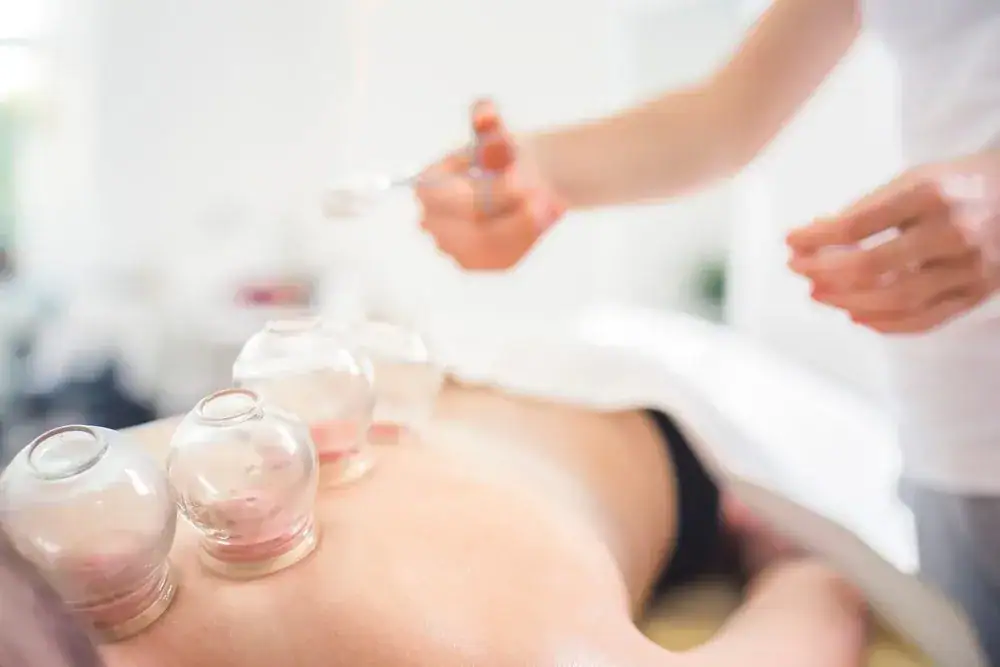
Dry cupping uses suction only. Cups are placed on your skin, air is removed to create a vacuum, and the suction pulls tissue upward. There are no needles, no incisions, and no additional techniques involved. It’s the most common form used in physical therapy settings.
Wet cupping involves making small cuts in the skin to draw out blood, but we don’t offer that here. It’s more invasive and typically used in traditional medicine practices. Fire cupping uses heat to create suction, which some practitioners prefer, but modern pump-based cups give us more control over pressure levels.
Dry cupping is effective for muscle relaxation and pain relief without added complexity. It’s also lower risk because there’s no breaking of the skin. Most patients tolerate it well, and the circular marks it leaves fade within three to seven days.
It varies based on your condition and how long you’ve been dealing with pain. Acute issues like a recent muscle strain might respond in two to four sessions. Chronic conditions that have been building for months or years typically require six to ten sessions before you see significant improvement.
Some patients feel relief immediately after their first session. Others notice gradual changes over a few weeks. Consistency matters more than intensity. Spacing sessions appropriately gives your body time to respond to treatment without overdoing it.
We assess your progress at each visit and adjust frequency as needed. If you’re not improving by session three or four, we’ll modify the approach or explore other options. The goal is measurable results within a reasonable timeframe, not stringing you along indefinitely.
Most insurance plans cover cupping therapy when it’s provided as part of physical therapy treatment. We accept Medicare and nearly all commercial insurance plans. Coverage depends on your specific plan, deductible status, and whether cupping is deemed medically necessary for your condition.
We verify your benefits before you start treatment so there are no surprises. Our team handles the documentation and billing directly with your insurance company. You’ll know your estimated out-of-pocket cost upfront.
If your plan doesn’t cover cupping or you haven’t met your deductible, we’ll discuss cash pay options. We’re transparent about costs because you deserve to make informed decisions about your care without hidden fees or confusing billing.
Cupping therapy is relatively low-risk when performed by licensed professionals. The most common side effect is circular discoloration where the cups were placed. These marks look like bruises but aren’t painful. They’re caused by blood being drawn to the surface and typically fade within a week.
Some patients feel mild soreness in treated areas for a day or two after their session, similar to post-workout muscle fatigue. Staying hydrated and moving gently helps minimize this. Rarely, people experience dizziness during treatment, which resolves quickly when we remove the cups.
Cupping isn’t appropriate for everyone. We don’t use it on patients with certain skin conditions, bleeding disorders, or active infections in the treatment area. That’s why the initial evaluation matters. We assess your health history and current condition to make sure cupping is safe and effective for you specifically.
Yes, especially when neck and shoulder pain involves muscle tightness or restricted fascia. Cupping therapy releases tension in the upper trapezius, levator scapulae, and other muscles that commonly contribute to neck stiffness and shoulder discomfort. The suction helps improve blood flow to these areas and encourages tight muscle fibers to relax.
Many North Hills residents deal with neck and shoulder tension from desk work, driving, or repetitive overhead activities. Cupping addresses the mechanical restrictions causing that tension rather than just temporarily relieving symptoms. Combined with targeted exercises and posture correction, it can produce lasting improvement.
Treatment for neck and shoulder issues typically involves placing cups along the upper back, shoulders, and sometimes the neck itself. Sessions last 15 to 20 minutes. Most patients tolerate it well and notice decreased tightness within a few treatments. We adjust cup placement and suction intensity based on your comfort level and response.
Other Services we provide in North Hills