
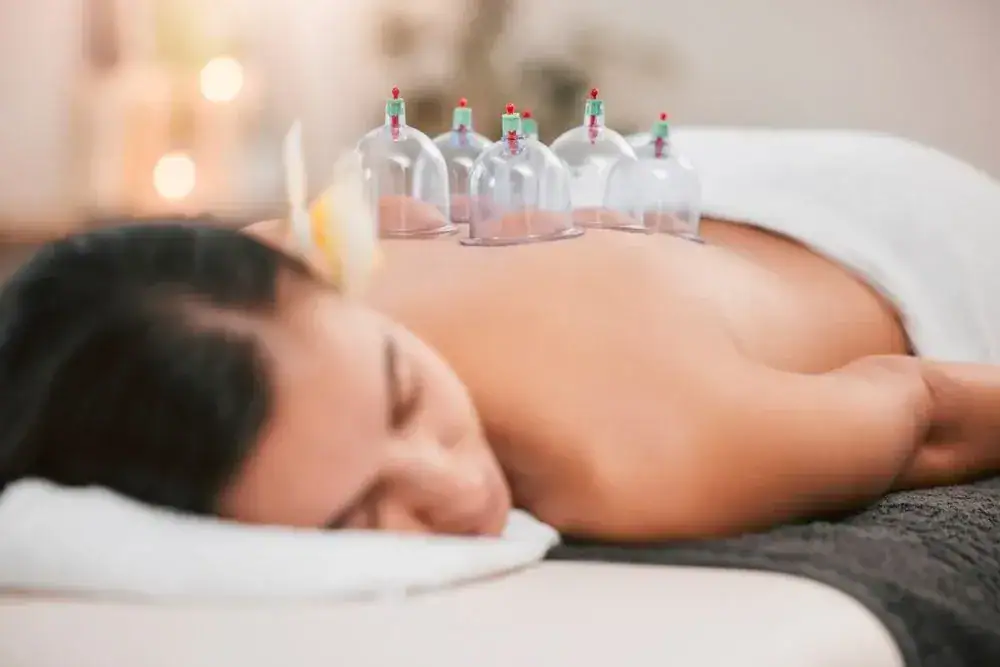

You wake up without that familiar stiffness. You reach for something on a high shelf without wincing. You get through your workday without counting down the hours until you can rest.
That’s what happens when cupping therapy actually addresses the source of your pain instead of masking it. The suction increases blood flow to tight, inflamed areas. Muscles release. Range of motion improves. And you start moving like you used to.
Clinical studies show cupping reduces pain levels faster than many conventional treatments, especially for chronic low back pain, neck tension, and muscle injuries. It’s not a temporary fix. When combined with physical therapy, the results stick because you’re treating the underlying dysfunction, not just chasing symptoms around.
Most patients notice a difference after the first session. Some feel immediate relief. Others see gradual improvement over a few weeks as inflammation decreases and circulation improves. Either way, you’re working toward getting back to normal life without relying on medications that come with side effects you didn’t sign up for.
We’ve been treating patients across Long Island for years, and our North Hempstead location brings the same standard of care you’d expect from licensed professionals who’ve seen it all. We’re not a spa offering cupping as a side service. We’re physical therapists who use cupping as part of a complete treatment plan.
That matters because cupping isn’t a standalone miracle. It works best when someone who understands musculoskeletal dysfunction can assess your specific condition, identify what’s causing your pain, and integrate cupping with other therapies that address the root problem. You’re not just getting suction cups placed on your back and sent home. You’re getting a diagnosis, a plan, and follow-through.
North Hempstead residents deal with the same issues we see across Nassau County: desk jobs that wreck posture, sports injuries that linger, chronic pain that conventional medicine hasn’t solved. We’ve built our practice around treating those exact problems with evidence-based methods that actually work.
First visit starts with an evaluation. We need to understand what’s causing your pain, how long you’ve dealt with it, and what you’ve already tried. That tells us whether cupping makes sense for your situation and how to structure your treatment.
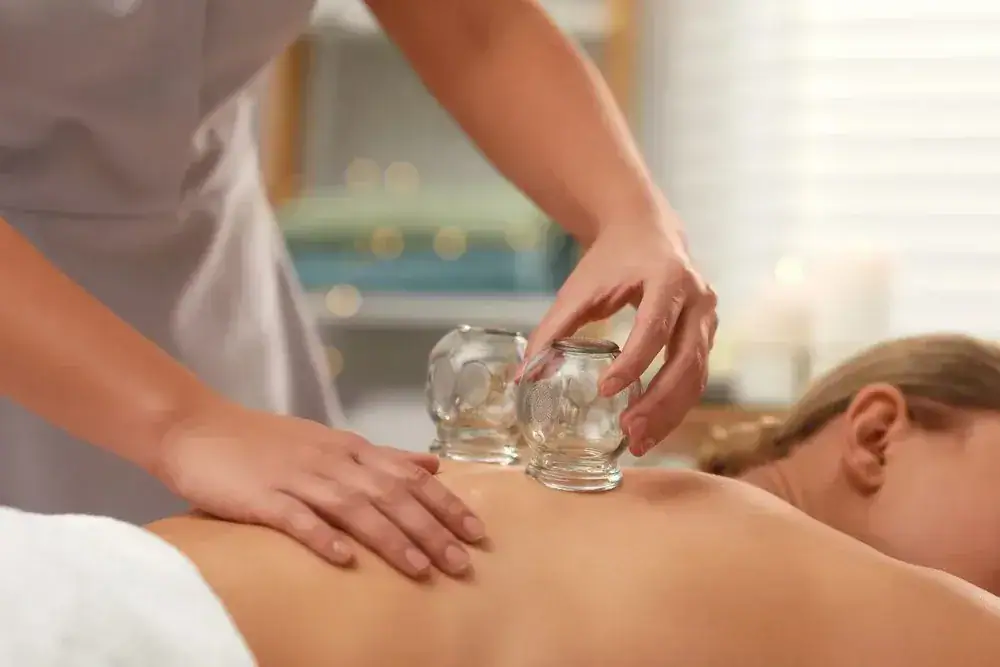
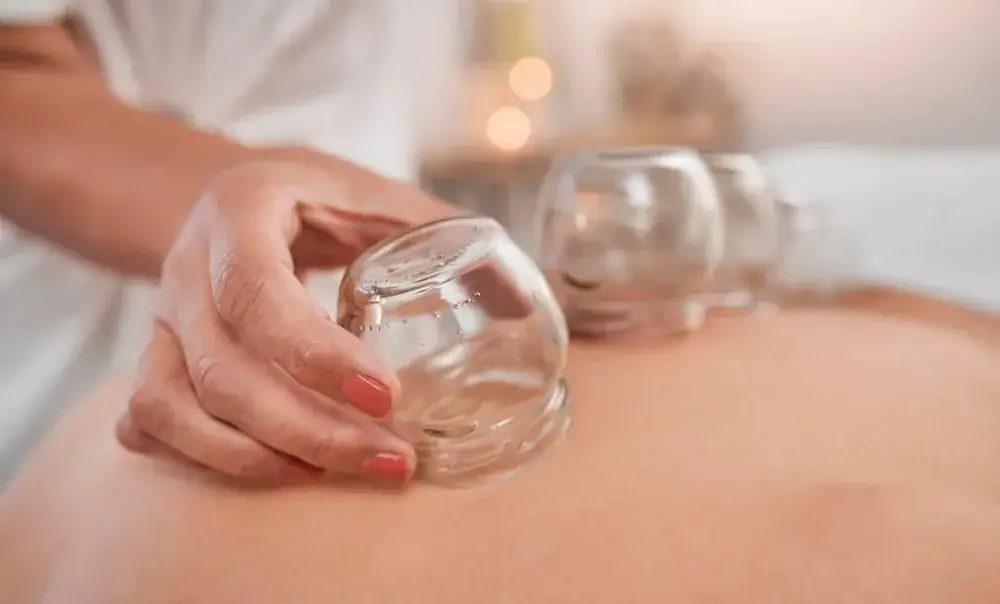
If cupping is appropriate, we’ll use dry cupping technique. Small cups create suction on your skin over the affected area. That negative pressure pulls blood into the tissue, which increases circulation and helps release muscle tension. The cups stay in place for five to ten minutes, which research shows is enough time to get therapeutic benefits without overdoing it.
You’ll see circular marks afterward. They’re not bruises, they’re just where blood was drawn to the surface. They fade within a few days to a week. Some people feel immediate relief. Others notice improvement over the next day or two as inflammation decreases.
Most conditions require multiple sessions. We’ll usually recommend starting with two sessions per week, then spacing them out as you improve. Between sessions, we might give you exercises or stretches that support what we’re doing with cupping. The goal is always to get you better and keep you better, not to keep you coming back forever.
Ready to get started?
Every cupping session includes a full assessment by a licensed physical therapist. We’re not just placing cups and setting a timer. We’re evaluating your pain patterns, checking your range of motion, and adjusting treatment based on how your body responds.
Dry cupping is our primary method. It’s effective for most pain conditions and carries minimal risk when performed correctly. We place cups strategically based on where you’re holding tension, where your pain originates, and what we’re trying to accomplish. Treatment typically lasts 30 to 45 minutes, including prep and post-treatment assessment.
North Hempstead patients often combine cupping with other physical therapy services. That might mean manual therapy to address joint restrictions, targeted exercises to strengthen weak areas, or education about posture and movement patterns that contribute to your pain. Cupping enhances those treatments by improving circulation and reducing muscle guarding that makes other interventions less effective.
We treat chronic low back pain, neck pain, shoulder tension, sports injuries, and musculoskeletal conditions that haven’t responded well to other approaches. If you’ve been dealing with pain for months or years, if medications aren’t cutting it anymore, or if you’re trying to avoid surgery, cupping combined with physical therapy gives you another option that’s backed by clinical evidence.
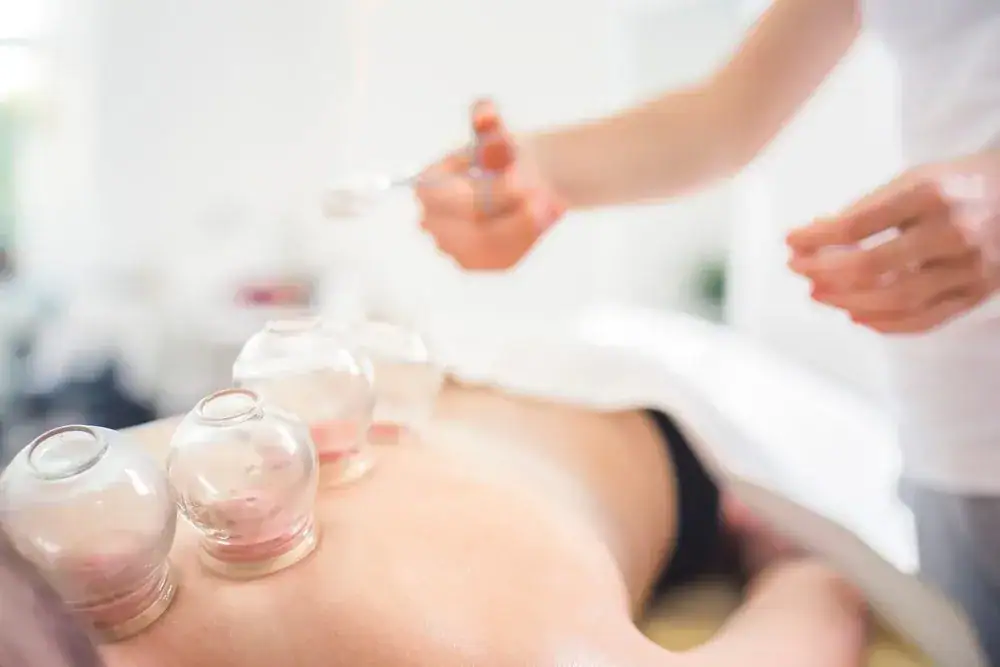
Clinical research shows cupping is effective for specific types of chronic pain, particularly low back pain, neck pain, and musculoskeletal conditions. A 2022 evidence-mapping study that reviewed 14 meta-analyses found cupping significantly reduced pain levels compared to control groups across multiple conditions.
The key is understanding what cupping does. It increases blood flow to targeted areas, which helps reduce inflammation and release tight muscles. That’s not hype, that’s basic physiology. When muscles are chronically tight, they restrict their own blood supply, which perpetuates the pain cycle. Cupping breaks that cycle.
It’s not a cure-all. If your pain is caused by structural damage, nerve compression, or systemic disease, cupping alone won’t fix it. But for muscular pain, myofascial dysfunction, and conditions where poor circulation contributes to your symptoms, the evidence supports using cupping as part of your treatment plan. We’ve seen it work consistently when applied correctly to appropriate conditions.
The circular marks typically last three to seven days, sometimes up to ten days depending on how much suction was used and how your body responds. They’re not technically bruises, though they look similar.
Bruises happen when blood vessels break and leak into surrounding tissue, usually from impact trauma. Cupping marks occur because suction draws blood to the surface and temporarily pools it there. The discoloration you see is from that increased blood flow, not from damaged tissue.
Most people don’t find them painful. The area might feel slightly tender immediately after treatment, similar to the feeling after a deep tissue massage. If you have an event where you’ll be wearing something that shows your back or shoulders, just schedule your cupping session at least a week in advance. The marks fade progressively and you can cover them with makeup if needed, though most patients don’t bother.
Some patients feel improvement immediately after their first session. Others need three to five sessions before they notice significant change. It depends on how long you’ve had the problem and what’s causing it.
Acute injuries often respond faster. If you pulled a muscle last week, you might get substantial relief in one or two sessions. Chronic conditions that have been building for months or years typically require more sessions because you’re not just treating symptoms, you’re retraining tissue that’s been dysfunctional for a long time.
We usually start with twice-weekly sessions for two weeks, then reassess. If you’re improving, we’ll space sessions out to once a week, then every other week as you continue getting better. Most treatment plans run six to eight sessions total, but that’s not a rigid rule. We adjust based on your progress. If you’re not seeing improvement after four sessions, we’ll either modify our approach or recommend a different treatment path.
Cupping is low-risk when performed by trained practitioners who follow proper protocols. The most common side effects are the temporary marks and occasional mild soreness. Serious complications are rare and usually result from improper technique or leaving cups on too long.
Research indicates cupping has fewer adverse effects than many conventional pain treatments. You’re not introducing medications into your system, there’s no surgery, and there’s no risk of dependency. The main precautions involve avoiding cupping over broken skin, active infections, or areas with poor circulation.
We don’t recommend cupping if you’re on blood thinners, have a bleeding disorder, or are pregnant without clearance from your doctor. We also avoid cupping directly over varicose veins or recent surgical sites. During your evaluation, we’ll review your medical history to make sure cupping is appropriate for your situation. Our therapists are trained to recognize contraindications and will tell you straight if cupping isn’t the right approach for you.
Coverage depends on your specific insurance plan and how the service is billed. When cupping is performed by a licensed physical therapist as part of your physical therapy treatment, many insurance plans will cover it under your PT benefits.
We bill cupping as a manual therapy technique within your physical therapy session, not as a separate service. That usually means it’s covered the same way your other PT treatments are covered, subject to your copay, deductible, and any visit limits your plan has.
The best approach is to call your insurance company before your first visit and ask about coverage for physical therapy services. Ask specifically whether manual therapy techniques are covered and whether you need a referral or prior authorization. We can also verify your benefits when you schedule, but you’ll get the most accurate information by checking directly with your insurer. If insurance doesn’t cover it or you haven’t met your deductible, we’ll discuss self-pay rates so you know exactly what you’re paying before we start treatment.
Yes, and in most cases that’s actually the best approach. Cupping works well alongside other physical therapy techniques, chiropractic care, massage therapy, and medical treatments. It’s not an either-or situation.
Many of our patients are already seeing other providers when they start cupping. As long as there’s no direct conflict between treatments, combining approaches often produces better results than any single method alone. We’ll coordinate with your other providers if needed to make sure everyone’s working toward the same goals.
The one thing to watch is timing. If you’re getting deep tissue massage and cupping in the same week, your muscles might need more recovery time between sessions. We’ll help you figure out a schedule that gives you maximum benefit without overdoing it. Just let us know what other treatments you’re receiving so we can plan accordingly and avoid any potential interactions or redundancies in your care plan.
Other Services we provide in North Hempstead