
You know that deep tightness in your lower back that won’t quit, no matter how much you stretch? Or the shoulder tension that’s been there so long you’ve almost forgotten what loose feels like?
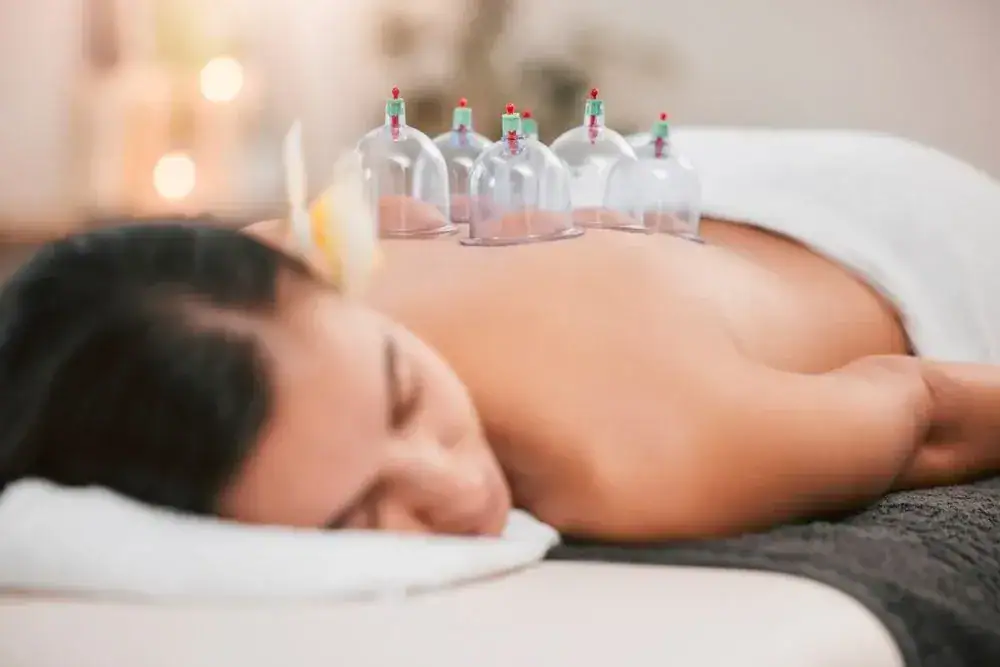
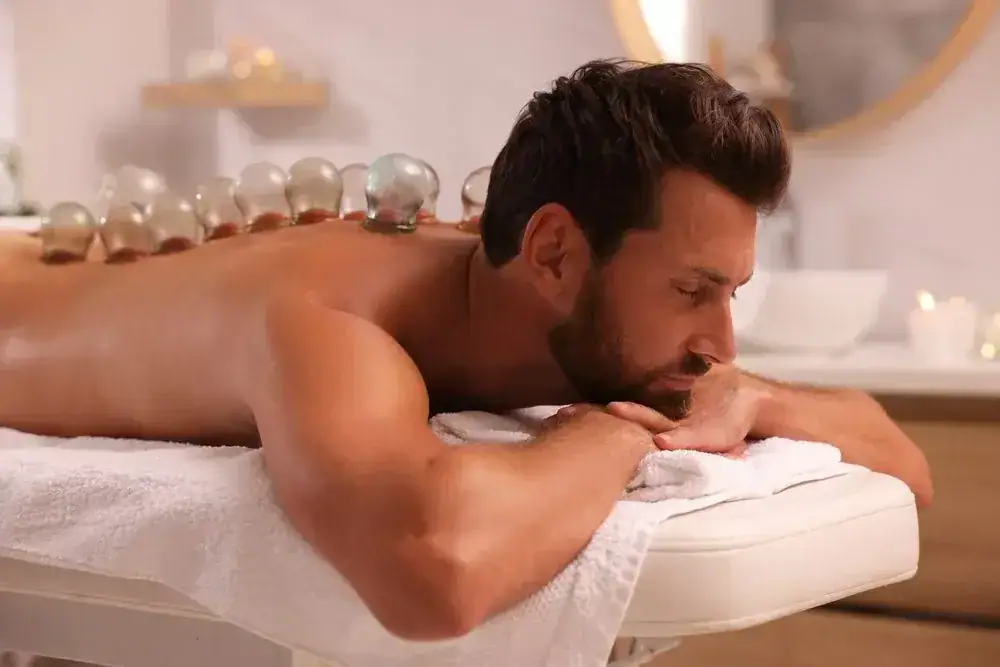
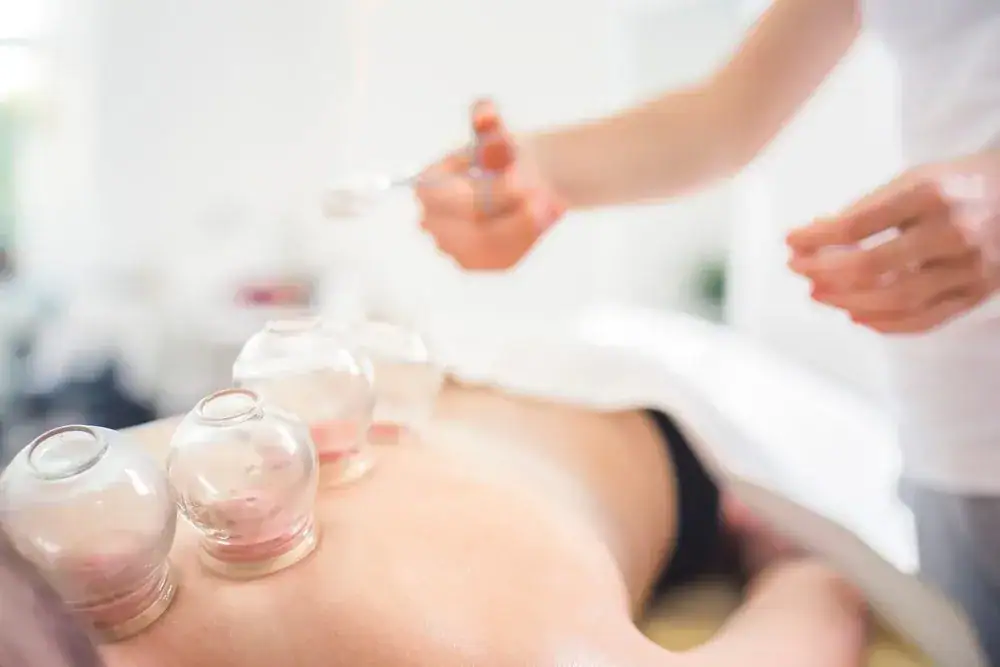
Cupping therapy works by creating suction that lifts tissue away from underlying muscle. That mechanical lift does something traditional massage can’t—it separates fascial layers that have gotten stuck together, increases blood flow to areas that have been starved of circulation, and signals your nervous system to finally let go of chronic holding patterns.
Most people notice the difference within the first session. Not just temporary relief that fades by tomorrow, but actual improvement in how far you can move, how deep you can breathe, and how much less you’re bracing against pain throughout your day.
The circular marks fade within a few days. The freedom in your movement can last weeks, especially when cupping becomes part of a broader physical therapy plan that addresses why the tension built up in the first place.
We’ve been providing home-based physical therapy across Long Island since 2010. We’re not a wellness spa offering cupping as an add-on—we’re licensed physical therapists who use myofascial decompression as part of evidence-based treatment plans.
North Bellmore has one of Nassau County’s highest concentrations of older adults who are still active, still working, still dealing with the accumulated wear of decades of movement. You shouldn’t have to drive to Merrick or Wantagh when you’re already in pain. We bring the same clinical expertise you’d get in a facility directly to your home, where you’re more comfortable and we have more time to actually work through what’s bothering you.
Every therapist on our team is credentialed, insured, and trained in multiple modalities. We accept Medicare and most commercial insurance, and we handle the verification and paperwork so you don’t have to figure it out yourself.
We start with an assessment—not just of where it hurts, but how you move, what makes it worse, and what you’re trying to get back to doing. Cupping isn’t a standalone treatment. It’s most effective when it’s part of a plan that includes movement, strengthening, and addressing the root cause.
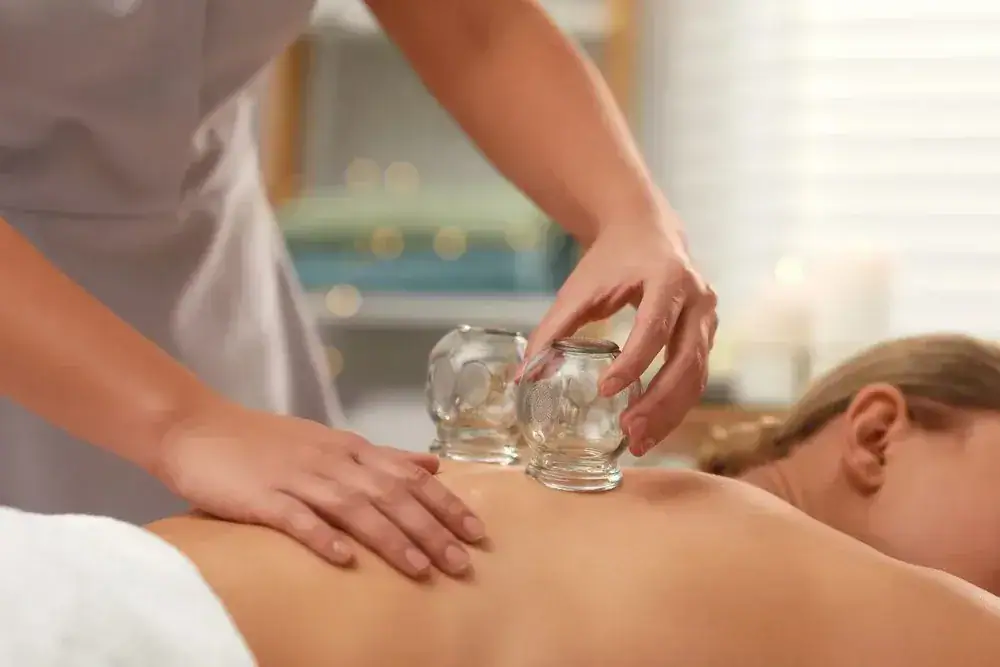
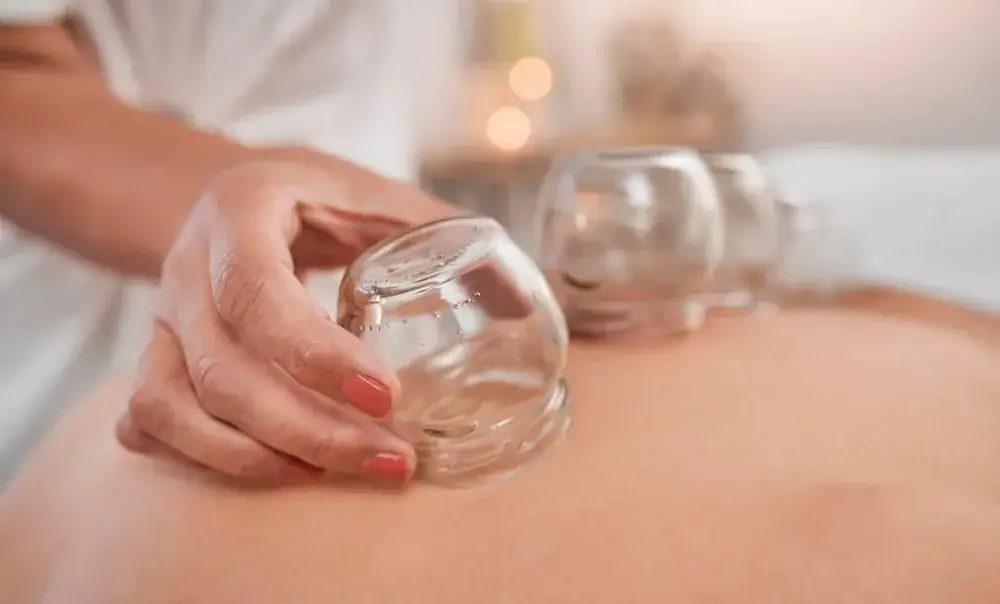
During the session, we place specialized cups on targeted areas. Some stay stationary, creating sustained decompression over trigger points or areas of chronic tension. Others we move across the tissue in what’s called dynamic cupping, which helps break up adhesions and improve mobility along entire muscle chains.
You’ll feel pulling and pressure, but it shouldn’t hurt. Most people describe it as intense but relieving—the kind of sensation that makes you realize how much tension you’ve been holding. Sessions typically run 30 to 45 minutes, and we’ll often combine cupping with manual therapy, stretching, or corrective exercises depending on what your body needs that day.
The marks you see afterward aren’t bruises—they’re the result of increased blood flow to areas that needed it. They fade within three to seven days, and most people feel noticeably looser within hours of the first treatment.
Ready to get started?
Cupping works especially well for chronic conditions that haven’t responded to other treatments. Lower back pain that’s been lingering for months. Neck and shoulder tension from years of desk work or long commutes down Sunrise Highway. Knee pain that limits how far you can walk or how easily you can get up from a chair.
Athletes and fitness enthusiasts use it for recovery—it significantly improves range of motion and reduces soreness after intense training. But you don’t have to be training for anything to benefit. If you’re dealing with the everyday wear of an active life in North Bellmore, cupping can help you move better and hurt less.
We also see strong results with post-surgical recovery, especially when scar tissue is limiting mobility, and with conditions like plantar fasciitis, rotator cuff issues, and IT band syndrome. Basically, if you’ve got soft tissue that’s tight, restricted, or painful, cupping is worth trying.
Because we come to your home, you don’t have to worry about driving after treatment when you’re relaxed and loose. You can go straight from the session to your couch, your bed, or whatever helps you recover best. That’s not a small thing when you’re already dealing with pain or limited mobility.
Yes, and the research backs it up. Multiple systematic reviews show moderate-quality evidence that cupping reduces chronic lower back pain and improves function—not just immediately after treatment, but in follow-ups weeks later.
Here’s why it works: chronic back pain often involves layers of muscle that have been tight for so long they’ve essentially forgotten how to relax. Cupping creates mechanical lift that separates those layers, increases circulation to oxygen-starved tissue, and interrupts the pain-tension cycle your nervous system has been stuck in.
Most people notice less pain and easier movement within the first two sessions. But cupping works best when it’s combined with exercises that restabilize your back and address whatever caused the problem initially—whether that’s weak glutes, poor posture, or compensation patterns from an old injury. We build that into your treatment plan from the start.
A spa treatment focuses on relaxation. Physical therapy cupping focuses on fixing mechanical problems in how your body moves.
We’re trained to assess movement patterns, identify which specific muscles or fascial restrictions are causing your symptoms, and place cups with clinical precision. We use cupping alongside joint mobilization, therapeutic exercise, and neuromuscular re-education—not as a standalone service, but as one tool in a comprehensive treatment plan.
We also adjust pressure, cup placement, and technique based on your tissue quality, pain tolerance, and treatment goals. If you’re recovering from a rotator cuff injury, we’re treating differently than if you’re dealing with IT band syndrome. And because we’re licensed physical therapists, insurance often covers the treatment when it’s part of your therapy plan. That’s rarely the case at a spa.
Yes, cupping typically leaves circular marks that can range from light pink to deep purple depending on how much stagnation or restriction was in that area. They’re not bruises—bruising involves tissue damage, while cupping marks are the result of increased blood flow and metabolic waste being drawn to the surface.
Most marks fade within three to seven days. Areas with more chronic tension or poor circulation tend to mark darker and take a bit longer to clear. Some people barely mark at all.
If you have an event coming up where the marks would bother you—a wedding, beach day, anything where you’re showing your back or shoulders—just let us know. We can adjust our approach, use lighter pressure, or focus treatment on areas that won’t be visible. The marks don’t affect the treatment’s effectiveness, but we understand they’re not always convenient.
Most people feel noticeably different after the first session—less tight, better range of motion, reduced pain. But one session won’t fix a problem that’s been building for months or years.
For acute issues like post-workout soreness or a recent flare-up of tension, two to four sessions often get you back to baseline. For chronic conditions like ongoing lower back pain, neck stiffness, or restricted shoulder mobility, you’re typically looking at six to eight sessions over several weeks, combined with exercises you do between appointments.
We’ll give you a realistic timeline after your initial assessment. Some people continue with maintenance sessions every few weeks once their primary issue is resolved, especially if they’re active or have physically demanding jobs. Others complete a treatment course and they’re done. It depends entirely on what your body needs and what you’re trying to accomplish.
Cupping is very safe when performed by trained professionals. The most common “side effect” is the temporary marks, which aren’t harmful—just visible.
Some people feel lightheaded immediately after treatment, especially during their first session, because of the sudden increase in circulation and the relaxation response. We have you rest for a few minutes before you get up, and because we’re already in your home, you don’t have to worry about driving anywhere.
You might feel sore the next day, similar to how you’d feel after a deep tissue massage or a tough workout. That’s normal and usually resolves within 24 hours. Drinking extra water after treatment helps flush out metabolic waste and reduces next-day soreness.
Cupping isn’t appropriate if you’re on blood thinners, have certain skin conditions, or are pregnant—but we screen for all of that during your initial evaluation. If cupping isn’t right for you, we have plenty of other techniques that can achieve similar results.
If cupping is part of a physical therapy treatment plan, it’s typically covered the same way your PT visits are covered. We accept Medicare and nearly all commercial insurance plans, and we handle the verification and billing directly.
Insurance doesn’t usually cover cupping when it’s provided as a standalone wellness service at a spa or alternative medicine clinic. But when a licensed physical therapist uses myofascial decompression (the clinical term for cupping) as part of treating a diagnosed condition—back pain, shoulder impingement, knee osteoarthritis—it falls under your physical therapy benefits.
We’ll verify your coverage before your first appointment and let you know what your copay or out-of-pocket cost will be. No surprises, no confusing bills weeks later. And because we come to your home, you’re not paying for transportation or taking time off work to sit in a waiting room. You’re getting the same clinical treatment you’d receive in a facility, just more conveniently.
Other Services we provide in North Bellmore