
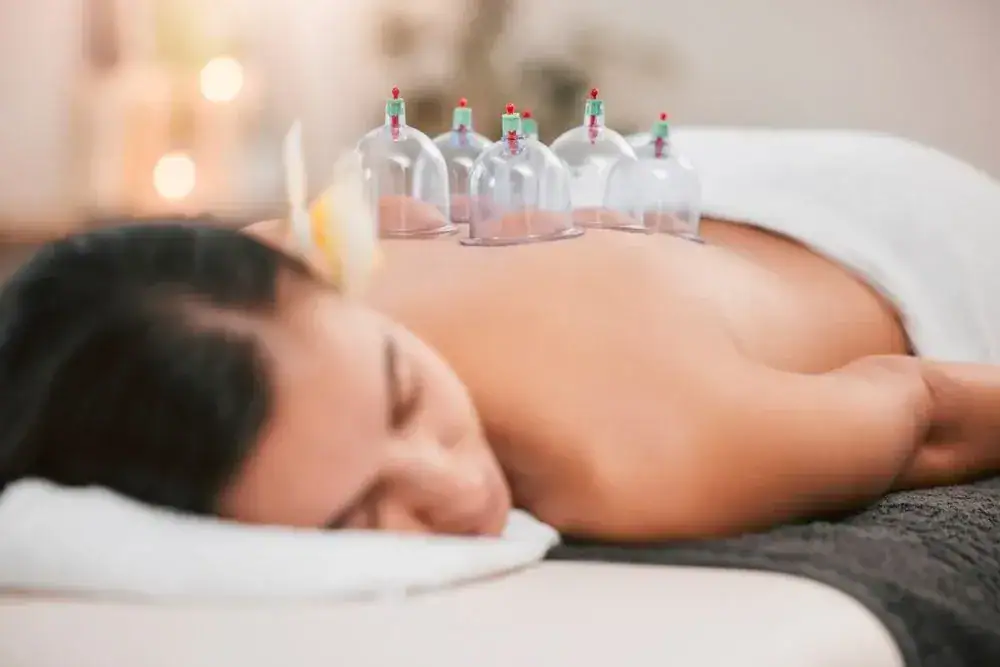

You’ve tried the usual approaches. Maybe you’ve been managing back pain for months, or your neck and shoulders are so tight that turning your head hurts. You’re tired of taking pills that only mask the problem, and you’re not interested in surgery if there’s another option.
Cupping therapy works by increasing blood flow to the areas that need it most. When circulation improves, your muscles get more oxygen, inflammation drops, and your body can actually start healing instead of just coping. You’ll notice less stiffness when you wake up, better range of motion during the day, and fewer moments where pain stops you mid-movement.
This isn’t about temporary relief that fades by dinner. Dry cupping addresses muscle tension at the source, releasing tight fascia and trigger points that keep you locked in a cycle of discomfort. Most people feel a difference after their first session, and with consistent treatment, you can get back to activities you’ve been avoiding.
We’ve been serving Long Island communities since 2010, including Napeague and the surrounding East Hampton area. Our physical therapists are licensed healthcare professionals trained in cupping therapy techniques, not weekend workshop attendees trying to add a trendy service.
We accept Medicare and most commercial insurance plans, which means cupping therapy isn’t just for people paying out of pocket. You get the same thorough evaluation and personalized treatment plan whether you’re dealing with chronic lower back pain, recovering from an injury, or managing arthritis that’s limiting your mobility.
The Hamptons area attracts people who value quality healthcare and aren’t interested in cookie-cutter treatment. We get that. Every session is built around what your body needs, not what fits into a 15-minute appointment slot.
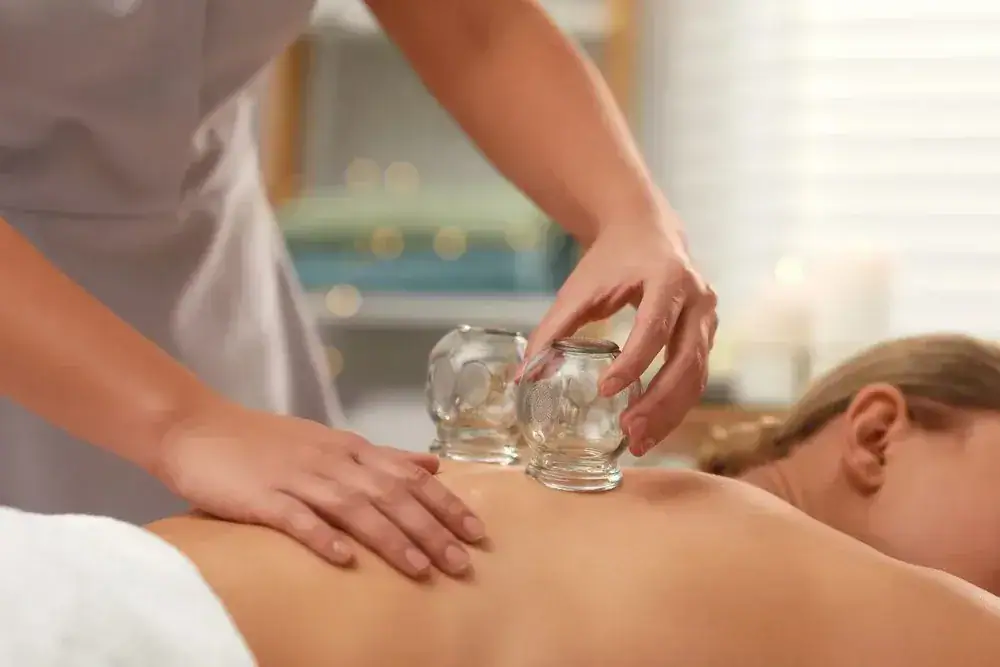
Your first visit starts with an evaluation. We need to understand where your pain is coming from, what makes it worse, and what you’ve already tried. This isn’t a quick questionnaire—it’s a real conversation about your body and your goals.
Once we know what we’re dealing with, your therapist will place cups on specific areas where muscle tension, poor circulation, or inflammation are causing problems. The cups create suction that pulls blood to the surface, which increases oxygen delivery and helps break up adhesions in the fascia. You’ll feel a pulling sensation, but it shouldn’t hurt. Most people find it surprisingly relaxing.
Sessions typically last 30 to 45 minutes, depending on how many areas we’re treating. You might see circular marks on your skin afterward—that’s normal and fades within a few days. Some people feel immediate relief, while others notice gradual improvement over the next 24 to 48 hours as circulation continues to improve.
Cupping works well on its own, but it’s even more effective when combined with other physical therapy techniques. If you’re already working on strengthening exercises or manual therapy, adding cupping can speed up your progress and help you maintain the gains you’ve made.
Ready to get started?
Cupping therapy is particularly effective for chronic back pain, neck pain, and shoulder tension—the kind of discomfort that shows up after years of sitting at a desk, physical labor, or old injuries that never fully healed. If you’re dealing with muscle tightness that limits your range of motion, cupping helps release those restrictions so you can move more freely.
People with knee pain from osteoarthritis often see improvement because cupping reduces inflammation around the joint and improves circulation to surrounding muscles. Headaches caused by tension in the neck and upper back also respond well, especially when combined with other manual therapy techniques.
In Napeague and the broader East Hampton area, we see a lot of active adults who want to stay mobile without relying on medication. Whether you’re dealing with pain from gardening, tennis, golf, or just the wear and tear of daily life, cupping offers a low-risk option that works with your body’s natural healing processes. You’re not covering up the problem—you’re giving your muscles and fascia the support they need to recover.
This isn’t a one-size-fits-all treatment. Your therapist will adjust the technique based on what your body needs, whether that’s focusing on a specific injury site or addressing broader patterns of tension that are affecting multiple areas.
Yes, and there’s research backing it up. Studies show that cupping therapy can reduce pain intensity and improve function in people with chronic lower back pain, neck pain, and knee osteoarthritis. The mechanism is straightforward: cupping increases blood flow to targeted areas, which delivers more oxygen and nutrients while helping clear out metabolic waste that contributes to inflammation.
You’ll find cupping therapy used by professional athletes and physical therapy clinics because it produces measurable results. That said, it’s not magic. If you’re expecting one session to undo years of chronic pain, you’ll be disappointed. Most people need multiple sessions to see lasting improvement, especially if the underlying issue involves poor posture, repetitive strain, or degenerative conditions.
The advantage of working with licensed physical therapists is that cupping becomes part of a broader treatment plan. We’re not just placing cups and calling it a day—we’re addressing the root cause of your pain and using cupping as one tool among several to help you recover.
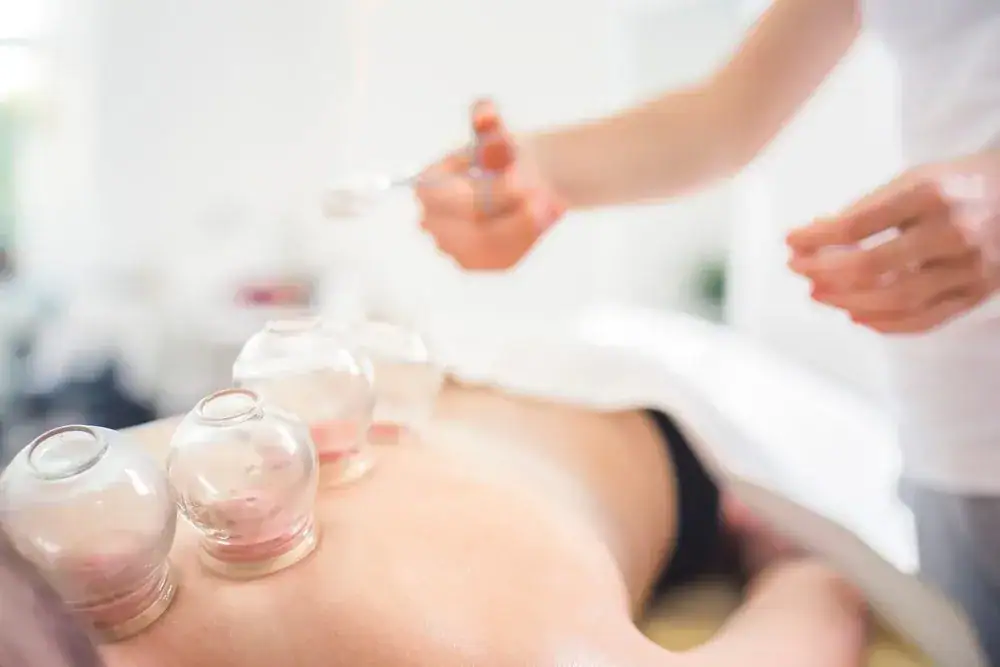
Dry cupping uses suction alone to pull tissue upward into the cup, which increases blood flow and releases muscle tension. There’s no cutting, no blood removal, and no needles involved. It’s the most common form of cupping used in physical therapy settings because it’s low-risk and effective for musculoskeletal pain.
Wet cupping, by contrast, involves making small incisions in the skin before applying the cups, which draws out a small amount of blood. This technique is more common in traditional Chinese medicine practices and isn’t typically performed by physical therapists. Fire cupping uses a flame to create suction, while modern dry cupping often uses a pump for more controlled pressure.
We use dry cupping because it integrates well with other physical therapy techniques and doesn’t require the additional precautions that come with breaking the skin. You get the circulatory benefits and muscle relaxation without added complexity or recovery time.
You’ll likely see circular marks where the cups were placed, but they’re not technically bruises. Bruises happen when blood vessels break due to trauma. Cupping marks are caused by blood being pulled to the surface, which is part of the therapeutic effect. The marks are usually dark red or purple and fade within three to seven days.
Some people have more visible marks than others depending on skin sensitivity, how much suction was used, and how much stagnation or tension was in the tissue. If you bruise easily or are concerned about visible marks, let your therapist know before the session. We can adjust the pressure to minimize discoloration while still getting therapeutic benefit.
The marks don’t hurt. Most people forget they’re there until they catch a glimpse in the mirror. If you have an event coming up where you’ll be wearing something that exposes your back or shoulders, just schedule your cupping session with enough time for the marks to fade.
That depends on what we’re treating and how long you’ve been dealing with the problem. Acute muscle tension from a recent strain might improve significantly after two to three sessions. Chronic pain that’s been building for years usually requires a longer treatment plan—often six to eight sessions or more to see substantial, lasting change.
Your therapist will give you a realistic timeline after your initial evaluation. We’re not going to string you along with vague promises of “just a few more sessions.” You’ll know upfront what to expect, and we’ll reassess your progress regularly to make sure the treatment is actually working.
Some people continue with occasional maintenance sessions after their pain improves, especially if their daily activities put repetitive stress on the same areas. Others complete a treatment plan and don’t need cupping again unless a new issue comes up. We’ll work with what makes sense for your situation and your goals.
In many cases, yes. When cupping therapy is performed by a licensed physical therapist as part of a physical therapy treatment plan, it’s often covered under your PT benefits. That means if you have a prescription for physical therapy and your insurance covers PT services, cupping can be included in your sessions.
We accept Medicare and most commercial insurance plans, so you’re not paying out of pocket unless you choose to. Coverage details vary by plan, so we recommend calling your insurance provider to confirm your specific benefits before your first appointment. Our staff can also help verify coverage and answer questions about copays or deductibles.
The key difference is that cupping performed in a spa or wellness center typically isn’t covered because it’s not being delivered as part of a medical treatment plan. When you receive cupping therapy from a physical therapist addressing a diagnosed condition, it’s considered a legitimate therapeutic intervention, not an elective wellness service.
Cupping is primarily used for musculoskeletal pain and muscle tension, but research suggests it may help with other conditions where circulation and relaxation play a role. Some studies show benefits for hypertension, stress-related tension, and even certain inflammatory conditions like rheumatoid arthritis, though the evidence is stronger for pain management.
If you’re dealing with headaches caused by muscle tension, cupping can help by releasing tightness in the neck and shoulders that contributes to the pain. People with limited range of motion due to stiffness or scar tissue also see improvement because cupping helps break up adhesions and improve tissue mobility.
That said, cupping isn’t a cure-all. If you have a systemic condition like diabetes or heart disease, cupping might offer some supportive benefit, but it’s not replacing your primary treatment. We’re upfront about what cupping can and can’t do. Our goal is to help you move better and feel better within the scope of what physical therapy can realistically address.
Other Services we provide in Napeague