
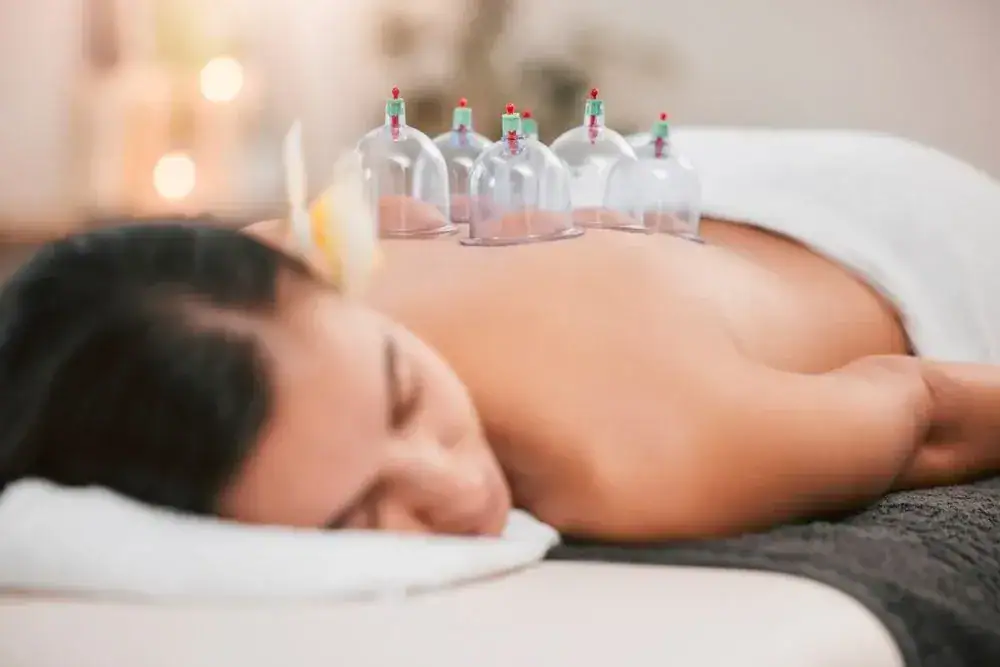

You’ve probably tried everything. Massage helped for a day or two. Medications took the edge off but never solved it. Maybe you’ve even considered surgery. The pain in your lower back, shoulders, or neck keeps showing up—especially after long days at your desk or that brutal commute.
Cupping therapy works differently. It pulls blood flow to the exact areas that need it, releases the fascia that’s been locked up, and gives your muscles room to actually relax. You’re not masking symptoms. You’re addressing what’s causing the tightness and inflammation in the first place.
Most people notice less stiffness after the first session. Better range of motion. Less reliance on ibuprofen. The kind of relief that actually sticks around because your body is healing, not just coping.
We bring cupping therapy into a clinical physical therapy setting—which means you’re getting treatment from licensed professionals who understand musculoskeletal pain, not just relaxation techniques. We’ve been serving Munsey Park and the surrounding Long Island communities with the kind of care that treats you like family, not a number.
This matters because cupping isn’t just about suction cups on your back. It’s about knowing where to place them, how long to leave them, and how to integrate that treatment with the rest of your recovery plan. Our team evaluates your specific pain points, your movement patterns, and your goals before we ever start a session.
You’re dealing with real pain that’s affecting your work, your sleep, and your quality of life. We’re here to give you real solutions that fit into a comprehensive plan—not quick fixes that fade by next week.
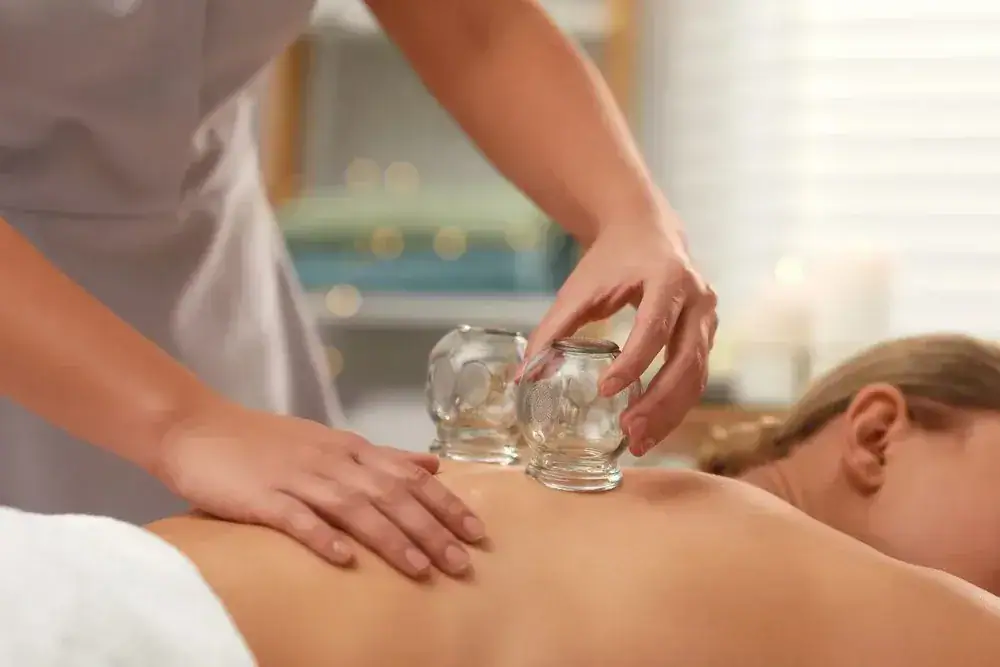
First, we talk. You’ll sit down with one of our licensed physical therapists who’ll ask about your pain—where it shows up, what makes it worse, what you’ve already tried. This isn’t a cookie-cutter approach. We need to understand what’s actually going on before we start treatment.
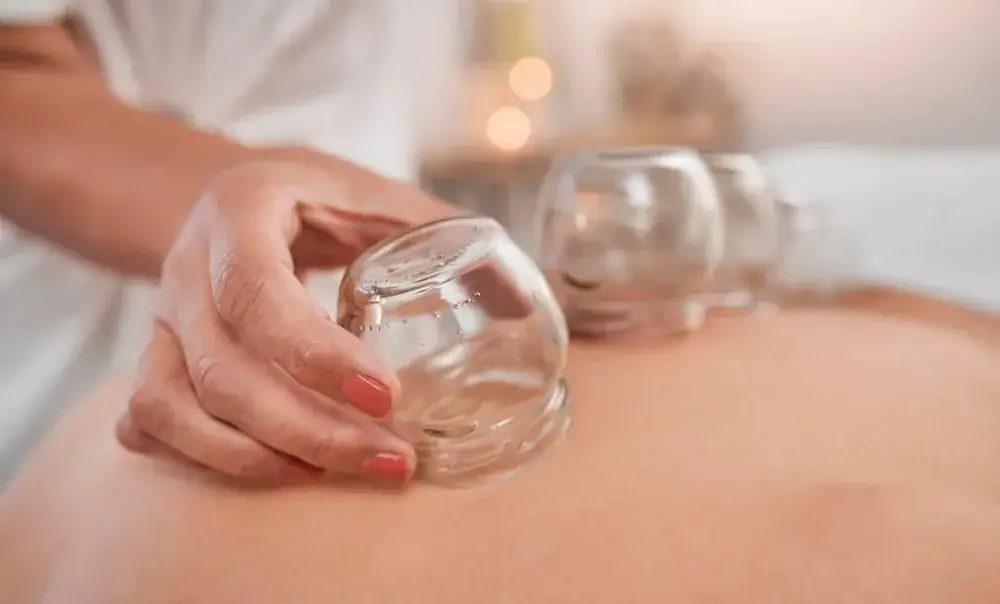
Then we assess your movement and identify the areas that need attention. Cupping works by creating suction on your skin, which pulls blood flow to the area, lifts the fascia away from the muscle, and helps break up adhesions or scar tissue that’s limiting your mobility. We use either dry cupping (stationary cups) or movement-based cupping depending on what your body needs.
The session itself usually lasts 15 to 30 minutes as part of your overall physical therapy treatment. You might see some circular marks afterward—that’s normal and they fade within a few days. Most people feel immediate relief in terms of reduced tightness and better movement. We’ll often combine cupping with other physical therapy techniques to give you longer-lasting results and actually address the root cause, not just the symptoms.
Ready to get started?
Cupping therapy at our clinic isn’t a standalone treatment. It’s part of a bigger plan that might include manual therapy, corrective exercises, and education on how to prevent the pain from coming back. That’s the difference between a spa treatment and clinical care.
Here’s what matters for Munsey Park residents: nearly 38% of people in this area work from home. That means hours at a desk, poor ergonomic setups, and chronic tension in the neck, shoulders, and upper back. Add in a 40-minute commute for those who do go into the office, and you’ve got a recipe for persistent musculoskeletal pain. Cupping helps release that built-up tension and improves circulation to areas that have been tight for months or even years.
We’re also seeing more people who want to avoid long-term medication use. Cupping stimulates your body’s natural endorphin release, which means pain relief without the side effects or dependency. It’s a low-risk option with clinical evidence backing its effectiveness for chronic lower back pain, neck pain, and knee osteoarthritis. You’re not guessing. You’re choosing a treatment that’s been studied, refined, and integrated into modern physical therapy for a reason.
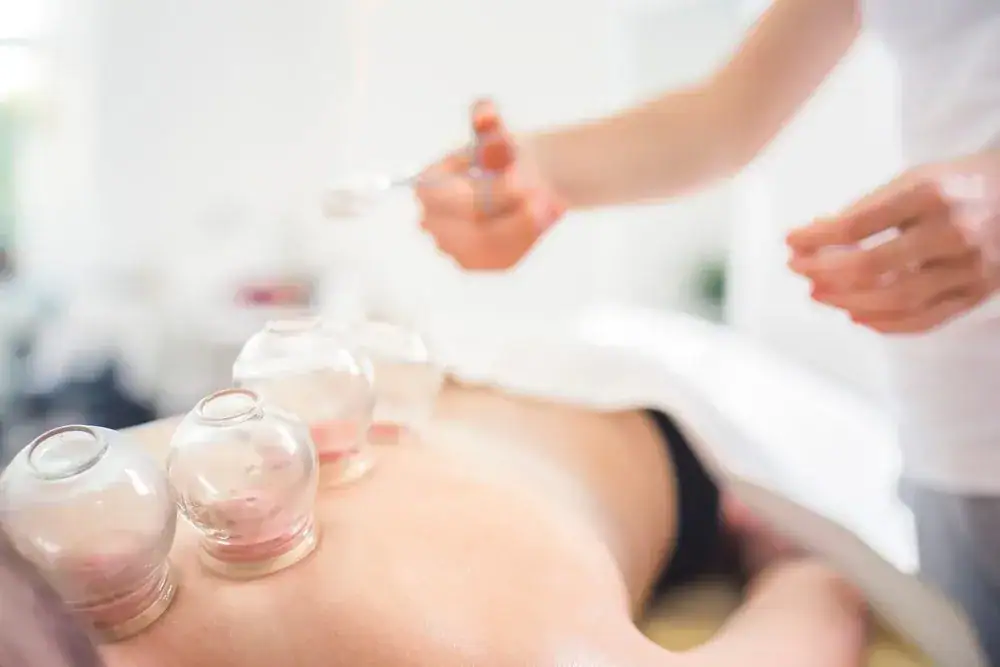
Yes, and there’s clinical evidence to back it up. Multiple studies show that cupping therapy significantly reduces chronic lower back pain, especially when combined with physical therapy. It’s not a miracle cure, but it’s also not pseudoscience.
Here’s what happens: cupping increases blood flow to the affected area, which brings oxygen and nutrients while flushing out inflammatory byproducts. It also mechanically lifts the fascia away from the muscle tissue, which reduces tension and improves mobility. For people dealing with persistent back pain from sitting all day or repetitive strain, that fascial release makes a noticeable difference.
Most patients feel less stiffness and better range of motion after their first session. The key is consistency and integration with other treatments. Cupping works best when it’s part of a broader physical therapy plan that addresses your movement patterns, strengthens weak areas, and prevents the pain from coming back.
Training, intent, and integration. At a spa, cupping is usually about relaxation. At a physical therapy clinic like ours, it’s about rehabilitation and pain management. Our therapists are licensed healthcare providers who understand anatomy, biomechanics, and how to treat musculoskeletal conditions.
We don’t just put cups on your back and call it a day. We evaluate your specific pain points, assess your movement, and determine exactly where cupping will be most effective. Then we integrate it with manual therapy, corrective exercises, and other evidence-based treatments to give you lasting results.
The other difference is safety and precision. Cupping is generally safe, but improper technique can cause bruising, burns, or skin irritation. Our team knows how to adjust suction levels, placement, and duration based on your tissue quality and pain tolerance. You’re getting clinical-grade treatment, not a one-size-fits-all wellness service.
Yes, cupping often leaves circular marks that look like bruises, but they’re not actually bruises. They’re caused by the suction pulling blood to the surface of the skin. The marks are usually painless and range from light pink to dark purple depending on how much stagnation or tension was in that area.
Most marks fade within three to seven days. Some people see them disappear in two days, others might have faint marks for up to ten days. It depends on your circulation, skin sensitivity, and how much suction was used. If you have an event coming up where you’ll be showing your back or shoulders, just let us know and we can adjust the treatment or timing.
The marks aren’t harmful and they’re actually a sign that the therapy is working—bringing fresh blood flow to areas that needed it. If you’re concerned about how they look, we can discuss lighter suction or alternative techniques that produce less visible marking while still delivering therapeutic benefits.
Absolutely. Desk work creates a specific pattern of tension—forward head posture, rounded shoulders, tight upper traps, and restricted thoracic mobility. Cupping is particularly effective for this because it targets the exact muscle groups that get overworked when you’re sitting for hours.
We typically use cupping on the upper back, shoulders, and neck to release the fascia, improve blood flow, and reduce muscle tightness. Many patients feel immediate relief in terms of being able to turn their head further or roll their shoulders back without pain. That’s the fascia releasing and the muscles getting the circulation they’ve been starved of.
But here’s the thing: cupping alone won’t fix poor ergonomics. We’ll also work with you on posture correction, strengthening exercises for your mid-back, and strategies to break up long sitting periods. The cupping gives you relief and creates space for movement. The rest of the treatment plan keeps the pain from coming back. That’s how you actually solve the problem instead of just managing symptoms.
Most people notice some improvement after the first session—less tightness, better range of motion, reduced pain levels. But one session isn’t going to undo months or years of chronic tension. Expect a series of treatments over several weeks for lasting results.
A typical treatment plan might include cupping once or twice a week for four to six weeks, integrated with your regular physical therapy sessions. The exact timeline depends on your condition, how long you’ve had the pain, and how your body responds to treatment. Acute issues resolve faster than chronic ones.
We’ll reassess your progress regularly and adjust the plan as needed. Some patients continue with occasional cupping sessions for maintenance after their pain is under control. Others graduate to a home exercise program and only come back if symptoms flare up. The goal isn’t to keep you in treatment forever—it’s to get you functional, pain-free, and equipped with the tools to stay that way.
In most cases, yes—when cupping is performed as part of a physical therapy treatment plan. Insurance companies typically cover it under your physical therapy benefits because it’s considered a manual therapy technique, not an alternative medicine service. That’s very different from paying out-of-pocket at a spa or wellness center.
We’ll verify your coverage before you start treatment and let you know what your copay or out-of-pocket cost will be. Every insurance plan is different, so we can’t give you a blanket answer without looking at your specific benefits. But because we’re a licensed physical therapy clinic and cupping is integrated into your overall care plan, there’s a strong chance it’s covered.
If you have questions about coverage or need help understanding your benefits, our team can walk you through it. We handle insurance verification and billing so you can focus on getting better, not fighting with paperwork. And if you don’t have insurance or your plan doesn’t cover it, we’ll discuss affordable self-pay options so cost doesn’t keep you from getting the relief you need.
Other Services we provide in Munsey Park