
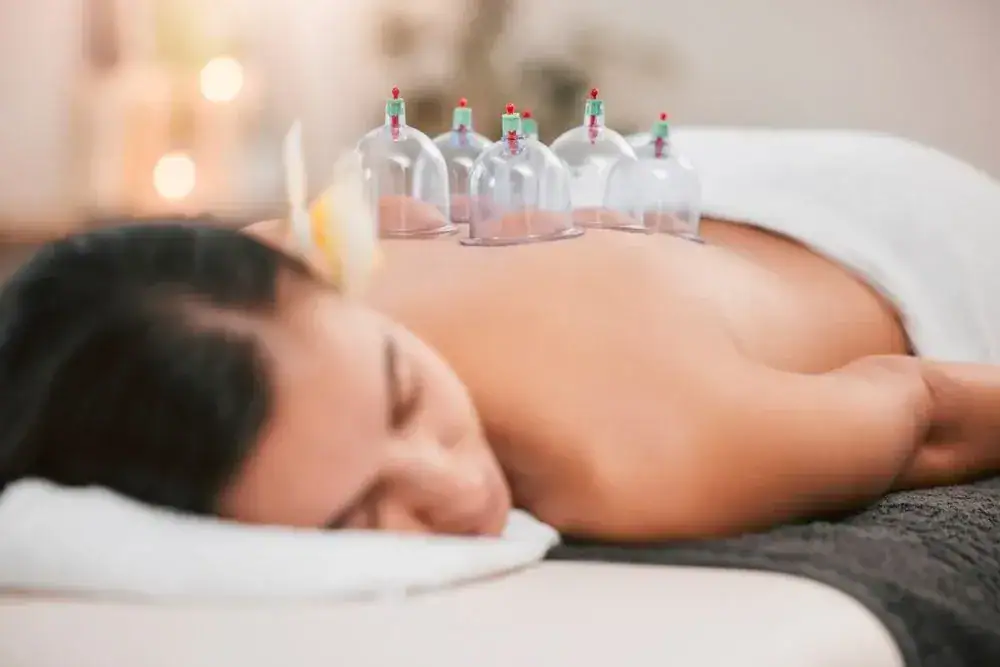

You’ve tried the usual route. Your primary doctor sent you to an orthopedic specialist. They sent you to physical therapy. Maybe you’ve been on medications that don’t really fix anything. And you’re still dealing with the same tight muscles, the same nagging pain in your back or neck or shoulders.
Cupping therapy works differently. It lifts tissue away from the muscle instead of pressing into it, which increases blood flow to areas that have been tight for months or years. That means less pain, better range of motion, and actual improvement you can feel after the first session.
Most people notice their muscles relax during treatment. The tension that’s been sitting in your lower back or between your shoulder blades starts to release. You can turn your head further. You can bend without wincing. And because we’re licensed physical therapists, we’re integrating cupping into a full treatment plan that addresses why you’re hurting in the first place.
We’ve been providing outpatient physical therapy across Long Island since 2010. We work with patients in Montauk, East Hampton, Sag Harbor, and Southampton who need real help with chronic pain and mobility issues.
We accept Medicare and nearly all commercial insurance. Our therapists are licensed, trained in cupping and manual therapy techniques, and we come to you. If getting to an office is hard because of pain or transportation, we bring the treatment to your home.
You’re not getting shuffled through a clinic with 15-minute appointments. You’re getting one-on-one care from someone who knows your name, your history, and what’s actually going on with your body. That’s how we’ve built a reputation in the Montauk area, and it’s how we’ll treat you.
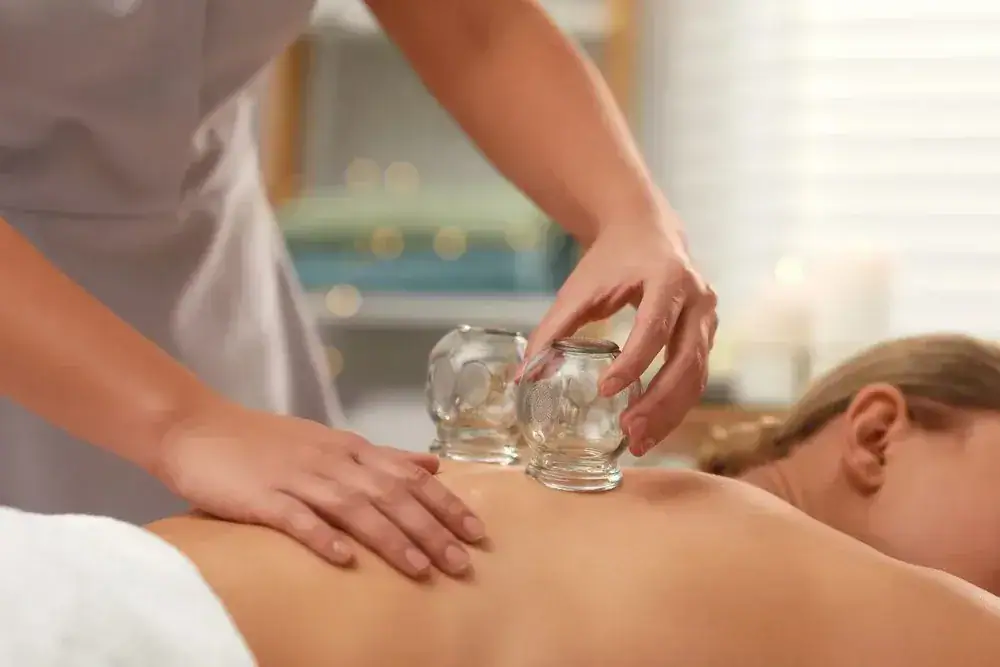
We start with an evaluation. Your therapist will ask about your pain, when it started, what makes it worse, and what you’ve already tried. Then we’ll assess your range of motion and muscle tension to figure out where cupping will help most.
During the session, we place cups on specific areas of tight or painful tissue. The suction lifts your skin and fascia away from the muscle, which increases circulation and releases tension. Some people feel immediate relief. Others notice it more in the hours after treatment when their muscles stay relaxed instead of tightening back up.
Cupping is part of your overall physical therapy plan. We’re also working on strengthening weak areas, improving your movement patterns, and giving you exercises that keep the pain from coming back. The cups are a tool, not the whole solution. But they’re an effective tool, especially for chronic tightness that hasn’t responded to other treatments.
You might see some circular marks on your skin afterward. They’re not bruises, they’re just where blood flow increased under the cups. They fade in a few days and they don’t hurt.
Ready to get started?
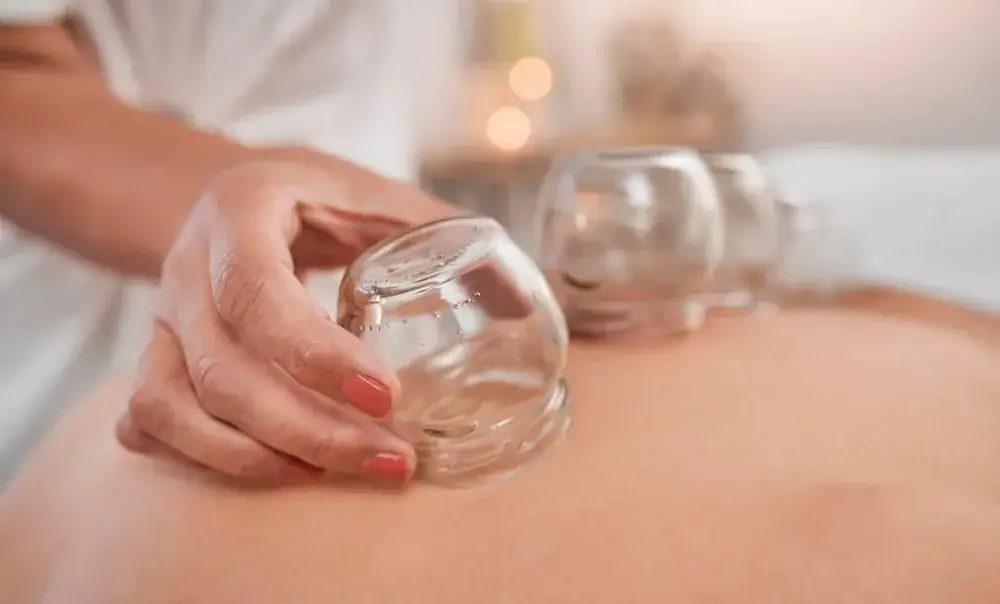
Your cupping therapy session is part of a full physical therapy appointment. That means you’re also getting manual therapy, targeted exercises, and education on how to manage your condition at home. We use dry cupping, which means no incisions, no blood, just suction applied to the skin.
In Montauk and the surrounding East End communities, we see a lot of people dealing with lower back pain from yard work, neck pain from desk jobs or driving, and shoulder tightness from repetitive tasks. Cupping helps with all of that because it targets the fascia, the connective tissue that gets dense and restricted when you’ve been in pain for a long time.
We also work with athletes recovering from sports injuries and older adults managing arthritis or chronic conditions. The treatment is low-risk, non-invasive, and it’s covered by Medicare when performed by a licensed physical therapist as part of your care plan.
Each session is scheduled at a time that works for you, and we come to your home if that’s easier. No waiting rooms. No driving when you’re already in pain. Just consistent, professional care that fits into your life.
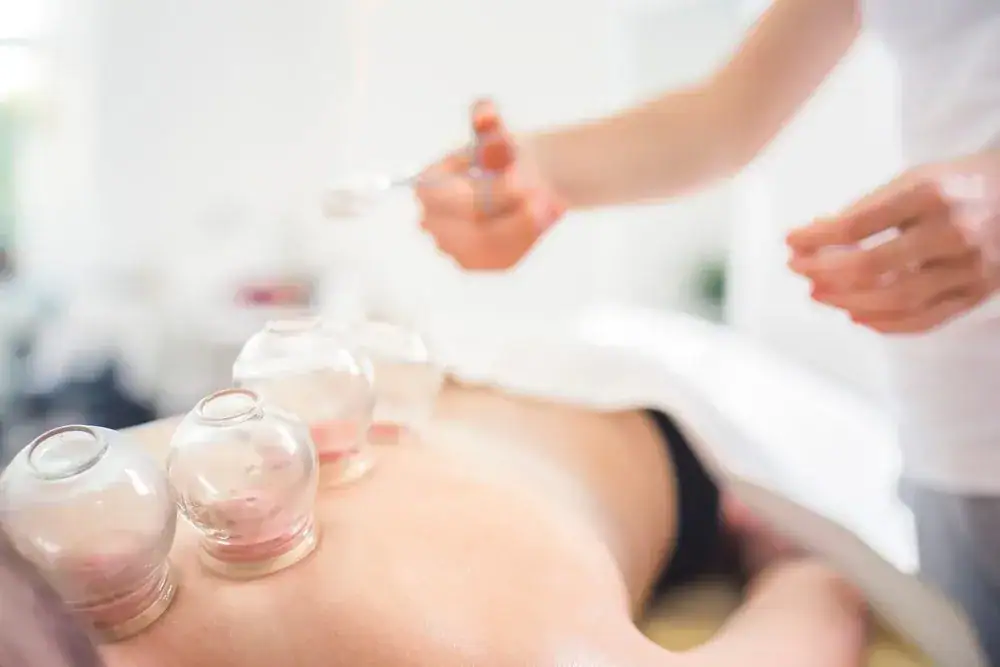
Yes, and there’s research backing it up. Studies show that cupping reduces pain and improves function in people with chronic lower back pain, especially when it’s combined with physical therapy and exercise. The suction from the cups increases blood flow to tight, painful areas and helps release fascial restrictions that keep muscles locked up.
If you’ve had back pain for months or years, your fascia has likely become dense and dehydrated. That makes your muscles stiff and limits how much you can move without discomfort. Cupping mechanically lifts and separates those layers, which improves mobility and reduces the pain signals your body is sending.
You’ll probably feel some relief during or right after your first session. But the real benefit comes from consistent treatment as part of a broader plan that includes strengthening and correcting the movement patterns that caused the problem in the first place.
Yes. When cupping is performed by a licensed physical therapist as part of your outpatient physical therapy treatment, it’s covered under Medicare. We’ve been providing Medicare-covered physical therapy since 2010, and cupping is one of the manual therapy techniques we use.
You’ll need a referral from your doctor, just like you would for any physical therapy. From there, we handle the billing and work directly with Medicare and your supplemental insurance if you have it. We also accept most commercial insurance plans.
The key is that cupping isn’t billed separately as some alternative treatment. It’s integrated into your physical therapy session, which means it’s part of the medically necessary care your doctor has prescribed. That’s different from going to a spa or wellness center where cupping might be out-of-pocket.
Cupping is effective for muscle pain, chronic tightness, headaches, neck pain, lower back pain, knee pain, and shoulder injuries. It’s also used to help with recovery after sports injuries and to manage symptoms of arthritis and other musculoskeletal conditions.
The treatment works best for issues related to soft tissue, fascia, and circulation. If your pain is coming from tight muscles, restricted movement, or areas that feel knotted and tense, cupping can help. It’s not a cure for structural problems like herniated discs or torn ligaments, but it can reduce the muscle guarding and tension that makes those conditions more painful.
We also use cupping for people who’ve been through traditional physical therapy without much improvement. Sometimes the missing piece is addressing the fascia directly, and that’s where cupping makes a difference. Your therapist will evaluate whether it’s right for your specific condition during your first appointment.
Yes, usually. The suction from the cups draws blood to the surface, which can leave circular marks that look like bruises. They’re not painful and they’re not actual bruises. They’re just areas where circulation increased during treatment.
The marks typically fade within three to seven days depending on how much suction was used and how your body responds. Some people get very light marks that disappear in a day or two. Others get darker circles that take a bit longer to fade. Neither is bad, it’s just individual variation.
If you have an event coming up where you don’t want visible marks, let your therapist know. We can adjust the intensity or place the cups in areas that will be covered by clothing. But for most people, the marks aren’t a concern, especially once they understand what’s causing them and that they’re temporary.
Some people feel better after one session. Others need several weeks of consistent treatment to see lasting improvement. It depends on how long you’ve been in pain, what’s causing it, and how your body responds to treatment.
If you’re dealing with acute pain from a recent injury, you might only need a few sessions combined with exercises and activity modification. If you’ve had chronic tightness or pain for years, it’s going to take longer to retrain your tissues and nervous system. We’re not just treating symptoms, we’re addressing the underlying dysfunction.
Your therapist will give you a clearer timeline after your evaluation. Most people come in once or twice a week at first, then taper down as they improve. The goal isn’t to keep you in treatment forever. It’s to get you functional, pain-free, and able to maintain that on your own.
Yes. We provide in-home physical therapy throughout Montauk and the surrounding East End communities. If it’s difficult for you to travel because of pain, mobility issues, or transportation challenges, we bring the treatment to you.
Your therapist will arrive with everything needed for your session, including cupping equipment, manual therapy tools, and any exercises or modalities that are part of your care plan. You’ll get the same quality of care you’d receive in a clinic, just in the comfort of your own home.
In-home therapy is especially helpful for older adults, people recovering from surgery, or anyone managing chronic conditions that make leaving the house harder. It’s also more convenient if you have a busy schedule or limited access to a car. And yes, Medicare covers in-home physical therapy when it’s medically necessary.
Other Services we provide in Montauk