
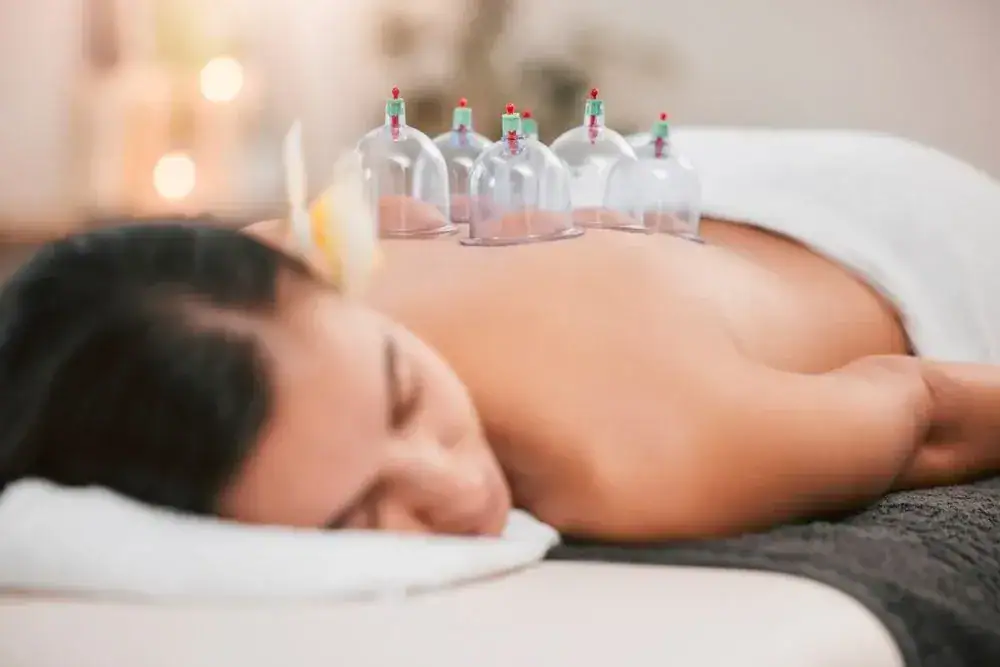

You’re dealing with pain that won’t quit. Back pain that flares up when you bend down. Neck stiffness that makes driving uncomfortable. Shoulder tension that keeps you up at night. You’ve tried over-the-counter meds, heating pads, rest—and the relief is temporary at best.
Cupping therapy works differently. It increases blood flow to the affected area, which helps relax muscles, reduce inflammation, and speed up your body’s natural healing process. The suction created by the cups pulls stagnant blood and fluids away from injured tissue, making room for fresh oxygen and nutrients to do their job.
Most people notice less pain and better range of motion after just a few sessions. You’re not masking symptoms—you’re addressing the root cause. That’s why athletes, post-surgical patients, and people with chronic conditions turn to cupping when traditional treatments fall short.
It’s not a miracle cure. But for muscle tension, joint stiffness, and persistent pain, it’s one of the most effective non-invasive options available. And when it’s administered by a licensed physical therapist who understands anatomy and movement, the results speak for themselves.
We’ve been serving Miller Place and surrounding Suffolk County communities since 2010. We’re a licensed physical therapy practice, not a spa offering trendy treatments. Our therapists integrate cupping into comprehensive care plans designed around your specific condition.
What sets us apart in Miller Place is our home-based service model. If getting to an office is difficult—whether due to pain, mobility issues, or just a packed schedule—we come to you. You get the same professional-grade treatment you’d receive in a clinic, but in the comfort of your own home.
We’ve treated everyone from 92-year-old patients recovering from surgery to active adults dealing with arthritis and sports injuries. Our approach is straightforward: assess your condition, explain what cupping can and can’t do for you, and build a treatment plan that fits your goals. No upselling. No gimmicks. Just honest care from therapists who’ve been doing this for over a decade.
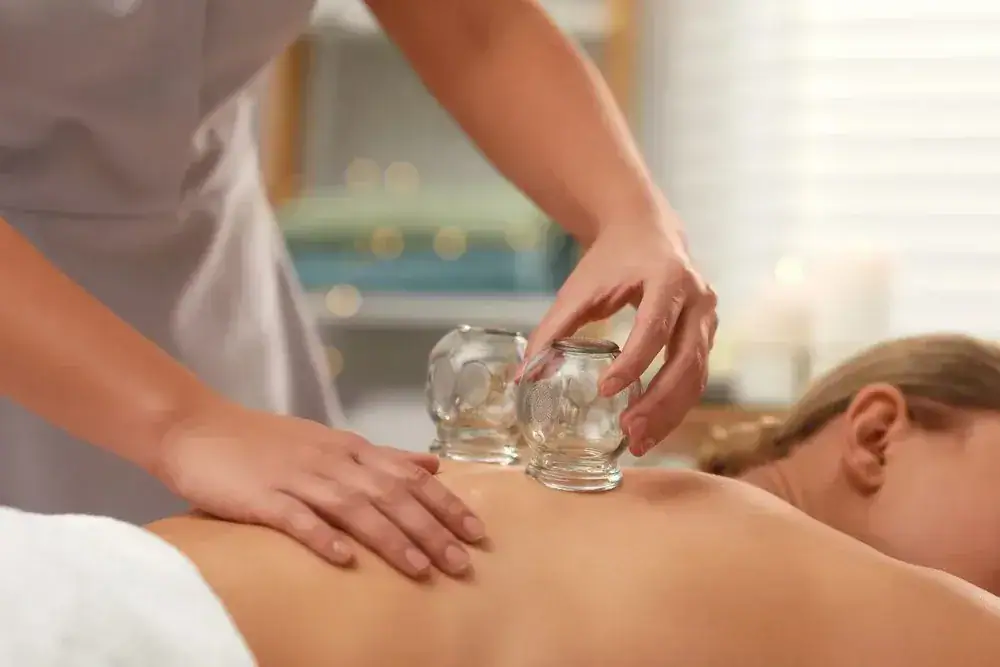
Your first session starts with an evaluation. We assess your pain level, range of motion, and medical history to determine if cupping is appropriate for your condition. Not everyone is a candidate, and we’ll tell you upfront if a different approach makes more sense.
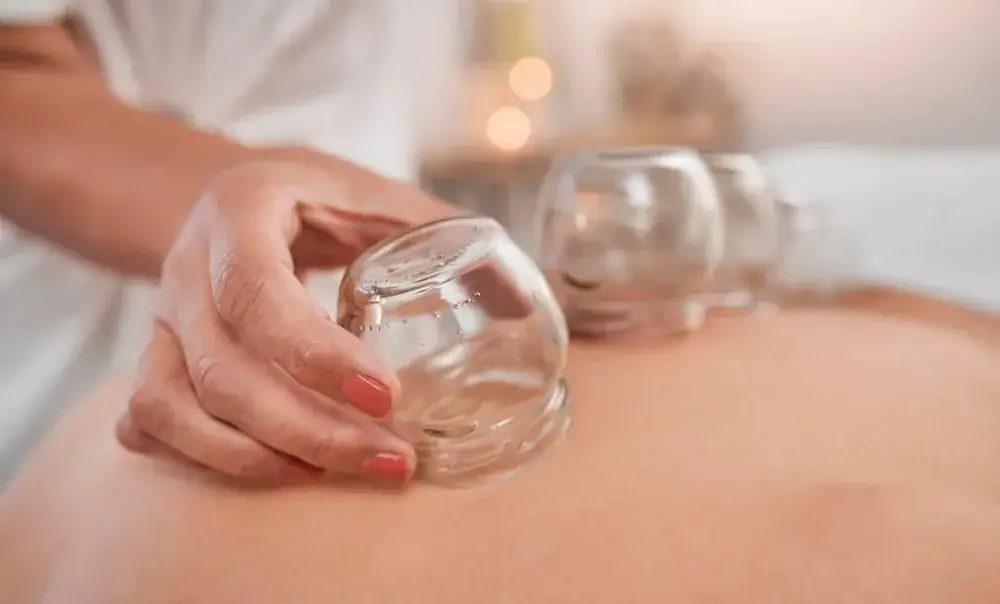
If cupping is a good fit, we apply silicone or glass cups to the affected area using controlled suction. This isn’t the “fire cupping” you might see in videos—we use dry cupping, which is safer and more precise. The cups stay in place for 5 to 15 minutes, depending on the treatment area and your tolerance. You’ll feel a pulling sensation, but it shouldn’t be painful.
After the cups are removed, we often combine cupping with manual therapy, stretching, or strengthening exercises. The goal is to maximize the increased blood flow and improved tissue mobility you just gained. Some people see circular marks where the cups were placed—they’re not bruises, and they fade within a few days.
Most patients need multiple sessions to see lasting results. We’ll map out a realistic timeline based on your condition. Some people feel relief after one session. Others need six to eight. We adjust as we go based on how your body responds.
Ready to get started?
Cupping works well for chronic back pain, neck pain, shoulder pain, and knee pain—conditions that affect a large portion of Miller Place residents, especially those over 50. Suffolk County has a higher-than-average population of older adults dealing with arthritis and post-surgical recovery, which is why we see strong results with cupping for these specific issues.
We also treat muscle tension and stiffness caused by repetitive strain, poor posture, or old injuries that never fully healed. If you’ve been told “it’s just part of getting older” or “you’ll have to live with it,” cupping might give you a different outcome. It’s particularly effective when combined with physical therapy exercises that address the underlying weakness or imbalance causing your pain.
Cupping isn’t right for everyone. If you have certain skin conditions, blood disorders, or are on blood thinners, we’ll recommend a different treatment. We’re upfront about limitations because your safety matters more than booking another appointment. But for the right candidate, cupping can be the difference between managing pain and actually reducing it.
Yes, but with context. Research shows moderate-quality evidence that cupping reduces pain in conditions like chronic back pain, neck pain, knee osteoarthritis, and other musculoskeletal issues. It’s not a placebo—the increased blood flow and tissue decompression have measurable effects on inflammation and muscle tension.
That said, cupping works best as part of a broader treatment plan. If you’re dealing with chronic pain, there’s usually more than one contributing factor—weak muscles, poor movement patterns, inflammation, or scar tissue. Cupping addresses circulation and muscle relaxation, but you’ll get better long-term results when it’s combined with strengthening exercises and manual therapy.
Some people feel immediate relief. Others need several sessions before they notice a difference. It depends on how long you’ve had the pain, what’s causing it, and how your body responds to treatment. We track progress at every session and adjust the plan if you’re not seeing improvement.
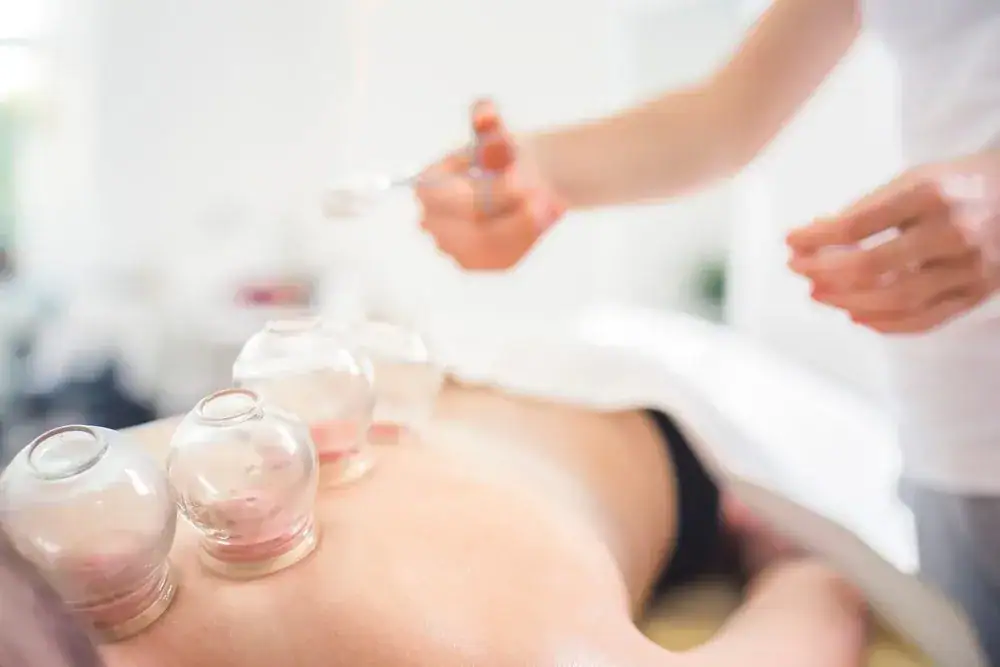
Dry cupping uses suction alone to pull blood and fluids toward the skin’s surface. Wet cupping involves making small incisions in the skin before applying the cups, which draws out a small amount of blood. In the U.S., dry cupping is far more common in physical therapy settings because it’s safer, less invasive, and doesn’t carry the same risk of infection or exposure to bodily fluids.
We only offer dry cupping. It’s effective for pain relief, muscle relaxation, and improving range of motion without the added risks that come with breaking the skin. Most patients prefer it because there’s no bleeding, no scarring, and minimal downtime.
Dry cupping still leaves circular marks where the cups were placed, but those aren’t bruises—they’re caused by increased blood flow to the area. The marks typically fade within three to seven days and aren’t painful. If you have an event coming up and don’t want visible marks, let us know and we can adjust placement or timing.
A typical session lasts 30 to 45 minutes. That includes the initial assessment (if it’s your first visit), cup placement, treatment time, and any follow-up stretching or exercises we incorporate. The cups themselves usually stay on for 5 to 15 minutes, depending on the area being treated and your tolerance.
If we’re combining cupping with other physical therapy techniques—like manual therapy, joint mobilization, or therapeutic exercises—the session might run closer to an hour. We don’t rush through appointments. You’re not on a conveyor belt. We take the time needed to do the treatment right.
For home visits in Miller Place, we build in travel time so you’re not waiting around. We show up on schedule, set up quickly, and work efficiently. Most people appreciate that they can get professional treatment without the hassle of driving to an office, finding parking, and sitting in a waiting room.
It depends on your plan. Because we’re a licensed physical therapy practice, cupping is often covered when it’s part of a prescribed physical therapy treatment plan. If your doctor refers you for physical therapy and we determine that cupping is medically appropriate for your condition, there’s a good chance your insurance will cover it under your PT benefits.
That’s different from going to a spa or wellness center, where cupping is usually considered an out-of-pocket service. When it’s administered by a physical therapist as part of a treatment plan for a diagnosed condition, insurance companies are more likely to reimburse it.
We recommend calling your insurance provider before your first session to confirm your physical therapy coverage and any copay or deductible requirements. We can provide the necessary documentation and codes to help you get reimbursed. If you’re paying out of pocket, we’ll give you a clear cost estimate upfront—no surprises.
Cupping is low-risk when performed by a trained professional, but there are a few things to expect. The most common side effect is temporary circular marks on your skin where the cups were placed. These aren’t bruises—they’re caused by increased blood flow—and they fade within a few days to a week. Some people also feel mild soreness in the treated area, similar to how you might feel after a deep tissue massage.
Serious side effects are rare but can include skin irritation, burns (if heat is used improperly, which we don’t do), or dizziness during treatment. We monitor you throughout the session and adjust suction levels based on your comfort. If you have sensitive skin, a bleeding disorder, or are on blood thinners, we’ll either modify the treatment or recommend an alternative.
Cupping isn’t appropriate for everyone. We don’t use it on open wounds, active infections, or areas with severe inflammation. During your evaluation, we’ll go over your medical history and let you know if cupping is safe for your specific situation. Your safety comes first—always.
It varies based on your condition, how long you’ve had it, and how your body responds. Some people feel significant relief after one or two sessions. Others need six to eight sessions to see lasting improvement. Chronic conditions that have been building for months or years typically require more treatment than acute injuries.
We’ll give you a realistic estimate after your initial evaluation. If you’re dealing with muscle tension from a recent strain, you might only need a handful of sessions. If you’re managing arthritis pain or recovering from surgery, we’ll likely recommend a longer treatment plan with cupping integrated into your overall physical therapy program.
We track your progress at every visit. If you’re not seeing improvement after three or four sessions, we reassess and adjust the approach. Sometimes that means changing the treatment area, increasing session frequency, or adding other therapies. The goal is always to get you better—not to keep you coming back indefinitely. We’re honest about what’s working and what’s not.
Other Services we provide in Miller Place