


You know that constant ache in your neck or lower back that won’t quit? The stiffness that makes getting out of bed feel like a negotiation? Cupping therapy addresses that by pulling fresh blood into the area, loosening fascial restrictions, and giving your muscles permission to relax.
Most people feel a difference right away. Not a temporary numbing—actual relief. The suction draws stagnant fluid to the surface, which helps reduce inflammation and gets your lymphatic system moving again.
If you’re an athlete or just someone who stays active, cupping speeds up recovery between workouts. It breaks up adhesions, improves flexibility, and reduces that deep soreness that lingers for days. You’re not masking the problem. You’re addressing what’s causing it.
This isn’t about chasing trends. It’s about using a method that’s been around for centuries and now has research backing it up. Studies show cupping reduces pain in conditions like chronic neck pain, low back pain, and fibromyalgia. People dealing with iliotibial band issues have reported being symptom-free after just two sessions.
We have multiple locations across Long Island, including right here in Melville. We’re not a franchise that just opened last month. Our team has been treating patients in this community for years, and we’ve built our reputation on actually helping people get better.
Cupping is one tool we use, but it’s integrated into a broader physical therapy approach. That means you’re not just getting cups slapped on your back and sent home. You’re getting a treatment plan that makes sense for your specific condition.
Melville has a mix of professionals dealing with desk-related tension, athletes training hard, and older adults managing chronic pain. We see all of it. And because we’re local, we understand what daily life looks like here—the commute stress, the active lifestyle many residents maintain, the need for treatments that fit into a busy schedule.
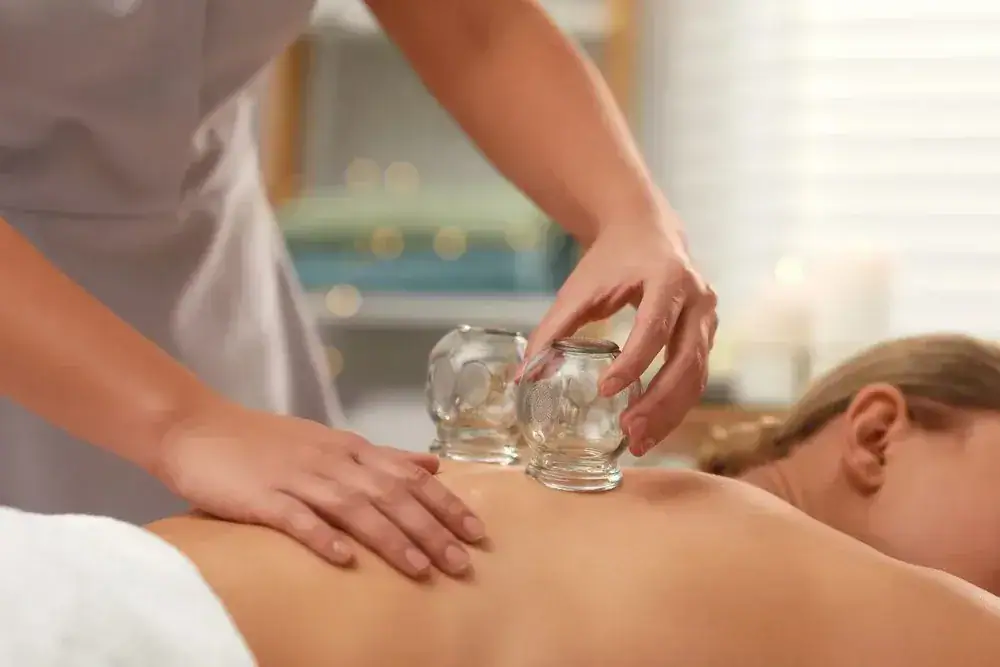
First, we assess where you’re holding tension and what’s causing your pain. This isn’t a one-size-fits-all situation. Your treatment gets tailored to what your body needs.
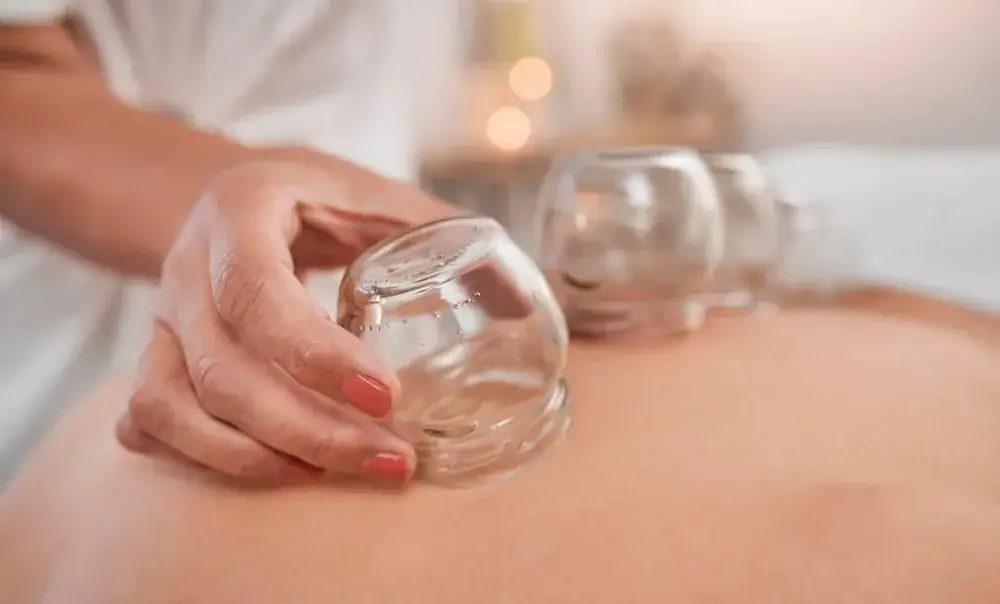
Then we place cups on specific areas—usually your back, shoulders, neck, or legs. The suction can be adjusted based on your comfort level and the depth of tissue we’re targeting. Some people need a lighter touch for lymphatic drainage. Others benefit from deeper pressure to break up stubborn knots.
The cups stay on for several minutes. During that time, you’ll feel a pulling sensation, but it shouldn’t hurt. Most people find it oddly relaxing. When we remove the cups, there’s an immediate sense of release in that area.
You might see circular marks afterward. They’re not bruises—they’re a sign that stagnant blood and fluid were drawn to the surface. They fade within a few days to a week. Some sessions use dry cupping, where cups stay stationary. Other times we’ll use massage cupping, moving the cups across your skin to cover more area.
Depending on your condition, you might feel relief after one session, or you might need a few to see lasting change. We’ll talk through what to expect based on what we’re treating.
Ready to get started?
Cupping therapy works best when it’s part of a complete plan. At Medcare, that means combining it with other physical therapy techniques that support your recovery. You’re not just getting a standalone treatment—you’re getting a strategy.
We often pair cupping with manual therapy to address muscle imbalances, stretching protocols to maintain the flexibility we create, and strengthening exercises to prevent the problem from coming back. If you’re dealing with a sports injury, we’ll focus on getting you back to your activity safely. If it’s chronic pain from years of sitting at a desk, we’ll work on posture correction and ergonomic adjustments.
In Melville, we see a lot of people who’ve tried everything—chiropractors, massage, pain medication—and still aren’t getting the relief they need. Cupping offers a different approach because it targets circulation and fascial restrictions in a way those other methods don’t. It’s non-invasive, drug-free, and doesn’t require downtime.
The goal isn’t to keep you coming back forever. It’s to get you functional again, teach you how to maintain it, and give you tools to manage flare-ups on your own. That’s what physical therapy should do.
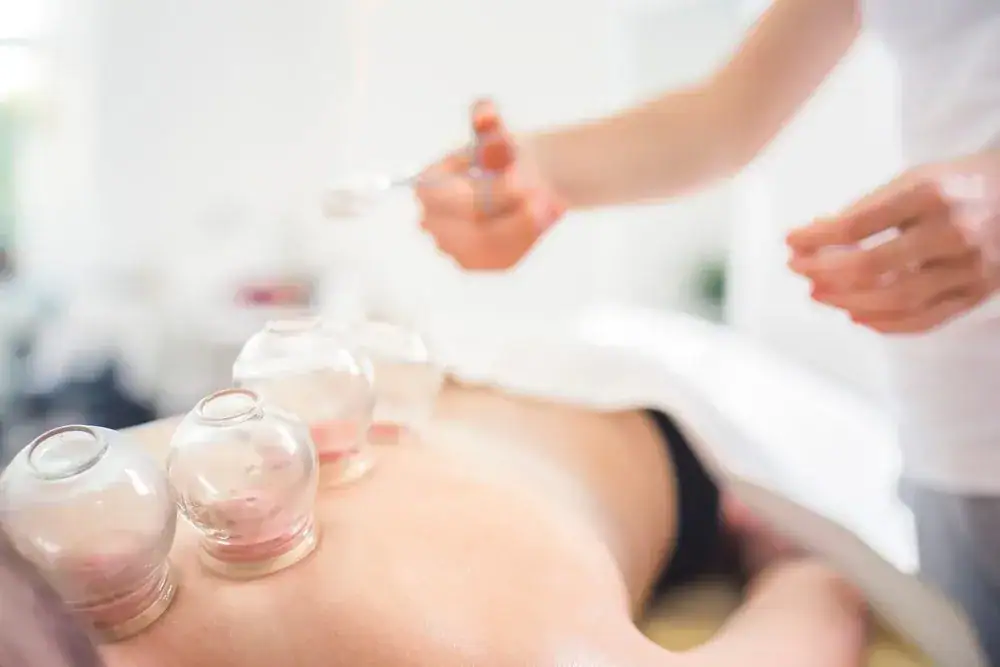
Cupping has solid research behind it now, especially for chronic pain conditions. Studies published in peer-reviewed journals show it reduces pain in people dealing with chronic neck pain, lower back pain, and fibromyalgia. The mechanism makes sense: increased blood flow delivers oxygen and nutrients to tissues that aren’t getting enough, while the suction helps break up fascial adhesions that restrict movement.
That said, it’s not magic. If you’re expecting one session to undo years of poor posture or a serious injury, that’s not realistic. But as part of a treatment plan that includes other physical therapy techniques, it’s effective. We’ve had patients with iliotibial band pain become symptom-free after two sessions. Others with chronic muscle tension report significant improvement within a few weeks.
The key is consistency and combining it with the right supporting treatments. Cupping works, but it works best when it’s not the only thing you’re doing.
Cupping is versatile. We use it most often for musculoskeletal issues—back pain, neck pain, shoulder tension, tight IT bands, and general muscle soreness. If you’re an athlete dealing with delayed onset muscle soreness after training, cupping speeds up recovery by improving circulation and reducing inflammation.
It’s also effective for tension headaches caused by tight neck and shoulder muscles. Some people use it for respiratory issues like congestion from colds or bronchitis, though that’s less common in a physical therapy setting. We’ve treated patients with fibromyalgia who found relief when other methods didn’t work.
In Melville, we see a lot of desk workers with upper back and neck pain from long hours at a computer. Cupping addresses that by releasing the fascial tightness that builds up over time. We also treat weekend warriors—people who stay active but push a little too hard and end up with strains or overuse injuries. Cupping helps them recover faster so they can get back to what they enjoy.
Some people feel relief immediately. That’s not an exaggeration—when the cups come off, there’s often an instant reduction in muscle tension and spasm. You might walk out of your first session feeling looser and less restricted than you have in months.
But immediate relief doesn’t always mean the problem is solved. Chronic conditions usually need multiple sessions. If you’ve been dealing with pain for years, your body needs time to reset those patterns. Most people see noticeable improvement within three to five sessions, especially when cupping is combined with other physical therapy work.
The timeline depends on what we’re treating. A recent muscle strain might resolve quickly. Long-term tension or a condition like fibromyalgia takes longer. We’ll give you a realistic expectation during your first visit based on your specific situation. The goal is steady progress, not false promises.
Yes, cupping usually leaves circular marks where the cups were placed. They look like bruises but they’re not—they’re caused by blood and stagnant fluid being drawn to the surface. The marks don’t hurt. Most people forget they’re even there unless they catch a glimpse in the mirror.
How dark the marks are depends on how much stagnation was in that area. If you have a lot of tension or poor circulation in a spot, the marks will be darker. They typically fade within three to seven days, sometimes up to ten days if they’re particularly dark. As you continue treatment and circulation improves, the marks usually get lighter each session.
If you have an event coming up where you’ll be in a bathing suit or backless dress, just let us know. We can adjust the treatment or schedule it so the marks have time to fade. For most people, it’s not an issue—they’re a temporary side effect of a treatment that actually works.
It depends on your insurance plan and how the treatment is billed. When cupping is part of a physical therapy session—which is how we typically use it at Medcare—it’s often covered under your physical therapy benefits. We bill it as part of the overall treatment, not as a separate add-on service.
You’ll want to check with your insurance provider about your specific coverage for physical therapy services. Most plans cover a certain number of PT visits per year, and cupping would fall under that. If you have a high deductible or limited coverage, we can discuss payment options.
What matters most is that you’re getting effective treatment. We’ve seen too many people avoid care because they’re worried about cost, and then they end up spending more down the line on medications, injections, or procedures that could have been avoided. It’s worth a phone call to your insurance company to understand what’s covered. We can also provide documentation if you need it for reimbursement.
Dry cupping is what most people think of when they hear “cupping therapy.” Cups are placed on your skin and suction is created—either with heat or a pump—then the cups stay in place for several minutes. There’s no cutting, no blood removal, nothing invasive. It’s straightforward and effective for most musculoskeletal issues.
Wet cupping involves making small incisions in the skin before applying the cups, which draws out a small amount of blood. That’s not something we do in a physical therapy setting, and it’s not necessary for the conditions we treat. Dry cupping gives you the same benefits—improved circulation, reduced muscle tension, fascial release—without any cutting.
There’s also massage cupping, where we apply oil to your skin and move the cups around rather than leaving them stationary. This covers a larger area and works well for releasing broad tension across your back or legs. We’ll use whichever approach makes the most sense for what you’re dealing with. Most of the time, dry cupping is exactly what you need.
Other Services we provide in Melville