


You move differently when your back doesn’t lock up every time you bend over. You sleep better when your neck isn’t throbbing at 2 a.m. You stop planning your day around what hurts.
Cupping therapy increases blood circulation right where you need it. That means less muscle tension, better range of motion, and actual relief—not just masking symptoms with another pill. The suction pulls stagnant blood and fluids away from inflamed tissue, which helps your body heal faster.
Most people notice looser muscles after the first session. Some see reduced pain within a few days. It’s not a miracle cure, but it’s one of the most effective non-invasive options for chronic pain, especially when combined with physical therapy. And it works without the side effects or dependency risks that come with prescription painkillers.
We operate multiple locations across Long Island, including our Medford clinic. We’re close to St. Charles Hospital, Stony Brook University Hospital, and Mather Hospital, which means we see a lot of referrals from physicians who trust our work.
Our team includes licensed physical therapists trained in dry cupping, manual therapy, and evidence-based pain management. We don’t just slap cups on your back and call it a day. Every session is part of a broader treatment plan designed around what’s actually wrong—not a one-size-fits-all protocol.
We verify every patient’s insurance, keep your records secure, and make sure you’re not bouncing between providers who don’t communicate. You get consistent care from people who know your case.
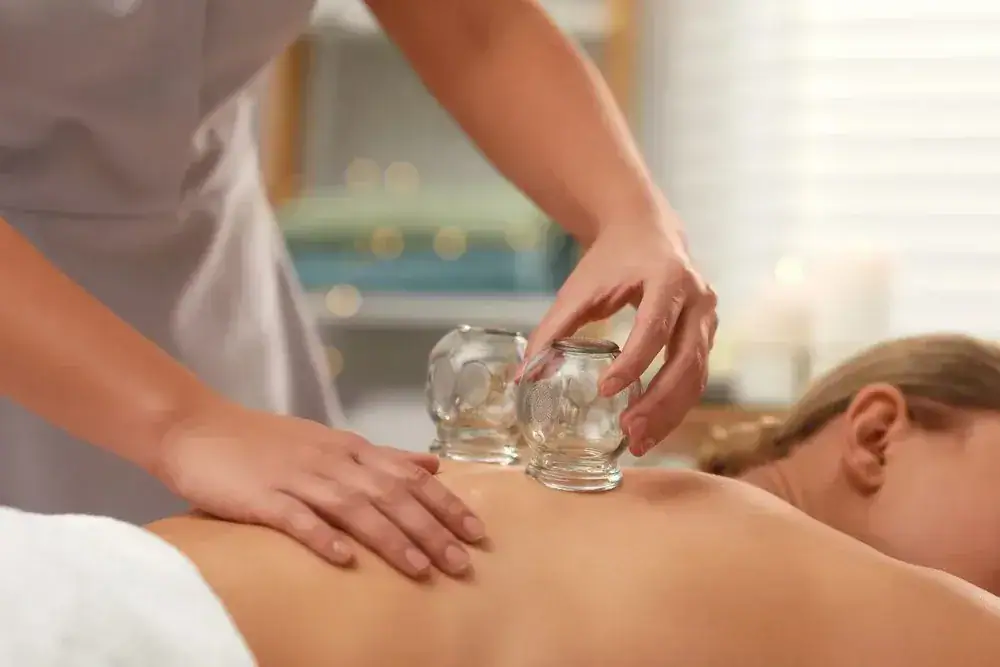
First, your therapist evaluates where you’re holding tension or experiencing pain. They’re looking for trigger points, restricted movement, and areas where blood flow is compromised. This isn’t guesswork—it’s based on your symptoms and a physical assessment.
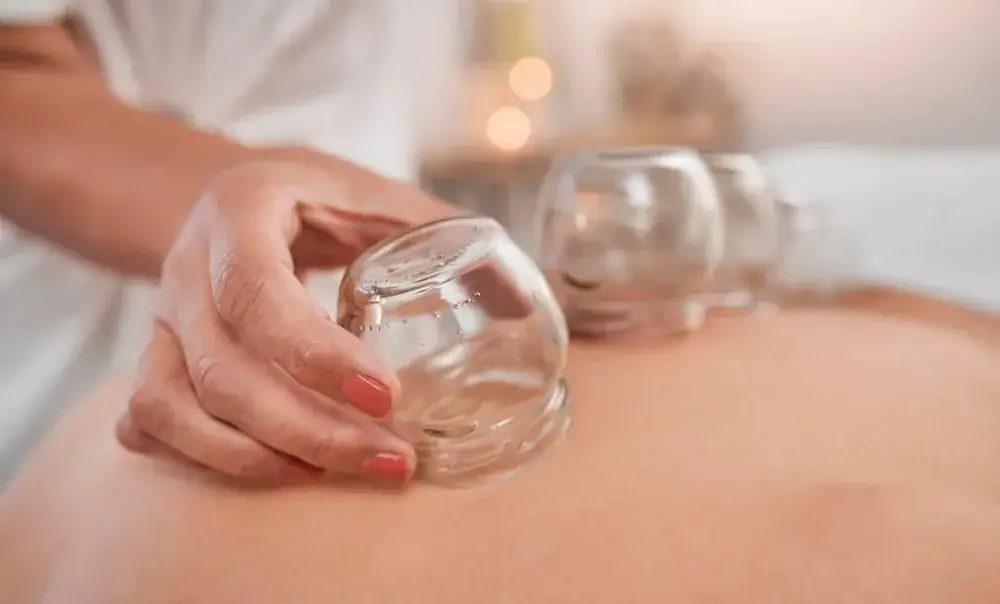
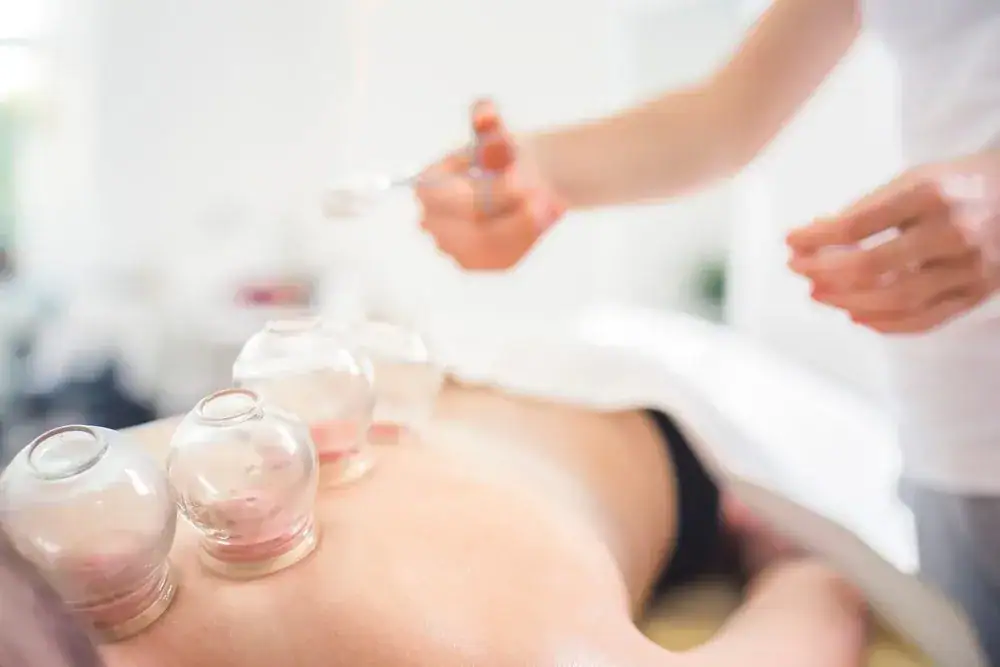
Next, they place cups on specific areas of your skin. The cups create suction, either through heat or a manual pump. That suction pulls your skin and underlying tissue upward, which increases blood circulation and releases tight fascia. You’ll feel pressure, but it shouldn’t hurt. Most people say it’s more relieving than uncomfortable.
The cups stay on for 5 to 15 minutes depending on the treatment area and your tolerance. Afterward, you might see circular marks where the cups were placed. Those aren’t bruises—they’re a sign of increased blood flow. They fade within a few days.
Your therapist will often combine cupping with stretching, manual therapy, or strengthening exercises. The goal is to address the root cause, not just treat the surface-level pain. You’ll leave with a clear plan for what comes next.
Ready to get started?
Every cupping session at Medcare starts with an evaluation. We don’t assume we know what’s wrong just because you said “back pain.” We assess your posture, range of motion, and pain triggers. Then we build a treatment plan that makes sense for your body and your schedule.
Dry cupping is our primary method. It’s safer than wet cupping, which involves breaking the skin, and it’s just as effective for musculoskeletal pain. We use it to treat chronic back pain, neck stiffness, shoulder tension, and sports injuries. It’s especially helpful for patients dealing with arthritis or limited mobility due to age-related conditions.
In Medford, we see a lot of patients who’ve tried everything—chiropractors, massage, cortisone shots—and still aren’t getting relief. Cupping works because it targets inflammation and restricted blood flow, which are often the real problems underneath the pain. And because we’re a full physical therapy clinic, we can integrate cupping into a larger recovery plan that includes strengthening, mobility work, and education on how to prevent re-injury.
Most insurance plans cover physical therapy, and about 65% of our patients use private insurance. We’ll verify your coverage before you start so there are no surprises.
Yes, but it works best when it’s part of a broader treatment plan. Cupping increases blood flow to tight or inflamed muscles, which helps reduce pain and stiffness. It’s not a standalone cure, but studies show it can significantly reduce discomfort when combined with physical therapy.
Back pain is the most common reason people seek physical therapy—about 34% of all cases. In Medford, we treat a lot of patients with chronic lower back pain who’ve been dealing with it for months or years. Cupping helps break up adhesions in the fascia and gives your muscles room to move again.
You’ll likely need multiple sessions to see lasting results. Most people notice improvement after three to five visits, especially when they’re also doing the exercises we assign. If you’ve been relying on painkillers or avoiding movement because it hurts, cupping can give you enough relief to start rebuilding strength.
Dry cupping uses suction alone. Wet cupping involves making small cuts in the skin to draw out blood. We use dry cupping at Medcare because it’s safer, less invasive, and just as effective for treating musculoskeletal pain.
Dry cupping is the standard in most Western physical therapy clinics. There’s no risk of infection, no exposure to blood, and no recovery time beyond waiting for the marks to fade. Wet cupping is more common in traditional Chinese medicine, but it’s not necessary for the kind of pain relief most patients are looking for.
The suction from dry cupping is enough to increase circulation, release muscle tension, and reduce inflammation. You get the benefits without the added risk. If someone tells you that you need wet cupping for it to work, they’re either misinformed or trying to upsell you on something you don’t need.
Usually three to seven days. The marks look like circular bruises, but they’re not bruises in the traditional sense. They’re caused by increased blood flow and the release of stagnant fluids under the skin.
The darker the mark, the more congestion or restriction was in that area. Over time, as your circulation improves and your muscles loosen up, the marks tend to get lighter with each session. Some people barely mark at all after a few treatments.
If you’re worried about how they look, plan accordingly. Don’t schedule cupping the day before a wedding or beach trip. But also don’t let the marks scare you off—they’re a sign the therapy is working. Most of our patients in Medford stop caring about the marks once they realize how much better they feel.
Absolutely. In fact, that’s how we use it most of the time. Cupping works well alongside manual therapy, dry needling, therapeutic exercise, and stretching. It’s a tool, not a treatment plan by itself.
For example, if you’re recovering from a sports injury, we might use cupping to reduce inflammation and improve blood flow, then follow up with strengthening exercises to rebuild stability. If you’re dealing with chronic neck pain from sitting at a desk all day, we’ll combine cupping with posture correction and ergonomic adjustments.
The goal is to address the root cause of your pain, not just treat symptoms. Cupping helps create the conditions for healing—better circulation, less tension, more mobility—but you still need to do the work to keep those improvements. That’s where physical therapy comes in. We give you the tools and the plan. You put in the reps.
If it’s performed as part of physical therapy, yes—most insurance plans cover it. About 65% of physical therapy patients in New York use private insurance, and cupping is typically billed under the same codes as manual therapy or myofascial release.
We verify your insurance before your first visit so you know exactly what you’re paying. Some plans require a referral from your doctor. Others let you come in directly. Either way, we handle the paperwork and make sure you’re not stuck with unexpected bills.
If you don’t have insurance, we can discuss cash rates. A single cupping session usually runs between $30 and $100 depending on the length and complexity of treatment. For most people, though, insurance covers the majority of the cost, especially if you’re being treated for a documented condition like chronic pain, arthritis, or a sports injury.
Most people start noticing improvement after three to five sessions, but it depends on what we’re treating and how long you’ve been dealing with it. Acute injuries respond faster than chronic pain that’s been building for years.
If you’re coming in for muscle soreness after overuse, you might feel significantly better after one or two sessions. If you’re dealing with long-term back pain, neck stiffness, or limited range of motion, expect a longer timeline. We usually recommend twice a week for the first few weeks, then taper down as you improve.
The key is consistency. Skipping sessions or waiting too long between visits means you’re starting over each time instead of building on progress. We’ll give you a realistic timeline during your evaluation based on your specific condition. And if cupping isn’t helping after a reasonable number of sessions, we’ll adjust the plan. There’s no point in doing something that isn’t working.
Other Services we provide in Medford