
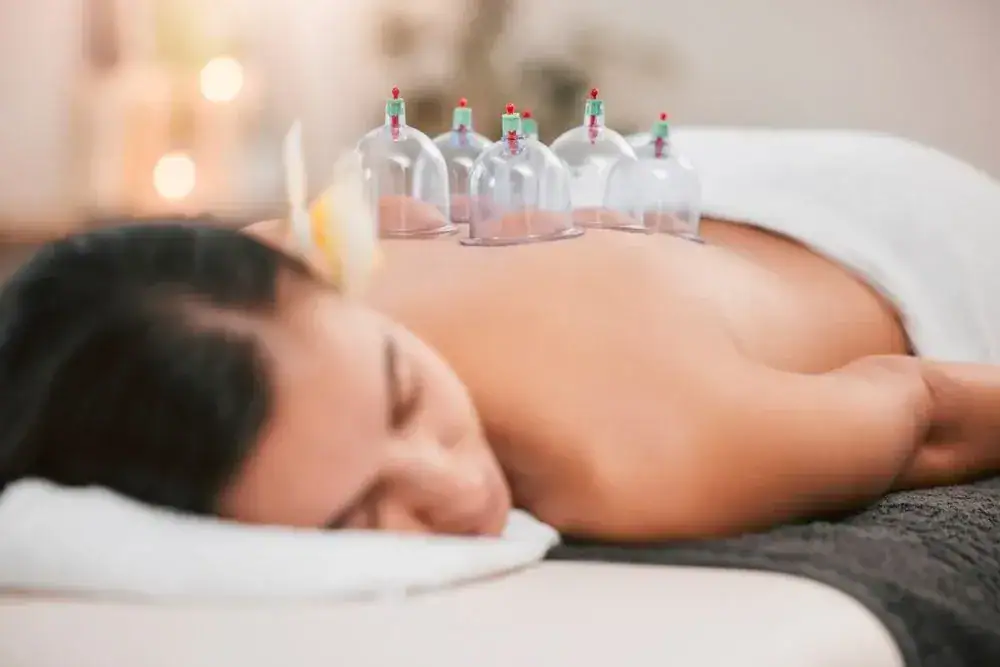

You wake up without that familiar ache in your lower back. You reach for something on a high shelf without wincing. You get through your day without counting down the hours until you can rest.
That’s what happens when cupping therapy works the way it should. The suction lifts your skin and fascia, increasing blood flow to areas that have been tight or inflamed for months—sometimes years. Your muscles start to relax. Your range of motion improves. The constant tension you’ve been carrying finally lets go.
This isn’t about masking pain with medication. It’s about addressing what’s causing it. Cupping helps break up fascial adhesions, reduce inflammation, and trigger your body’s natural healing response. Most people notice a difference after the first session. Some feel relief that lasts. Others use it as part of a broader physical therapy plan to keep pain from coming back.
If you’ve tried other treatments and they haven’t worked, this might be the approach that finally does.
First, your therapist evaluates where you’re feeling pain, how long it’s been there, and what you’ve already tried. This isn’t a one-size-fits-all treatment. Cupping works best when it’s part of a plan that’s built around your specific condition.
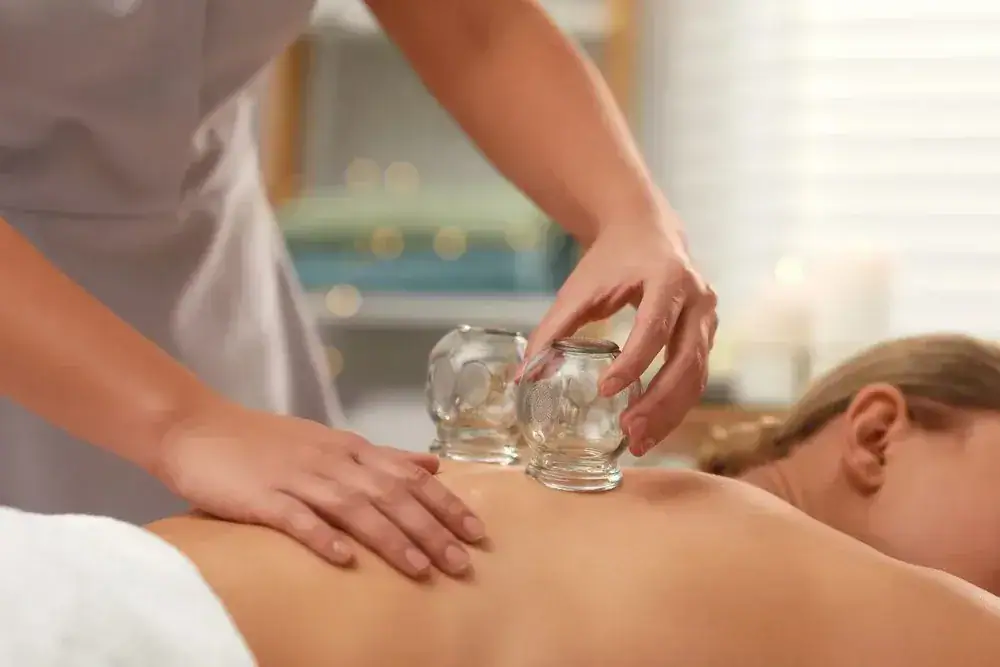
During the session, small cups are placed on your skin over the affected area. A vacuum is created—either manually or with a pump—that lifts the tissue. You’ll feel a pulling sensation, but it shouldn’t hurt. The cups stay in place for several minutes, or your therapist may move them across your skin in a gliding motion to release deeper tension.
The suction increases blood flow, separates layers of fascia that have been stuck together, and helps your muscles relax. Some people see circular marks afterward—they’re not bruises, and they fade within a few days. That’s just increased circulation doing its job.
After the session, most people feel looser. Some feel immediate relief. Others notice the difference over the next day or two as inflammation decreases. Your therapist will talk through what to expect and whether follow-up sessions make sense based on how your body responds.
Ready to get started?
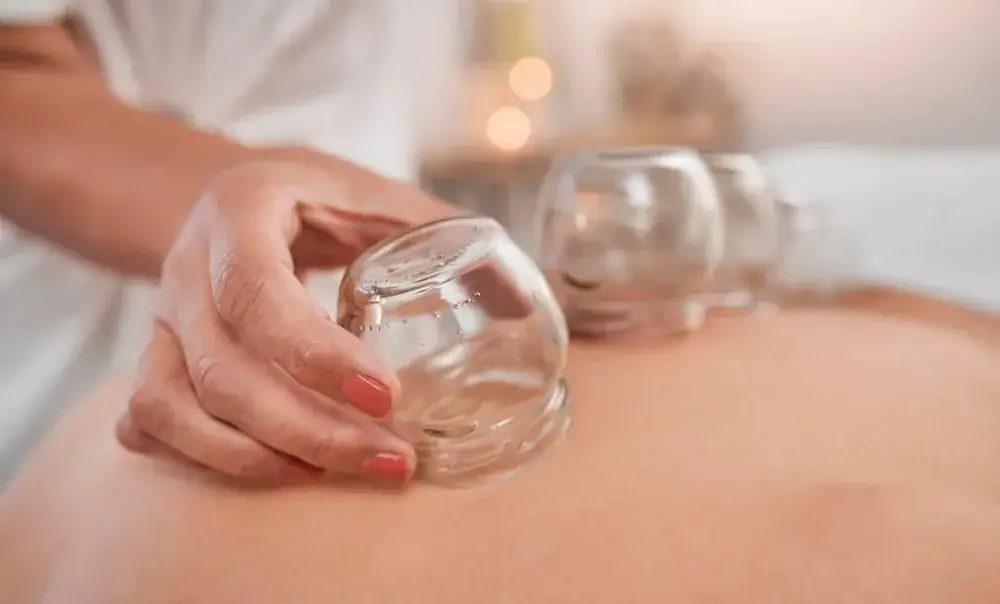
We use dry cupping, which means no needles and no incisions. It’s non-invasive, low-risk, and works well for chronic neck pain, lower back pain, shoulder tension, and muscle tightness from overuse or injury. It’s also effective for conditions like fibromyalgia and arthritis when combined with other physical therapy treatments.
In Mattituck, a lot of people deal with repetitive strain—whether from physical work, long commutes, or just the wear and tear of getting older. Cupping helps with that. It’s especially useful if you’ve been stuck in a cycle where pain limits your movement, and limited movement makes the pain worse.
We accept Medicare and most insurance plans, so cost doesn’t have to be a barrier. If you can’t make it to a clinic, we offer home visits. You get the same level of care, just in a setting that’s more comfortable and convenient for you.
Every session is personalized. We don’t rush. We don’t use a script. We listen to what’s going on with your body and adjust the treatment to match.
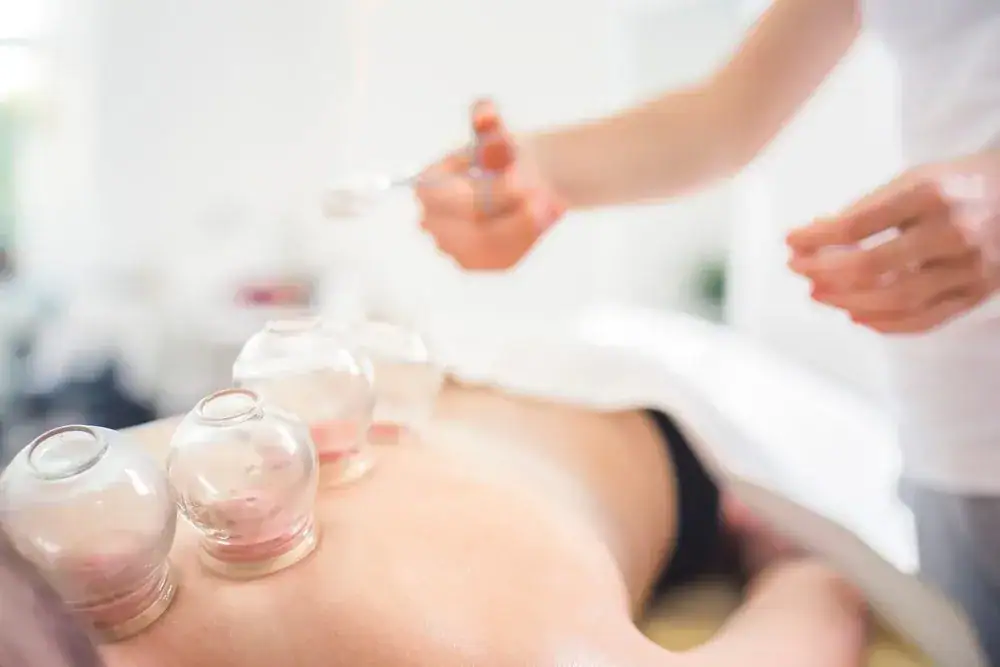
Yes, and there’s research backing it up. Studies show that cupping therapy can reduce chronic musculoskeletal pain more effectively than some conventional treatments, especially when combined with physical therapy. It’s particularly helpful for chronic neck pain, lower back pain, and fibromyalgia.
The suction created by the cups increases blood flow to the affected area, which helps reduce inflammation and promote healing. It also mechanically lifts and separates layers of fascia—the connective tissue that can get tight and restricted after injury or overuse. When fascia moves better, muscles move better, and pain decreases.
That said, cupping isn’t magic. It works best as part of a broader treatment plan that might include stretching, strengthening exercises, and other hands-on therapy. If you’ve been dealing with pain for months or years, one session probably won’t fix everything. But most people notice some level of improvement after the first visit, and results tend to build over time with consistent treatment.
Cupping is considered a low-risk therapy when performed by a trained professional. The most common side effect is temporary circular marks on your skin where the cups were placed. These aren’t bruises—they’re caused by increased blood flow to the area—and they typically fade within a few days to a week.
Some people feel a little sore or tender after their first session, similar to how you might feel after a deep tissue massage. That usually goes away within 24 hours. Drinking water and moving gently afterward can help.
Cupping isn’t recommended if you have certain skin conditions, are pregnant, or are taking blood thinners. Your therapist will go over your medical history before starting treatment to make sure it’s safe for you. We follow strict hygiene protocols—all equipment is sterilized, and cups are cleaned thoroughly between patients.
The key is working with someone who knows what they’re doing. Our therapists are licensed and trained specifically in cupping as part of physical therapy, so you’re not getting this from someone who took a weekend course.
Massage uses pressure to push into your muscles and release tension. Cupping does the opposite—it uses suction to lift tissue away from the body. That lifting action creates space between layers of fascia, increases circulation, and helps break up adhesions that massage alone might not reach.
Think of it this way: massage compresses tissue, cupping decompresses it. Both are valuable, but they work in different ways. A lot of people find that cupping gets deeper into stubborn knots or areas of chronic tightness that haven’t responded well to massage.
Cupping also tends to have longer-lasting effects for certain types of pain, especially when the issue is related to fascial restriction or poor circulation. If your pain is more about tight muscles from stress or overuse, massage might be enough. If it’s deeper or more persistent, cupping can be a better fit.
We often use both in the same treatment plan. Your therapist will assess what your body needs and adjust accordingly. The goal isn’t to pick one over the other—it’s to use whatever gets you out of pain fastest.
If cupping is part of a physical therapy treatment plan, most insurance plans will cover it—including Medicare. We accept Medicare and nearly all commercial insurance, and we handle the billing and verification process for you.
Insurance typically covers cupping when it’s used to treat a diagnosed condition like chronic pain, muscle strain, or limited mobility. It’s not usually covered if it’s done purely for relaxation or wellness. But if you’re coming to us because something hurts and it’s affecting your daily life, there’s a good chance your plan will cover at least part of the cost.
We recommend calling your insurance provider to confirm your benefits before your first visit, but we can also help with that. We’ll verify your coverage, explain what your copay or deductible might be, and let you know upfront what to expect. No surprises.
If you don’t have insurance or your plan doesn’t cover it, we’ll work with you on pricing. Our goal is to make treatment accessible, not to pile on financial stress when you’re already dealing with pain.
It depends on what’s causing your pain and how long you’ve had it. Acute issues—like a pulled muscle or recent injury—might improve in just a few sessions. Chronic conditions that have been building for months or years usually take longer.
Most people start with one or two sessions per week for a few weeks, then taper off as symptoms improve. Your therapist will reassess after each visit and adjust the plan based on how your body responds. Some people feel significant relief after three or four sessions. Others need ongoing treatment as part of a maintenance plan to keep pain from coming back.
We’re not interested in dragging out treatment longer than necessary. If cupping isn’t helping after a reasonable number of sessions, we’ll tell you and explore other options. The goal is progress, not endless appointments.
You’ll have a clear sense of whether it’s working within the first couple of visits. If you’re seeing improvement, we keep going. If not, we pivot.
Yes. We offer home-based therapy services throughout Mattituck and the surrounding North Fork area. If getting to a clinic is difficult—whether because of mobility issues, transportation challenges, or just a packed schedule—we bring the treatment to you.
Home visits aren’t a downgrade. You get the same licensed therapists, the same equipment, and the same level of care you’d receive in a clinic setting. The only difference is location. A lot of people actually prefer it because they’re more comfortable and relaxed in their own space, which can make the treatment more effective.
We’ve been doing home therapy since 2010, so we know how to make it work. We coordinate with your schedule, show up on time, and handle everything from setup to cleanup. All you have to do is be there.
If you’re dealing with chronic pain and the idea of driving to appointments feels like one more thing you don’t have energy for, this is a real option. Just call us and we’ll set it up.
Other Services we provide in Mattituck