

You’re not looking for temporary relief that wears off by dinner. You want to bend down without bracing yourself. Sleep through the night without shifting positions every hour. Get through your workout—or your workday—without that constant tightness pulling you back.
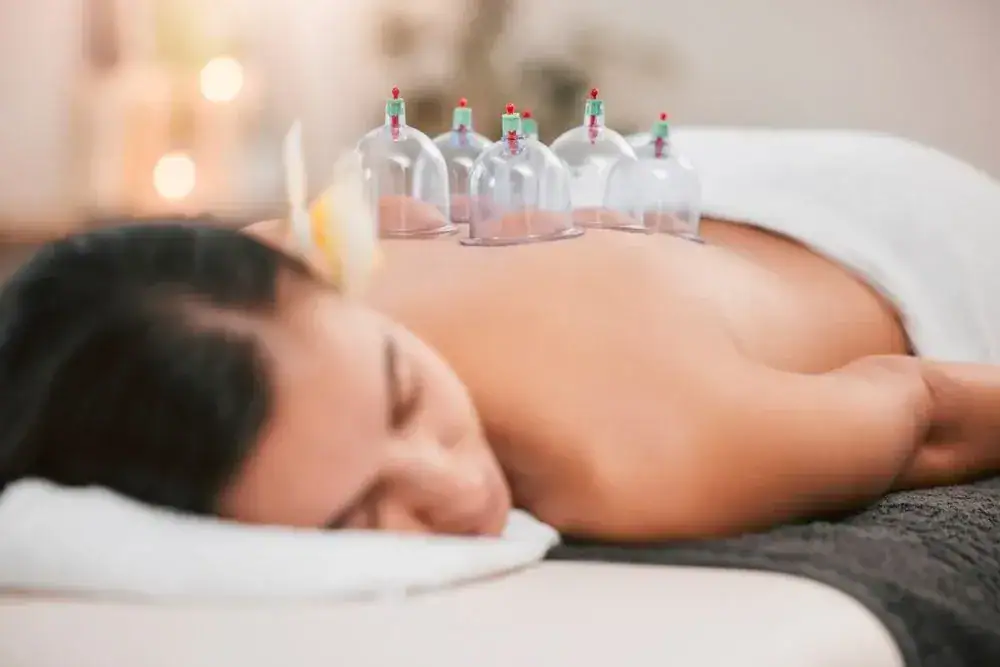
Cupping therapy works by creating negative pressure on the skin, which lifts tissue and increases blood flow to areas that have been tight, restricted, or painful. That improved circulation helps flush out metabolic waste, reduce inflammation, and give your muscles room to actually relax. It’s the same approach Olympic athletes use for muscle recovery, and it’s why we integrate it into treatment plans for chronic pain, sports injuries, and post-surgical rehab.
The goal isn’t just less pain. It’s better movement, faster recovery, and getting back to the things you’ve been avoiding because your body wouldn’t cooperate.
We’ve been serving Massapequa Park and the surrounding Long Island communities with physical therapy that actually listens. We don’t rush you through a template. Every treatment plan is built around what’s not working for you—and what needs to happen to fix it.
Cupping is one tool we use when it makes sense. Not because it’s trendy, but because the research supports it and we’ve seen it work for people dealing with chronic back pain, neck stiffness, knee issues, and muscle tightness that won’t quit. Our team includes licensed physical therapists trained in myofascial decompression and manual therapy techniques that go beyond the basics.
Massapequa Park has a higher-than-average median age and income, which means our patients tend to be active, informed, and looking for care that respects their time and their goals. We get that. And we build our approach around it.
First, we assess where you’re restricted. That means testing your range of motion, asking about your pain patterns, and figuring out which muscles or fascia are contributing to the issue. Cupping isn’t a one-size-fits-all treatment—it works best when it’s targeted.
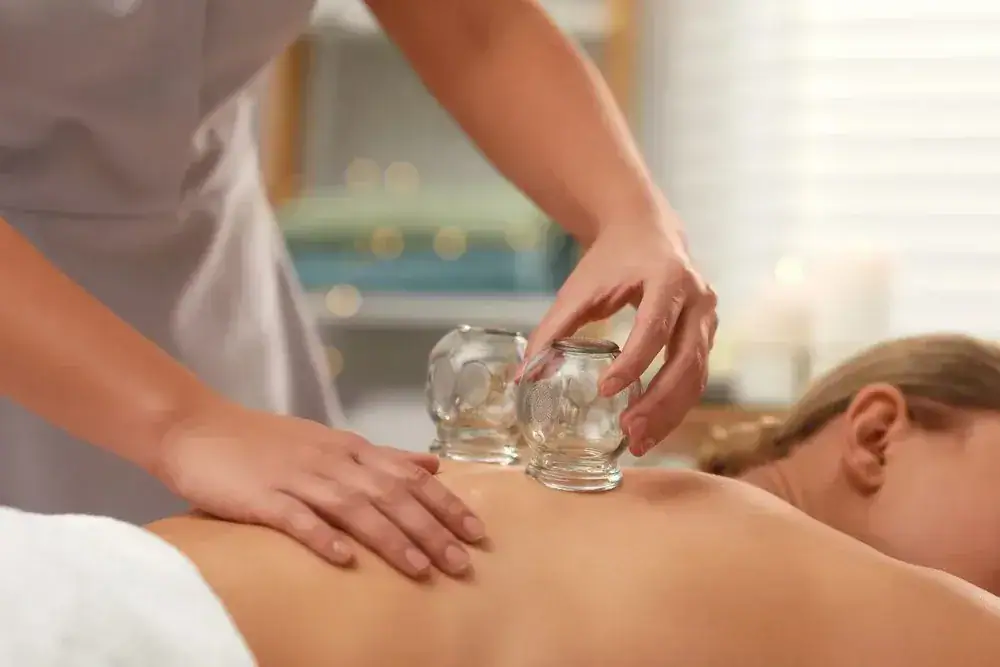
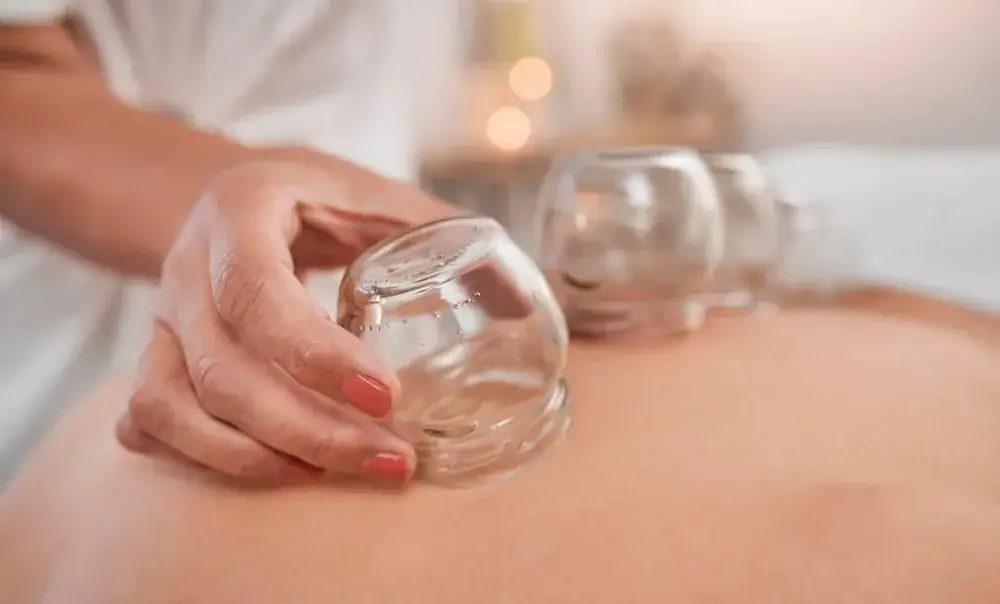
Once we know where to focus, we apply cups to the skin using suction. The cups stay in place for several minutes, or we might move them across the muscle in a gliding technique. You’ll feel pulling and pressure, but it shouldn’t hurt. Most people say it’s uncomfortable in a good way—like a deep tissue massage that gets into spots you didn’t know were tight.
After the cups come off, the area will look red or purple. That’s normal. It’s increased blood flow and minor bruising from the suction, and it fades within a few days. What you’ll notice right away is improved mobility and less tension. Depending on your condition, we may combine cupping with other physical therapy techniques like stretching, strengthening exercises, or manual therapy to reinforce the results and keep you progressing.
Ready to get started?
Cupping therapy at our clinic isn’t a standalone spa treatment. It’s integrated into a full physical therapy plan designed to address the root cause of your pain or limitation. That means you’re getting an evaluation, a diagnosis, and a roadmap—not just cups on your back.
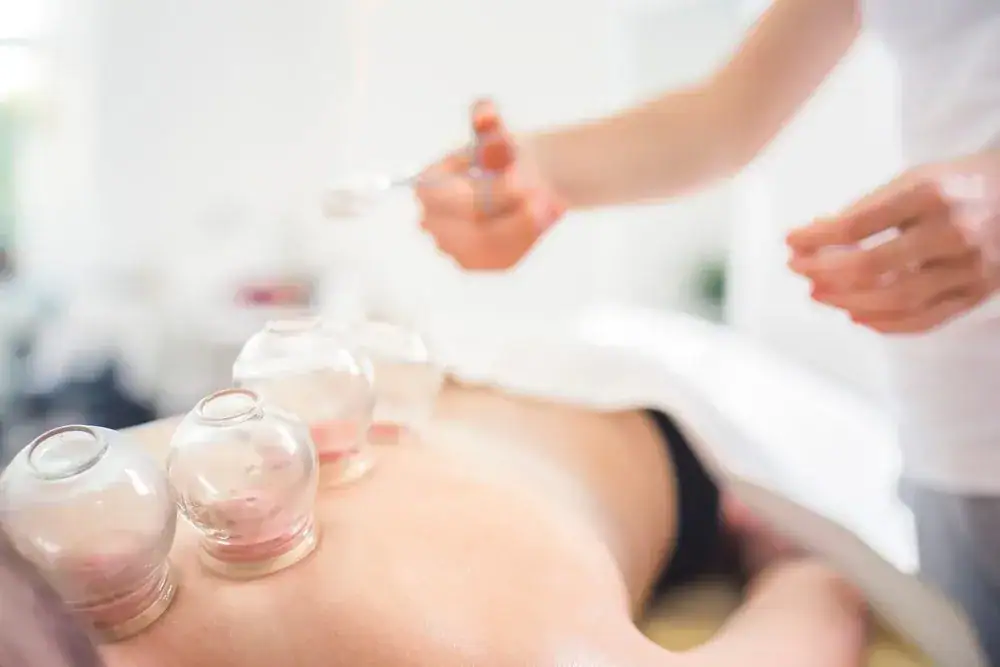
We use dry cupping, which is non-invasive and doesn’t involve any cutting or bloodletting. The cups create a vacuum that lifts the fascia away from the muscle, improving fascial glide and reducing friction between tissue layers. This is especially helpful for people with chronic tightness, scar tissue from old injuries, or restricted movement that’s been lingering for months.
In Massapequa Park, we see a lot of patients dealing with age-related stiffness, arthritis, and musculoskeletal pain that limits their ability to stay active. Cupping helps with all of that. It’s also effective for athletes dealing with delayed onset muscle soreness or anyone recovering from surgery who needs to regain mobility without aggravating healing tissue. Each session is personalized based on where you are in your recovery and what your body is telling us.
Yes, but it works best when it’s part of a broader plan. Cupping improves local blood flow and reduces muscle tightness, which can absolutely help with chronic low back pain. Research shows it’s effective for generalized pain conditions, especially when combined with physical therapy exercises that address strength, posture, and movement patterns.
If your back pain is from tight muscles, poor circulation, or fascial restrictions, cupping can give you noticeable relief. But if the pain is coming from a structural issue, nerve compression, or something deeper, cupping alone won’t fix it. That’s why we assess first and build a treatment plan that makes sense for your specific situation.
Most patients feel looser and less restricted after their first session. How long that lasts depends on how chronic the issue is and whether you’re doing the work between sessions to maintain the progress.
Some people feel better immediately. Others need a few sessions before the changes stick. It depends on how long you’ve been dealing with the problem and how your body responds to treatment.
If you’re coming in with acute muscle soreness or tightness from overuse, one or two sessions might be enough to get you back to normal. If you’re dealing with chronic pain, scar tissue, or long-term restrictions, expect a longer timeline. We usually recommend starting with a series of sessions over a few weeks, then reassessing to see how you’re progressing.
The goal isn’t to keep you coming back forever. It’s to get you functional again and give you the tools to maintain it. That might mean continuing cupping as part of your maintenance plan, or it might mean transitioning to strengthening and mobility work once the tension is under control.
In most cases, yes—if it’s billed as part of your physical therapy treatment. Cupping is considered a manual therapy technique, and when it’s used by a licensed physical therapist as part of a documented treatment plan, insurance typically covers it under your PT benefits.
That said, coverage varies by plan. Some insurers have limits on the number of PT visits or specific manual therapy codes. We recommend calling your insurance provider before your first session to confirm your benefits and understand any copays or deductibles that apply.
We handle the billing and documentation on our end, so you don’t have to navigate the paperwork yourself. If you have questions about what your plan covers, our front desk can help you figure it out before you commit to treatment.
Cupping works well for conditions involving muscle tightness, restricted fascia, and poor circulation. That includes chronic neck and back pain, shoulder pain, knee pain, tension headaches, and general muscle soreness from overuse or exercise. It’s also helpful for people recovering from surgery who need to improve tissue mobility and reduce scar tissue buildup.
Athletes use cupping for faster muscle recovery and to reduce delayed onset muscle soreness after intense training. People with fibromyalgia or arthritis often find relief because cupping improves blood flow and reduces inflammation in affected areas. It’s not a cure, but it can make a real difference in how you feel and how well you move.
Cupping doesn’t work as well for nerve pain, bone issues, or conditions that require surgical intervention. If your pain is coming from a herniated disc, severe arthritis, or structural damage, we’ll tell you upfront and recommend a different approach or refer you to the right specialist.
No. The marks left by cupping are not bruises in the traditional sense—they’re the result of increased blood flow and minor capillary expansion under the skin. They look dramatic, but they’re not painful and they don’t indicate tissue damage.
The discoloration usually ranges from light pink to deep purple, depending on how much tension or stagnation was in the tissue. Areas with more restriction tend to show darker marks. They typically fade within three to seven days and don’t require any special care. You can go about your normal routine, though you might want to avoid wearing anything that shows the marks if that bothers you.
Some people wear their cupping marks like a badge of honor, especially athletes who know it means they’re taking recovery seriously. Others prefer to keep sessions scheduled so the marks have time to fade before big events. Either way, the marks are temporary and harmless—just your body’s way of showing that circulation improved in areas that needed it.
Absolutely. In fact, that’s how we use it most of the time. Cupping works best when it’s integrated with other manual therapy techniques, stretching, strengthening exercises, and functional movement training. The negative pressure from cupping helps release tight tissue, and then we follow up with exercises that reinforce better movement patterns and prevent the tightness from coming back.
For example, if you’re dealing with chronic shoulder pain, we might use cupping to improve blood flow and release fascial restrictions, then move into rotator cuff strengthening and posture correction. If you’re recovering from a knee injury, cupping can help reduce swelling and improve tissue mobility, and then we’ll work on rebuilding strength and stability so you can get back to running or playing sports.
The combination approach gives you faster results and longer-lasting relief. Cupping gets the tissue ready to move better, and the rest of the treatment makes sure it stays that way.
Other Services we provide in Massapequa Park