
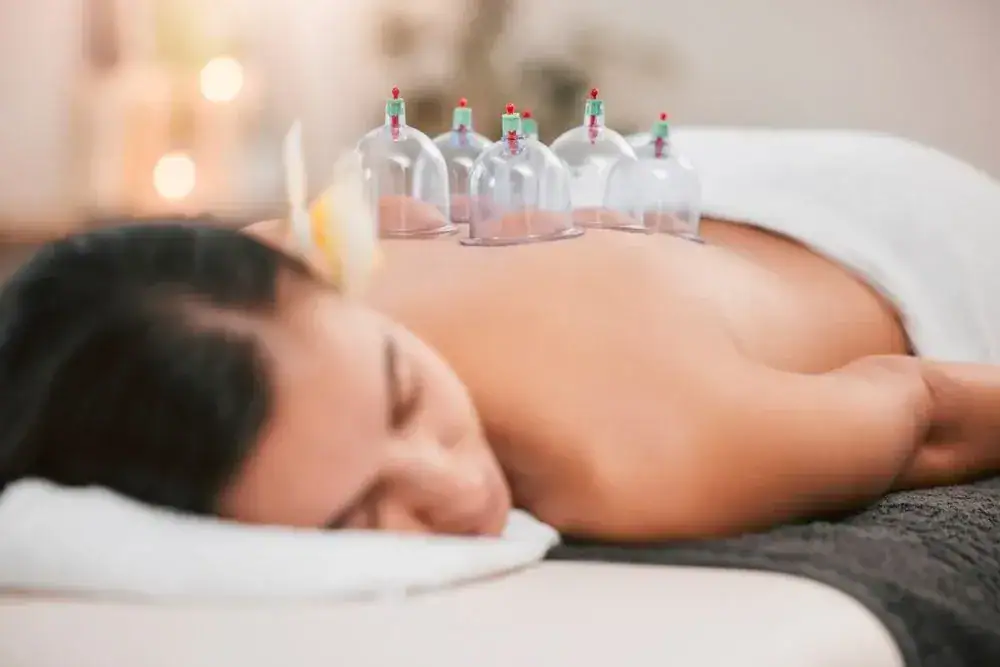

You’re not looking for temporary relief that disappears by tomorrow. You want to move without that constant ache in your lower back, turn your neck without wincing, or get through a workout without feeling wrecked for three days afterward.
Cupping therapy works by increasing blood flow to tight, overworked tissue. The suction lifts fascia away from muscle, creating space where everything’s been compressed and stuck. More blood means more oxygen and nutrients reaching areas that have been starved of both.
That knot in your shoulder that feels like rope? Cupping targets those trigger points directly. Research shows it improves range of motion and reduces pain intensity in ways that outlast the session itself. You’re not just masking discomfort—you’re addressing what’s causing it.
Most patients notice they feel looser after the first session. Some describe it as finally being able to take a full breath. Others just say they slept better than they have in months.
Medcare Therapy Services has been treating patients across Long Island for years, including right here in Manorville. The therapists who perform cupping aren’t just certified—they’re physical therapists who understand musculoskeletal conditions, movement patterns, and how your body compensates when something’s not working right.
That matters because cupping isn’t a standalone fix. It’s part of a treatment plan that’s built around your specific condition, whether that’s a sports injury, arthritis, or tension that’s been building for years.
Manorville residents deal with the same things most active communities do: long commutes that wreck posture, physical jobs that wear down joints, and weekend warriors who push hard and pay for it Monday morning. We’ve seen it all, and we know how to adjust treatment based on what your body’s telling us.
First, your therapist evaluates your condition. We’re checking your range of motion, asking about your pain patterns, and looking at how you move. This isn’t a one-size-fits-all treatment, so we need to know what’s actually going on before placing a single cup.
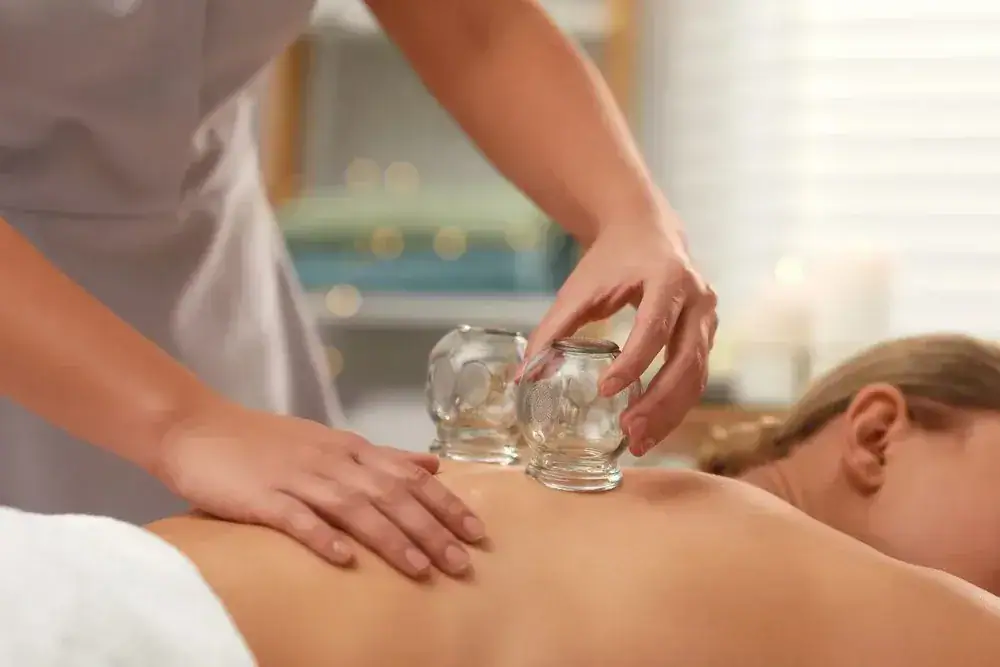
Once we’ve identified the problem areas, we apply cups to your skin using suction. You’ll feel a pulling sensation—it’s intense but not painful. Most people say it’s more of a deep pressure, like a strong massage that stays in one spot.
The cups stay on for five to ten minutes. During that time, blood rushes to the area. You might see your skin darken under the cup—that’s normal and temporary. It’s not a bruise; it’s increased circulation doing exactly what it’s supposed to do.
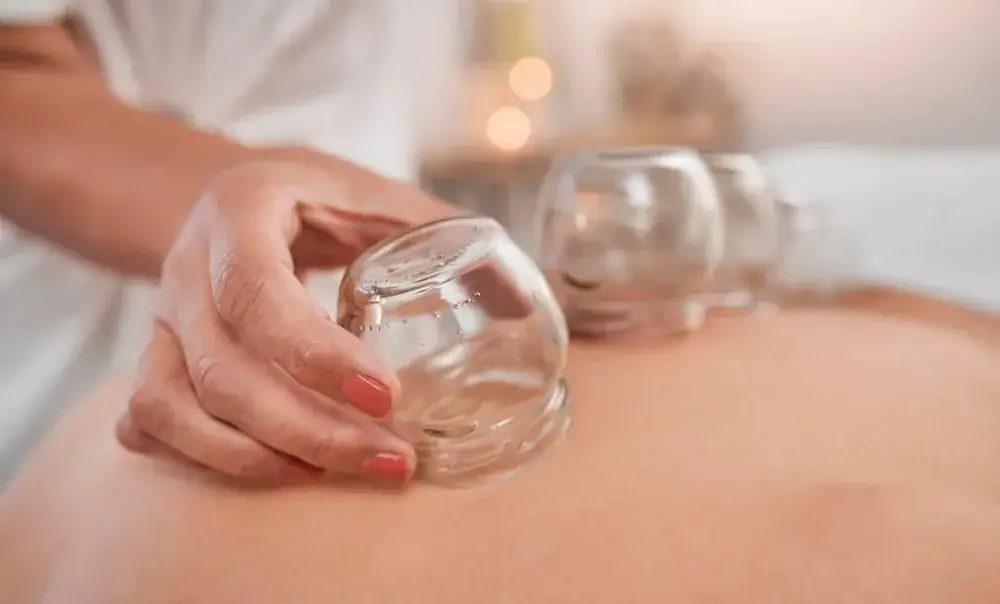
Some of our therapists use stationary cups. Others move them across your muscles in long strokes, which is especially helpful for releasing tight fascia. You might also do dynamic cupping, where you move through specific exercises while the cups are on. That helps retrain movement patterns while the tissue is decompressed.
After the cups come off, most patients feel immediate relief in terms of tightness. The deeper pain reduction builds over the next 24 to 48 hours as inflammation decreases and your body continues healing.
Ready to get started?
Cupping works well for chronic lower back pain, neck and shoulder tension, and knee pain related to osteoarthritis. If you’ve been dealing with any of those for months or years, and traditional treatment hasn’t gotten you where you need to be, this might be worth trying.
Athletes use cupping to recover faster between training sessions. It reduces that heavy, fatigued feeling in your muscles and helps clear out metabolic waste that builds up after hard workouts. Runners, CrossFit athletes, and anyone doing repetitive motion sports see benefits.
People with fibromyalgia or other chronic pain conditions often find cupping helpful because it works on the nervous system, not just the muscles. It can lower your baseline tension and help you feel less reactive to pain triggers.
Here in Manorville, we see a lot of patients who work physical jobs—construction, landscaping, healthcare workers on their feet all day. Cupping helps manage the wear and tear that comes with that kind of work. It’s not going to fix everything, but it gives your body a better chance to recover between shifts.
You’ll also benefit if you’ve tried physical therapy before but felt like something was missing. Cupping integrates with manual therapy and exercise-based treatment. It’s another tool that helps us get better results faster.
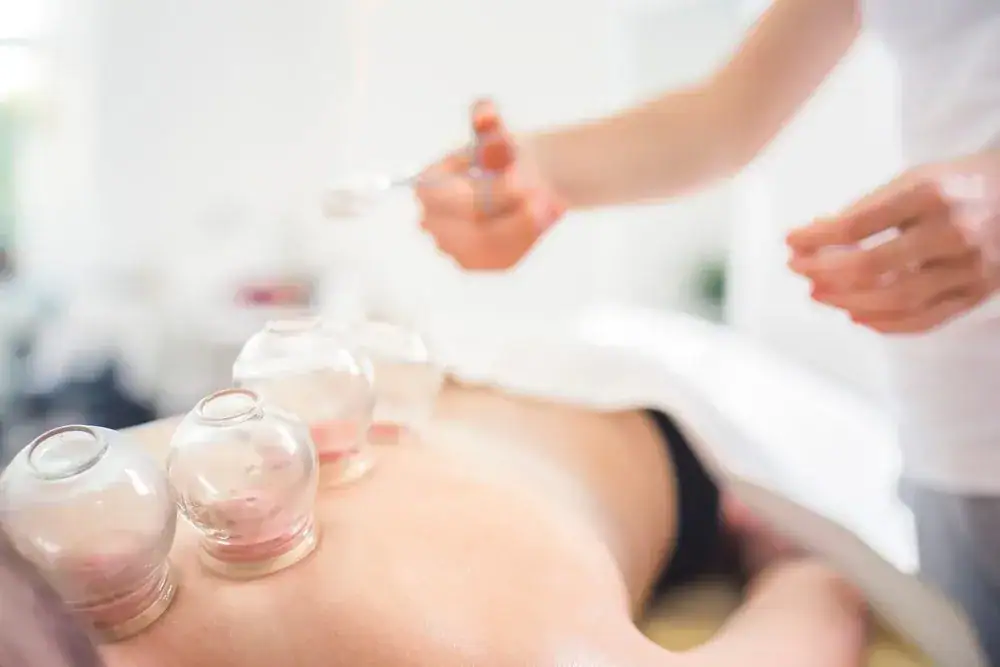
There’s solid research backing cupping for specific conditions. Multiple peer-reviewed studies show moderate-to-high quality evidence that cupping reduces pain intensity for chronic lower back pain, neck pain, and knee osteoarthritis. It’s not a miracle cure, but it’s not placebo either.
The mechanism makes sense: suction increases local blood flow and microcirculation, which delivers oxygen and nutrients to tissue that’s been tight and under-supplied. It also stimulates large nerve fibers that inhibit pain signals traveling to your brain, which is why many people feel relief during and immediately after treatment.
Olympic athletes have used it. Physical therapists trained in evidence-based practice use it. That doesn’t mean it works for everyone or every condition, but it’s far from hype. If you’ve tried other treatments without success, cupping offers a low-risk option with real potential for improvement.
The marks aren’t bruises. They’re caused by blood being drawn to the surface as the cups create suction. Darker marks usually show up in areas with more stagnation or tension—places where circulation has been restricted.
They typically last three to seven days, depending on how your body responds and how much suction was used. They don’t hurt. Most people forget they’re there until they look in a mirror.
If you’re concerned about visible marks for work or social reasons, let your therapist know. We can adjust the intensity or place cups in areas that clothing will cover. The marks don’t indicate damage—they’re actually a sign that the therapy is working and bringing fresh blood to areas that needed it.
Massage pushes into tissue. Cupping pulls tissue up and away from underlying structures. That difference matters when you’re dealing with fascial restrictions or areas where everything feels glued together.
Regular physical therapy focuses on strengthening, stretching, and movement retraining. Cupping fits into that plan as a way to release tissue before you move it, making exercises more effective and less painful. Think of it as prep work that allows the rest of your treatment to go deeper.
Cupping also affects your nervous system differently. The suction stimulates a parasympathetic response, which calms your body down and reduces baseline muscle tension. That’s why people often feel relaxed after a session, even though the treatment itself is intense.
You’re not choosing between cupping and physical therapy. You’re using cupping as part of a complete approach that addresses both the tissue restrictions and the movement problems causing your pain.
Cupping is considered low-risk when performed by trained professionals like licensed physical therapists. The most common side effect is the temporary marking we already discussed. Some people feel mild soreness afterward, similar to post-workout muscle fatigue, but it usually resolves within a day.
There are situations where cupping isn’t appropriate. If you’re on blood thinners, have certain skin conditions, or are pregnant, your therapist will either modify the approach or recommend a different treatment. That’s why the initial assessment matters—we’re checking your medical history and current health status before starting.
Serious complications are rare and almost always happen when cupping is done incorrectly or by someone without proper training. Burns can occur with fire cupping (which isn’t what we’re talking about here—dry cupping uses mechanical suction, not heat). Infection is possible if equipment isn’t sterile, but that’s not an issue in a professional physical therapy setting.
Your therapist will explain what to expect and monitor your skin’s response throughout the session. If something doesn’t feel right, speak up. Cupping should feel intense but never unbearable.
Most people feel some immediate change in muscle tightness and range of motion after the first session. Pain reduction often becomes more noticeable within 24 to 48 hours as inflammation decreases.
That said, one session rarely solves chronic problems. If you’ve been dealing with pain for months or years, your body needs time to respond and repattern. A typical treatment plan might include cupping once or twice a week for four to six weeks, combined with other physical therapy techniques.
Some conditions respond faster than others. Acute muscle tension from overuse might resolve in a few sessions. Chronic lower back pain or arthritis-related discomfort usually requires a longer commitment. Your therapist will give you a realistic timeline based on your specific situation.
The goal isn’t to keep you coming forever. It’s to reduce your pain, improve your function, and give you tools to manage symptoms on your own. Cupping is part of that process, not the entire solution.
Coverage depends on your specific insurance plan and how the treatment is billed. When cupping is performed by a licensed physical therapist as part of your physical therapy treatment plan, it’s often covered under your PT benefits. It’s not billed separately as “cupping”—it’s included in the overall session.
That’s different from cupping done at a spa or wellness center, which is almost never covered. The key is that you’re receiving it as a medical treatment for a diagnosed condition, delivered by a healthcare professional.
Before your first appointment, contact your insurance provider and ask about your physical therapy benefits. Find out your copay, whether you need a referral, and how many sessions are covered per year. Our office can also verify your benefits and explain what you’ll owe out of pocket.
If insurance doesn’t cover it or you haven’t met your deductible, ask about self-pay rates. Some people choose to pay out of pocket for a few sessions to see if it helps before committing to a longer treatment plan. Either way, you should know the cost upfront—no surprises.
Other Services we provide in Manorville