
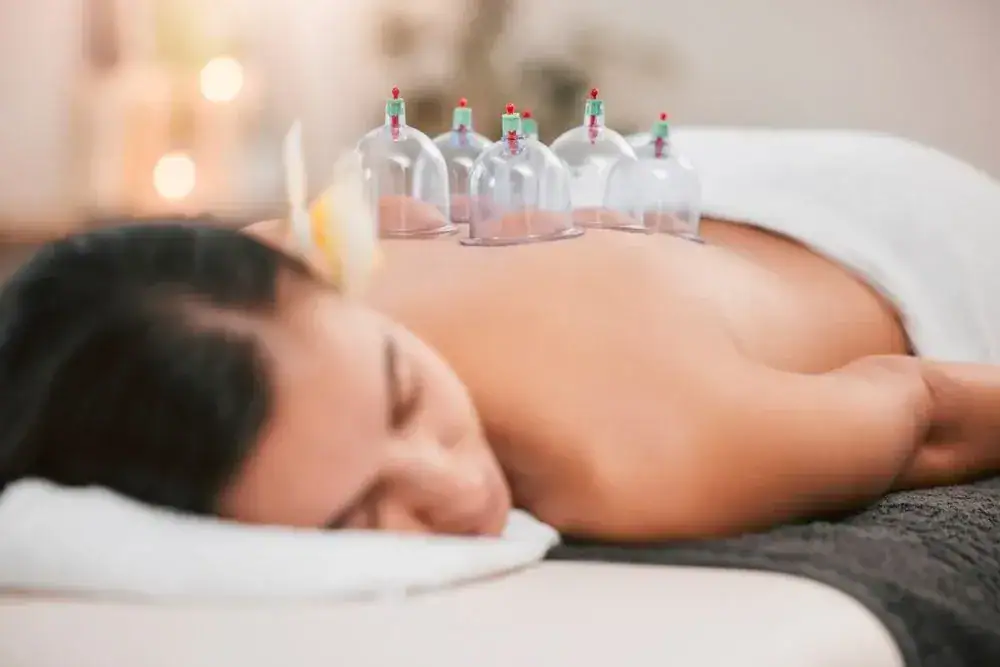

Chronic pain doesn’t fade because damaged tissue isn’t getting what it needs to heal. Blood flow matters. When circulation improves, inflammation drops, muscle tension releases, and your body can finally start repairing itself instead of just compensating.
Cupping therapy creates that shift. The suction pulls fresh blood into areas that have been starved of oxygen and nutrients. Tight muscles loosen. Trigger points calm down. Lactic acid that’s been sitting deep in tissue gets flushed out.
You’re not masking symptoms. You’re addressing why the pain showed up in the first place. That’s why people dealing with chronic back pain, neck stiffness, shoulder tension, or limited mobility after surgery see real improvement. Your body does the healing when it has the right conditions.
We operate multiple locations across Long Island, including our affiliated centers in Smithtown and Speonk. We’ve built a reputation in communities like Malverne Park Oaks, Lynbrook, Valley Stream, and Rockville Centre by keeping things straightforward and effective.
Our approach combines traditional physical therapy with proven complementary treatments like cupping. We don’t use cupping on everyone, but when it fits your condition and goals, it’s a tool that speeds recovery and reduces pain without adding medications or invasive procedures.
Every treatment plan is personalized. We manage your care from evaluation through discharge, and we’re transparent about what’s working and what needs adjustment. You’ll know what to expect at every appointment.
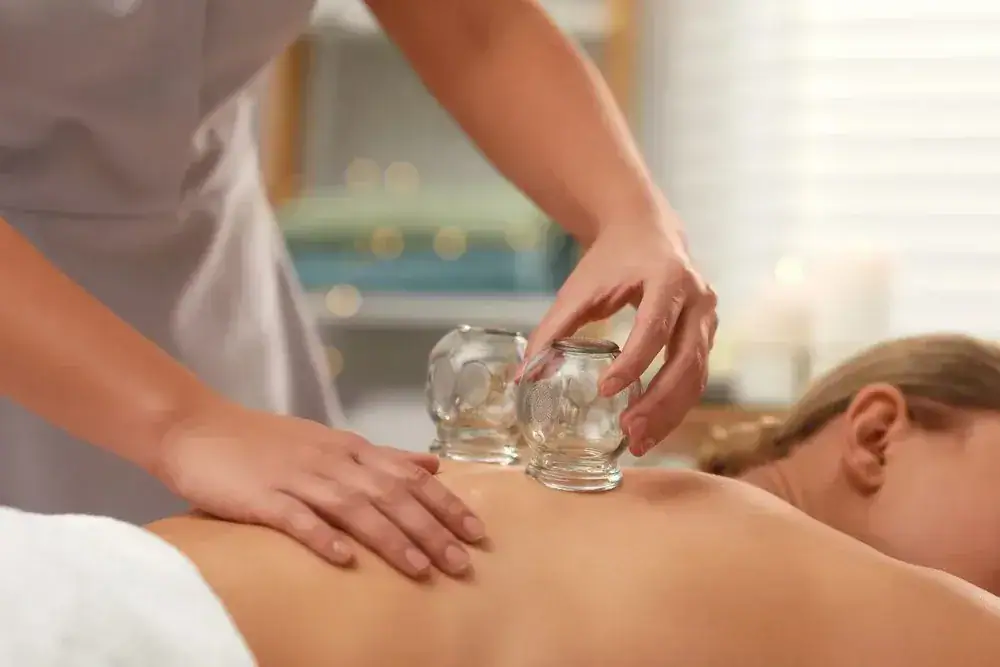
Your first visit starts with an evaluation. We assess your pain, mobility, medical history, and treatment goals. If cupping makes sense for your condition, we’ll explain how it fits into your overall physical therapy plan.
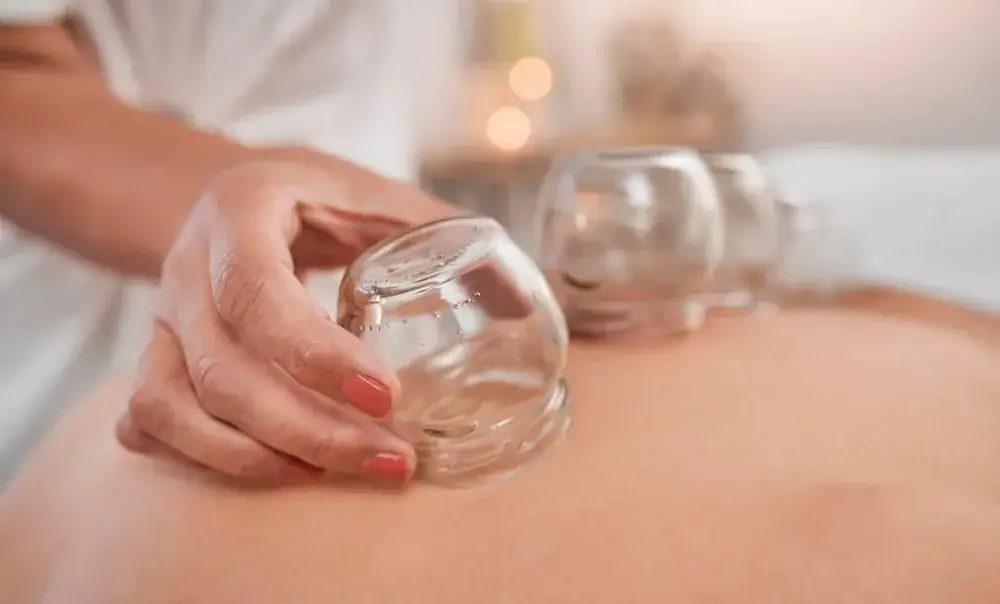
During the session, we place cups on specific areas where muscle tension, pain, or restricted blood flow are causing problems. The suction draws tissue upward, increasing circulation to that spot. Most people feel immediate relief in tight areas. The cups stay in place for several minutes while your therapist may work on other areas or let the treatment do its job.
Dry cupping is the most common method we use. It’s non-invasive, and while you might see circular marks on your skin afterward, they’re painless and fade within a few days. Those marks show where blood flow was increased.
We often combine cupping with manual therapy, stretching, or strengthening exercises during the same appointment. The goal is to reduce your pain and improve function as quickly as possible so you can get back to your life.
Ready to get started?
Cupping works well for muscle-related pain and tension. If you’re recovering from surgery and dealing with scar tissue or restricted movement, it helps. Athletes managing soreness or trying to speed up recovery between training sessions see results. People with fibromyalgia, chronic neck pain, or low back pain that hasn’t responded well to other treatments often find relief.
In Malverne Park Oaks and surrounding Nassau County areas, we see a lot of people who’ve tried physical therapy elsewhere without improvement. They’re still using a cane, still avoiding activities they love, still taking pain medication daily. Cupping doesn’t replace physical therapy—it enhances it by addressing circulation and tissue quality in ways manual therapy alone can’t always reach.
You might also benefit if you’re looking to avoid surgery or reduce reliance on medications. Cupping offers a non-invasive option that works with your body’s natural healing process. It’s been used for thousands of years, and recent research continues to support its effectiveness for pain management and muscle relaxation.
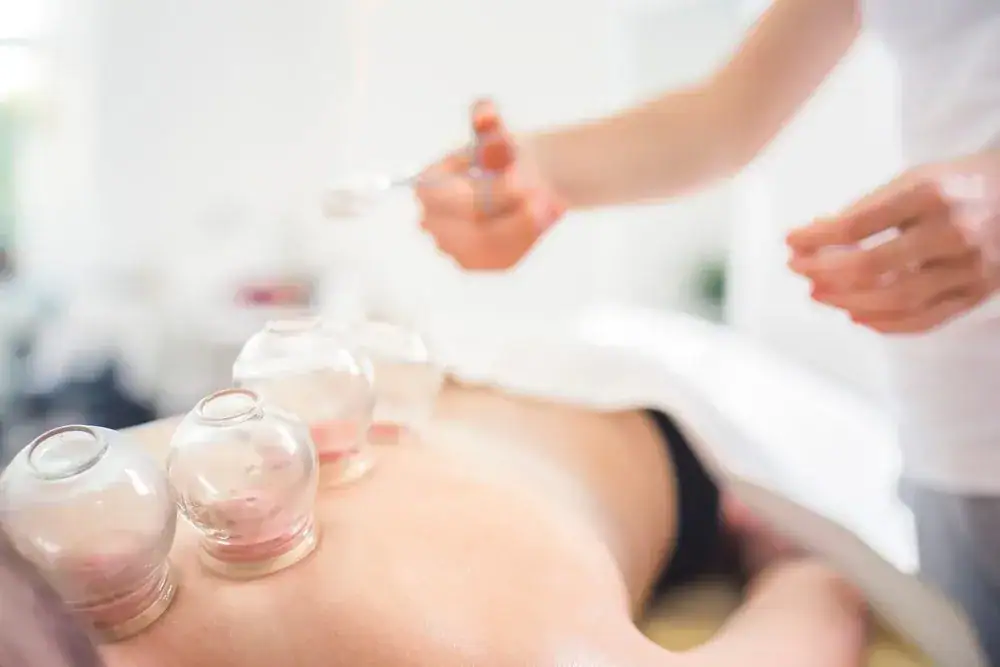
Cupping addresses the underlying tissue problems that cause chronic pain, not just the symptoms. When you improve blood flow to an area that’s been tight or inflamed for months, you’re giving damaged tissue what it needs to heal. That’s different from pain medication, which only dulls your perception of the problem.
Research supports cupping for conditions like chronic neck pain, low back pain, and fibromyalgia. The U.S. National Institutes of Health has allocated funding specifically for alternative medicine research, including cupping, because the clinical results are worth investigating further.
Most people notice some immediate relief after their first session—muscles feel looser, pain decreases. But lasting results come from consistent treatment combined with physical therapy. We’re not just putting cups on you and sending you home. We’re integrating cupping into a complete plan that includes strengthening, mobility work, and education so the pain doesn’t come back.
Cupping is a technique we use within physical therapy—it’s not a replacement. Physical therapy includes evaluation, manual therapy, therapeutic exercise, and education. Cupping is one tool that enhances those treatments by improving circulation and releasing muscle tension in ways hands-on therapy sometimes can’t reach as effectively.
Think of it this way: manual therapy works from the outside in. Cupping creates suction that pulls tissue upward, increasing blood flow from the inside out. When we combine both approaches, you get better results faster.
Not everyone needs cupping. Some conditions respond perfectly well to traditional physical therapy alone. But when you’re dealing with deep muscle tension, trigger points, or areas where blood flow has been restricted due to injury or chronic pain, adding cupping to your treatment plan often makes a significant difference. Your therapist will recommend it only if it’s appropriate for your specific condition.
Yes, cupping typically leaves circular marks that look like bruises, but they don’t hurt. Those marks show where blood flow was increased during treatment. They’re actually a sign the therapy is working—fresh blood rushed to areas that needed it. The marks usually fade within three to seven days.
The treatment itself isn’t painful. You’ll feel suction and tightness where the cups are placed, and some areas might feel tender if there’s significant muscle tension or inflammation. Most people describe it as a deep pressure sensation that’s actually relieving, not uncomfortable.
If you have an event coming up where the marks would be visible and problematic, let your therapist know beforehand. We can adjust cup placement or intensity. But for most people, the marks are a small trade-off for the pain relief and improved mobility they experience afterward.
That depends entirely on your condition, how long you’ve had pain, and how your body responds to treatment. Some people feel significantly better after two or three sessions. Others with chronic conditions or complex injuries need ongoing treatment over several weeks.
During your evaluation, we’ll give you a realistic timeline based on what we’re seeing. We’re not going to string you along with vague promises. If cupping isn’t producing results within a reasonable timeframe, we’ll adjust your treatment plan.
Most patients come once or twice a week initially, then taper off as pain decreases and function improves. We combine cupping with exercises you can do at home to speed up recovery. The goal is always to get you better as quickly as possible—not to keep you coming back indefinitely.
Cupping is typically included as part of your physical therapy treatment, so if your insurance covers physical therapy, you’re covered. We bill it under your physical therapy visit, not as a separate service. That means you’re not paying extra out of pocket just to add cupping to your session.
Insurance coverage varies depending on your plan, deductible, and whether you need a referral. We verify your benefits before you start treatment so you know exactly what to expect. There are no surprise bills.
If you don’t have insurance or prefer to pay out of pocket, we can discuss those options during your evaluation. Our focus is on getting you the treatment that works, and we’ll work with you on the financial side to make that happen.
Yes, cupping integrates well with most other treatments. Many of our patients are also seeing chiropractors, getting massage therapy, or working with acupuncturists. Cupping complements those approaches because it addresses circulation and muscle tension from a different angle.
Let us know what other treatments you’re receiving during your evaluation. We’ll coordinate with your other providers if needed to make sure everything works together. There are very few situations where cupping would conflict with another therapy.
If you’re taking certain medications or have specific medical conditions like blood clotting disorders, we’ll review those during your intake. Safety comes first, and we’ll adjust your treatment plan accordingly. But for most people, adding cupping to their existing care plan only improves outcomes.
Other Services we provide in Malverne Park Oaks