
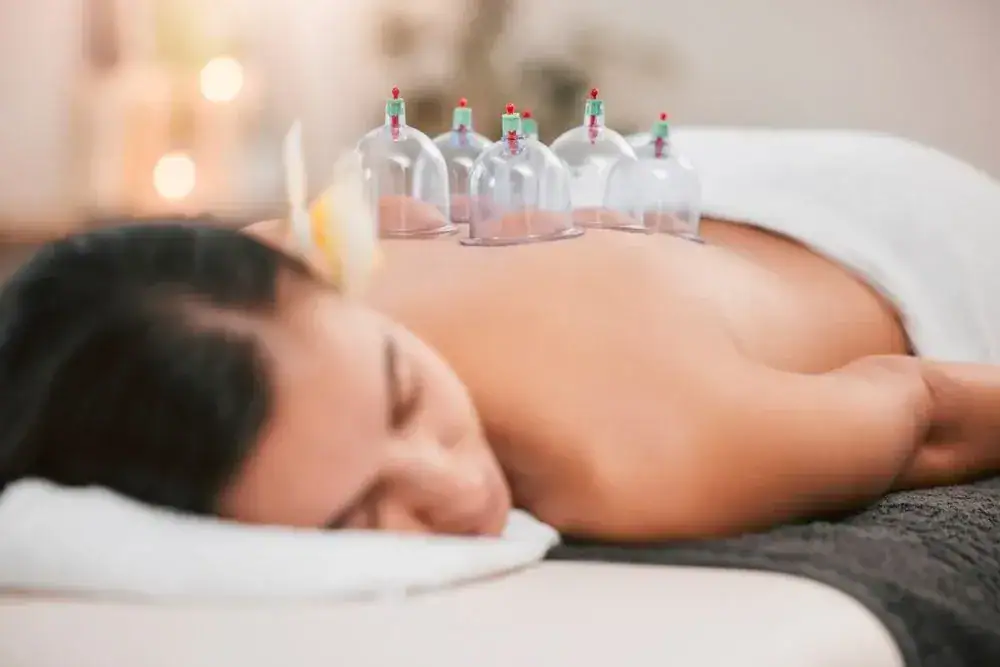

You’ve tried heat. Ice. Stretching. Maybe even medications that didn’t touch the problem or left you feeling worse. Cupping therapy works differently because it pulls instead of pushes, creating space in tight tissue so blood can flow, inflammation can drain, and your body can actually heal.
Most people feel something shift in the first session. Not a temporary distraction from pain, but actual relief. Your shoulders drop. Your neck turns without that sharp catch. You sleep through the night because your back isn’t screaming at you.
Dry cupping creates suction that lifts muscle and fascia away from bone, breaking up adhesions and trigger points that manual pressure alone can’t reach. It’s why athletes use it before competition and why people dealing with chronic pain finally get results after everything else failed. The cups do the work while you rest, and the effects build with each session.
We’ve been bringing licensed physical therapy to homes across Long Island for over a decade. We’re not a wellness spa offering cupping as an add-on. We’re physical therapists who use cupping as part of a real treatment plan, covered by Medicare and most commercial insurance.
You don’t drive to us. We come to you in Malverne, whether you’re recovering from surgery, managing arthritis, or dealing with pain that won’t quit. Our therapists are trained in modern cupping techniques and know how to combine them with other therapies that actually move the needle on your recovery.
We treat you like family because in a town of 8,400 people, reputation matters. You’ll see the same therapist each visit, someone who knows your history and adjusts your treatment as you improve.
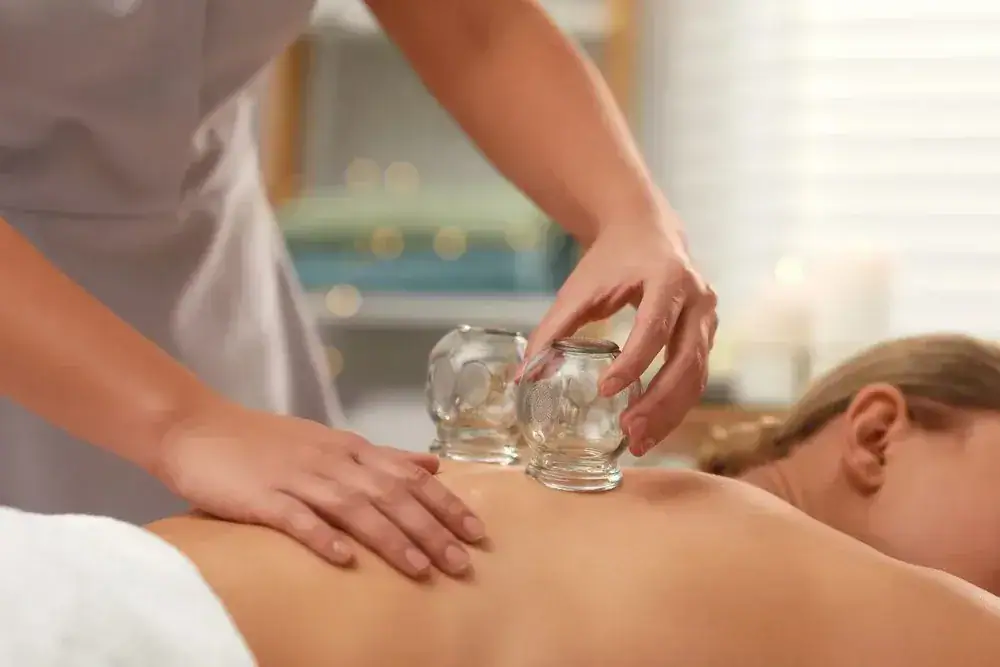
Your first appointment starts with an evaluation. We ask about your pain, when it started, what makes it worse, and what you’ve already tried. Then we check your range of motion and identify exactly where the problem is, not just where it hurts.
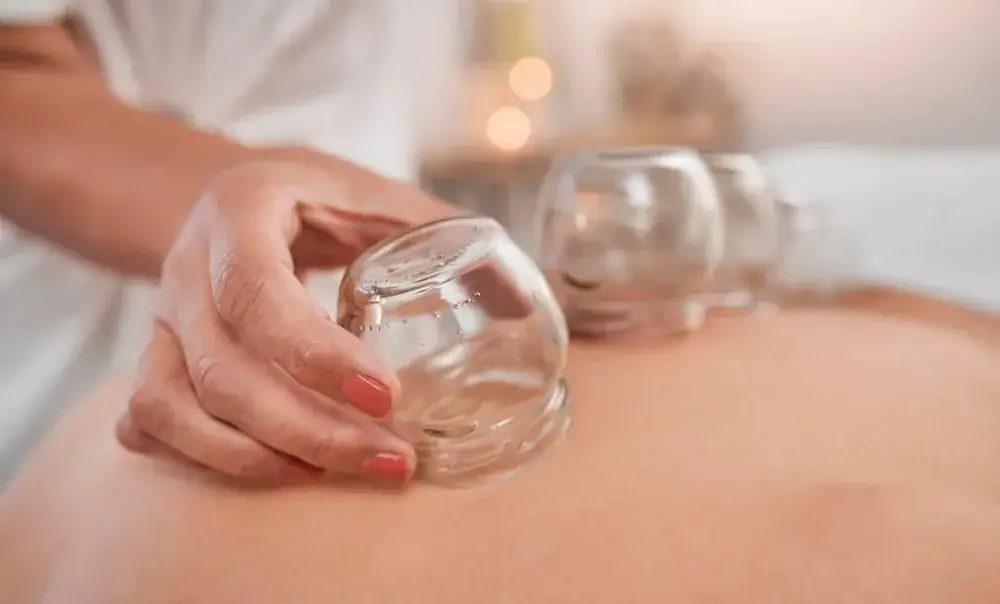
During cupping, we place specialized cups on your skin and create suction, either with a pump or heat. You’ll feel a pulling sensation, tight but not painful. The cups stay in place for 5 to 15 minutes while they draw blood to the surface and decompress the tissue underneath. Some of our therapists use sliding cupping, moving the cups across your muscles to release larger areas of tension.
After we remove the cups, you might see circular marks that look like bruises. They’re not. They’re blood and metabolic waste being pulled to the surface so your body can clear it out. The marks fade in a few days to a week. Most people feel looser immediately and notice less pain within 24 hours.
We usually combine cupping with manual therapy, stretching, or strengthening exercises. It’s not a one-and-done treatment. You’ll likely need several sessions, but you should feel progress each time, not just temporary relief that disappears by tomorrow.
Ready to get started?
Cupping therapy in Malverne isn’t just about the cups. It’s about a licensed physical therapist evaluating your condition, building a treatment plan, and adjusting it based on how you respond. You get a full PT session in your home, which means no fighting traffic on Hempstead Avenue or waiting in a clinic lobby.
We accept Medicare and nearly all commercial insurance, so you’re not paying out of pocket for something that should be covered. Each session typically lasts 45 to 60 minutes, and we schedule around your life, not the other way around.
Cupping works especially well for chronic back pain, neck stiffness, shoulder problems, and muscle tightness from arthritis or old injuries. If you’re an athlete dealing with recurring strains or someone who just can’t shake that nagging pain, this is worth trying. It’s also effective for improving circulation and speeding recovery after surgery or injury.
You’re not committing to months of treatment before seeing results. Many patients notice improvement within one or two sessions. If it’s working, we keep going. If it’s not, we adjust. That’s the advantage of working with a physical therapist instead of someone who only knows one technique.
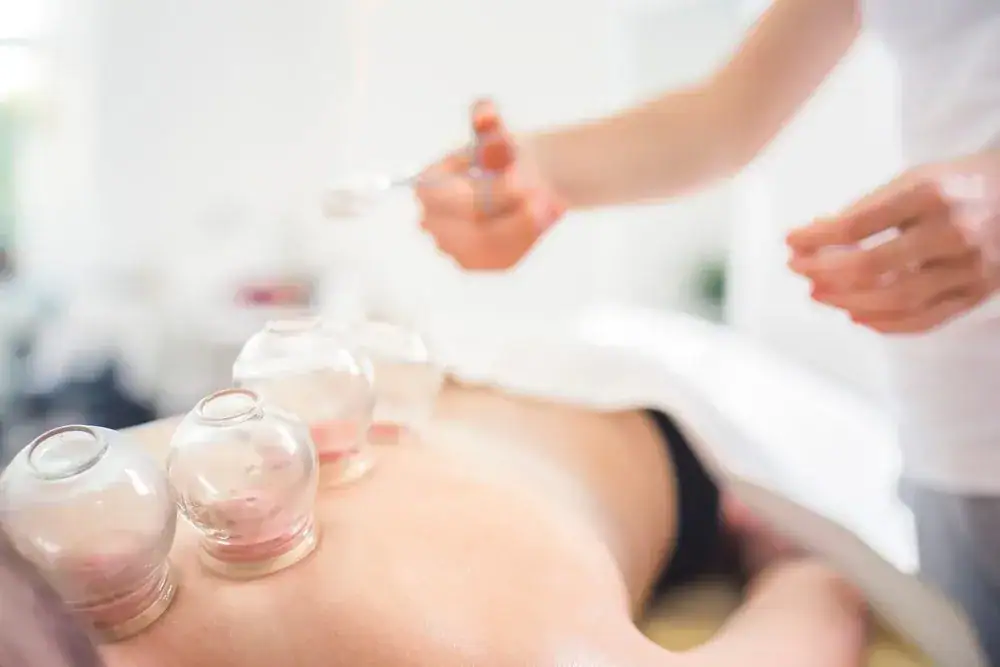
Cupping has been studied in peer-reviewed research and shown to reduce pain, improve range of motion, and decrease muscle tension. It’s not a miracle cure, but it’s also not placebo. The suction creates negative pressure that increases blood flow to the area, helps drain inflammation, and releases fascial restrictions that manual therapy alone can’t always reach.
The reason it works when other treatments haven’t is because it addresses the problem from a different angle. Instead of pushing into tight tissue, cupping pulls it up and away, creating space for healing. That’s why people with chronic back pain, neck stiffness, or joint problems often get relief after trying everything else.
It’s not hype when it’s done by a licensed physical therapist who knows anatomy and can combine cupping with other evidence-based treatments. It becomes hype when it’s marketed as a cure-all with no real plan behind it.
Yes, if it’s part of a physical therapy treatment plan. Medicare covers cupping when it’s performed by a licensed PT as part of your home health services. Most commercial insurance plans also cover it under outpatient physical therapy benefits, though your copay and deductible still apply.
We handle the billing and verification for you. Before your first session, we confirm your coverage so there are no surprises. You’re paying for physical therapy, not a separate cupping service, which is why insurance treats it like any other PT modality.
The key difference is that we come to your home, which is covered under Medicare’s home health benefit if you have difficulty leaving your house due to pain, mobility issues, or recovery from surgery. You don’t need to be homebound in the strictest sense, but there has to be a legitimate reason why in-office therapy isn’t practical.
Most people feel some relief after the first session, but real improvement usually takes three to six sessions. Chronic pain that’s been building for months or years doesn’t disappear in one appointment. Cupping helps break the cycle, but your body still needs time to heal and adapt.
If you’re dealing with acute pain from a recent injury or flare-up, you might only need a few sessions. If it’s a long-term problem like arthritis, recurring back pain, or old scar tissue, expect a longer timeline. We’ll know within the first two or three visits whether cupping is making a difference for you.
The goal isn’t to keep you in treatment forever. It’s to get you functional again and teach you how to maintain the progress. Some patients come back for occasional tune-ups when pain creeps back, but you shouldn’t need weekly sessions indefinitely unless you’re managing a chronic condition.
The marks are caused by blood and metabolic waste being pulled to the surface during suction. They look like bruises but don’t hurt like bruises because there’s no trauma to the tissue. Your body is just moving stagnant fluid out of the area so fresh blood can come in and do the repair work.
The marks usually fade within three to seven days, depending on how much congestion was in the tissue. If you bruise easily or have circulation issues, they might last a bit longer. Some people get very light marks or none at all, which doesn’t mean the treatment isn’t working, just that their tissue responds differently.
You can still go about your normal life with the marks. They’re not painful and they don’t limit your movement. If you’re self-conscious about them, just know they’re temporary and a normal part of the process. Most people stop caring once they feel how much better they move.
Yes, cupping is safe to use alongside most other treatments, including pain medications, injections, and chiropractic care. It’s a low-risk therapy with minimal side effects, and because we’re licensed physical therapists, we know how to coordinate with your other providers.
We’ll ask about your current treatments during the evaluation and make sure there are no contraindications. If you’re on blood thinners, have a skin condition, or are recovering from recent surgery, we’ll adjust the technique or avoid certain areas. Cupping isn’t appropriate for everyone, but for most people dealing with musculoskeletal pain, it’s a safe addition to their care plan.
The advantage of working with a PT is that we’re trained to look at the whole picture. We’re not just doing cupping in isolation. We’re integrating it with exercises, manual therapy, and patient education so you get better faster and stay better longer. If something isn’t working or if we see a red flag, we’ll communicate with your doctor and adjust the plan.
Pain medication masks the problem. Cupping addresses it. Pills can help you get through the day, but they don’t fix tight muscles, restricted fascia, or poor circulation. They also come with side effects, dependency risks, and diminishing returns over time.
Cupping therapy works by improving blood flow, releasing tension, and giving your body the conditions it needs to heal itself. It’s a drug-free option that actually changes what’s happening in the tissue, not just how you perceive it. For people trying to reduce their reliance on medications or avoid stronger prescriptions, it’s a legitimate alternative.
You don’t have to choose one or the other. Many patients use cupping to reduce their pain enough that they can lower their medication dose or stop it altogether. The goal is to give you options that work, not to shame you for taking pills when you need them. But if you’re tired of depending on medication and want to try something that treats the source, cupping is worth your time.
Other Services we provide in Malverne