
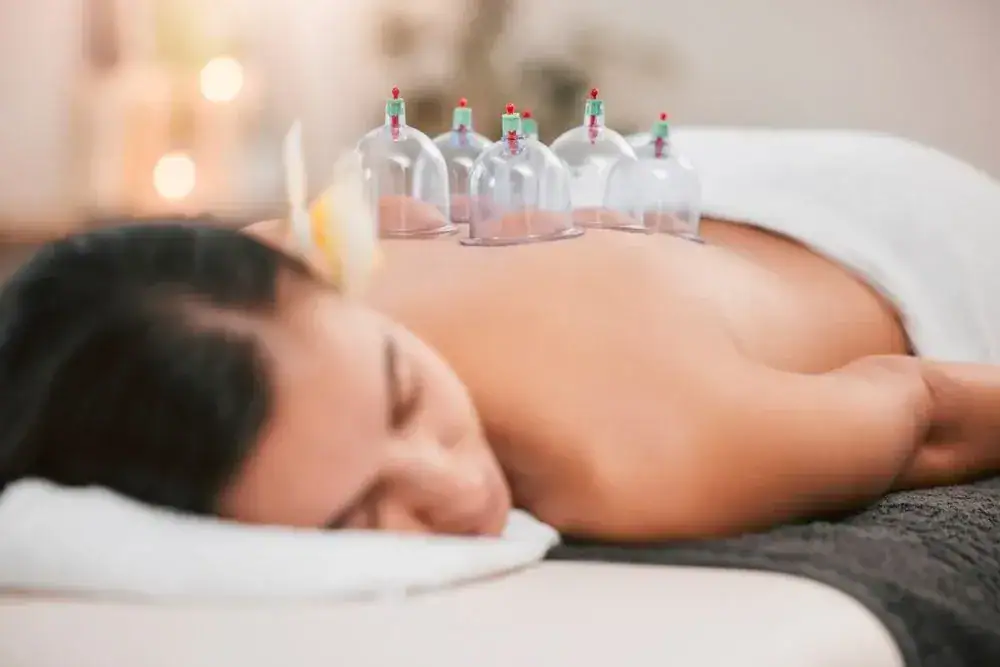

You’re dealing with back pain that won’t quit, neck stiffness that limits how you turn your head, or shoulder tension that makes everyday tasks harder than they should be. You’ve tried heat, ice, stretching, maybe even medication. Nothing seems to stick.
Cupping therapy works by creating suction on your skin that pulls blood to the surface and encourages tight muscle fibers to release. That increased circulation helps reduce inflammation, flush out toxins, and deliver oxygen-rich blood to areas that need healing. The result is less pain, better range of motion, and muscles that actually relax instead of staying locked up.
Most people notice the difference within the first few sessions. You might sleep better because your neck isn’t throbbing. You might reach for something on a high shelf without wincing. Small wins that add up to getting your normal life back.
We’ve been helping people across Long Island manage pain and recover mobility for over a decade. We’re not new to this, and we’re not experimenting with your care.
Our team includes licensed physical therapists trained in cupping therapy, dry cupping techniques, and complementary treatments that address the root cause of your discomfort. We accept Medicare and most commercial insurance plans, which matters when you’re already dealing with medical bills and don’t need another financial headache.
Lynbrook residents come to us because we treat each person like family, not a number. You’ll work with the same therapist who understands your history, your goals, and what’s actually realistic for your body. We also offer home-based therapy for those who struggle to leave the house, because accessibility shouldn’t be a barrier to getting better.
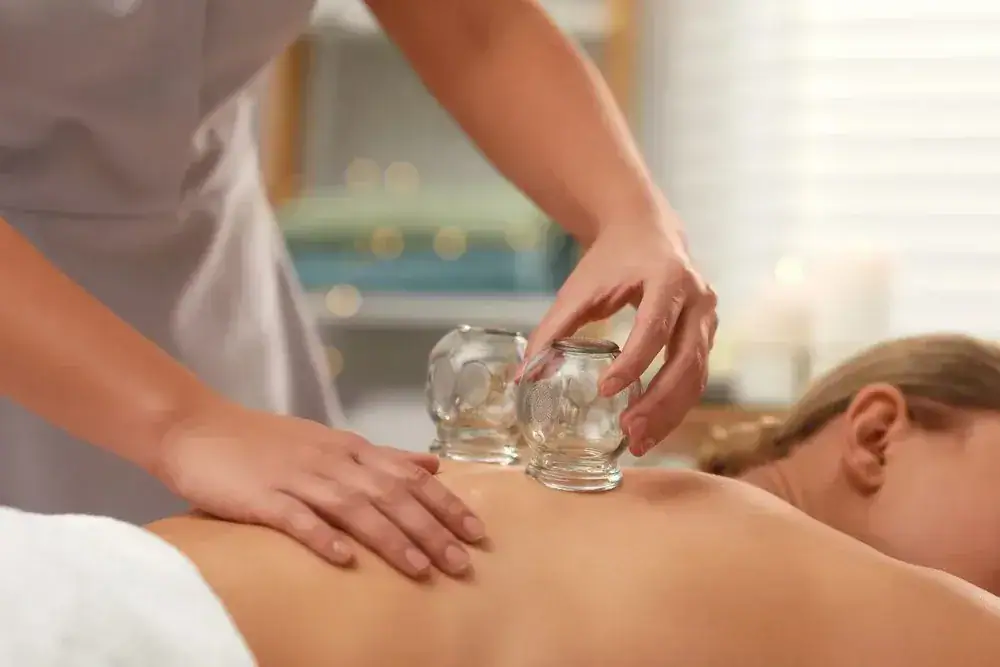
Your first visit starts with an evaluation. We need to understand where your pain is, how long you’ve had it, and what makes it worse or better. This isn’t a questionnaire you fill out alone—it’s a conversation with a licensed therapist who’s looking for the real problem, not just the symptoms.
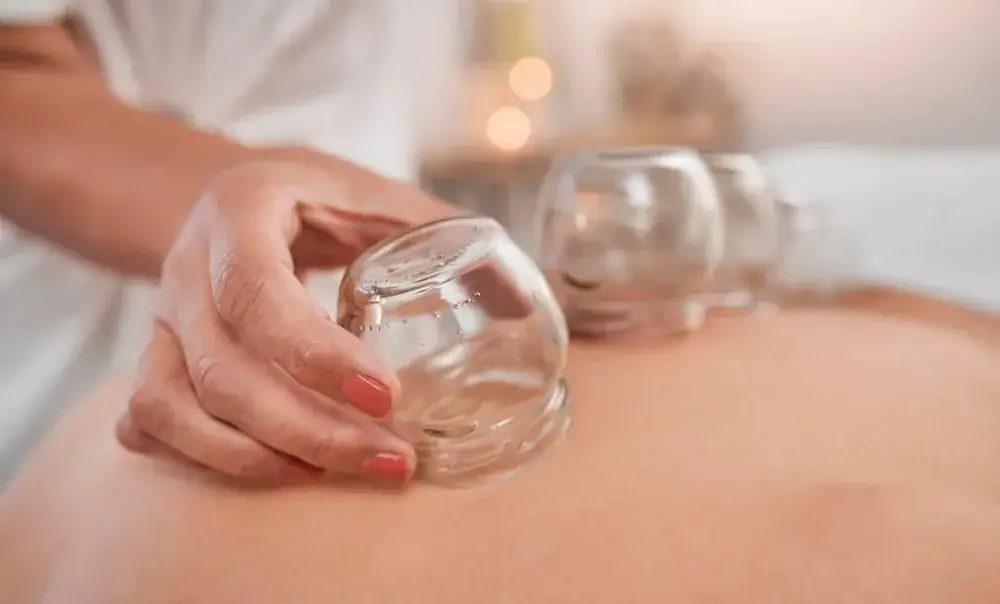
Once we know what we’re treating, we’ll apply cups to the affected areas. These are typically glass or silicone cups that create suction on your skin. The suction draws blood to the surface, which is why you’ll see round red marks afterward. Those marks aren’t bruises—they’re a sign that stagnant blood and tension are being released. They usually fade within a week or two.
Each cup stays on for about five to ten minutes. Some people feel immediate relief. Others need a few sessions before they notice significant changes. We’ll often combine cupping with other physical therapy techniques like stretching, manual therapy, or targeted exercises to give you the best shot at long-term improvement.
You’re not locked into anything. If cupping doesn’t feel right for your body, we’ll adjust the plan. The goal is progress, not checking boxes.
Ready to get started?
Dry cupping is the most common form we use at Medcare. It involves placing cups on your skin without any incisions or bloodletting, which keeps things simple and low-risk. The suction alone is enough to increase blood flow, reduce muscle tightness, and improve your range of motion.
We typically focus on areas like your back, neck, shoulders, and legs—places where chronic pain and tension tend to settle. If you’re an athlete dealing with soreness or recovery issues, cupping can help speed up healing and get you back to training faster. If you’re just trying to make it through your workday without constant discomfort, it works for that too.
Lynbrook has a mix of active adults, older residents managing age-related pain, and people recovering from injuries. Cupping fits into all of those scenarios because it’s adaptable. You don’t need to be in perfect shape to benefit from it, and you don’t need to commit to months of treatment before seeing results.
Sessions usually last between ten and fifteen minutes for the cupping portion, though your full appointment may run longer depending on what else we’re addressing. Pricing varies based on your insurance coverage, but most people pay between twenty and two hundred dollars per session depending on their plan and treatment goals.
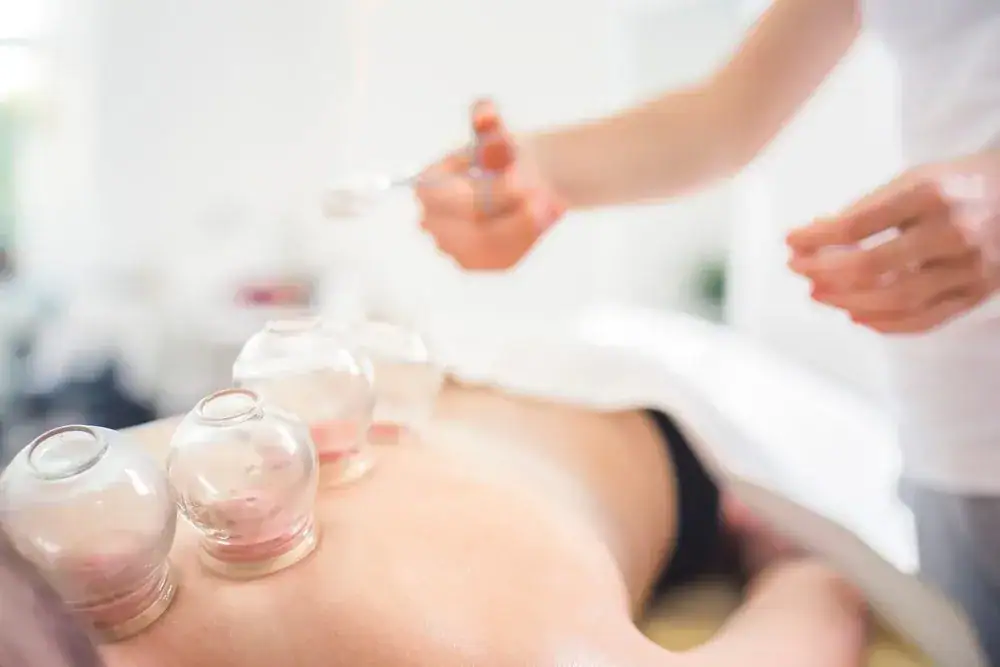
Yes, but it’s not magic. Cupping therapy has moderate-quality evidence supporting its use for chronic pain, including low back pain and neck pain. The suction increases blood flow to tight, inflamed areas and helps release muscle fibers that have been locked up for weeks or months.
That said, cupping works best when it’s part of a broader treatment plan. If your back pain is caused by weak core muscles, poor posture, or a specific injury, cupping alone won’t fix the underlying issue. But it can reduce your pain enough that you’re able to do the exercises and stretches that actually address the root cause.
Most people notice some relief after the first session, but lasting results usually take three to five sessions. If you’re not seeing any improvement after that, we’ll reassess and try a different approach.
Yes, you’ll have round red or purple marks where the cups were placed. They look dramatic, but they’re not painful and they’re not bruises in the traditional sense. The marks are caused by blood being drawn to the surface, which is exactly what we want to happen.
These marks typically fade within a week or two. Some people’s marks disappear faster, others take a bit longer depending on skin type and how much tension was in the area. If you have an event coming up where you’ll be showing your back or shoulders, let us know ahead of time so we can plan accordingly.
The marks don’t hurt. Most people forget they’re there until they catch a glimpse in the mirror. If you’re concerned about how they look, just know that they’re temporary and they’re a normal part of the process.
The cupping portion itself usually lasts ten to fifteen minutes. Cups are placed on your skin and left there for five to ten minutes each, depending on what we’re treating and how your body responds.
Your full appointment will likely run longer because we don’t just slap cups on and call it a day. We’ll spend time evaluating your pain, discussing what’s working and what’s not, and potentially combining cupping with other physical therapy techniques like stretching, manual therapy, or strengthening exercises.
Plan for a thirty to forty-five minute appointment if it’s your first visit. Follow-up sessions are usually shorter, but it depends on your specific treatment plan. We’re not rushing you out the door, but we’re also not wasting your time with unnecessary steps.
It depends on your plan. We accept Medicare and nearly all commercial insurance plans, but coverage for cupping therapy specifically varies by carrier. Some plans cover it when it’s part of a physical therapy treatment plan. Others don’t.
The best move is to call your insurance company and ask if cupping therapy or alternative physical therapy treatments are covered under your plan. If they are, great. If not, we can give you an estimate of out-of-pocket costs so you know what you’re dealing with before you commit.
We’re not trying to surprise you with bills. If insurance won’t cover it and the cost doesn’t work for you, we’ll talk through other treatment options that might be more affordable while still addressing your pain.
Absolutely. Muscle tension and stiffness are some of the most common reasons people try cupping therapy, and it’s one of the areas where it tends to work well. The suction releases trapped tension within the muscle fibers and encourages them to relax instead of staying contracted.
If you’ve been dealing with tight shoulders from sitting at a desk all day, stiff legs from overtraining, or a neck that won’t loosen up no matter how much you stretch, cupping can help. It’s especially useful when combined with targeted stretching and strengthening exercises that prevent the tension from coming back.
You’ll likely feel looser and more mobile after your first session. That doesn’t mean the problem is solved forever, but it’s a start. Consistency matters here—one session might give you temporary relief, but a few sessions over a couple of weeks will give you more lasting results.
Cupping uses suction to pull blood and tissue upward, while massage uses pressure to push down into muscles. Both can reduce pain and tension, but they work in different ways and feel completely different.
Cupping is better for targeting specific areas of stagnant blood flow, deep muscle tension, or localized pain. Massage is better for overall relaxation, working out knots, and addressing larger muscle groups. Some therapists combine both techniques in the same session, which can be effective if your pain is complex or widespread.
At Medcare, we use cupping as part of a physical therapy plan, not as a standalone spa treatment. That means we’re focused on functional improvement—getting you moving better, reducing pain, and helping you return to normal activities. If you’re looking for relaxation and stress relief, massage might be a better fit. If you’re looking for targeted pain relief and mobility improvement, cupping is worth trying.
Other Services we provide in Lynbrook