
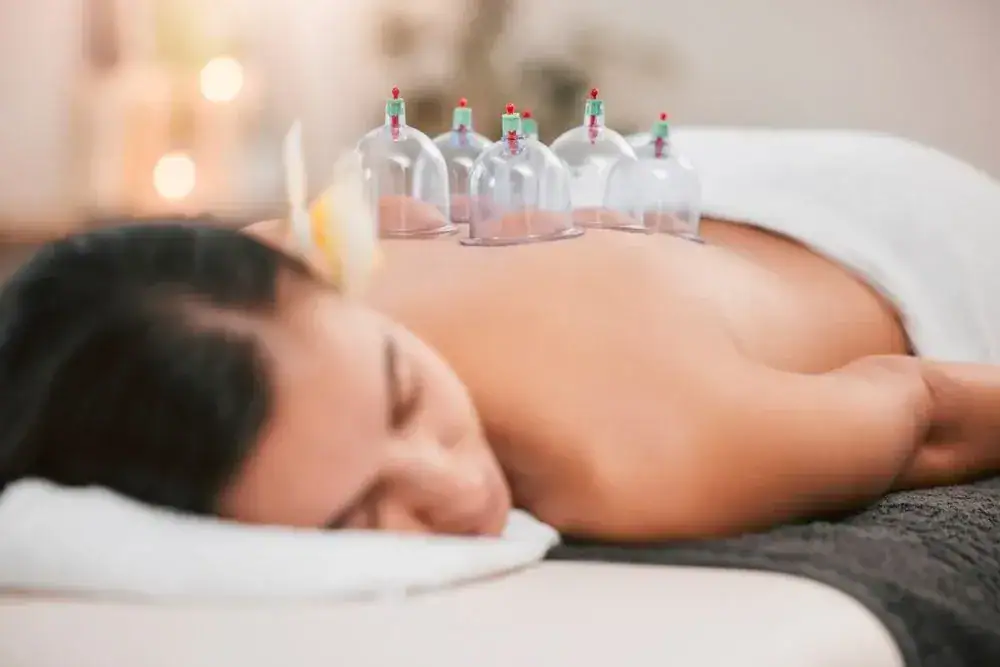

You’ve probably tried heat, ice, stretching, maybe even injections. The pain comes back. Your lower back tightens up by midday. Your neck won’t turn all the way. You’re tired of working around it.
Cupping therapy addresses muscle tightness and restricted blood flow at the source. The suction pulls tissue upward, creating space between layers that have been compressed or stuck. Blood moves in. Inflammation starts to drop. Range of motion improves because the tissue isn’t fighting itself anymore.
This isn’t about temporary relief. It’s about giving your body the conditions it needs to actually heal. Most people notice less stiffness after the first session. By the third or fourth, they’re moving differently—bending without bracing, turning without wincing, sleeping through the night.
You’re not managing pain anymore. You’re addressing why it’s there in the first place.
We’ve been serving Levittown, NY and the surrounding Nassau County communities with hands-on physical therapy that actually works. We’re not a high-volume clinic where you’re rushed through a protocol. Every treatment plan is built around what’s going on with your body, not a template.
Our therapists are trained in cupping therapy, dry needling, manual therapy, and other techniques that go beyond standard exercises. We manage our own facilities, verify our credentials, and keep tight control over who has access to patient information. That’s not standard everywhere, but it should be.
Levittown has over 700 physical therapists within a 12-mile radius. You have options. What sets us apart is consistency—same team, same standards, same level of care whether you’re at our Smithtown or Speonk location. We’ve built our reputation on being accessible, transparent, and effective.
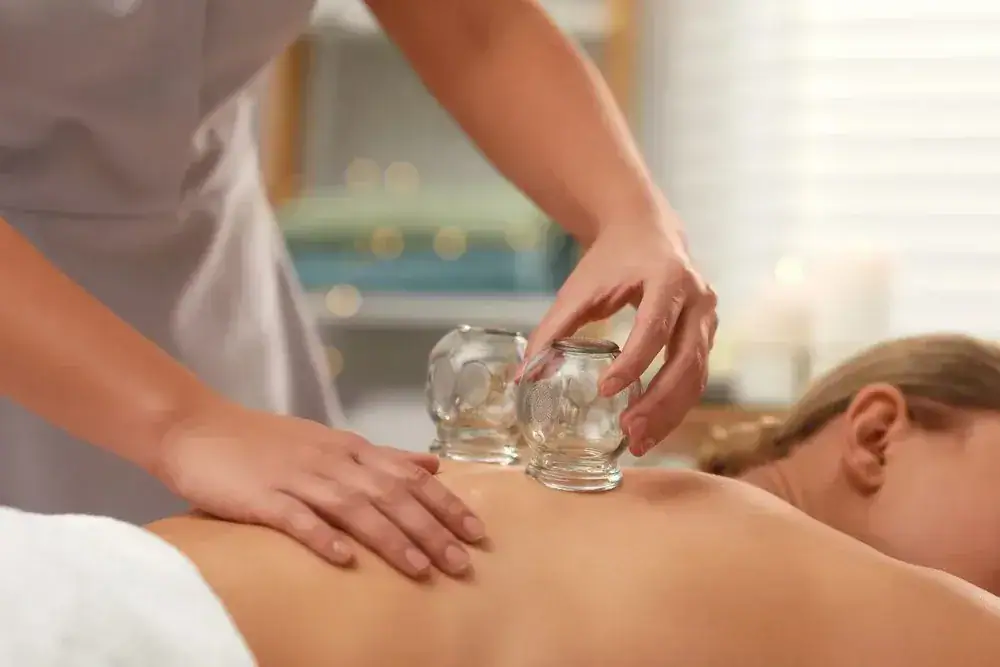
Your first visit starts with an evaluation. We ask about your pain—where it is, how long you’ve had it, what makes it worse. We test your range of motion and check how your muscles respond to pressure. This tells us whether cupping is the right fit or if we need to combine it with other treatments.
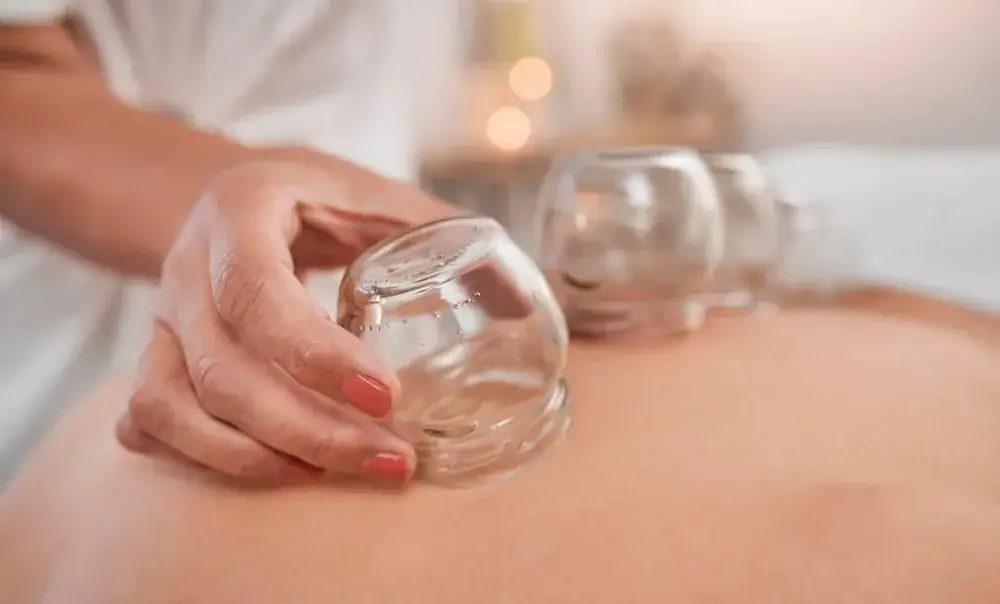
During the session, we place cups on the affected area and create suction using either a pump or heat. The cups stay on for 5 to 15 minutes depending on the technique. You’ll feel a pulling sensation, but it shouldn’t hurt. Some people find it relaxing. The suction increases blood flow, loosens tight fascia, and helps release trigger points that have been locked up.
Afterward, you might see circular marks where the cups were placed. Those aren’t bruises—they’re a sign of increased circulation. They fade within a few days. Most people feel looser right away, though the full effect builds over multiple sessions.
We usually recommend starting with two sessions per week, then tapering off as your body responds. Some conditions improve in three to four weeks. Others take longer. We adjust based on what’s actually happening, not a fixed schedule.
Ready to get started?
Cupping therapy at Medcare isn’t a standalone treatment. It’s part of a broader physical therapy plan that might include manual therapy, targeted exercises, and education on how to move without re-injuring yourself. We use dry cupping, which is safer and more comfortable than wet cupping, and it integrates well with other modalities.
In Levittown and across Long Island, chronic pain is common. Between desk jobs, long commutes, and an aging population, we see a lot of lower back pain, neck stiffness, shoulder impingement, and knee issues. Cupping works well for all of these because it addresses the soft tissue component that’s often overlooked.
You’re not just lying on a table while cups do the work. We’re teaching you why the pain developed and how to prevent it from coming back. That might mean adjusting how you sit, strengthening specific muscle groups, or changing how you lift things at home. The cupping reduces the pain enough that you can actually do the rehab work without compensating.
We accept most insurance plans, and we’ll verify your coverage before you start. No surprises. If you’re paying out of pocket, we’ll tell you upfront what it costs. Cupping is considered a low-cost therapy compared to injections or surgery, and the results tend to last longer when combined with proper physical therapy.
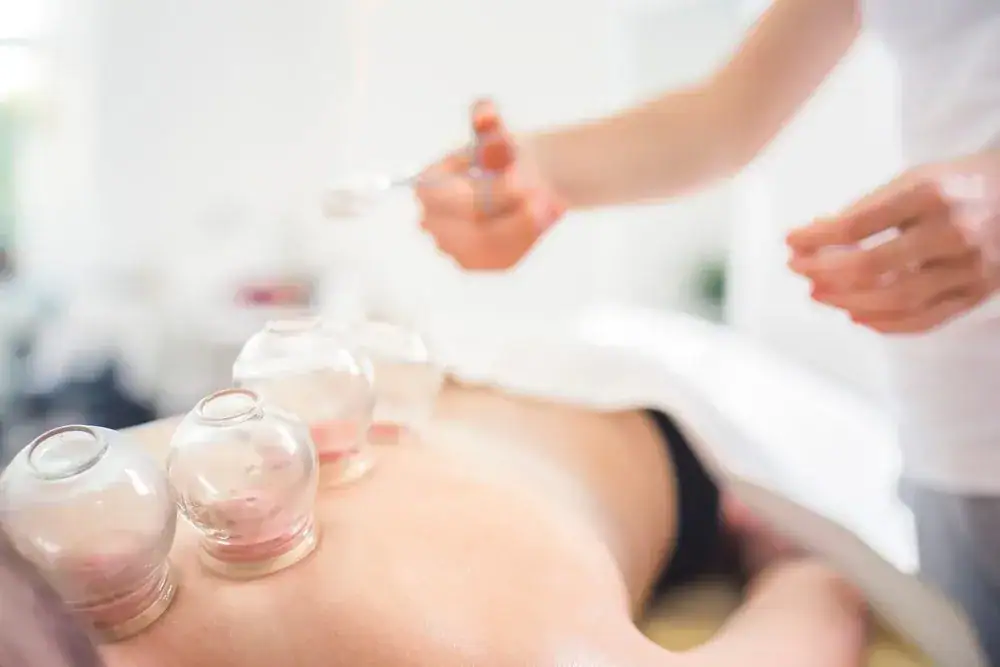
Yes, and the research backs it up. Studies show that cupping therapy significantly reduces chronic lower back pain and improves function, especially when combined with physical therapy. It works by increasing blood flow to the affected area, releasing tight fascia, and reducing muscle stiffness that’s been building up over time.
The key is consistency. One session might give you temporary relief, but chronic pain didn’t develop overnight, and it won’t disappear after a single treatment. Most people start noticing real improvement after three to four sessions, and the results build from there.
Cupping isn’t a cure-all, but it’s one of the most effective non-invasive options for back pain that hasn’t responded to other treatments. If you’ve been dealing with stiffness, limited mobility, or pain that flares up after sitting or standing too long, it’s worth trying.
Dry cupping uses suction alone to pull tissue upward and increase circulation. Wet cupping involves making small incisions in the skin before applying the cups, which draws out a small amount of blood. In Western physical therapy settings, we use dry cupping almost exclusively because it’s safer, less invasive, and just as effective for musculoskeletal pain.
Dry cupping has significantly lower risks. There’s no bleeding, no open wounds, and no risk of infection from incisions. You might see circular marks on your skin afterward, but those fade within a few days and aren’t painful.
Both methods have been used for thousands of years, but dry cupping is better suited for the conditions we treat—muscle tightness, joint pain, restricted range of motion, and chronic inflammation. It integrates smoothly with other physical therapy techniques, and most people tolerate it well without any side effects.
Most people feel some relief after the first session—less tightness, easier movement, reduced pain when bending or twisting. But lasting results take a few weeks. Your body needs time to respond to the increased blood flow and tissue release that cupping provides.
We typically recommend starting with two sessions per week for the first two to three weeks, then reducing frequency as your symptoms improve. By week four, many people notice they’re moving without thinking about it—getting out of the car, reaching overhead, bending down—all the things that used to hurt.
The timeline depends on what we’re treating. Acute muscle strain might resolve in two to three weeks. Chronic neck pain or shoulder issues that have been building for years might take six to eight weeks of consistent treatment. We track your progress and adjust the plan based on how your body responds, not a generic protocol.
Cupping is one of the safest therapies we offer. When performed by a trained physical therapist, the risks are minimal. The most common side effect is temporary circular marks where the cups were placed, which fade within three to seven days. Some people experience mild soreness afterward, similar to what you’d feel after a deep tissue massage.
Serious side effects are rare. Occasionally, someone might feel lightheaded during the session, but that usually resolves quickly. We monitor how you’re responding throughout the treatment and adjust the suction level if needed.
Cupping isn’t recommended if you have certain skin conditions, are on blood thinners, or are pregnant. We’ll go over your medical history during the evaluation to make sure it’s safe for you. Compared to medications, injections, or surgery, cupping has a much lower risk profile and no long-term side effects.
Absolutely. Professional athletes use cupping therapy regularly because it speeds up recovery, reduces muscle soreness, and improves range of motion after intense training or competition. It works by increasing circulation to fatigued muscles, which helps clear out metabolic waste and deliver oxygen and nutrients needed for repair.
If you’ve strained a muscle, cupping can reduce inflammation and promote healing without the downtime that comes with more invasive treatments. It’s particularly effective for hamstring strains, shoulder impingement, IT band tightness, and calf injuries—all common in runners, weightlifters, and weekend athletes.
We combine cupping with targeted exercises and manual therapy to address not just the injury, but the movement patterns that caused it. That means you’re less likely to re-injure yourself once you’re back to full activity. Whether you’re training for a race or just trying to stay active without pain, cupping can be a key part of your recovery plan.
In New York, you can access physical therapy without a physician referral for up to 10 visits or 30 days, whichever comes first. After that, you’ll need a referral if you want insurance to continue covering treatment. If you’re paying out of pocket, no referral is required at any point.
We recommend checking with your insurance provider before your first visit to understand your coverage. Some plans require a referral upfront, while others allow direct access to physical therapy. We’ll verify your benefits and let you know exactly what’s covered before you start treatment.
If you do need a referral, we can coordinate with your primary care doctor or specialist to make the process as smooth as possible. Our goal is to get you in quickly so you’re not waiting weeks while the pain gets worse. Most of our patients are able to schedule their first appointment within a few days of calling.
Other Services we provide in Levittown