
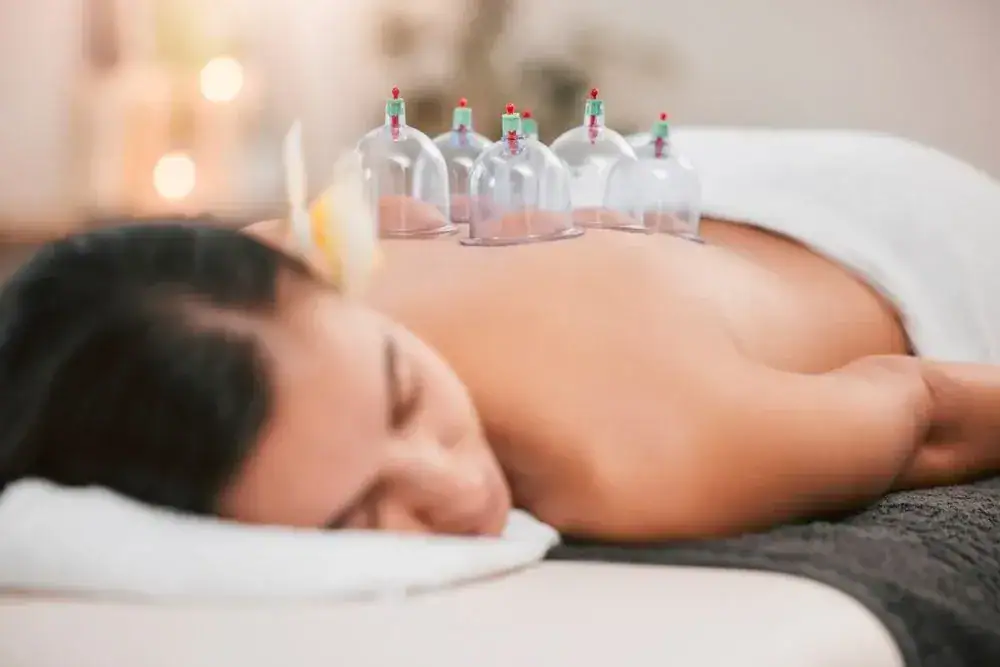

Chronic pain changes how you live. It keeps you from playing with your grandkids, makes sleeping through the night impossible, and turns simple tasks like reaching overhead or bending down into calculated risks. You’ve probably tried medications that either don’t work well enough or come with side effects you’d rather avoid.
Cupping therapy works by increasing blood flow to areas where your muscles have been tight for too long. The suction draws fresh circulation into tissue that’s been starved of it, helping your body do what it’s been trying to do all along: heal itself. Most people notice their range of motion improving within the first few sessions, and that constant background ache starts to quiet down.
This isn’t a magic cure. It’s a physical therapy technique that addresses muscle tension, reduces inflammation, and helps your nervous system calm down. When combined with targeted exercises and proper movement patterns, cupping gives your body the reset it needs to actually recover instead of just masking symptoms.
We’ve been providing in-home physical therapy across Long Island since 2010. Our therapists are licensed, Medicare-certified, and trained in modern cupping techniques that integrate with comprehensive physical therapy treatment plans.
We know Laurel. We know the challenges of getting to appointments when you’re already in pain, especially for older adults or anyone with limited mobility. That’s why we bring the same quality care you’d receive in a clinic directly to your home—no commute, no waiting room, no rushing through your session because the next patient is already there.
Our affiliated centers, including Physical Therapy Associates of Smithtown and Speonk Physical Therapy, have been serving the community for over two decades. We accept Medicare and most commercial insurance plans, and we handle the verification and paperwork so you can focus on getting better.
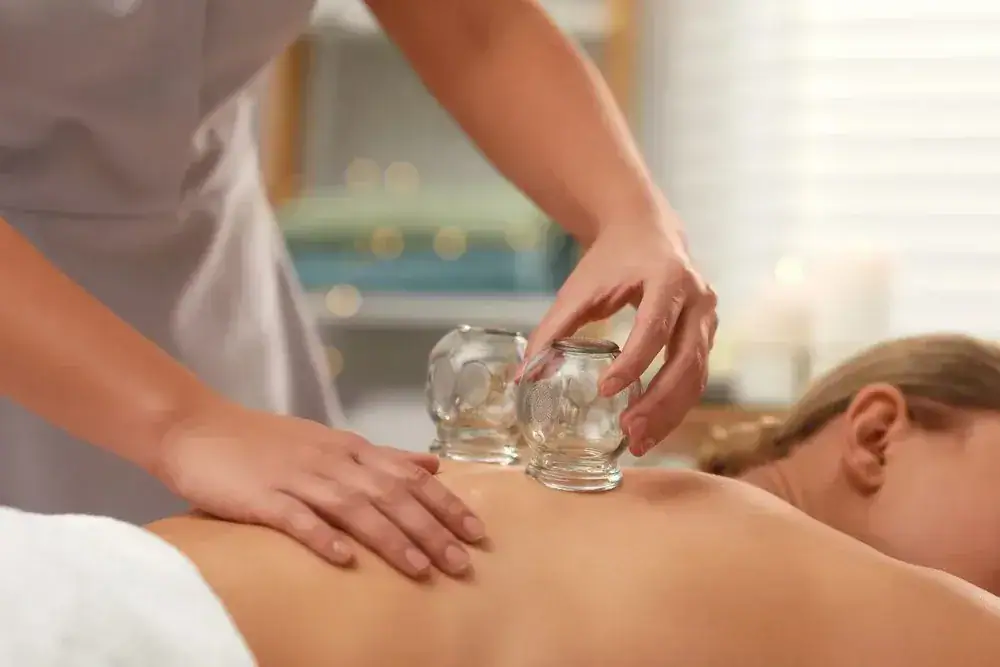
Your first appointment starts with an evaluation. We assess your pain, your movement limitations, and what you’ve already tried. This isn’t a one-size-fits-all approach—your treatment plan depends on whether you’re dealing with chronic lower back pain, recovering from an injury, managing arthritis, or something else entirely.
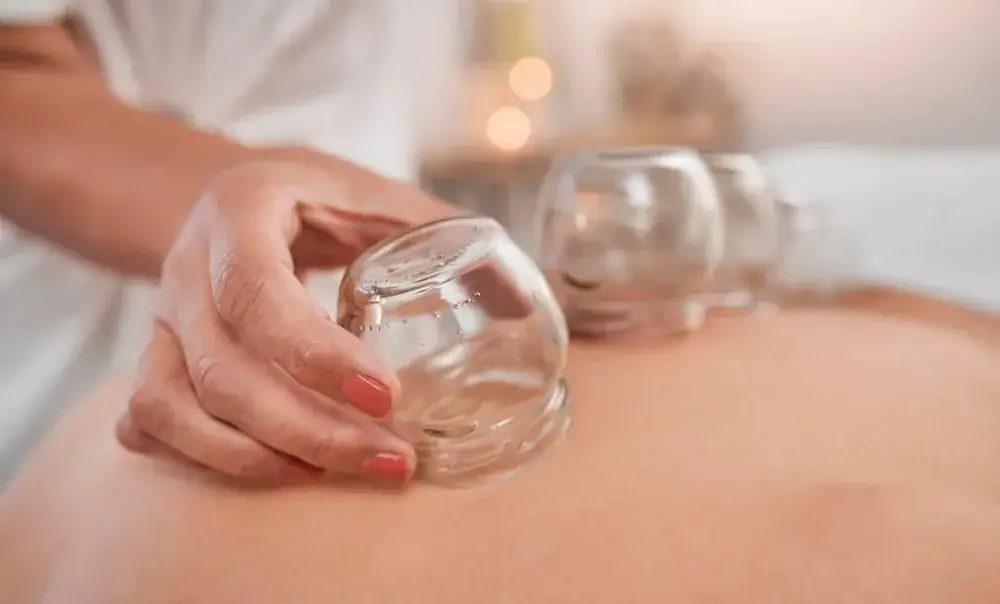
During cupping, your therapist places specialized cups on your skin, typically on your back, shoulders, neck, or other affected areas. The cups create suction that pulls tissue upward, increasing blood flow to muscles that have been tight and restricted. Most people find the sensation unusual but not painful—more like a firm massage. The cups stay in place for 5 to 15 minutes depending on your treatment goals.
You’ll likely see circular marks afterward. These aren’t bruises in the traditional sense—they’re a sign of increased circulation and typically fade within a few days to a week. Some people see results after one session, but most conditions respond best to a series of treatments combined with targeted exercises we’ll teach you.
Between sessions, we give you specific movements and stretches that support what we’re doing with cupping. The therapy works best when it’s part of a complete plan, not used in isolation.
Ready to get started?
Cupping therapy is particularly effective for musculoskeletal conditions that haven’t responded well to other treatments. We regularly treat chronic lower back pain, neck and shoulder tension, knee pain, headaches and migraines, carpal tunnel syndrome, and sports-related injuries. Research supports its use for conditions like rheumatoid arthritis, fibromyalgia, and post-surgical rehabilitation.
For Laurel residents dealing with work-related pain—whether from desk jobs, manual labor, or repetitive movements—cupping helps release the deep muscle tension that builds up over months or years. Many of our patients are older adults managing age-related mobility issues, and the in-home model means they don’t have to navigate transportation challenges or risk further injury getting to appointments.
Each session includes cupping as part of a broader physical therapy approach. We’re not just putting cups on your back and calling it done. You’re getting hands-on manual therapy, guided exercises, education about your condition, and a realistic plan for long-term improvement. The goal is to reduce your pain enough that you can return to activities that matter to you—not just survive your day, but actually enjoy parts of it again.
We also work with athletes and active individuals who use cupping for faster recovery and performance optimization. The same principles apply: better circulation, reduced muscle tension, and improved tissue health.
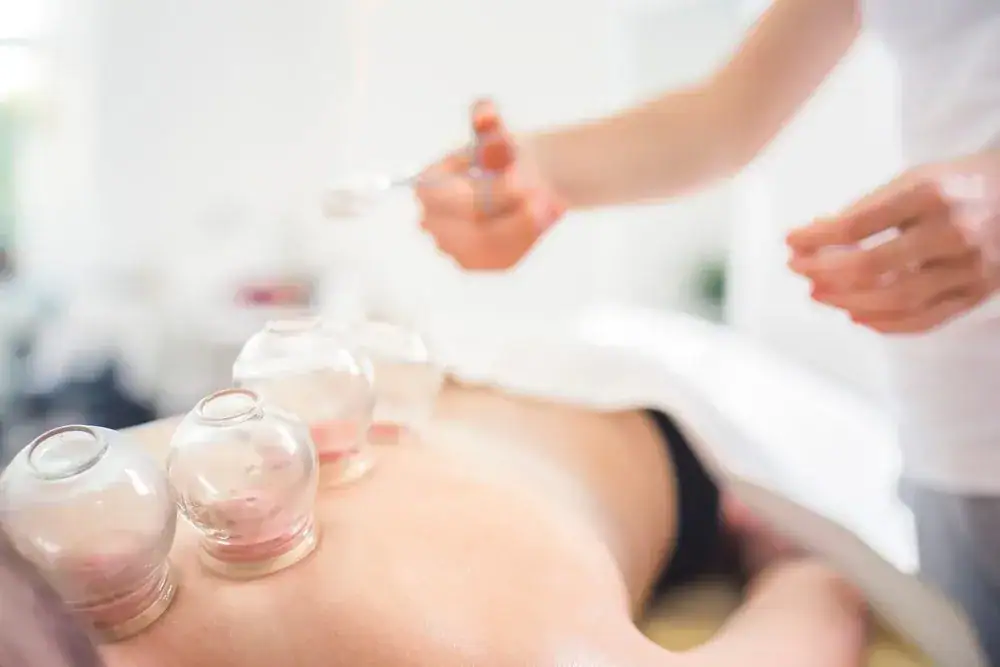
Cupping has been used for thousands of years, but modern research backs up what practitioners have observed clinically. Multiple peer-reviewed studies show that cupping therapy reduces pain and improves function in patients with chronic musculoskeletal conditions, often more effectively than conventional treatments alone.
The mechanism is straightforward: suction increases blood flow to areas with restricted circulation, helps release fascial adhesions, and triggers a healing response at the cellular level. When you combine cupping with physical therapy exercises and proper movement patterns, patients report significant improvements in both pain levels and functional capability.
That said, it’s not magic and it doesn’t work for everyone. Some conditions respond better than others, and results depend on factors like how long you’ve had the problem, your overall health, and whether you’re willing to do the work between sessions. We’re upfront about what cupping can and can’t do during your initial evaluation.
The circular marks left by cupping aren’t bruises in the way most people think of them. Bruises happen when blood vessels break due to trauma. Cupping marks result from increased blood flow and the drawing of stagnant blood and fluids to the surface. They look dramatic but typically don’t hurt, and they fade within three to seven days depending on your circulation and the intensity of treatment.
During the actual session, most people describe the sensation as a firm pull or pressure—not painful, just different. Some areas may be more sensitive than others, especially if you’re already dealing with significant muscle tension or inflammation. Your therapist adjusts the suction level based on your comfort and treatment goals.
The marks are more visible on some people than others. If you have an event coming up where you’ll be showing your back or shoulders, let your therapist know beforehand. We can adjust timing or placement accordingly. For most of our patients, the temporary marks are a worthwhile trade-off for the pain relief they experience.
This depends entirely on your condition, how long you’ve had it, and how your body responds. Some people feel noticeably better after one or two sessions—their range of motion improves and that constant ache starts to back off. Others with chronic conditions that have been building for years need a longer treatment plan, typically six to eight sessions combined with home exercises.
Acute injuries and muscle tension often respond faster than chronic pain conditions. Someone who tweaked their back last week will likely need fewer sessions than someone who’s been dealing with neck pain for five years. During your evaluation, we give you a realistic timeline based on what we’re seeing and what research tells us about your specific condition.
Most patients start with twice-weekly sessions for the first two weeks, then transition to once weekly as symptoms improve. We reassess regularly and adjust the plan based on your progress. The goal is always to get you better and then get you out—we’re not interested in keeping you dependent on treatment indefinitely.
When cupping is provided as part of a physical therapy treatment plan by a licensed therapist, Medicare and most commercial insurance plans will cover it. The key is that it needs to be integrated with other physical therapy services, not offered as a standalone treatment.
We’re Medicare-certified and we accept nearly all commercial insurance plans. We handle the verification process and submit claims on your behalf, so you’re not stuck dealing with paperwork while you’re trying to recover. During your initial consultation, we verify your specific coverage and let you know what to expect regarding copays or out-of-pocket costs.
Some insurance plans have specific requirements around documentation or the number of covered sessions. We’re familiar with these requirements and make sure everything is properly documented from the start. If coverage becomes an issue, we discuss options with you before moving forward—no surprises.
Getting to appointments when you’re already in pain is harder than people realize. You’re dealing with the physical discomfort of sitting in a car, the stress of traffic, finding parking, navigating a building, sitting in a waiting room, and then doing it all over again on the way home. For older adults or anyone with limited mobility, this can be exhausting enough that people skip sessions they actually need.
In-home therapy eliminates all of that. Your therapist comes to you with all the necessary equipment, and you receive the same quality treatment you’d get in a clinic—just in an environment where you’re already comfortable. You can schedule appointments around your day instead of rearranging your entire schedule. There’s no rushing, no feeling like you’re being pushed through because the next patient is waiting.
For many of our Laurel patients, especially those managing chronic conditions or recovering from surgery, the in-home model makes the difference between actually completing their treatment plan and giving up halfway through. You’re more likely to stick with therapy when it’s convenient, and consistency is what gets results.
Yes. While back and neck pain are the most common reasons people seek cupping therapy, research supports its effectiveness for a much wider range of conditions. We regularly treat patients dealing with knee pain, shoulder injuries, carpal tunnel syndrome, tension headaches and migraines, fibromyalgia, arthritis, and sports-related muscle strains.
Cupping works on the principle of improving circulation and releasing muscle tension wherever it’s applied. That means it can be used on virtually any area of the body where you’re experiencing musculoskeletal pain or restricted movement. Athletes use it for faster recovery after intense training. People with repetitive strain injuries find it helps reduce inflammation and restore normal tissue function.
During your evaluation, we assess whether cupping is appropriate for your specific condition. Some situations respond better to other physical therapy techniques, and we’re honest about that. The goal is always to use the most effective treatment for your particular problem—not to force cupping into situations where something else would work better. In many cases, the best results come from combining cupping with manual therapy, targeted exercises, and education about movement patterns that either help or hurt your recovery.
Other Services we provide in Laurel