
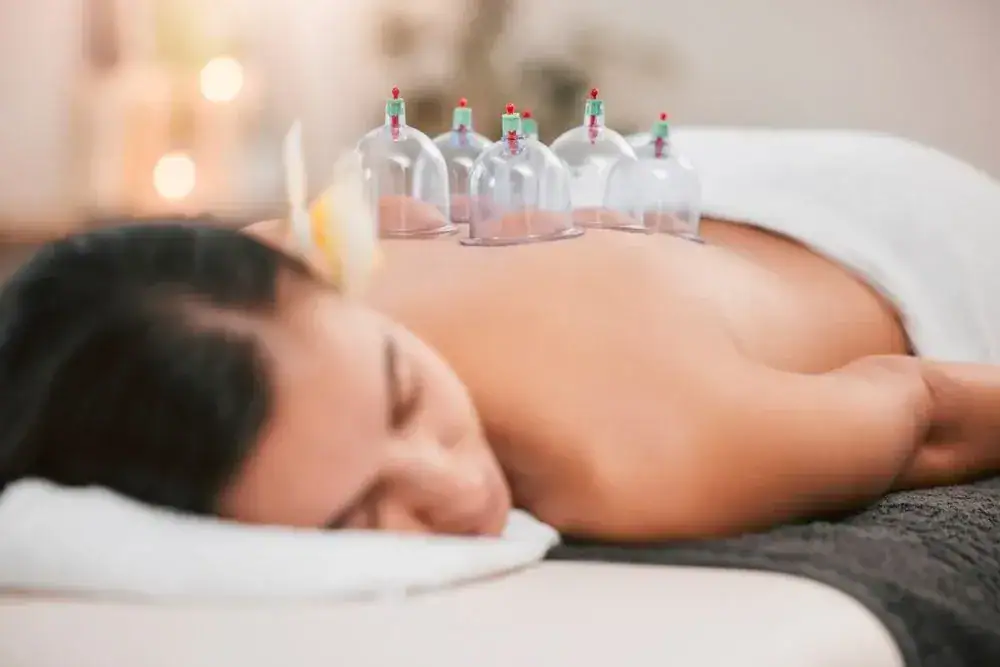

You sleep through the night. You reach for things without wincing. You get back to the activities that matter without planning your day around discomfort.
Cupping therapy increases blood flow to tight, painful areas. That means more oxygen, more nutrients, and faster healing where you need it most. The suction pulls stagnant fluid out of inflamed tissue and helps your body clear out what’s been sitting there causing problems.
It’s not a temporary fix that wears off in an hour. Many people with chronic neck pain, lower back issues, or muscle tension that hasn’t responded to other treatments report real, lasting improvement. You’re not masking the problem—you’re addressing what’s causing it.
Whether it’s pain that’s been around for years or soreness from overuse, cupping works by helping your body do what it’s supposed to do: heal itself. You just need the right support to get there.
Medcare Therapy Services and our affiliated centers, including Physical Therapy Associates of Smithtown and Speonk, have been serving Long Island communities for years. We’re not new to this, and we’re not experimenting with trends.
Lattingtown is a community where people expect quality and follow-through. You’re used to professionals who show up, do the work right, and don’t waste your time. That’s what we do—personalized care without the runaround.
We manage every detail, from verifying credentials to securing your information to making sure you can actually reach us when you need to. You won’t get bounced around or left wondering what’s next. We’ve built our reputation on being reliable, accessible, and transparent—because that’s what earns trust in a place like this.
First, we talk. You tell us where it hurts, how long it’s been going on, and what you’ve already tried. We don’t assume anything—we listen.
Then we assess. We look at your range of motion, check for tightness or inflammation, and figure out where cupping will help most. This isn’t one-size-fits-all. Your treatment gets built around your specific issue.
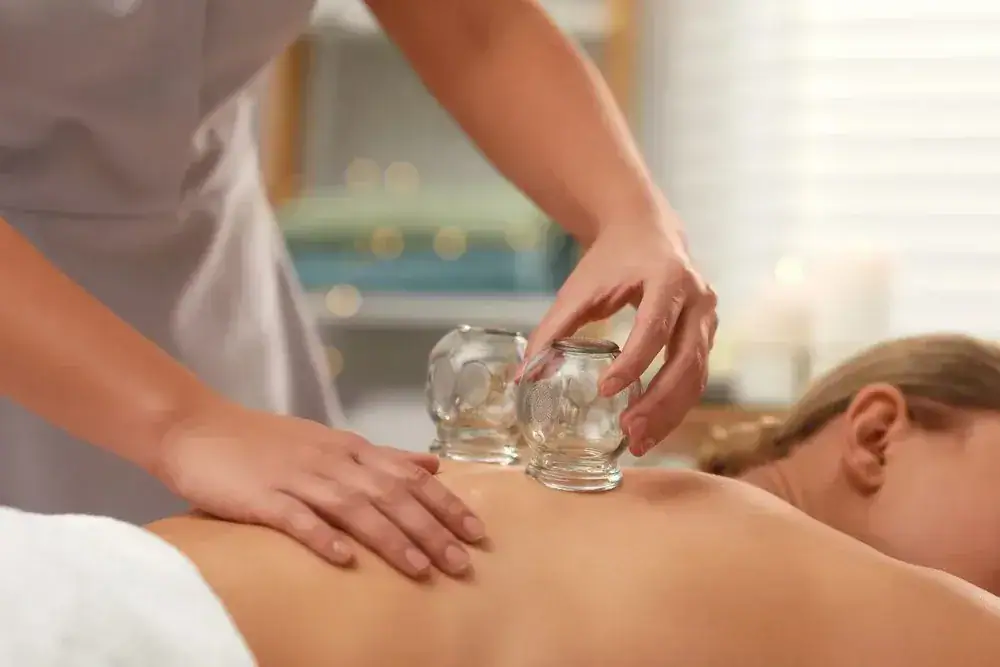
During the session, we place cups on targeted areas using suction. You’ll feel a pulling sensation—not painful, just different. The cups stay on for several minutes while they do their work: increasing circulation, loosening fascia, and drawing out fluid that’s been stuck in inflamed tissue.
Some people see circular marks afterward. They’re not bruises—they’re a sign that stagnant blood and toxins are being pulled to the surface so your body can clear them out. They fade in a few days.
We often combine cupping with other physical therapy techniques. Stretching, manual therapy, or strengthening exercises can all work together to give you better results than any single method alone. You’re not just getting a treatment—you’re getting a plan that actually makes sense for your body.
Ready to get started?
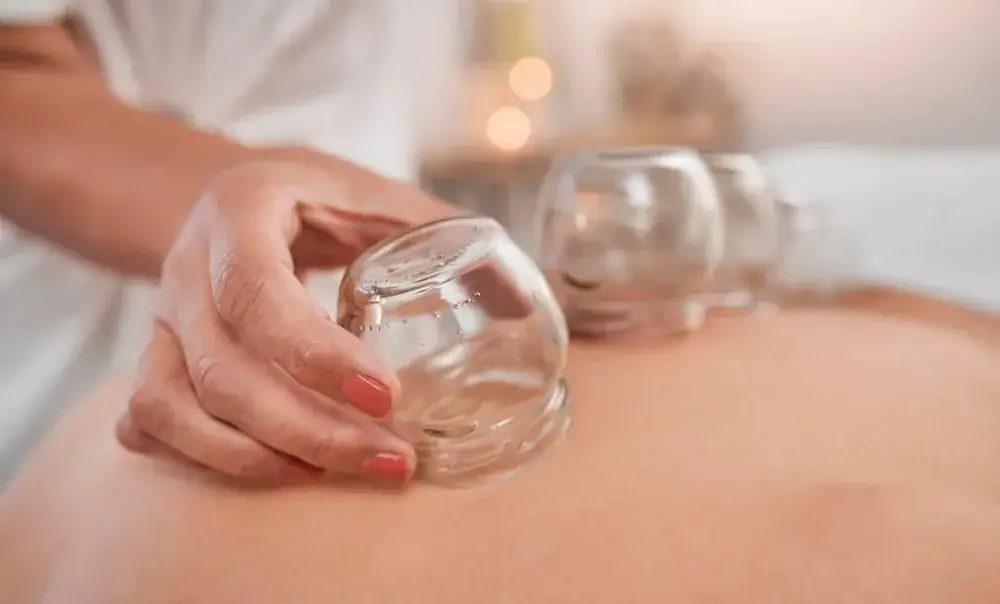
Dry cupping is the most common form we use. No needles, no incisions—just controlled suction that targets deep tissue without breaking the skin. It’s effective for muscle relaxation, reducing inflammation, and improving mobility in areas that feel locked up.
In Lattingtown and across Nassau County, we’re seeing more people turn to cupping because traditional treatments haven’t worked or because they want to avoid surgery. The affluent communities on Long Island tend to be well-informed and proactive about health. You’re not waiting until something breaks—you’re addressing it now.
Cupping works well for chronic lower back pain, neck stiffness, shoulder tension, and post-exercise soreness. If you’re active—whether that’s tennis, golf, running, or just keeping up with a demanding schedule—cupping helps you recover faster and stay ahead of injuries instead of reacting to them.
We also see great results when cupping is part of a broader physical therapy plan. It’s not a standalone miracle, but it’s a powerful tool that enhances everything else we do. You get better circulation, less pain, improved flexibility, and a body that’s actually capable of healing the way it should.
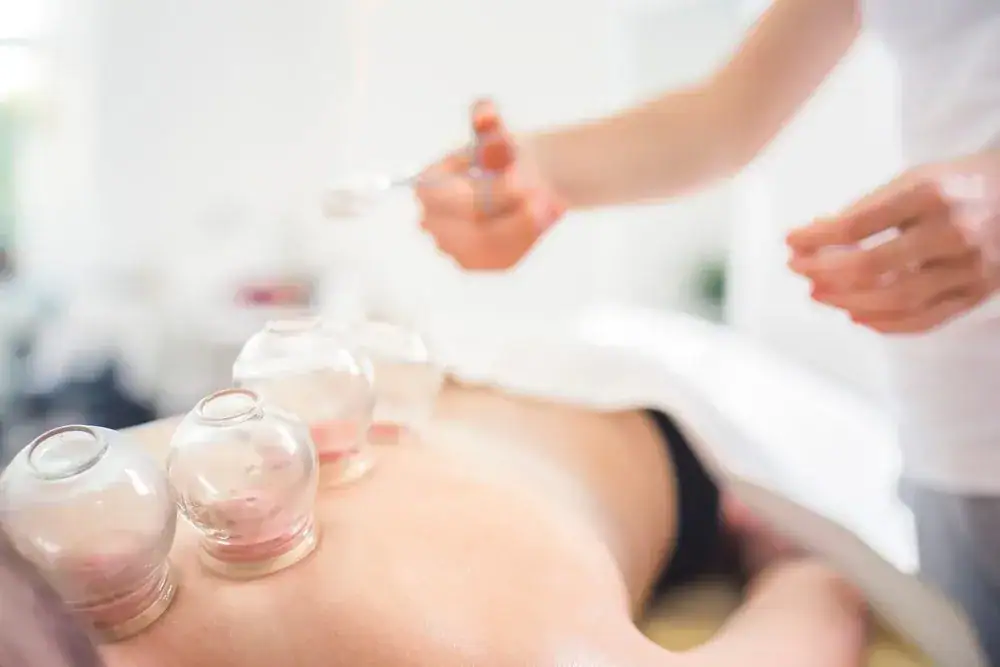
It works, and there’s clinical evidence to back it up. Studies show that cupping is effective for chronic neck pain, lower back pain, and fibromyalgia—not because it’s trendy, but because it addresses the root cause of pain in soft tissue.
When you’ve had pain for months or years, it’s usually because blood flow to that area is restricted and inflammation has settled in. Cupping increases circulation and helps your body clear out the buildup that’s keeping you stuck. That’s not hype—that’s how tissue heals.
People who’ve tried physical therapy, chiropractic care, or medication without full relief often find that adding cupping makes a real difference. It’s not magic. It’s just a different mechanism that targets the problem from another angle. And when it’s done by someone who knows what they’re doing, the results speak for themselves.
Expect a conversation first. We’re going to ask about your pain—where it is, how long you’ve had it, what makes it better or worse. Then we’ll do a quick assessment to see how you move and where the restrictions are.
During the treatment, you’ll feel suction as the cups are applied. It’s a pulling sensation, not sharp or painful. Most people find it oddly satisfying once they get used to it. The cups stay on for five to fifteen minutes depending on what we’re treating.
Afterward, you might see circular marks on your skin. They’re not bruises—they’re a sign that stagnant blood is being drawn to the surface. They’ll fade within a few days. Some people feel immediate relief. Others notice improvement over the next day or two as inflammation goes down and mobility improves. Either way, we’ll talk through what to expect and adjust your plan as needed.
Yes. Athletes use cupping specifically because it speeds up muscle recovery and reduces soreness after intense training or competition. Olympic athletes have used it for years—not as a gimmick, but because it works.
When you push your body hard, lactic acid and metabolic waste build up in your muscles. That’s what causes soreness and stiffness. Cupping helps flush that out by increasing blood flow and lymphatic drainage. You recover faster, feel less sore, and get back to training sooner.
It’s also effective for preventing injuries. Tight muscles and restricted fascia are more prone to strains and tears. Cupping loosens that tissue and improves flexibility, which means you’re less likely to get hurt in the first place. If you’re serious about staying active and performing at your best, cupping is a tool worth using.
Cupping is safe when it’s done by a trained professional. The most common side effect is temporary circular marks on your skin where the cups were placed. They look dramatic, but they don’t hurt and they fade within a few days.
Some people feel a little lightheaded right after treatment, especially if it’s their first time. That’s normal—it’s your body responding to increased circulation. We’ll have you sit for a minute and drink some water before you leave.
Cupping isn’t recommended if you’re on blood thinners, have certain skin conditions, or are pregnant. We’ll go over your health history before we start to make sure it’s the right fit for you. But for most people, it’s a low-risk treatment with a high upside. You’re not dealing with surgery, injections, or medications that come with a long list of warnings.
It depends on what we’re treating and how long you’ve been dealing with it. Some people feel relief after one session. Others need a series of treatments to see lasting improvement.
For acute issues—like a pulled muscle or recent flare-up—you might only need a few sessions. For chronic pain that’s been around for months or years, expect a longer timeline. We’re not just masking symptoms. We’re working to change the underlying condition, and that takes time.
Most people start with weekly sessions and then space them out as things improve. We’ll track your progress and adjust the plan based on how you’re responding. You’re not locked into anything—we’re just being realistic about what it takes to get you where you want to be. If something’s not working, we’ll tell you and change course.
It depends on your plan and how the treatment is billed. When cupping is part of a physical therapy session, many insurance plans will cover it under your PT benefits. We bill it as part of your overall treatment, not as a separate add-on.
You’ll want to check with your insurance provider to confirm your coverage and understand your copay or deductible. We can provide the documentation you need to submit for reimbursement if your plan requires it.
What matters most is that you’re getting effective treatment. If cost is a concern, talk to us. We’ll work with you to figure out a plan that makes sense financially without compromising the care you need. You shouldn’t have to choose between managing pain and managing your budget.
Other Services we provide in Lattingtown