


You’re dealing with pain that limits what you can do. Maybe it’s your back after a long day at work, your neck from sitting at a desk, or your shoulders from stress you can’t seem to shake. You’ve tried medications, but you don’t want to rely on them forever.
Cupping therapy works by lifting tissue away from underlying muscles and fascia. That decompression increases blood flow to the area, which helps reduce inflammation and speeds up your body’s natural healing process. You’re not masking pain—you’re addressing what’s causing it.
Most people notice improved range of motion after their first few sessions. That stiffness you feel when you bend or reach starts to ease. The constant tension in your muscles begins to release. You move better because your body has room to move better.
This isn’t about temporary relief. It’s about giving your body what it needs to recover so you can get back to doing what matters without thinking about the pain first.
We’ve been serving Lake Grove and the surrounding Suffolk County communities for years. Our team includes licensed physical therapists trained in modern cupping techniques, and we integrate this therapy into comprehensive treatment plans based on what you actually need.
Lake Grove has a median household income of nearly $120,000, and residents here expect quality care that’s worth their time and money. You’re not looking for gimmicks—you want results. Our approach combines cupping with other physical therapy modalities when it makes sense, and we’re transparent about what will work and what won’t.
We manage multiple locations across Long Island, including our Physical Therapy Associates of Smithtown and Speonk centers. That experience means we’ve seen thousands of cases, and we know how to adapt treatment to different conditions, different bodies, and different goals.
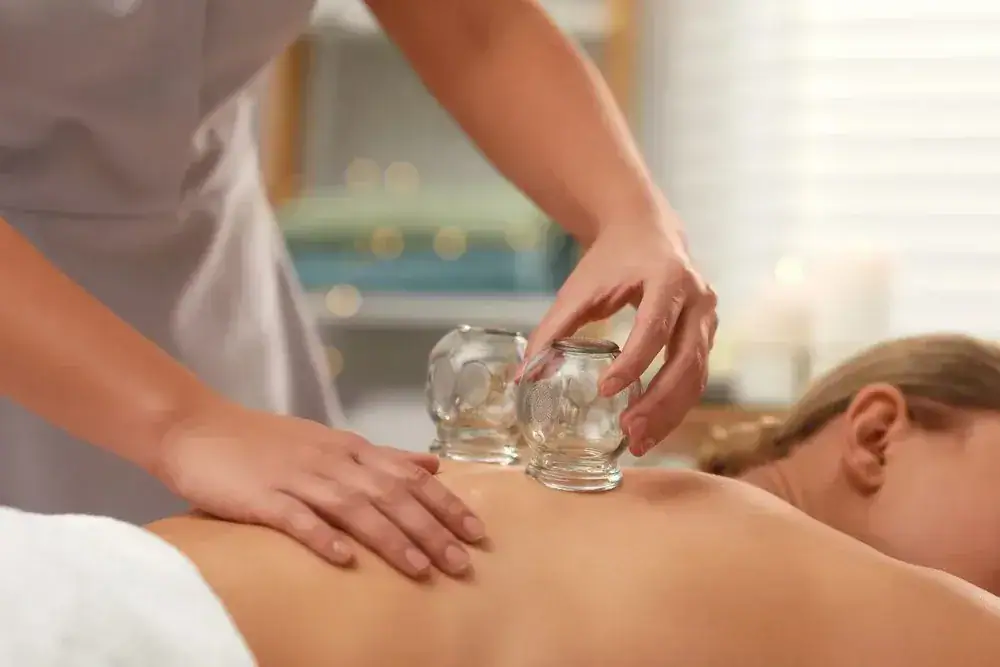
Your first visit starts with an evaluation. We need to understand where your pain is, what movements make it worse, and what you’ve already tried. This isn’t a one-size-fits-all treatment, so we assess your specific condition before recommending cupping therapy.
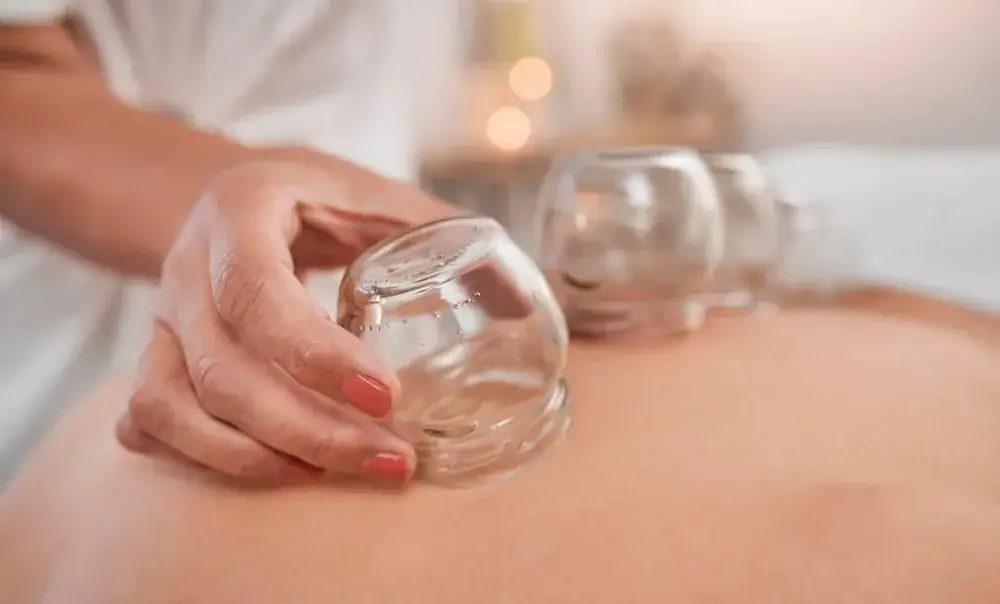
During the session, we place specialized cups on targeted areas of your body. We use dry cupping, which creates suction without any cutting or bloodletting. The cups stay in place for several minutes, lifting the skin and tissue to create that decompression effect. Some of our therapists also use dynamic cupping, where cups are moved across the skin while maintaining suction to address larger muscle groups.
You’ll see circular marks afterward—that’s normal and expected. They’re not bruises in the traditional sense; they’re a result of increased blood flow to the area. The marks typically fade within a few days to a week.
Most treatment plans involve multiple sessions over several weeks. Cupping works best when combined with other physical therapy techniques like targeted exercises, manual therapy, or movement training. We’ll walk you through what to expect between sessions and how to support your recovery at home.
Ready to get started?
Cupping therapy is effective for chronic back pain, neck pain, and shoulder tension—three of the most common complaints we see in Lake Grove. If you’re between 35 and 65, chances are you’re dealing with at least one of these. The repetitive stress from work, family responsibilities, and daily life adds up.
We also use cupping for knee pain, particularly in patients with osteoarthritis. Research shows it can significantly reduce pain and improve function when used as part of a broader treatment plan. Athletes and fitness enthusiasts in the area use cupping to speed up recovery after intense training or to address sports-related injuries.
Lake Grove’s population skews toward active professionals and families. You’re busy, and you need treatments that actually work without taking up your entire week. Cupping sessions typically last 30 to 45 minutes, and many patients schedule them during lunch breaks or after work.
Beyond pain relief, cupping helps with muscle relaxation and stress reduction. If you’re holding tension in your body—and most people are—cupping provides a physical release that you can feel immediately. It’s one of the reasons people keep coming back even after their primary pain issue improves.
Yes, but it depends on the type of pain and how it’s used. Research shows moderate-quality evidence supporting cupping for chronic low back pain, neck pain, and knee osteoarthritis. That means multiple studies have found measurable improvements in pain levels and function.
Cupping works through myofascial decompression. When tissue gets tight or restricted—whether from injury, overuse, or poor posture—it limits blood flow and creates pain signals. The suction from cupping lifts that tissue, separating fascial layers and allowing better circulation. More blood flow means more oxygen and nutrients reaching the area, which helps reduce inflammation and speed healing.
It’s not a miracle cure, and it won’t fix structural problems like herniated discs or torn ligaments. But for muscular pain, tension, and restricted movement, it’s one of the most effective non-pharmaceutical options available. Most patients notice improvement within three to five sessions, though some conditions require longer treatment.
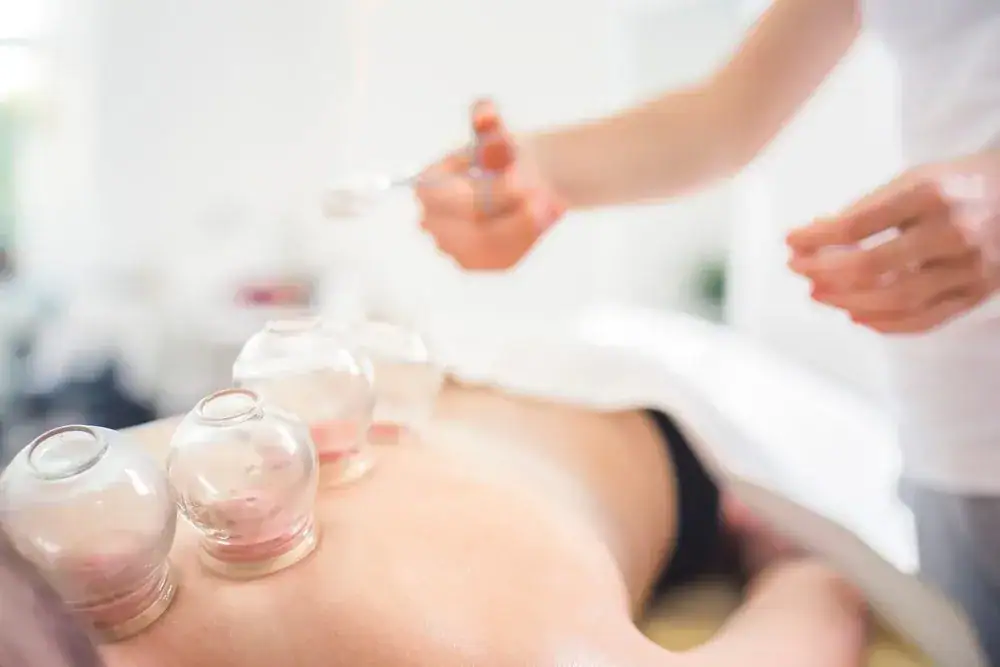
Dry cupping uses suction only—no needles, no incisions, no blood. It’s the most common type used in physical therapy settings, and it’s what we offer at Medcare. The cups create negative pressure that lifts tissue away from underlying structures, which is why it’s also called myofascial decompression.
Wet cupping involves making small cuts in the skin before applying cups, allowing some blood to be drawn out. It’s more invasive and carries higher risk of infection. Fire cupping uses heat to create suction, while modern dry cupping uses manual or electric pumps for more controlled pressure.
Dry cupping is preferred in clinical settings because it’s safer, more predictable, and easier to integrate with other physical therapy techniques. You get the benefits of tissue decompression and improved blood flow without the added risks. The treatment is also more comfortable for most patients, which means better compliance and more consistent results over time.
Typically three to seven days, though it varies based on how tight your tissues are and how much suction was used. The marks look like circular bruises, but they’re actually a sign of increased blood flow to the area. Areas with more tension or restriction tend to show darker marks.
The discoloration comes from blood being drawn to the surface and small capillaries expanding under the suction. It’s not damage—it’s part of the therapeutic effect. As your circulation improves and tissue restrictions release over multiple sessions, the marks usually become lighter and fade faster.
If you have an event coming up where the marks would be visible and problematic, let us know beforehand. We can adjust cup placement or modify the treatment. Most Lake Grove patients don’t find the marks bothersome, especially once they understand what’s causing them and feel the pain relief that comes with treatment.
Yes, and it’s become increasingly popular among athletes for exactly that reason. Studies on professional athletes show cupping significantly improves range of motion and reduces pain, which directly impacts performance and recovery time. That’s why you saw Olympic athletes using it.
For sports injuries, cupping helps in two main ways. First, it reduces muscle soreness and tension after intense training or competition. The increased blood flow helps clear metabolic waste products that build up during exercise, which speeds recovery. Second, it addresses specific injury sites by improving tissue mobility and reducing inflammation around the affected area.
We see a lot of weekend warriors and fitness enthusiasts in Lake Grove who push themselves hard at the gym or on the field. Cupping can be part of your regular recovery routine, not just something you do when you’re injured. Many athletes schedule sessions during heavy training periods to maintain performance and prevent overuse injuries from developing into bigger problems.
It depends on your specific plan and how the treatment is billed. When cupping is provided as part of a physical therapy treatment plan—which is how we offer it at Medcare—it’s often covered under your physical therapy benefits. The cupping itself is considered a manual therapy technique within the broader treatment session.
You’ll want to check with your insurance provider about your physical therapy coverage, including copays, deductibles, and any visit limits. Most plans cover physical therapy when it’s medically necessary, meaning you have a diagnosed condition that requires treatment. We can provide documentation and treatment plans to support insurance claims.
If you’re paying out of pocket, cupping sessions integrated into physical therapy typically cost less than standalone alternative medicine treatments because they’re part of a comprehensive care plan. We’re transparent about costs upfront, and we’ll work with you to create a treatment schedule that makes sense for your budget and your condition.
Most patients notice some improvement within two to three sessions, but lasting results usually require six to eight sessions over several weeks. The exact number depends on your condition, how long you’ve had it, and how your body responds to treatment.
Acute issues—like a recent muscle strain or tension from a specific incident—often respond faster. Chronic conditions that have been building for months or years take longer because there’s more tissue restriction and compensation patterns to address. Your body didn’t develop these problems overnight, and it won’t fix them overnight either.
We evaluate your progress throughout treatment and adjust the plan as needed. Some patients continue with maintenance sessions once or twice a month after their initial treatment plan, especially if they have ongoing demands from work or athletics. The goal is to get you to a point where you’re managing well on your own, with cupping available as a tool when you need it rather than something you depend on indefinitely.
Other Services we provide in Lake Grove